Allies of Skin Peptide & Antioxidants Firming Daily Treatment Versus Riman Radiansome 100 Microfluidizer Cream
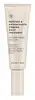
This anti-aging moisturizer is formulated around Niacinamide and Tetrahexyldecyl Ascorbate to soften the look of wrinkles and calm redness.
This barrier-repair moisturizer is formulated around Centella Asiatica Leaf Water and Hydrogenated Lecithin to strengthen the skin barrier and calm redness.

What's inside
What's inside
 Key Ingredients
Benefits
Concerns
Ingredients Side-by-side
Water
Skin ConditioningGlycerin
Humectant


Caprylic/Capric Triglyceride
Masking
Isononyl Isononanoate
EmollientCaffeine
Skin Conditioning

C12-15 Alkyl Benzoate
AntimicrobialNiacinamide
Smoothing







Lactobacillus Ferment
Skin Conditioning
Cetearyl Olivate


Butylene Glycol
Humectant
Polysorbate 60
Emulsifying
Tetrahexyldecyl Ascorbate
Antioxidant

Marrubium Vulgare Extract
Skin ConditioningPlantago Lanceolata Leaf Extract
AntimicrobialPalmitoyl Tripeptide-5
Skin Conditioning
Acetyl Tetrapeptide-40
Skin Conditioning
Palmitoyl Tripeptide-8
Skin Conditioning
Hydrolyzed Verbascum Thapsus Flower
Antioxidant
Moringa Oleifera Seed Extract
Skin Conditioning
Teprenone
Skin ConditioningPhospholipids
Skin Conditioning
Hyaluronic Acid
Humectant
Syringa Vulgaris Leaf Cell Culture Extract
Skin ConditioningSphingolipids
Emollient
Astaxanthin
Skin Conditioning
Bisabolol
Antioxidant
Euterpe Oleracea Fruit Oil
Skin Conditioning
Rubus Idaeus Seed Oil
Emollient
Honey
Humectant
Dimethyl Isosorbide
SolventCeramide NP
Skin Conditioning
Phenyl T-Butylnitrone
Antioxidant
Tocopherol
Antioxidant
Glutathione
Tetrahydrodiferuloylmethane
Antioxidant
Tetrahydrodemethoxydiferuloylmethane
Antioxidant
Tetrahydrobisdemethoxydiferuloylmethane
Antioxidant
Ergothioneine
Antioxidant
Xanthan Gum
EmulsifyingCaprylyl Glycol
Emollient
Carbomer
Emulsion StabilisingSorbitan Olivate
Emulsifying
Benzimidazole Diamond Amidoethyl Urea Carbamoyl Propyl Polymethylsilsesquioxane
Cosmetic Colorant
Mica
Cosmetic ColorantDextran
Citric Acid
Buffering
Sodium Hydroxide
BufferingAcrylamide/Sodium Acryloyldimethyltaurate Copolymer
Emulsion StabilisingCI 77891
Cosmetic ColorantEthylhexylglycerin
Skin ConditioningIsohexadecane
EmollientMaltodextrin
Absorbent
Polysorbate 80
Emulsifying
Acetyl Tributyl Citrate
Masking

Tetrasodium EDTA
ChelatingSorbitan Oleate
Emulsifying

Sodium Benzoate
Masking
Potassium Sorbate
Preservative
Sodium Glycolate
BufferingPolysorbate 20
Emulsifying
Phenoxyethanol
Preservative
O-Cymen-5-Ol
Antimicrobial
Water, Glycerin, Caprylic/Capric Triglyceride, Isononyl Isononanoate, Caffeine, C12-15 Alkyl Benzoate, Niacinamide, Lactobacillus Ferment, Cetearyl Olivate, Butylene Glycol, Polysorbate 60, Tetrahexyldecyl Ascorbate, Marrubium Vulgare Extract, Plantago Lanceolata Leaf Extract, Palmitoyl Tripeptide-5, Acetyl Tetrapeptide-40, Palmitoyl Tripeptide-8, Hydrolyzed Verbascum Thapsus Flower, Moringa Oleifera Seed Extract, Teprenone, Phospholipids, Hyaluronic Acid, Syringa Vulgaris Leaf Cell Culture Extract, Sphingolipids, Astaxanthin, Bisabolol, Euterpe Oleracea Fruit Oil, Rubus Idaeus Seed Oil, Honey, Dimethyl Isosorbide, Ceramide NP, Phenyl T-Butylnitrone, Tocopherol, Glutathione, Tetrahydrodiferuloylmethane, Tetrahydrodemethoxydiferuloylmethane, Tetrahydrobisdemethoxydiferuloylmethane, Ergothioneine, Xanthan Gum, Caprylyl Glycol, Carbomer, Sorbitan Olivate, Benzimidazole Diamond Amidoethyl Urea Carbamoyl Propyl Polymethylsilsesquioxane, Mica, Dextran, Citric Acid, Sodium Hydroxide, Acrylamide/Sodium Acryloyldimethyltaurate Copolymer, CI 77891, Ethylhexylglycerin, Isohexadecane, Maltodextrin, Polysorbate 80, Acetyl Tributyl Citrate, Tetrasodium EDTA, Sorbitan Oleate, Sodium Benzoate, Potassium Sorbate, Sodium Glycolate, Polysorbate 20, Phenoxyethanol, O-Cymen-5-Ol
Centella Asiatica Leaf Water
Skin Conditioning
Glycerin
Humectant
Cetyl Ethylhexanoate
Emollient1,2-Hexanediol
Skin Conditioning
Hydrogenated Lecithin
Emulsifying
Brassica Campestris Sterols
EmollientCholesterol
Emollient
Phytosteryl/Behenyl/Octyldodecyl Lauroyl Glutamate
Skin ConditioningC9-12 Alkane
SolventButylene Glycol
Humectant
Polyglyceryl-10 Laurate
Skin Conditioning
Niacinamide
Smoothing
Squalane
Emollient
Water
Skin ConditioningSodium Surfactin
CleansingTromethamine
BufferingTocopherol
Antioxidant
Sodium Hyaluronate
Humectant
Phytosteryl Macadamiate
Skin Conditioning
Lysolecithin
EmulsifyingHelianthus Annuus Seed Oil
Emollient
Carbomer
Emulsion StabilisingLactobacillus Ferment
Skin Conditioning
Coco-Caprylate/Caprate
Emollient
Polyglutamic Acid
Skin Conditioning
Ceramide NP
Skin Conditioning
Hydroxyacetophenone
Antioxidant
Panthenol
Skin Conditioning
Stearic Acid
Cleansing
2,3-Butanediol
HumectantAllantoin
Skin Conditioning
Adenosine
Skin Conditioning
Vanilla Planifolia Fruit Extract
Skin Conditioning
Lupinus Albus Seed Extract
Skin ConditioningFragaria Chiloensis Fruit Extract
Skin Conditioning
Crataegus Cuneata Fruit Extract
Skin ConditioningViola Odorata Flower/Leaf Extract
MaskingCentella Asiatica Extract
Cleansing
Leucojum Aestivum Bulb Extract
Skin ProtectingCystoseira Tamariscifolia Extract
Skin Conditioning
Centella Asiatica Callus Extract
Antimicrobial
Hydrolyzed Extensin
Skin ConditioningRosa Damascena Flower Water
Masking
Musa Sapientum Fruit Extract
Skin ConditioningSodium Ascorbyl Phosphate
Antioxidant
Camellia Japonica Flower Extract
EmollientHesperidin
EmollientCentella Asiatica Leaf Water, Glycerin, Cetyl Ethylhexanoate, 1,2-Hexanediol, Hydrogenated Lecithin, Brassica Campestris Sterols, Cholesterol, Phytosteryl/Behenyl/Octyldodecyl Lauroyl Glutamate, C9-12 Alkane, Butylene Glycol, Polyglyceryl-10 Laurate, Niacinamide, Squalane, Water, Sodium Surfactin, Tromethamine, Tocopherol, Sodium Hyaluronate, Phytosteryl Macadamiate, Lysolecithin, Helianthus Annuus Seed Oil, Carbomer, Lactobacillus Ferment, Coco-Caprylate/Caprate, Polyglutamic Acid, Ceramide NP, Hydroxyacetophenone, Panthenol, Stearic Acid, 2,3-Butanediol, Allantoin, Adenosine, Vanilla Planifolia Fruit Extract, Lupinus Albus Seed Extract, Fragaria Chiloensis Fruit Extract, Crataegus Cuneata Fruit Extract, Viola Odorata Flower/Leaf Extract, Centella Asiatica Extract, Leucojum Aestivum Bulb Extract, Cystoseira Tamariscifolia Extract, Centella Asiatica Callus Extract, Hydrolyzed Extensin, Rosa Damascena Flower Water, Musa Sapientum Fruit Extract, Sodium Ascorbyl Phosphate, Camellia Japonica Flower Extract, Hesperidin
Reviews
Ingredients Explained
These ingredients are found in both products.
Ingredients higher up in an ingredient list are typically present in a larger amount.
Butylene Glycol (or BG) is used within cosmetic products for a few different reasons:
Overall, Butylene Glycol is a safe and well-rounded ingredient that works well with other ingredients.
Though this ingredient works well with most skin types, some people with sensitive skin may experience a reaction such as allergic rashes, closed comedones, or itchiness.
Learn more about Butylene GlycolCarbomer is a synthetic thickening and gelling agent. It's basically the ingredient that gives a lot of serums, gels, creams, and sunscreens their smooth, non-sticky texture.
Although legally permitted at very high levels, carbomers are normally used at concentrations below 1%.
It also needs to be neutralized to actually thicken, and because it is a large molecule, it doesn't really penetrate the skin barrier.
Allergy-wise, the risk is very low. Clinical studies show carbomers have low potential for skin irritation/sensitization even at concentrations up to 100%.
A 2024 UK study patch-tested 1,302 patients and found true allergy to the parent group of carbomer to be rare with no confirmed relevant reactions.
Learn more about CarbomerCeramide NP (formerly known as Ceramide 3) is one of the skin's naturally occurring lipids.
Since ceramides are the major lipid components of the skin, they are crucial for maintaining skin barrier and hydration. Ceramide NP most closely mirrors the dominant kind in human skin amongst ceramide subtypes.
This ceramide works by slotting into gaps within the stratum corneum's lipid matrix to limit trans-epidermal water loss (TEWL) and shield the skin against external irritants.
A study with 312 patients found that using a ceramide-containing routine for 4 weeks reduced the severity of atopic dermatitis by over 61%.
Another clinical study in subjects aged 60 and older found that a ceramide body wash and moisturizer improved skin dryness and itchy skin in 15 days.
Overall, ceramides are considered non-irritating and safety tests have found little to no observable adverse effects from using this ingredient.
Ceramide NP is usually sourced from plants (like soybean or rice bran), or produced synthetically.
Learn more about Ceramide NPGlycerin (or glycerol) is a compound naturally found in your skin. It's a powerhouse humectant that pulls water into the stratum corneum.
Topically, glycerin does several things at once:
Your skin makes glycerin on its own (mostly from sebaceous oil breakdown) and shuttles it to your outermost layer of skin, or your epidermis, via aquaporin-3.
Aquaporin-3 is a transporter that is essential for normal skin hydration, elasticity, and repair. Interestingly, mice lacking in AQP3 have dry and less elastic skin that can be fully corrected with glycerin.
This ingredient is non-irritating, plays well with almost every ingredient, and works across all skin types. Typical use is anywhere between 3-10% but can go up to 79% in some leave-on products.
Just know very high concentrations (>40%) can feel tacky in low humidity.
Glycerin is the name for this ingredient in American English. British English uses Glycerol/Glycerine.
Learn more about GlycerinThis ingredient is made when the Lactobacillus bacteria (the same kind that makes yogurt and kimchi) are allowed to ferment a nutrient medium.
As it ferments, it collects lactic acid, peptides, enzymes, and other bioactive metabolites to provide:
A 2023 review noted that probiotic fermentation ingredients like this one can enhance antioxidant capacity, reduce UV-induced oxidative damage, and support barrier function.
One clinical study from the same year showed a Lactobacillus ferment lysate significantly reduced transepidermal water loss and improved skin hydration.
Another review highlighted that topical Lactobacillus-based preparations can improve ceramide levels in the stratum corneum, support barrier integrity, and even help reduce S. aureus colonization in atopic dermatitis.
Why is this so cool?
Basically, your skin's outer layer works as a brick wall; skin cells are bricks and ceramides are the mortar holding it together. Moisture escapes, irritants get in, and your skin gets dry and reactive when ceramide levels drop. On top of that, "bad" skin bacteria S. aureus loves to move in when your barrier is weak to make inflammation and irritation worse.
So Lactobacillus ferment is basically patching the wall and evicting the troublemaker when it boosts ceramide production and help keep S. aureus in check.
On top of all this, it also acts as a mild antimicrobial preservative booster.
Just so you know, most studies focus on specific strains or the lysate form rather than this generic "Lactobacillus Ferment", so results can vary.
Though it's a promising ingredient, it doesn't have decades of robust clinical data behind it just yet.
Lactobacillus Ferment is generally considered safe for fungal-acne prone skin. The key thing to understand is that it comes from bacteria, not yeast or fungus.
Yeast-derived ferments (like galactomyces) have been shown to activate a protein that's linked to Malassezia-related skin issues whereas lactobacillus doesn't have that problem.
Its byproducts also don't contain the types of fatty acids (C11-24 chain lengths) that Malassezia feeds on.
Learn more about Lactobacillus FermentNiacinamide is a multitasking form of vitamin B3 that strengthens the skin barrier, reduces pores and dark spots, regulates oil, and improves signs of aging.
And the best part? It's gentle and well-tolerated by most skin types, including sensitive and reactive skin.
You might have heard of "niacin flush", or the reddening of skin that causes itchiness. Niacinamide has not been found to cause this.
In very rare cases, some individuals may not be able to tolerate niacinamide at all or experience an allergic reaction to it.
If you are experiencing flaking, irritation, and dryness with this ingredient, be sure to double check all your products as this ingredient can be found in all categories of skincare.
When incorporating niacinamide into your routine, look out for concentration amounts. Typically, 5% niacinamide provides benefits such as fading dark spots. However, if you have sensitive skin, it is better to begin with a smaller concentration.
When you apply niacinamide to your skin, your body converts it into nicotinamide adenine dinucleotide (NAD). NAD is an essential coenzyme that is already found in your cells as "fuel" and powers countless biological processes.
In your skin, NAD helps repair cell damage, produce new healthy cells, support collagen production, strengthen the skin barrier, and fight environmental stressors (like UV and pollution).
Our natural NAD levels start to decline with age, leading to slower skin repair, visible aging, and a weaker skin barrier. By providing your skin niacinamide, you're recharging your skin's NAD levels. This leads to stronger, healthier, and younger looking skin.
Another name for vitamin B3 is nicotinamide. This vitamin is water-soluble and our bodies don't store it. We obtain Vitamin B3 from either food or skincare. Meat, fish, wheat, yeast, and leafy greens contain vitamin B3.
The type of niacinamide used in skincare is synthetically created.
Learn more about NiacinamideTocopherol is a fat-soluble antioxidant known as Vitamin E.
You'll find this ingredient in the vast majority of skincare (for good reason). It works to neutralize free radicals, or unstable molecules generated by UV exposure, pollution, and other environmental stressors, before they can cause oxidative damage to your skin cells.
Topically applied tocopherol has been shown to protect against UV damage by ramping up the skin's own natural defense enzymes.
It also acts as a skin conditioning agent; some studies show that regular topical use can improve the skin's water-binding capacity over 2-4 weeks.
This ingredient is especially loved for being a team player. When combined with Vitamin C, the photoprotective effect of both ingredients roughly doubles and the combo also helps reduce UV-induced DNA damage.
This ingredient has some brightening potential but it's more of a prevention ingredient than spot-fader. Cell studies show it can slow down melanin production but it's worth noting that it's not the most powerful brightener out there.
In formulations, it also serves as a stabilizer that helps protect other oxidation-prone ingredients from degrading.
Concentrations usually range from 0.1-1% in most leave-on products.
Learn more about TocopherolWater. It's the most common cosmetic ingredient of all. You'll usually see it at the top of ingredient lists, meaning that it makes up the largest part of the product.
So why is it so popular? Water most often acts as a solvent - this means that it helps dissolve other ingredients into the formulation.
You'll also recognize water as that liquid we all need to stay alive. If you see this, drink a glass of water. Remember to stay hydrated!
Learn more about Water

