Aesop Seeking Silence Facial Hydrator Versus Youth To The People Polypeptide-121 Future Cream with Peptides and Ceramides
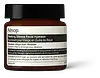
This calming moisturizer is formulated around Squalane and Saccharide Isomerate to calm redness and hydrate skin.
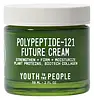
This anti-aging moisturizer is formulated around Hydrolyzed Hyaluronic Acid and Acetyl Tetrapeptide-9 to soften the look of wrinkles and hydrate skin.


What's inside
What's inside
 Key Ingredients
Benefits
Concerns
Ingredients Side-by-side
Water
Skin ConditioningGlycerin
Humectant


Squalane
Emollient
Coco-Caprylate/Caprate
Emollient
Tribehenin PEG-20 Esters
EmollientSimmondsia Chinensis Seed Oil
Emollient


1,2-Hexanediol
Skin Conditioning
Jojoba Esters
Emollient
Sodium Acrylates Copolymer
Saccharide Isomerate
Humectant
Helianthus Annuus Seed Wax
Skin Conditioning
Benzyl Alcohol
Perfuming






Lecithin
Emollient
Silica
Abrasive


Copernicia Cerifera Wax
Sodium Dehydroacetate
Preservative
Sodium Gluconate
Skin ConditioningLauroyl Lysine
Skin Conditioning
Xanthan Gum
EmulsifyingBisabolol
Antioxidant

Maltodextrin
Absorbent
Lavandula Angustifolia Oil
Masking
Tocopherol
Antioxidant


Acacia Decurrens Flower Wax
Emollient
Fusanus Spicatus Wood Oil
Masking
Glycine Soja Oil
Emollient

Polyglycerin-3
Humectant
Narcissus Tazetta Bulb Extract
Astringent
Juniperus Communis Fruit Oil
Masking
Biosaccharide Gum-1
Humectant
Citric Acid
Buffering
Sodium Citrate
BufferingZingiber Officinale Root Extract
Masking
Dunaliella Salina Extract
Skin ConditioningLinalool
Perfuming
Farnesol
Perfuming
Limonene
Perfuming
Water, Glycerin, Squalane, Coco-Caprylate/Caprate, Tribehenin PEG-20 Esters, Simmondsia Chinensis Seed Oil, 1,2-Hexanediol, Jojoba Esters, Sodium Acrylates Copolymer, Saccharide Isomerate, Helianthus Annuus Seed Wax, Benzyl Alcohol, Lecithin, Silica, Copernicia Cerifera Wax, Sodium Dehydroacetate, Sodium Gluconate, Lauroyl Lysine, Xanthan Gum, Bisabolol, Maltodextrin, Lavandula Angustifolia Oil, Tocopherol, Acacia Decurrens Flower Wax, Fusanus Spicatus Wood Oil, Glycine Soja Oil, Polyglycerin-3, Narcissus Tazetta Bulb Extract, Juniperus Communis Fruit Oil, Biosaccharide Gum-1, Citric Acid, Sodium Citrate, Zingiber Officinale Root Extract, Dunaliella Salina Extract, Linalool, Farnesol, Limonene
Water
Skin ConditioningDicaprylyl Carbonate
EmollientHydrolyzed Hyaluronic Acid
Humectant
Trimethylolpropane Tricaprylate/Tricaprate
EmollientTridecyl Trimellitate
EmollientPropanediol
Solvent
Sh-Polypeptide-121
Skin Conditioning
Polyglyceryl-3 Methylglucose Distearate
Emulsifying
Panthenol
Skin Conditioning
Niacinamide
Smoothing


Proline
Skin Conditioning
Tocopheryl Acetate
Antioxidant
Aloe Barbadensis Leaf Juice
Skin Conditioning
Hydrolyzed Cannabis Sativa Seed Extract
Skin ConditioningHydrolyzed Rice Protein
Skin ConditioningHydrolyzed Pea Protein
EmollientSalvia Hispanica Seed Extract
Emollient
Acetyl Tetrapeptide-11
Skin Conditioning
Acetyl Tetrapeptide-9
Skin Conditioning
Acetyl Tetrapeptide-2
Skin Conditioning
Hibiscus Sabdariffa Fruit Extract
Ammonium Acryloyldimethyltaurate/Beheneth-25 Methacrylate Crosspolymer
Emulsion StabilisingHydrolyzed Linseed Seed
HumectantCastor Oil/Ipdi Copolymer
Ceramide AP
Skin Conditioning
Ceramide NP
Skin Conditioning
Cetearyl Alcohol
Emollient
Cetearyl Glucoside
Emulsifying
Glycerin
Humectant
Hydrolyzed Sodium Hyaluronate
Skin Conditioning
Coco-Caprylate/Caprate
Emollient
Dilinoleic Acid
Emollient
Benzyl Alcohol
Perfuming
Zingiber Officinale Root Extract
Masking
Bisabolol
Antioxidant
Caprylyl Glycol
Emollient
Carbomer
Emulsion StabilisingDimethyl Isosorbide
SolventDipropylene Glycol
HumectantErythritol
Humectant
Ethylhexylglycerin
Skin ConditioningGlucose
Humectant
1,2-Hexanediol
Skin Conditioning
Trisodium Ethylenediamine Disuccinate
Glyceryl Stearate
Emollient
Phytosphingosine
Skin Conditioning
Polyacrylate Crosspolymer-6
Emulsion StabilisingPolysorbate 20
Emulsifying
Caprylhydroxamic Acid
Potassium Sorbate
Preservative
Glycine
Buffering
Hydroxyacetophenone
Antioxidant
Sodium Benzoate
Masking
T-Butyl Alcohol
Perfuming
Citric Acid
Buffering
Sodium Citrate
BufferingSodium Lactate
Buffering
Triheptanoin
Skin ConditioningXanthan Gum
EmulsifyingWater, Dicaprylyl Carbonate, Hydrolyzed Hyaluronic Acid, Trimethylolpropane Tricaprylate/Tricaprate, Tridecyl Trimellitate, Propanediol, Sh-Polypeptide-121, Polyglyceryl-3 Methylglucose Distearate, Panthenol, Niacinamide, Proline, Tocopheryl Acetate, Aloe Barbadensis Leaf Juice, Hydrolyzed Cannabis Sativa Seed Extract, Hydrolyzed Rice Protein, Hydrolyzed Pea Protein, Salvia Hispanica Seed Extract, Acetyl Tetrapeptide-11, Acetyl Tetrapeptide-9, Acetyl Tetrapeptide-2, Hibiscus Sabdariffa Fruit Extract, Ammonium Acryloyldimethyltaurate/Beheneth-25 Methacrylate Crosspolymer, Hydrolyzed Linseed Seed, Castor Oil/Ipdi Copolymer, Ceramide AP, Ceramide NP, Cetearyl Alcohol, Cetearyl Glucoside, Glycerin, Hydrolyzed Sodium Hyaluronate, Coco-Caprylate/Caprate, Dilinoleic Acid, Benzyl Alcohol, Zingiber Officinale Root Extract, Bisabolol, Caprylyl Glycol, Carbomer, Dimethyl Isosorbide, Dipropylene Glycol, Erythritol, Ethylhexylglycerin, Glucose, 1,2-Hexanediol, Trisodium Ethylenediamine Disuccinate, Glyceryl Stearate, Phytosphingosine, Polyacrylate Crosspolymer-6, Polysorbate 20, Caprylhydroxamic Acid, Potassium Sorbate, Glycine, Hydroxyacetophenone, Sodium Benzoate, T-Butyl Alcohol, Citric Acid, Sodium Citrate, Sodium Lactate, Triheptanoin, Xanthan Gum
Reviews
Ingredients Explained
These ingredients are found in both products.
Ingredients higher up in an ingredient list are typically present in a larger amount.
1,2-Hexanediol is a synthetic liquid and another multi-functional powerhouse.
It is a:
- Humectant, drawing moisture into the skin
- Emollient, helping to soften skin
- Solvent, dispersing and stabilizing formulas
- Preservative booster, enhancing the antimicrobial activity of other preservatives
Benzyl Alcohol is an aromatic alcohol with several roles: it's a preservative, solvent, and mild fragrance component with a floral scent.
This ingredient has been deemed safe for use in cosmetic formulations at concentrations up to 5%, and up to 10% in hair dyes. You'll typically see 0.5-2% in most rinse-off or leave-on products.
As a preservative, it works by disrupting the membrane of microbial proteins. This helps keep bacteria and fungi from growing in your products.
The sensitization picture is actually quite assuring as well:of nearly 71,000 patients patch tested with benzyl alcohol, only 0.21% showed a positive reaction with most of them being weakly positive.
This led researchers to conclude that benzyl alcohol cannot be regarded as a significant contact allergen.
It is worth noting this ingredient is classified as one of the EU's regulated fragrance allergens and restricted to 1% in finished products.
Labels must also declare it in concentrations above 0.001% in leave-on products and 0.01% in rinse-off products.
At concentrations around 5%, localized redness and itching can appear as a direct irritant response and not as a true allergic reaction.
Learn more about Benzyl AlcoholBisabolol is a gentle skin conditioner, antioxidant, and soothing ingredient.
It's primary claim to fame is soothing and research shows topically applied bisabolol can quiet the chemical messengers that cause your skin to become inflamed, helping to sooth any irritation.
A clinical study found that applying 0.5% bisabolol daily for 8 weeks produced an average 9% decrease in skin pigmentation. Researchers found it can also suppress the process that leads to excess melanin production in skin.
In vitro studies found that bisabolol combined with propylene glycol significantly increased skin permeability by increasing lipid fluidity in the stratum corneum.
You'll likely see use concentrations quite low, usually 0.1-0.2%.
Overall, this is a well-tolerated ingredient that works well in formulas designed for sensitive, reactive, or post-procedure skin.
Learn more about BisabololCitric Acid is an alpha hydroxy acid (AHA) naturally found in citrus fruits like oranges, lemons, and limes.
Like other AHAs, citric acid can exfoliate skin by breaking down the bonds that hold dead skin cells together. This helps reveal smoother and brighter skin underneath.
However, this exfoliating effect only happens at high concentrations (20%) which can be hard to find in cosmetic products.
Due to this, citric acid is usually included in small amounts as a pH adjuster. This helps keep products slightly more acidic and compatible with skin's natural pH.
In skincare formulas, citric acid can:
While it can provide some skin benefits, research shows lactic acid and glycolic acid are generally more effective and less irritating exfoliants.
Most citric acid used in skincare today is made by fermenting sugars (usually from molasses). This synthetic version is identical to the natural citrus form but easier to stabilize and use in formulations.
Rosacea skin has a lower threshold for acids generally, with 62.5% of rosacea subjects in one study reacting to lactic acid in a sting test. This is why we mark citric acid as a potential rosacea trigger.
However, this ingredient shows up as a pH adjuster or chelator at roughly 0.1-1% in many products. These low levels are unlikely to be an issue for rosacea skin and becomes a potential trigger at exfoliating concentrations (20%). Because everybody's skin is unique, we recommend a patch test if you are unsure.
Learn more about Citric AcidCoco-Caprylate/Caprate is a lightweight ester created from coconut oil fatty acids, caprylic acid, and capric acid.
It is an emollient that helps soften skin and reduce transepidermal water loss (TEWL). What sets it apart from heavier emollients is its ultralight, non-greasy feel.
Once applied, this ingredient dries down quickly and leaves a dry, silky finish behind. This also helps improve spreadability and texture.
This ingredient has an excellent safety-record and is non-irritating.
Typical concentrations for cosmetics range from 0.5-62%.
Research on Malassezia growth found no growth on fatty acid esters with chain lengths shorter than 12 carbons (it prefers C11-24).
Since Coco-Caprylate/Caprate is built on C8 and C10 fatty acids, it is out of the range that Malassezia metabolizes, and therefore safe for fungal acne.
Learn more about Coco-Caprylate/CaprateGlycerin (or glycerol) is a compound naturally found in your skin. It's a powerhouse humectant that pulls water into the stratum corneum.
Topically, glycerin does several things at once:
Your skin makes glycerin on its own (mostly from sebaceous oil breakdown) and shuttles it to your outermost layer of skin, or your epidermis, via aquaporin-3.
Aquaporin-3 is a transporter that is essential for normal skin hydration, elasticity, and repair. Interestingly, mice lacking in AQP3 have dry and less elastic skin that can be fully corrected with glycerin.
This ingredient is non-irritating, plays well with almost every ingredient, and works across all skin types. Typical use is anywhere between 3-10% but can go up to 79% in some leave-on products.
Just know very high concentrations (>40%) can feel tacky in low humidity.
Glycerin is the name for this ingredient in American English. British English uses Glycerol/Glycerine.
Learn more about GlycerinSodium Citrate is the sodium salts of citric acid. In skincare, it is used to alter pH levels and acts as a preservative.
Its main functions are to maintain the pH of a product and neutralize metal ions.
The acidity of our skin is maintained by our glands and skin biome; normal pH level of skin is slightly acidic (~4.75-5.5).
Being slightly acidic allows our skin to create an "acid mantle". This acid mantle is a thin barrier that protects our skin from bacteria and contaminants.
Learn more about Sodium CitrateWater. It's the most common cosmetic ingredient of all. You'll usually see it at the top of ingredient lists, meaning that it makes up the largest part of the product.
So why is it so popular? Water most often acts as a solvent - this means that it helps dissolve other ingredients into the formulation.
You'll also recognize water as that liquid we all need to stay alive. If you see this, drink a glass of water. Remember to stay hydrated!
Learn more about WaterXanthan gum is used as a stabilizer and thickener within cosmetic products. It helps give products a sticky, thick feeling - preventing them from being too runny.
On the technical side of things, xanthan gum is a polysaccharide - a combination consisting of multiple sugar molecules bonded together.
Xanthan gum is a pretty common and great ingredient. It is a natural, non-toxic, non-irritating ingredient that is also commonly used in food products.
Learn more about Xanthan GumZingiber Officinale is more commonly known as ginger.
Ginger root has antioxidant, anti-inflammation, and antimicrobial properties.
The antioxidant properties help protect your body from free-radicals. Free-radicals are molecules that may damage your skin cells. As a result, ginger may help slow down signs of aging such as hyperpigmentation and wrinkles.
Studies show ginger inhibits the enzyme that breaks down collagen. It also helps with:
This ingredient has no negative side-effects and is safe to use unless one has a specific allergy to it.
Ginger originates from Southeast Asia but has spread throughout the world. It is now a common spice used in many cultures.
Learn more about Zingiber Officinale Root Extract

