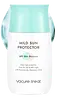
This sunscreen offers SPF 50 protection with a matte finish that helps control shine.
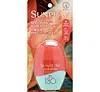
This hybrid sunscreen covers the full UV range and blocks ~99% of UVB at SPF 130.


What's inside
What's inside
 Key Ingredients
Benefits
Concerns
Ingredients Side-by-side
Water
Skin ConditioningCaprylyl Methicone
Skin Conditioning
Cyclopentasiloxane
Emollient
CI 77947
Methylpropanediol
SolventCI 77891
Cosmetic ColorantPolyglyceryl-3 Polydimethylsiloxyethyl Dimethicone
Skin Conditioning
Dibutyl Adipate
EmollientPolypropylsilsesquioxane
1,2-Hexanediol
Skin Conditioning
Niacinamide
Smoothing











Dimethicone/Vinyl Dimethicone Crosspolymer
Skin Conditioning
Maris Sal
Skin ConditioningDimethicone/Methicone Copolymer
Quaternium-18 Hectorite
Sorbitan Sesquioleate
Emulsifying



Aluminum Hydroxide
EmollientStearic Acid
Cleansing
Hydroxyacetophenone
Antioxidant
Sodium Methyl Stearoyl Taurate
CleansingParfum
Masking


Hydrogenated Macadamia Seed Oil
Skin Conditioning
Limnanthes Alba Seed Oil
Skin Conditioning
Hydrogenated Pistachio Seed Oil
Skin Conditioning
Simmondsia Chinensis Seed Wax
Skin Conditioning
Ethylhexylglycerin
Skin ConditioningBehenyl Alcohol
Emollient
Sodium Polyacryloyldimethyl Taurate
Emulsion StabilisingDisodium EDTA
Tocopherol
Antioxidant
Glycerin
Humectant
Hydrogenated Polydecene
EmollientDimethicone
Emollient
Butylene Glycol
Humectant
CI 77491
Cosmetic ColorantMagnesium Aspartate
Skin ConditioningZinc Gluconate
Skin Conditioning
Stearyl Alcohol
Emollient
Arachidyl Alcohol
Emollient
Caprylic/Capric Glycerides
EmollientPolyglyceryl-10 Myristate
Skin Conditioning
Caprylyl/Capryl Glucoside
CleansingHydrogenated Lecithin
Emulsifying
Phenoxyethanol
Preservative
Hydrogenated Phosphatidylcholine
Emulsifying
Sodium Hyaluronate
Humectant
Centella Asiatica Extract
Cleansing
Sucrose Stearate
EmollientCopper Gluconate
Skin Conditioning
Ceramide EOP
Skin Conditioning
Cetearyl Alcohol
Emollient
Triethoxycaprylylsilane
Sodium Hyaluronate Crosspolymer
Humectant
Potassium Hyaluronate
Skin ConditioningHydroxypropyltrimonium Hyaluronate
Hydrolyzed Sodium Hyaluronate
Skin Conditioning
Hydrolyzed Hyaluronic Acid
Humectant
Hyaluronic Acid
Humectant
Arginine
Masking
Carbomer
Emulsion StabilisingMadecassoside
Antioxidant
Madecassic Acid
Skin Conditioning
Asiaticoside
Antioxidant
Asiatic Acid
Skin Conditioning
Pentylene Glycol
Skin Conditioning
Sodium Acetylated Hyaluronate
Humectant
Water, Caprylyl Methicone, Cyclopentasiloxane, CI 77947, Methylpropanediol, CI 77891, Polyglyceryl-3 Polydimethylsiloxyethyl Dimethicone, Dibutyl Adipate, Polypropylsilsesquioxane, 1,2-Hexanediol, Niacinamide, Dimethicone/Vinyl Dimethicone Crosspolymer, Maris Sal, Dimethicone/Methicone Copolymer, Quaternium-18 Hectorite, Sorbitan Sesquioleate, Aluminum Hydroxide, Stearic Acid, Hydroxyacetophenone, Sodium Methyl Stearoyl Taurate, Parfum, Hydrogenated Macadamia Seed Oil, Limnanthes Alba Seed Oil, Hydrogenated Pistachio Seed Oil, Simmondsia Chinensis Seed Wax, Ethylhexylglycerin, Behenyl Alcohol, Sodium Polyacryloyldimethyl Taurate, Disodium EDTA, Tocopherol, Glycerin, Hydrogenated Polydecene, Dimethicone, Butylene Glycol, CI 77491, Magnesium Aspartate, Zinc Gluconate, Stearyl Alcohol, Arachidyl Alcohol, Caprylic/Capric Glycerides, Polyglyceryl-10 Myristate, Caprylyl/Capryl Glucoside, Hydrogenated Lecithin, Phenoxyethanol, Hydrogenated Phosphatidylcholine, Sodium Hyaluronate, Centella Asiatica Extract, Sucrose Stearate, Copper Gluconate, Ceramide EOP, Cetearyl Alcohol, Triethoxycaprylylsilane, Sodium Hyaluronate Crosspolymer, Potassium Hyaluronate, Hydroxypropyltrimonium Hyaluronate, Hydrolyzed Sodium Hyaluronate, Hydrolyzed Hyaluronic Acid, Hyaluronic Acid, Arginine, Carbomer, Madecassoside, Madecassic Acid, Asiaticoside, Asiatic Acid, Pentylene Glycol, Sodium Acetylated Hyaluronate
Water
Skin ConditioningCyclopentasiloxane
Emollient
Zinc Oxide
Cosmetic Colorant

Ethylhexyl Methoxycinnamate
UV Absorber
Dimethicone
Emollient
Isononyl Isononanoate
EmollientAlcohol
Antimicrobial

Triethylhexanoin
MaskingEthylhexyl Salicylate
UV Absorber
Polymethylsilsesquioxane
Titanium Dioxide
Cosmetic Colorant
Diethylamino Hydroxybenzoyl Hexyl Benzoate
UV Filter
Butylene Glycol
Humectant
Cetyl PEG/PPG-10/1 Dimethicone
Emulsifying
Polysilicone-15
UV Filter
Silica
Abrasive
PEG-10 Dimethicone
Skin Conditioning
Ethylhexyl Triazone
UV Absorber
Trimethylsiloxysilicate
Emollient
Triethoxycaprylylsilane
Polyhydroxystearic Acid
Emulsifying
Bis-Ethylhexyloxyphenol Methoxyphenyl Triazine
UV Absorber
Tocopheryl Acetate
Antioxidant
Methylparaben
Preservative
Disodium EDTA
Aloe Barbadensis Leaf Juice
Skin Conditioning
Propylene Glycol
Humectant
Caprylic/Capric Triglyceride
Masking
Sodium Hyaluronate
Humectant
Ectoin
Skin Conditioning
Laminaria Ochroleuca Extract
Skin Conditioning
Water, Cyclopentasiloxane, Zinc Oxide, Ethylhexyl Methoxycinnamate, Dimethicone, Isononyl Isononanoate, Alcohol, Triethylhexanoin, Ethylhexyl Salicylate, Polymethylsilsesquioxane, Titanium Dioxide, Diethylamino Hydroxybenzoyl Hexyl Benzoate, Butylene Glycol, Cetyl PEG/PPG-10/1 Dimethicone, Polysilicone-15, Silica, PEG-10 Dimethicone, Ethylhexyl Triazone, Trimethylsiloxysilicate, Triethoxycaprylylsilane, Polyhydroxystearic Acid, Bis-Ethylhexyloxyphenol Methoxyphenyl Triazine, Tocopheryl Acetate, Methylparaben, Disodium EDTA, Aloe Barbadensis Leaf Juice, Propylene Glycol, Caprylic/Capric Triglyceride, Sodium Hyaluronate, Ectoin, Laminaria Ochroleuca Extract
Reviews
Ingredients Explained
These ingredients are found in both products.
Ingredients higher up in an ingredient list are typically present in a larger amount.
Butylene Glycol (or BG) is used within cosmetic products for a few different reasons:
Overall, Butylene Glycol is a safe and well-rounded ingredient that works well with other ingredients.
Though this ingredient works well with most skin types, some people with sensitive skin may experience a reaction such as allergic rashes, closed comedones, or itchiness.
Learn more about Butylene GlycolCyclopentasiloxane (D5) is a lightweight silicone that mostly acts as an emollient and solvent in cosmetics. Its the reason your products feel silky, fast-spreading, and non-greasy.
Since D5 is volatile, it does its thing and then evaporates off the skin quickly.
The safety profile of this ingredient is reassuring; the US CIR Expert Panel concluded D5 is safe as used in cosmetics and Health Canada concluded that D5 is not harmful to human health or the environment as currently used in cosmetics
There's a study that people mention about D5 in a rat study showing tumors. This study is related to long-term inhalation of high D5 levels.
Regulatory bodies have judged this study to be not applicable in topical skincare since skin absorption of D5 is very low and we're not really inhaling huge amounts of D5.
The only restriction for this ingredient is environmental. The European Chemicals Agency (ECHA) restricted D5 in wash-off cosmetics at or above 0.1% due to their persistence in water.
Learn more about CyclopentasiloxaneDimethicone is a type of synthetic silicone created from natural materials such as quartz. It is also known as polydimethylsiloxane.
What it does:
Dimethicone comes in different viscosities:
Depending on the viscosity, dimethicone has different properties.
Ingredients lists don't always show which type is used, so we recommend reaching out to the brand if you have questions about the viscosity.
This ingredient is unlikely to cause irritation because it does not get absorbed into skin. However, people with silicone allergies should be careful about using this ingredient.
Note: Dimethicone may contribute to pilling. This is because it is not oil or water soluble, so pilling may occur when layered with products. When mixed with heavy oils in a formula, the outcome is also quite greasy.
Learn more about DimethiconeDisodium EDTA is a chelating agent. It grabs onto and deactivates metal ions that sneak into your products from water, packaging, or air.
This ingredient mainly works behind the scenes and helps with:
On top of that, this ingredient can counteract the effects of hard water by binding to the minerals in it.
One thing worth knowing is that Disodium EDTA has been shown to be a mild penetration enhancer. It can help other ingredients absorb into skin more effectively which can be a double-edged sword (great for actives, but can also make the active too strong if you have sensitive skin).
Clinical patch testing showed no significant skin irritation at typical use concentrations and minimal dermal absorption.
You'll most likely see this ingredient near the end of an ingredient list. It's typically found in concentrations less than 1%.
Learn more about Disodium EDTASodium Hyaluronate is the salt form of hyaluronic acid. It is a long sugar chain that is naturally found in your skin, joints, and connective tissue that maintains hydration and elasticity.
In skincare, it works as a humectant. It pulls water from the environment and deeper layers of skin and binds it to the surface.
Interestingly, the size of the molecule affects its behavior:
Some clinical evidence links low molecular weight versions to improved wrinkle depth, elasticity, anti-inflammatory effects, and barrier repair.
Many serums use a blend of both weights so you can get surface hydration plus longer-lasting and deeper effects.
You'll typically see concentrations between 0.1-2% for this ingredient.
Learn more about Sodium HyaluronateTriethoxycaprylylsilane is a silicon-based surface modifier that makes sunscreens feel silky and makeup stay put.
Its main job is to coat mineral particles like titanium dioxide, zinc oxide, and color pigments in a thin, oily layer so they spread smoothly, don't clump, and stick to skin better.
This ingredient is typically used at low levels (up to 2.5% in eyeshadow and 1% in lipstick).
Learn more about TriethoxycaprylylsilaneWater. It's the most common cosmetic ingredient of all. You'll usually see it at the top of ingredient lists, meaning that it makes up the largest part of the product.
So why is it so popular? Water most often acts as a solvent - this means that it helps dissolve other ingredients into the formulation.
You'll also recognize water as that liquid we all need to stay alive. If you see this, drink a glass of water. Remember to stay hydrated!
Learn more about Water