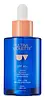
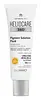
Ultra Violette Queen Screen Lightweight Skinscreen SPF50+ Versus HELIOCARE Pigment Solution Fluid SPF50 PA++++
This hybrid sunscreen covers the full UV range and blocks ~98% of UVB at SPF 50.
This hybrid sunscreen covers the full UV range and blocks ~98% of UVB at SPF 50.


What's inside
What's inside
 Key Ingredients
Benefits
Concerns
Ingredients Side-by-side
Water
Skin ConditioningCyclopentasiloxane
Emollient
Ethylhexyl Methoxycinnamate
UV Absorber


Cyclohexasiloxane
Emollient
Isostearyl Neopentanoate
Emollient

Ethylhexyl Salicylate
UV Absorber
Bis-Ethylhexyloxyphenol Methoxyphenyl Triazine
Skin Conditioning
Glycerin
Humectant


Lauryl PEG/PPG-18/18 Methicone
Skin Conditioning
Silica
Abrasive


Methylene Bis-Benzotriazolyl Tetramethylbutylphenol
UV Filter
Cetyl PEG/PPG-10/1 Dimethicone
Emulsifying
Cetyl Dimethicone
Emollient
Hydroxyacetophenone
Antioxidant
Polymethyl Methacrylate
Saccharide Isomerate
Humectant
Benzyl Alcohol
Perfuming




Phenoxyethanol
Preservative
Mica
Cosmetic ColorantParfum
Masking
Decyl Glucoside
Cleansing
Sodium Laureth Sulfate
Cleansing

Aminomethyl Propanol
BufferingTitanium Dioxide
Cosmetic Colorant
Terminalia Ferdinandiana Fruit Extract
Antioxidant
Propylene Glycol
Humectant
Xanthan Gum
EmulsifyingCitric Acid
Buffering

Sodium Chloride
MaskingGeraniol
Perfuming
Citronellol
Perfuming
Linalool
Perfuming
Eugenol
Perfuming
CI 77491
Cosmetic ColorantCI 77492
Cosmetic ColorantCI 77499
Cosmetic ColorantWater, Cyclopentasiloxane, Ethylhexyl Methoxycinnamate, Cyclohexasiloxane, Isostearyl Neopentanoate, Ethylhexyl Salicylate, Bis-Ethylhexyloxyphenol Methoxyphenyl Triazine, Glycerin, Lauryl PEG/PPG-18/18 Methicone, Silica, Methylene Bis-Benzotriazolyl Tetramethylbutylphenol, Cetyl PEG/PPG-10/1 Dimethicone, Cetyl Dimethicone, Hydroxyacetophenone, Polymethyl Methacrylate, Saccharide Isomerate, Benzyl Alcohol, Phenoxyethanol, Mica, Parfum, Decyl Glucoside, Sodium Laureth Sulfate, Aminomethyl Propanol, Titanium Dioxide, Terminalia Ferdinandiana Fruit Extract, Propylene Glycol, Xanthan Gum, Citric Acid, Sodium Chloride, Geraniol, Citronellol, Linalool, Eugenol, CI 77491, CI 77492, CI 77499
Water
Skin ConditioningIsododecane
EmollientCyclopentasiloxane
Emollient
Ethylhexyl Salicylate
UV Absorber
Trisiloxane
Skin Conditioning
Zinc Oxide
Cosmetic Colorant
Diisopropyl Adipate
EmollientCaprylyl Methicone
Skin Conditioning
Titanium Dioxide
Cosmetic Colorant
Niacinamide
Smoothing





Diethylhexyl Carbonate
EmollientPhenethyl Benzoate
Emollient
Butylene Glycol
Humectant
PEG-9 Polydimethylsiloxyethyl Dimethicone
Emulsifying
Tris-Biphenyl Triazine
UV Absorber
Styrene/Acrylates Copolymer
Isononyl Isononanoate
EmollientCetyl PEG/PPG-10/1 Dimethicone
Emulsifying
Polyglyceryl-3 Polydimethylsiloxyethyl Dimethicone
Skin Conditioning
Diethylamino Hydroxybenzoyl Hexyl Benzoate
UV Filter
Bis-Ethylhexyloxyphenol Methoxyphenyl Triazine
Skin Conditioning
Polymethylsilsesquioxane
Polypodium Leucotomos Leaf Extract
Skin Protecting
Punica Granatum Extract
AstringentSodium Hyaluronate
Humectant
Glycerin
Humectant
Trehalose
Humectant
Urea
Buffering
Serine
Masking
Plankton Extract
Skin ConditioningAscorbic Acid
Antioxidant
Citric Acid
Buffering
Disteardimonium Hectorite
StabilisingAluminum Hydroxide
EmollientStearic Acid
Cleansing

Ethylhexyl Triazone
UV Absorber
Phenylpropanol
Masking
Magnesium Sulfate
Propylene Glycol
Humectant
Caprylyl Glycol
Emollient
Propanediol
Solvent
Tocopheryl Acetate
Antioxidant
Pentylene Glycol
Skin Conditioning
Triethoxycaprylylsilane
PEG-8
HumectantTocopherol
Antioxidant
Glyceryl Polyacrylate
Algin
Masking
Pullulan
Disodium Phosphate
BufferingLecithin
Emollient
Ascorbyl Palmitate
Antioxidant
Potassium Phosphate
BufferingPropylene Carbonate
SolventDisodium EDTA
Phenoxyethanol
Preservative
Parfum
Masking
Linalool
Perfuming
Limonene
Perfuming
CI 77492
Cosmetic ColorantCI 77491
Cosmetic ColorantCI 77499
Cosmetic ColorantWater, Isododecane, Cyclopentasiloxane, Ethylhexyl Salicylate, Trisiloxane, Zinc Oxide, Diisopropyl Adipate, Caprylyl Methicone, Titanium Dioxide, Niacinamide, Diethylhexyl Carbonate, Phenethyl Benzoate, Butylene Glycol, PEG-9 Polydimethylsiloxyethyl Dimethicone, Tris-Biphenyl Triazine, Styrene/Acrylates Copolymer, Isononyl Isononanoate, Cetyl PEG/PPG-10/1 Dimethicone, Polyglyceryl-3 Polydimethylsiloxyethyl Dimethicone, Diethylamino Hydroxybenzoyl Hexyl Benzoate, Bis-Ethylhexyloxyphenol Methoxyphenyl Triazine, Polymethylsilsesquioxane, Polypodium Leucotomos Leaf Extract, Punica Granatum Extract, Sodium Hyaluronate, Glycerin, Trehalose, Urea, Serine, Plankton Extract, Ascorbic Acid, Citric Acid, Disteardimonium Hectorite, Aluminum Hydroxide, Stearic Acid, Ethylhexyl Triazone, Phenylpropanol, Magnesium Sulfate, Propylene Glycol, Caprylyl Glycol, Propanediol, Tocopheryl Acetate, Pentylene Glycol, Triethoxycaprylylsilane, PEG-8, Tocopherol, Glyceryl Polyacrylate, Algin, Pullulan, Disodium Phosphate, Lecithin, Ascorbyl Palmitate, Potassium Phosphate, Propylene Carbonate, Disodium EDTA, Phenoxyethanol, Parfum, Linalool, Limonene, CI 77492, CI 77491, CI 77499
Reviews
Ingredients Explained
These ingredients are found in both products.
Ingredients higher up in an ingredient list are typically present in a larger amount.
This ingredient is better known as bemotrizinol or Tinosorb S and is one of the best broad-spectrum UV filters in modern sunscreen.
It works by absorbing UV light across a whole range (280-400 nm) with peaks around 310 nm (UVB) and 340-345 nm (UVA). This means it covers UVB plus the deeper UVA wavelengths that drive photoaging and pigmentation.
Another pro?
It's exceptionally photostable, barely degrades in sunlight, and acts as a "bodyguard" for less stable filters.
That's why you'll see it paired with avobenzone or octinoxate; this team up ensures they keep working through sun exposure.
Safety reviews have been reassuring across the board. This ingredient shows low absorption through the skin, rarely irritates, and lab studies found it doesn't act like a hormone in the body (a concern that's been raised about some older sunscreen filters).
On maximum concentrations:
In 2026, the US F.D.A finally added it as an OTC sunscreen ingredient at concentrations up to 6% for adults / children 6 months and older
Learn more about Bis-Ethylhexyloxyphenol Methoxyphenyl TriazineThis ingredient is a silicone-based emulsifer that helps the water and oil phases play nicely together.
It's pretty effective because one end of the molecule loves oil and the other one loves water.
Besides holding formulas together, it also leaves a silky and lightweight feel on skin without the greasiness. A manufacturer also claims it can help with the controlled release of active ingredients.
The CIR Expert Panel found this ingredient to not be sensitizing in concentrations up to 15% in human maximazation testing and dimethicone-based compounds were not comedogenic.
It has a high molecular weight well above 1,000 g/mol which means it limits meaningful skin penetration.
A 2019 study specifically tested this ingredient and found no observable Malassezia growth in its presence.
Learn more about Cetyl PEG/PPG-10/1 DimethiconeCi 77491 is also hydrated iron III oxide. It's sole purpose is to give a red/pink hue to products.
Iron III oxides are classified as inorganic chemicals for coloring.
Synthetically created Ci 77491 is considered safer than those naturally found. This is because the synthetically created version may contain less impurities. Iron oxides are generally non-toxic and non-allergenic.
Learn more about CI 77491CI 77492 is also hydrated iron III oxide. It's sole purpose is to give a yellow hue to products.
Iron III oxides are classified as inorganic chemicals for coloring.
Synthetically created CI 77492 is considered safer than those naturally found. This is because the synthetically created version may contain less impurities. Iron oxides are generally non-toxic and non-allergenic.
Learn more about CI 77492Ci 77499 is also hydrated iron III oxide. It is created from mixing red and black iron oxides. This helps give shades of darkness to a product.
Iron III oxides are classified as inorganic chemicals for coloring.
Citric Acid is an alpha hydroxy acid (AHA) naturally found in citrus fruits like oranges, lemons, and limes.
Like other AHAs, citric acid can exfoliate skin by breaking down the bonds that hold dead skin cells together. This helps reveal smoother and brighter skin underneath.
However, this exfoliating effect only happens at high concentrations (20%) which can be hard to find in cosmetic products.
Due to this, citric acid is usually included in small amounts as a pH adjuster. This helps keep products slightly more acidic and compatible with skin's natural pH.
In skincare formulas, citric acid can:
While it can provide some skin benefits, research shows lactic acid and glycolic acid are generally more effective and less irritating exfoliants.
Most citric acid used in skincare today is made by fermenting sugars (usually from molasses). This synthetic version is identical to the natural citrus form but easier to stabilize and use in formulations.
Read more about some other popular AHA's here:
Learn more about Citric AcidCyclopentasiloxane (D5) is a lightweight silicone that mostly acts as an emollient and solvent in cosmetics. Its the reason your products feel silky, fast-spreading, and non-greasy.
Since D5 is volatile, it does its thing and then evaporates off the skin quickly.
The safety profile of this ingredient is reassuring; the US CIR Expert Panel concluded D5 is safe as used in cosmetics and Health Canada concluded that D5 is not harmful to human health or the environment as currently used in cosmetics
There's a study that people mention about D5 in a rat study showing tumors. This study is related to long-term inhalation of high D5 levels.
Regulatory bodies have judged this study to be not applicable in topical skincare since skin absorption of D5 is very low and we're not really inhaling huge amounts of D5.
The only restriction for this ingredient is environmental. The European Chemicals Agency (ECHA) restricted D5 in wash-off cosmetics at or above 0.1% due to their persistence in water.
Learn more about CyclopentasiloxaneEthylhexyl Salicylate (also called Octisalate or Octyl Salicylate) is an oil-soluble organic UV filter that's been used in sunscreen since the 1950's.
It absorbs UVB light in the 280-320 nm range with a peak absorbance around 306 nm.
You'll often see it paired with other UV filters to boost overall SPF because octisalate is a fairly week filter on its own.
The reason you'll see it so often is because it can help solubilize and stabilize the trickier filters like oxybenzone and avobenzone.
Unlike these filters, octisalate has pretty good photostability and doesn't create skin-damaging free radicals when exposed to sunlight.
The fatty-alcohol part of the molecule also gives it a light, emollient feel so it doubles as a nice texture enhancer.
Usage levels vary around the world:
Safety-wise, this ingredient has a pretty reassuring track record. The EU's Scientific Committee on Consumer Products (SCCP) found very low skin penetration in human skin tests and negative results for irritation, phototoxicity, and photoallergy.
The real-world allergy risk is pretty low too; a 2012 European study of 1,031 people recorded only 2 reactions to it (a rate of 0.19%).
You might have seen scary headlines about sunscreen getting into your blood.
In 2019, the FDA found that several chemical filters can absorb through the skin and show up in the bloodstream at small but measurable levels.
Here's the important part: these tiny levels are just a cutoff the FDA uses to decide which ingredients need more testing and doesn't mean anything harmful was found.
The researchers were clear that the results are no reason to stop wearing sunscreen.
Learn more about Ethylhexyl SalicylateGlycerin (or glycerol) is a compound naturally found in your skin. It's a powerhouse humectant that pulls water into the stratum corneum.
Topically, glycerin does several things at once:
Your skin makes glycerin on its own (mostly from sebaceous oil breakdown) and shuttles it to your outermost layer of skin, or your epidermis, via aquaporin-3.
Aquaporin-3 is a transporter that is essential for normal skin hydration, elasticity, and repair. Interestingly, mice lacking in AQP3 have dry and less elastic skin that can be fully corrected with glycerin.
This ingredient is non-irritating, plays well with almost every ingredient, and works across all skin types. Typical use is anywhere between 3-10% but can go up to 79% in some leave-on products.
Just know very high concentrations (>40%) can feel tacky in low humidity.
Glycerin is the name for this ingredient in American English. British English uses Glycerol/Glycerine.
Learn more about GlycerinLinalool is a fragrance and helps add scent to products. It's derived from common plants such as cinnamon, mint, citrus, and lavender.
Like Limonene, this ingredient oxidizes when exposed to air. Oxidized linalool can cause allergies and skin sensitivity.
This ingredient has a scent that is floral, spicy tropical, and citrus-like.
Learn more about LinaloolParfum is a catch-all term for an ingredient or more that is used to give a scent to products.
Also called "fragrance", this ingredient can be a blend of hundreds of chemicals or plant oils. This means every product with "fragrance" or "parfum" in the ingredients list is a different mixture.
For instance, Habanolide is a proprietary trade name for a specific aroma chemical. When used as a fragrance ingredient in cosmetics, most aroma chemicals fall under the broad labeling category of “FRAGRANCE” or “PARFUM” according to EU and US regulations.
The term 'parfum' or 'fragrance' is not regulated in many countries. In many cases, it is up to the brand to define this term.
For instance, many brands choose to label themselves as "fragrance-free" because they are not using synthetic fragrances. However, their products may still contain ingredients such as essential oils that are considered a fragrance by INCI standards.
One example is Calendula flower extract. Calendula is an essential oil that still imparts a scent or 'fragrance'.
Depending on the blend, the ingredients in the mixture can cause allergies and sensitivities on the skin. Some ingredients that are known EU allergens include linalool and citronellol.
Parfum can also be used to mask or cover an unpleasant scent.
The bottom line is: not all fragrances/parfum/ingredients are created equally. If you are worried about fragrances, we recommend taking a closer look at an ingredient. And of course, we always recommend speaking with a professional.
Learn more about ParfumPhenoxyethanol is one of the most widely used preservatives in skincare (and for good reason!).
It has a large spectrum of antimicrobial activity and especially effective bacteria, yeast, and mold while only having a weak effect on your skin's natural microbiome.
On a cellular level, it disrupts the cell membranes of microbes by poking holes that make the cell leak. This shuts down the chemical reactions the microbe needs to make energy so it can no longer survive.
Another perk of this ingredient is that it stays functional across a wide pH range (3-10).
You'll often see it paired with boosters like Ethylhexylglycerin; one study showed that a 1:9 ratio of Ethylhexylglycerin to Phenoxyethanol damages bacterial membranes as effectively as doubling the Phenoxyethanol concentration on its own.
Typical use concentrations range from 0.3-1% depending on the formula, and this ingredient is capped at 1% int the EU.
Safety-wise, the fear mongering does not hold up to the evidence. The EU's Scientific Committee on Consumer Safety and FDA consider it safe as a preservative at up to 1%, including for children of all ages.
Adverse systemic effects only showed up in animal studies at exposures roughly 200x higher than what people get from cosmetics. And despite its very widespread use, this ingredient is a rare sensitizer and allergic reactions are uncommon.
Learn more about PhenoxyethanolPropylene Glycol is a synthetic, colorless, odorless liquid that has been a staple in cosmetics for decades. It is a skin conditioning agent, humectant, and solvent.
As a humectant, it draw water to the skin to reduce flaking and restore suppleness. It's also a solvent that helps dissolve other actives and keeps formulas stable across temperature changes.
The CIR Expert Panel has confirmed this ingredient to be nontoxic and clinical studies show no sensitization at cosmetic use concentrations.
True allergic reactions are quite rare: a 15-year retrospective study of 6,751 patients found only 0.31% had a positive reaction (and less than half were considered clinically relevant).
It seemed that when sensitization does occur, it's most commonly linked to topical medication (like corticosteroids) and not cosmetics. Allergic contact dermatitis also appears largely limited to individuals with underlying skin conditions.
Overall, propylene glycol is a well-studied ingredient that most people can tolerate without issue.
Learn more about Propylene GlycolTitanium Dioxide (TD) is a mineral UV filter widely used in sunscreens and cosmetics.
It's one of only two UV filters officially classified as "mineral" by regulatory agencies (the other being Zinc Oxide).
A really common myth is that mineral filters work by reflecting UV light off your skin like tiny mirrors.
They don't only do that; modern research shows TD protects mostly by absorbing UV radiation, the same way chemical filters do.
When researchers measured this, reflection accounted for only about 4-5% of the protection (and less than SPF 2 on its own). The other ~95% comes from absorption: the UV photons hit the particle and their energy gets soaked up by its semiconductor band gap rather than bouncing off.
So "reflects vs. absorbs" was never really the right way to split mineral from chemical filters.
TD gives broad-spectrum protection that's strongest in the UVB and UVA-2 range and weaker in the UVA-1 range. Its UVA protection isn't quite as strong as Zinc Oxide's which is why you'll often see the two paired together.
Together, they make a solid broad-spectrum system.
TD is a great pick for sensitive, acne-prone, or redness-prone skin because it's non-irritating and chemically inert. Regulatory reviews classify it as a non-sensitizer and mild-to-non-irritant.
It's also unlikely to cause the "eye sting" some chemical filters are known for.
The main trade-off is cosmetic; TD can leave a white cast and has a thicker texture. This is why mineral sunscreens are often less cosmetically elegant than chemical or hybrid formulas (and harder to shade-match on deeper skin tones).
Formulators often use micronized or nano-sized TD to cut down on white case and improve spreadability. Smaller particles scatter less visible light so the formula looks less chalky while still filtering UV.
TD is almost always bundled with coatings like Alumina, Silica, Stearic Acid, or Dimethicone. These coatings do two important jobs:
TD can be used at up to 25% in a finished sunscreen; this is the regulatory ceiling in both the US and the EU.
In practice, the amount in any given product varies a lot depending on the target SPF and whether it's paired with other UV filters.
TD is one of the most heavily vetted sunscreen ingredients out there. It is approved as a UV filter in all major markets worldwide, including the US, EU, UK, Japan, Korea, China, Australia, and Canada.
The safety evidence is solid. There was an old worry that nano particles might absorb through skin into the body but multiple studies (including on damaged, sunburned, and UV-irradiated skin) have shown that TD stays on the surface and the layer of dead skin cells on top of everything else.
There's also no evidence of carcinogenicity, mutagenicity, or reproductive toxicity from dermal exposure of this ingredient.
For those who have seen the headline about a 2022 EU ban on TD, that was on TD as a food additive (a complete separate use from topical sunscreen).
There are ongoing questions about how nano-TD might affect marine ecosystems. As of now, there has been no conclusive evidence that any form of TD (or any other sunscreen filter) harms coral reefs or marine life.
The science is still developing and it's a space worth watching rather than packing over.
However, several destinations have reef-safety sunscreen rules that restrict certain chemical filters and steer visitors toward mineral, non-nano options. If you're traveling somewhere with these rules, a non-nano mineral sunscreen is the safe bet.
Learn more about Titanium DioxideWater. It's the most common cosmetic ingredient of all. You'll usually see it at the top of ingredient lists, meaning that it makes up the largest part of the product.
So why is it so popular? Water most often acts as a solvent - this means that it helps dissolve other ingredients into the formulation.
You'll also recognize water as that liquid we all need to stay alive. If you see this, drink a glass of water. Remember to stay hydrated!
Learn more about Water

