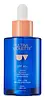
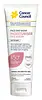
Ultra Violette Queen Screen Lightweight Skinscreen SPF50+ Versus Cancer Council Face Daywear Moisturiser Invisible SPF50+
This hybrid sunscreen covers the full UV range and blocks ~98% of UVB at SPF 50.
This chemical sunscreen covers most of the UV range, lighter on the deep UVA that drives aging.

What's inside
What's inside
 Key Ingredients
Benefits
Concerns
Ingredients Side-by-side
Water
Skin ConditioningCyclopentasiloxane
Emollient
Ethylhexyl Methoxycinnamate
UV Absorber


Cyclohexasiloxane
Emollient
Isostearyl Neopentanoate
Emollient

Ethylhexyl Salicylate
UV Absorber
Bis-Ethylhexyloxyphenol Methoxyphenyl Triazine
UV Absorber
Glycerin
Humectant


Lauryl PEG/PPG-18/18 Methicone
Skin Conditioning
Silica
Abrasive


Methylene Bis-Benzotriazolyl Tetramethylbutylphenol
UV Filter
Cetyl PEG/PPG-10/1 Dimethicone
Emulsifying
Cetyl Dimethicone
Emollient
Hydroxyacetophenone
Antioxidant
Polymethyl Methacrylate
Saccharide Isomerate
Humectant
Benzyl Alcohol
Perfuming




Phenoxyethanol
Preservative
Mica
Cosmetic ColorantParfum
Masking
Decyl Glucoside
Cleansing
Sodium Laureth Sulfate
Cleansing

Aminomethyl Propanol
BufferingTitanium Dioxide
Cosmetic Colorant
Terminalia Ferdinandiana Fruit Extract
Antioxidant
Propylene Glycol
Humectant
Xanthan Gum
EmulsifyingCitric Acid
Buffering

Sodium Chloride
MaskingGeraniol
Perfuming
Citronellol
Perfuming
Linalool
Perfuming
Eugenol
Perfuming
CI 77491
Cosmetic ColorantCI 77492
Cosmetic ColorantCI 77499
Cosmetic ColorantWater, Cyclopentasiloxane, Ethylhexyl Methoxycinnamate, Cyclohexasiloxane, Isostearyl Neopentanoate, Ethylhexyl Salicylate, Bis-Ethylhexyloxyphenol Methoxyphenyl Triazine, Glycerin, Lauryl PEG/PPG-18/18 Methicone, Silica, Methylene Bis-Benzotriazolyl Tetramethylbutylphenol, Cetyl PEG/PPG-10/1 Dimethicone, Cetyl Dimethicone, Hydroxyacetophenone, Polymethyl Methacrylate, Saccharide Isomerate, Benzyl Alcohol, Phenoxyethanol, Mica, Parfum, Decyl Glucoside, Sodium Laureth Sulfate, Aminomethyl Propanol, Titanium Dioxide, Terminalia Ferdinandiana Fruit Extract, Propylene Glycol, Xanthan Gum, Citric Acid, Sodium Chloride, Geraniol, Citronellol, Linalool, Eugenol, CI 77491, CI 77492, CI 77499
Octocrylene 3%
UV Absorber
Butyl Methoxydibenzoylmethane 3%
UV Absorber
4-Methylbenzylidene Camphor 2%
UV Absorber
Ethylhexyl Triazone 2%
UV Absorber
Aloe Barbadensis Leaf Juice
Skin Conditioning
Magnesium Aluminum Silicate
Absorbent
Cetearyl Alcohol
Emollient


Dimethicone
Emollient
Tocopheryl Acetate
Antioxidant
Tetrasodium EDTA
Hydroxyacetophenone
Antioxidant
Isopropyl Palmitate
Emollient
Neopentyl Glycol Diheptanoate
EmollientPhenoxyethanol
Preservative
Polyglyceryl-3 Diisostearate
Emulsifying
Water
Skin ConditioningSilica
Abrasive
Stearic Acid
Cleansing
Triethanolamine
BufferingXanthan Gum
EmulsifyingOctocrylene 3%, Butyl Methoxydibenzoylmethane 3%, 4-Methylbenzylidene Camphor 2%, Ethylhexyl Triazone 2%, Aloe Barbadensis Leaf Juice, Magnesium Aluminum Silicate, Cetearyl Alcohol, Dimethicone, Tocopheryl Acetate, Tetrasodium EDTA, Hydroxyacetophenone, Isopropyl Palmitate, Neopentyl Glycol Diheptanoate, Phenoxyethanol, Polyglyceryl-3 Diisostearate, Water, Silica, Stearic Acid, Triethanolamine, Xanthan Gum
Reviews
Ingredients Explained
These ingredients are found in both products.
Ingredients higher up in an ingredient list are typically present in a larger amount.
Hydroxyacetophenone is a small phenolic molecule that earns its place in a formulas as an antioxidant and preservative booster.
As a phenol, it is able to neutralize free radicals to protect both the product and the skin from oxidative stress.
Though it can't kill microbes on its own, it works as a good supporting agent when combined with other preservatives like Phenoxyethanol or 1,2-Hexanediol.
This ingredient naturally occurs as piceol in Norwegian spruce needles (~0.4-1.1% dry weight and in cloudberries). Though the cosmetic-grade material is synthesized for purity and consistency.
You'll usually see it used at low levels and suppliers recommend up to 1% added to a water phase.
Safety testing was done at concentrations like 0.05% in SPF products and 0.5% in a Human Repeated Insult Patch Test. The safety evidence is assuring; this ingredient is safe for cosmetics in current use and also holds safety status as a food flavoring as well.
An honest caveat: the "soothing" and "anti-inflammatory" claims come mostly from supplier marketing rather than published clinical trials. The Cosmetic Ingredient Review's own literature search found no useful efficacy studies on this ingredient.
So the antioxidant and preservative-boosting roles are the well supported ones while the calming benefit is plausible but thinly evidenced.
Overall, this is a well-tolerated, low-irritation multitasker that quietly helps a formula stay fresh and stable.
Learn more about HydroxyacetophenonePhenoxyethanol is one of the most widely used preservatives in skincare (and for good reason!).
It has a large spectrum of antimicrobial activity and especially effective bacteria, yeast, and mold while only having a weak effect on your skin's natural microbiome.
On a cellular level, it disrupts the cell membranes of microbes by poking holes that make the cell leak. This shuts down the chemical reactions the microbe needs to make energy so it can no longer survive.
Another perk of this ingredient is that it stays functional across a wide pH range (3-10).
You'll often see it paired with boosters like Ethylhexylglycerin; one study showed that a 1:9 ratio of Ethylhexylglycerin to Phenoxyethanol damages bacterial membranes as effectively as doubling the Phenoxyethanol concentration on its own.
Typical use concentrations range from 0.3-1% depending on the formula, and this ingredient is capped at 1% int the EU.
Safety-wise, the fear mongering does not hold up to the evidence. The EU's Scientific Committee on Consumer Safety and FDA consider it safe as a preservative at up to 1%, including for children of all ages.
Adverse systemic effects only showed up in animal studies at exposures roughly 200x higher than what people get from cosmetics. And despite its very widespread use, this ingredient is a rare sensitizer and allergic reactions are uncommon.
Learn more about PhenoxyethanolSilica, also known as silicon dioxide, is a naturally occurring mineral. It is used as a fine, spherical, and porous powder in cosmetics.
Though it has exfoliant properties, the function of silica varies depending on the product.
The unique structure of silica enhances the spreadability and adds smoothness, making it a great texture enhancer.
It is also used as an active carrier, emulsifier, and mattifier due to its ability to absorb excess oil.
In some products, tiny microneedles called spicules are made from silica or hydrolyzed sponge. When you rub them in, they lightly polish away dead skin layers and enhance the penetration of active ingredients.
Learn more about SilicaWater. It's the most common cosmetic ingredient of all. You'll usually see it at the top of ingredient lists, meaning that it makes up the largest part of the product.
So why is it so popular? Water most often acts as a solvent - this means that it helps dissolve other ingredients into the formulation.
You'll also recognize water as that liquid we all need to stay alive. If you see this, drink a glass of water. Remember to stay hydrated!
Learn more about WaterXanthan gum is used as a stabilizer and thickener within cosmetic products. It helps give products a sticky, thick feeling - preventing them from being too runny.
On the technical side of things, xanthan gum is a polysaccharide - a combination consisting of multiple sugar molecules bonded together.
Xanthan gum is a pretty common and great ingredient. It is a natural, non-toxic, non-irritating ingredient that is also commonly used in food products.
Learn more about Xanthan Gum

