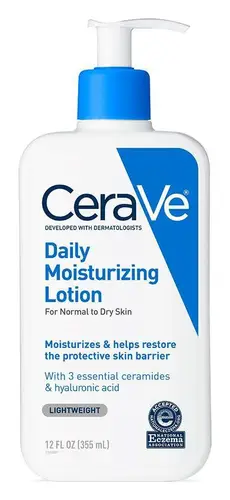
What's inside
What's inside
 Key Ingredients
Benefits
Concerns
Ingredients Side-by-side
Water
Skin ConditioningCaprylic/Capric Triglyceride
Masking


Niacinamide
Smoothing










Squalane
Emollient
Glycerin
Humectant
Pentylene Glycol
Skin Conditioning
Cetearyl Alcohol
Emollient



Capryloyl Glycerin/Sebacic Acid Copolymer
Skin ConditioningButyrospermum Parkii Butter
Skin Conditioning
Diheptyl Succinate
EmollientGlyceryl Stearate
Emollient
Sorbitan Stearate
Emulsifying
Oenothera Biennis Oil
Emollient
Madecassoside
Antioxidant
Angelica Polymorpha Sinensis Root Extract
Skin ConditioningRheum Palmatum Root Extract
Astringent
Astragalus Membranaceus Extract
Antioxidant
Curcuma Longa Root Extract
Masking
Arnica Montana Flower Extract
Masking
Avena Sativa Kernel Flour
Abrasive
Glycyrrhiza Glabra Root Extract
Bleaching
Sodium Hyaluronate
Humectant
Phytosphingosine
Skin Conditioning
Sodium PCA
Humectant
Ceramide EOP
Skin Conditioning
Ceramide AP
Skin Conditioning
Ceramide NP
Skin Conditioning
Alanine
Masking
Serine
Masking
Aspartic Acid
Masking
Valine
MaskingThreonine
Proline
Skin Conditioning
Arginine
Masking
Phenylalanine
Masking
Histidine
Humectant
Palmitic Acid
Emollient
Isoleucine
Skin ConditioningPCA
Humectant
Lauroyl Lysine
Skin Conditioning
Tocopherol
Antioxidant
Cholesterol
Emollient
Stearic Acid
Cleansing
Sodium Lactate
Buffering
Propylene Glycol
Humectant

Ethylhexylglycerin
Skin ConditioningHydroxyethyl Acrylate/Sodium Acryloyldimethyl Taurate Copolymer
Emulsion StabilisingCetearyl Glucoside
Emulsifying
Sodium Lauroyl Lactylate
EmulsifyingCarbomer
Emulsion StabilisingXanthan Gum
EmulsifyingPhenoxyethanol
Preservative
Water, Caprylic/Capric Triglyceride, Niacinamide, Squalane, Glycerin, Pentylene Glycol, Cetearyl Alcohol, Capryloyl Glycerin/Sebacic Acid Copolymer, Butyrospermum Parkii Butter, Diheptyl Succinate, Glyceryl Stearate, Sorbitan Stearate, Oenothera Biennis Oil, Madecassoside, Angelica Polymorpha Sinensis Root Extract, Rheum Palmatum Root Extract, Astragalus Membranaceus Extract, Curcuma Longa Root Extract, Arnica Montana Flower Extract, Avena Sativa Kernel Flour, Glycyrrhiza Glabra Root Extract, Sodium Hyaluronate, Phytosphingosine, Sodium PCA, Ceramide EOP, Ceramide AP, Ceramide NP, Alanine, Serine, Aspartic Acid, Valine, Threonine, Proline, Arginine, Phenylalanine, Histidine, Palmitic Acid, Isoleucine, PCA, Lauroyl Lysine, Tocopherol, Cholesterol, Stearic Acid, Sodium Lactate, Propylene Glycol, Ethylhexylglycerin, Hydroxyethyl Acrylate/Sodium Acryloyldimethyl Taurate Copolymer, Cetearyl Glucoside, Sodium Lauroyl Lactylate, Carbomer, Xanthan Gum, Phenoxyethanol
Water
Skin ConditioningHydrogenated Polyisobutene
EmollientDimethicone 1%
Emollient
Glycerin
Humectant
Butyrospermum Parkii Butter
Skin Conditioning
Panthenol
Skin Conditioning
Aluminum Starch Octenylsuccinate
Absorbent
Butylene Glycol
Humectant
Propanediol
Solvent
Cetyl PEG/PPG-10/1 Dimethicone
Emulsifying
Trihydroxystearin
Skin Conditioning
Zinc Gluconate
Skin Conditioning
Madecassoside
Antioxidant
Manganese Gluconate
Skin ConditioningSilica
Abrasive
Aluminum Hydroxide
EmollientMagnesium Sulfate
Disodium EDTA
Copper Gluconate
Skin Conditioning
Citric Acid
Buffering
Acetylated Glycol Stearate
Emollient
Polyglyceryl-4 Isostearate
Emulsifying
Tocopherol
Antioxidant
Pentaerythrityl Tetra-Di-T-Butyl Hydroxyhydrocinnamate
Antioxidant
Sodium Benzoate
Masking
Phenoxyethanol
Preservative
Chlorhexidine Digluconate
Antimicrobial
Titanium Dioxide
Cosmetic Colorant

Water, Hydrogenated Polyisobutene, Dimethicone 1%, Glycerin, Butyrospermum Parkii Butter, Panthenol, Aluminum Starch Octenylsuccinate, Butylene Glycol, Propanediol, Cetyl PEG/PPG-10/1 Dimethicone, Trihydroxystearin, Zinc Gluconate, Madecassoside, Manganese Gluconate, Silica, Aluminum Hydroxide, Magnesium Sulfate, Disodium EDTA, Copper Gluconate, Citric Acid, Acetylated Glycol Stearate, Polyglyceryl-4 Isostearate, Tocopherol, Pentaerythrityl Tetra-Di-T-Butyl Hydroxyhydrocinnamate, Sodium Benzoate, Phenoxyethanol, Chlorhexidine Digluconate, Titanium Dioxide
Reviews
Alternatives
Ingredients Explained
These ingredients are found in both products.
Ingredients higher up in an ingredient list are typically present in a larger amount.
This ingredient is also known as shea butter. It is a plant-derived extract from the nuts of the Africa shea tree and one of the most well-studied emollients.
Because it has a high concentration of fatty acids (primarily oleic, stearic, and linoleic) it is able to form a protective barrier on the skin's surface. This helps seal in moisture and prevents transepidermal water loss (TEWL).
In vitro research found an increase in skin hydration by 58% and a decrease in TEWL by 37.8% after 24 hours of applying this ingredient (pretty impressive for a single ingredient!).
Besides hydration, shea butter also contains triterpenes that have anti-inflammatory potential. In particule, lupeol cinnamate has shown the highest anti-inflammatory activity in vivo.
Shea butter also contains vitamins A and E which may contribute to antioxidant activity.
While Shea Butter has an SPF rating of about 3-4, it is not a sunscreen replacement.
This ingredient may not be fungal acne safe because its fatty acids fall within the C11-C24 range that the Malassezia yeast can metabolize.
Learn more about Butyrospermum Parkii ButterGlycerin (or glycerol) is a compound naturally found in your skin. It's a powerhouse humectant that pulls water into the stratum corneum.
Topically, glycerin does several things at once:
Your skin makes glycerin on its own (mostly from sebaceous oil breakdown) and shuttles it to your outermost layer of skin, or your epidermis, via aquaporin-3.
Aquaporin-3 is a transporter that is essential for normal skin hydration, elasticity, and repair. Interestingly, mice lacking in AQP3 have dry and less elastic skin that can be fully corrected with glycerin.
This ingredient is non-irritating, plays well with almost every ingredient, and works across all skin types. Typical use is anywhere between 3-10% but can go up to 79% in some leave-on products.
Just know very high concentrations (>40%) can feel tacky in low humidity.
Glycerin is the name for this ingredient in American English. British English uses Glycerol/Glycerine.
Learn more about GlycerinMadecassoside is one of four active compounds found in Centella asiatica and is one of the main reasons Centella is so effective at calming irritated skin and supporting the moisture barrier.
There's a solid body of peer-reviewed research backing Madecassoside for several skin benefits. Studies have found:
Madecassoside pairs well with other hydrating or antioxidant ingredients like Ascorbic Acid or Hyaluronic Acid.
Learn more about MadecassosidePhenoxyethanol is a preservative that has germicide, antimicrobial, and aromatic properties. Studies show that phenoxyethanol can prevent microbial growth. By itself, it has a scent that is similar to that of a rose.
It's often used in formulations along with Caprylyl Glycol to preserve the shelf life of products.
Tocopherol is a fat-soluble antioxidant known as Vitamin E.
You'll find this ingredient in the vast majority of skincare (for good reason). It works to neutralize free radicals, or unstable molecules generated by UV exposure, pollution, and other environmental stressors, before they can cause oxidative damage to your skin cells.
Topically applied tocopherol has been shown to protect against UV damage by ramping up the skin's own natural defense enzymes.
It also acts as a skin conditioning agent; some studies show that regular topical use can improve the skin's water-binding capacity over 2-4 weeks.
This ingredient is especially loved for being a team player. When combined with Vitamin C, the photoprotective effect of both ingredients roughly doubles and the combo also helps reduce UV-induced DNA damage.
This ingredient has some brightening potential but it's more of a prevention ingredient than spot-fader. Cell studies show it can slow down melanin production but it's worth noting that it's not the most powerful brightener out there.
In formulations, it also serves as a stabilizer that helps protect other oxidation-prone ingredients from degrading.
Concentrations usually range from 0.1-1% in most leave-on products.
Learn more about TocopherolWater. It's the most common cosmetic ingredient of all. You'll usually see it at the top of ingredient lists, meaning that it makes up the largest part of the product.
So why is it so popular? Water most often acts as a solvent - this means that it helps dissolve other ingredients into the formulation.
You'll also recognize water as that liquid we all need to stay alive. If you see this, drink a glass of water. Remember to stay hydrated!
Learn more about Water