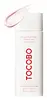
This hybrid sunscreen covers the full UV range and blocks ~98% of UVB at SPF 50.
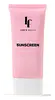
This chemical sunscreen covers most of the UV range, lighter on the deep UVA that drives aging.


What's inside
What's inside
 Key Ingredients
Benefits
Concerns
Ingredients Side-by-side
Hippophae Rhamnoides Water
Masking
Dibutyl Adipate
EmollientPropanediol
Solvent

Titanium Dioxide
Cosmetic Colorant

Butyloctyl Salicylate
Skin Conditioning
Caprylic/Capric Triglyceride
Masking
Glycerin
Humectant
Butylene Glycol
Humectant
Diethylamino Hydroxybenzoyl Hexyl Benzoate
UV Filter
Ethylhexyl Triazone
UV Absorber
1,2-Hexanediol
Skin Conditioning
Niacinamide
Smoothing









Caprylyl Methicone
Skin Conditioning
Diethylhexyl Butamido Triazone
UV Absorber
Water
Skin ConditioningHippophae Rhamnoides Fruit Extract
Skin Conditioning
Pentylene Glycol
Skin Conditioning
Sodium Hyaluronate
Humectant
Polymethylsilsesquioxane
Polyhydroxystearic Acid
Emulsifying

Dimethicone/Vinyl Dimethicone Crosspolymer
Skin Conditioning
Stearic Acid
Cleansing
Dimethiconol
Emollient
Trisiloxane
Skin Conditioning
Sodium Polyacryloyldimethyl Taurate
Emulsion StabilisingAmmonium Polyacryloyldimethyl Taurate
Emulsion StabilisingAlumina
Abrasive
Hydroxypropyl Methylcellulose Stearoxy Ether
Coco-Caprylate/Caprate
Emollient
Xanthan Gum
EmulsifyingEthylhexylglycerin
Skin ConditioningAdenosine
Skin Conditioning
Sodium Polyacrylate
Absorbent
Aluminum Hydroxide
EmollientTriethoxycaprylylsilane
Pvm/Ma Copolymer
Emulsion StabilisingT-Butyl Alcohol
Perfuming



Cyanocobalamin
Skin ConditioningPolyether-1
Tocopherol
Antioxidant

Parfum
Masking
Hippophae Rhamnoides Water, Dibutyl Adipate, Propanediol, Titanium Dioxide, Butyloctyl Salicylate, Caprylic/Capric Triglyceride, Glycerin, Butylene Glycol, Diethylamino Hydroxybenzoyl Hexyl Benzoate, Ethylhexyl Triazone, 1,2-Hexanediol, Niacinamide, Caprylyl Methicone, Diethylhexyl Butamido Triazone, Water, Hippophae Rhamnoides Fruit Extract, Pentylene Glycol, Sodium Hyaluronate, Polymethylsilsesquioxane, Polyhydroxystearic Acid, Dimethicone/Vinyl Dimethicone Crosspolymer, Stearic Acid, Dimethiconol, Trisiloxane, Sodium Polyacryloyldimethyl Taurate, Ammonium Polyacryloyldimethyl Taurate, Alumina, Hydroxypropyl Methylcellulose Stearoxy Ether, Coco-Caprylate/Caprate, Xanthan Gum, Ethylhexylglycerin, Adenosine, Sodium Polyacrylate, Aluminum Hydroxide, Triethoxycaprylylsilane, Pvm/Ma Copolymer, T-Butyl Alcohol, Cyanocobalamin, Polyether-1, Tocopherol, Parfum
Water
Skin ConditioningGlycerin
Humectant
Coco-Caprylate/Caprate
Emollient
Sodium Acrylates Copolymer
Butyl Methoxydibenzoylmethane
UV Absorber
Ethylhexyl Methoxycinnamate
UV Absorber
Polymethylsilsesquioxane
Phenyl Methicone
Emollient
Hyaluronic Acid
Humectant
Tetrasodium EDTA
ChelatingAllantoin
Skin Conditioning
Lecithin
Emollient
Octocrylene
UV Absorber
Phospholipids
Skin Conditioning
Butylene Glycol
Humectant
Isononyl Isononanoate
EmollientCaprylic/Capric Triglyceride
Masking
Hydrogenated Lecithin
Emulsifying
Cholesterol
Emollient
Bisabolol
Antioxidant
Silanetriol
Tocopheryl Acetate
Antioxidant
Hydrogenated Polydecene
EmollientHydroxystearic Acid
Cleansing
Sodium Polyacryloyldimethyl Taurate
Emulsion StabilisingTrideceth-10
CleansingCyclopentasiloxane
Emollient
Dimethicone/Vinyl Dimethicone Crosspolymer
Skin Conditioning
Pentylene Glycol
Skin Conditioning
1,2-Hexanediol
Skin Conditioning
Propylene Glycol
Humectant
Phenoxyethanol
Preservative
Sodium Benzoate
Masking
Parfum
Masking
Ethylhexylglycerin
Skin ConditioningTrehalose
Humectant
Centella Asiatica Extract
Cleansing
Honey Extract
Humectant
Ophiopogon Japonicus Root Extract
Skin ConditioningOpuntia Ficus-Indica Stem Extract
Skin Conditioning
Helianthus Annuus Sprout Extract
Skin ConditioningCaesalpinia Spinosa Fruit Pod Extract
Sophora Flavescens Root Extract
Antioxidant
Water, Glycerin, Coco-Caprylate/Caprate, Sodium Acrylates Copolymer, Butyl Methoxydibenzoylmethane, Ethylhexyl Methoxycinnamate, Polymethylsilsesquioxane, Phenyl Methicone, Hyaluronic Acid, Tetrasodium EDTA, Allantoin, Lecithin, Octocrylene, Phospholipids, Butylene Glycol, Isononyl Isononanoate, Caprylic/Capric Triglyceride, Hydrogenated Lecithin, Cholesterol, Bisabolol, Silanetriol, Tocopheryl Acetate, Hydrogenated Polydecene, Hydroxystearic Acid, Sodium Polyacryloyldimethyl Taurate, Trideceth-10, Cyclopentasiloxane, Dimethicone/Vinyl Dimethicone Crosspolymer, Pentylene Glycol, 1,2-Hexanediol, Propylene Glycol, Phenoxyethanol, Sodium Benzoate, Parfum, Ethylhexylglycerin, Trehalose, Centella Asiatica Extract, Honey Extract, Ophiopogon Japonicus Root Extract, Opuntia Ficus-Indica Stem Extract, Helianthus Annuus Sprout Extract, Caesalpinia Spinosa Fruit Pod Extract, Sophora Flavescens Root Extract
Reviews
Ingredients Explained
These ingredients are found in both products.
Ingredients higher up in an ingredient list are typically present in a larger amount.
1,2-Hexanediol is a synthetic liquid and another multi-functional powerhouse.
It is a:
- Humectant, drawing moisture into the skin
- Emollient, helping to soften skin
- Solvent, dispersing and stabilizing formulas
- Preservative booster, enhancing the antimicrobial activity of other preservatives
Butylene Glycol (or BG) is used within cosmetic products for a few different reasons:
Overall, Butylene Glycol is a safe and well-rounded ingredient that works well with other ingredients.
Though this ingredient works well with most skin types, some people with sensitive skin may experience a reaction such as allergic rashes, closed comedones, or itchiness.
Learn more about Butylene GlycolCaprylic/Capric Triglyceride (aka MCT Oil) is a lightweight emollient, solvent, and texture enhancer. It is considered a skin-softener by helping to prevent moisture loss.
Though it behaves like an oil, it is not technically one due to its chemical composition. One perk of this ingredient is that it is very stable, resistant to oxidation, and unlikely to go rancid.
In practice, that translates to a long shelf life and a consistently elegant skin feel.
While there is an assumption Caprylic Triglyceride can clog pores due to it being derived from coconut oil, there is no research supporting this. Just patch test if you have concerns.
Fractionated coconut oil and MCT Oil are both listed as Caprylic/Capric Triglyceride according to INCI. This is because INCI names are based on the ingredient’s final chemical composition and not its marketing name or source.
This ingredient is treated as the gold standard fungal acne safe oil. Even though it is coconut derived, the problematic lauric acid is stripped out.
This leaves just caprylic (C8) and capric (C10) acid. These chain lengths actually trend antifungal; a 2020 study found caprylic acid was enough to disrupt Malassezia furfur cell membrane, with a caprylic acid derivative damaging membrane structures at concentrations as low as 0.2%.
Learn more about Caprylic/Capric TriglycerideCoco-Caprylate/Caprate is a lightweight ester created from coconut oil fatty acids, caprylic acid, and capric acid.
It is an emollient that helps soften skin and reduce transepidermal water loss (TEWL). What sets it apart from heavier emollients is its ultralight, non-greasy feel.
Once applied, this ingredient dries down quickly and leaves a dry, silky finish behind. This also helps improve spreadability and texture.
This ingredient has an excellent safety-record and is non-irritating.
Typical concentrations for cosmetics range from 0.5-62%.
Research on Malassezia growth found no growth on fatty acid esters with chain lengths shorter than 12 carbons (it prefers C11-24).
Since Coco-Caprylate/Caprate is built on C8 and C10 fatty acids, it is out of the range that Malassezia metabolizes, and therefore safe for fungal acne.
Learn more about Coco-Caprylate/CaprateThis ingredient is a silicone elastomer that works as a texture enhancer, adds a silky slip, and also helps absorb excess oil.
Because it's a large macromolecule that's insoluble in water and chemically inert, it's not expected to penetrate or be absorbed into skin.
Human patch tests with a facial lotion containing 1% of this ingredient found no sensitization.
Learn more about Dimethicone/Vinyl Dimethicone CrosspolymerEthylhexylglycerin is created from glycerin. It is a multitasker ingredient that:
The CIR Expert Panel found minimal skin absorption or sensitization of any kind in a safety assessment. Though this ingredient is considered well-tolerated, a small number of cases of allergic dermatitis have been published since 2002. Just be sure to patch test if you are unsure.
Industry-reported use ranges from 8% in rinse-off products and 2% in leave-on formulations.
Learn more about EthylhexylglycerinGlycerin (or glycerol) is a compound naturally found in your skin. It's a powerhouse humectant that pulls water into the stratum corneum.
Topically, glycerin does several things at once:
Your skin makes glycerin on its own (mostly from sebaceous oil breakdown) and shuttles it to your outermost layer of skin, or your epidermis, via aquaporin-3.
Aquaporin-3 is a transporter that is essential for normal skin hydration, elasticity, and repair. Interestingly, mice lacking in AQP3 have dry and less elastic skin that can be fully corrected with glycerin.
This ingredient is non-irritating, plays well with almost every ingredient, and works across all skin types. Typical use is anywhere between 3-10% but can go up to 79% in some leave-on products.
Just know very high concentrations (>40%) can feel tacky in low humidity.
Glycerin is the name for this ingredient in American English. British English uses Glycerol/Glycerine.
Learn more about GlycerinParfum is a catch-all term for an ingredient or more that is used to give a scent to products.
Also called "fragrance", this ingredient can be a blend of hundreds of chemicals or plant oils. This means every product with "fragrance" or "parfum" in the ingredients list is a different mixture.
For instance, Habanolide is a proprietary trade name for a specific aroma chemical. When used as a fragrance ingredient in cosmetics, most aroma chemicals fall under the broad labeling category of “FRAGRANCE” or “PARFUM” according to EU and US regulations.
The term 'parfum' or 'fragrance' is not regulated in many countries. In many cases, it is up to the brand to define this term.
For instance, many brands choose to label themselves as "fragrance-free" because they are not using synthetic fragrances. However, their products may still contain ingredients such as essential oils that are considered a fragrance by INCI standards.
One example is Calendula flower extract. Calendula is an essential oil that still imparts a scent or 'fragrance'.
Depending on the blend, the ingredients in the mixture can cause allergies and sensitivities on the skin. Some ingredients that are known EU allergens include linalool and citronellol.
Parfum can also be used to mask or cover an unpleasant scent.
The bottom line is: not all fragrances/parfum/ingredients are created equally. If you are worried about fragrances, we recommend taking a closer look at an ingredient. And of course, we always recommend speaking with a professional.
Learn more about ParfumPentylene Glycol (1,2-pentanediol) is a multitasking little diol with three main roles in a formula:
Research on alkanediols (the family pentylene glycol belongs to) show they work by disrupting microbial cell membranes. This disruption helps the primary preservative system in a product work more effectively at lower doses.
On the safety side, the Cosmetic Ingredient Review Expert Panel has concluded this ingredient to be safe as used in current cosmetic practices + concentrations.
Typical use levels in a formula run about 1-5%.
Learn more about Pentylene GlycolPolymethylsilsesquioxane is a silicone used as a film forming agent.
When applied to the skin, this ingredient creates an invisible film on the surface. This film still allows oxygen to pass through, but prevents moisture from escaping. This can help condition and hydrate the skin. It also leaves a silky feel when applied.
Polymethylsilsesquioxane has not been shown to clog pores. It has been deemed safe to use up to 55%, but most cosmetics use much less.
If you have concerns about using this ingredient, we recommend speaking with a professional.
Learn more about PolymethylsilsesquioxaneThis is a lab-made ingredient that plays a huge role in improving the texture of a formula.
It's used to thicken watery gel-creams, prevent water + oil from separating, and give products a silky, non-greasy glide.
Safety-wise, a panel of independent toxicologists reviewed this ingredient and concluded it to be safe in cosmetics in the present practices of use and concentration.
A separate sensitization patch test on humans also showed no evidence of allergic reactivity, and a true allergy to this ingredient is considered rare.
Typical usage levels range from 0.015%-3% in leave-on products and 0.078%-3.2% in rinse-off products.
Learn more about Sodium Polyacryloyldimethyl TaurateWater. It's the most common cosmetic ingredient of all. You'll usually see it at the top of ingredient lists, meaning that it makes up the largest part of the product.
So why is it so popular? Water most often acts as a solvent - this means that it helps dissolve other ingredients into the formulation.
You'll also recognize water as that liquid we all need to stay alive. If you see this, drink a glass of water. Remember to stay hydrated!
Learn more about Water

