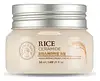
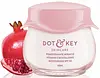
The Face Shop Rice & Ceramide Moisturizing Cream Versus Dot & Key Skincare Pomegranate + Multi-Peptide Anti Ageing Moisturizer SPF 30
This barrier-repair moisturizer is formulated around Oryza Sativa Extract and Ceramide NP to strengthen the skin barrier and hydrate skin.
This anti-aging moisturizer is formulated around Palmitoyl Tripeptide-5 and Punica Granatum Seed Oil to soften the look of wrinkles and hydrate skin.


What's inside
What's inside
 Key Ingredients
Benefits
Concerns
Ingredients Side-by-side
Water
Skin ConditioningDipropylene Glycol
HumectantCyclomethicone
Emollient
Glycerin
Humectant


Betaine
Humectant
Caprylic/Capric Triglyceride
Masking
Behenyl Alcohol
Emollient
Neopentyl Glycol Diheptanoate
EmollientTri-C14-15 Alkyl Citrate
EmollientSodium Hyaluronate
Humectant


PEG-100 Stearate
Surfactant

Glyceryl Stearate
Emollient
Cetearyl Olivate
Sorbitan Olivate
Emulsifying
Oryza Sativa Extract 1%
Absorbent
Butylene Glycol
Humectant
Diisostearyl Malate
EmollientOctyldodecyl Lactate
EmollientAcrylates/Acrylamide Copolymer
MoisturisingParaffinum Liquidum
Emollient


Polysorbate 85
Emulsifying
Stearic Acid
Cleansing
Butyrospermum Parkii Butter
Skin Conditioning

Dimethicone/Vinyl Dimethicone Crosspolymer
Skin Conditioning
Polyglutamic Acid
Skin Conditioning
Caprylic/Capric Glycerides
EmollientC12-14 Pareth-12
EmulsifyingLecithin
Emollient
Hdi/Trimethylol Hexyllactone Crosspolymer
Silica
Abrasive


Oryza Sativa Bran Oil 0.1%
Emollient
Ceramide NP 0.05%
Skin Conditioning
Citrus Paradisi Fruit Extract
Skin ConditioningHydrogenated Lecithin
Emulsifying
Polyglyceryl-10 Oleate
Skin Conditioning
Glycosphingolipids
EmollientDisodium EDTA
Phenoxyethanol
Preservative
Methylparaben
Preservative

Parfum
Masking

Water, Dipropylene Glycol, Cyclomethicone, Glycerin, Betaine, Caprylic/Capric Triglyceride, Behenyl Alcohol, Neopentyl Glycol Diheptanoate, Tri-C14-15 Alkyl Citrate, Sodium Hyaluronate, PEG-100 Stearate, Glyceryl Stearate, Cetearyl Olivate, Sorbitan Olivate, Oryza Sativa Extract 1%, Butylene Glycol, Diisostearyl Malate, Octyldodecyl Lactate, Acrylates/Acrylamide Copolymer, Paraffinum Liquidum, Polysorbate 85, Stearic Acid, Butyrospermum Parkii Butter, Dimethicone/Vinyl Dimethicone Crosspolymer, Polyglutamic Acid, Caprylic/Capric Glycerides, C12-14 Pareth-12, Lecithin, Hdi/Trimethylol Hexyllactone Crosspolymer, Silica, Oryza Sativa Bran Oil 0.1%, Ceramide NP 0.05%, Citrus Paradisi Fruit Extract, Hydrogenated Lecithin, Polyglyceryl-10 Oleate, Glycosphingolipids, Disodium EDTA, Phenoxyethanol, Methylparaben, Parfum
Water
Skin ConditioningEthylhexyl Methoxycinnamate
UV Absorber
Glycerin
Humectant
Glyceryl Stearate
Emollient
PEG-100 Stearate
Surfactant
Cyclopentasiloxane
Emollient
Dimethicone
Emollient
Dimethicone/Vinyl Dimethicone Crosspolymer
Skin Conditioning
Polyacrylamide
C13-14 Isoparaffin
Emollient
Laureth-7
EmulsifyingCetyl Alcohol
Emollient
Octocrylene
UV Absorber
Butyl Methoxydibenzoylmethane
UV Absorber
Aluminum Starch Octenylsuccinate
Absorbent
Benzyl Alcohol
Perfuming

Ethylhexylglycerin
Skin ConditioningTocopherol
Antioxidant


Palmitoyl Tripeptide-5
Skin Conditioning

Jojoba Oil/Macadamia Seed Oil Esters
Skin Conditioning
Squalene
Emollient
Phytosteryl Macadamiate
Skin Conditioning
Phytosterols
Skin Conditioning
Punica Granatum Seed Oil
Emollient
Titanium Dioxide
Cosmetic Colorant
Silica
Abrasive
Laminaria Digitata Extract
Skin Protecting
Cetyl-Pg Hydroxyethyl Palmitamide
Skin ConditioningCeramide EOP
Skin Conditioning
Ceramide Ns
Skin Conditioning
Ceramide NP
Skin Conditioning
Ceramide As
Skin Conditioning
Ceramide AP
Skin Conditioning
Niacinamide
Smoothing

Acrylates/C10-30 Alkyl Acrylate Crosspolymer
Emulsion StabilisingTriethanolamine
BufferingParfum
Masking
Disodium EDTA
Sodium Hyaluronate
Humectant
Tocopheryl Acetate
Antioxidant
CI 45430
Cosmetic ColorantWater, Ethylhexyl Methoxycinnamate, Glycerin, Glyceryl Stearate, PEG-100 Stearate, Cyclopentasiloxane, Dimethicone, Dimethicone/Vinyl Dimethicone Crosspolymer, Polyacrylamide, C13-14 Isoparaffin, Laureth-7, Cetyl Alcohol, Octocrylene, Butyl Methoxydibenzoylmethane, Aluminum Starch Octenylsuccinate, Benzyl Alcohol, Ethylhexylglycerin, Tocopherol, Palmitoyl Tripeptide-5, Jojoba Oil/Macadamia Seed Oil Esters, Squalene, Phytosteryl Macadamiate, Phytosterols, Punica Granatum Seed Oil, Titanium Dioxide, Silica, Laminaria Digitata Extract, Cetyl-Pg Hydroxyethyl Palmitamide, Ceramide EOP, Ceramide Ns, Ceramide NP, Ceramide As, Ceramide AP, Niacinamide, Acrylates/C10-30 Alkyl Acrylate Crosspolymer, Triethanolamine, Parfum, Disodium EDTA, Sodium Hyaluronate, Tocopheryl Acetate, CI 45430
Reviews
Ingredients Explained
These ingredients are found in both products.
Ingredients higher up in an ingredient list are typically present in a larger amount.
Ceramide NP (formerly known as Ceramide 3) is one of the skin's naturally occurring lipids.
Since ceramides are the major lipid components of the skin, they are crucial for maintaining skin barrier and hydration. Ceramide NP most closely mirrors the dominant kind in human skin amongst ceramide subtypes.
This ceramide works by slotting into gaps within the stratum corneum's lipid matrix to limit trans-epidermal water loss (TEWL) and shield the skin against external irritants.
A study with 312 patients found that using a ceramide-containing routine for 4 weeks reduced the severity of atopic dermatitis by over 61%.
Another clinical study in subjects aged 60 and older found that a ceramide body wash and moisturizer improved skin dryness and itchy skin in 15 days.
Overall, ceramides are considered non-irritating and safety tests have found little to no observable adverse effects from using this ingredient.
Ceramide NP is usually sourced from plants (like soybean or rice bran), or produced synthetically.
Learn more about Ceramide NPThis ingredient is a silicone elastomer that works as a texture enhancer, adds a silky slip, and also helps absorb excess oil.
Because it's a large macromolecule that's insoluble in water and chemically inert, it's not expected to penetrate or be absorbed into skin.
Human patch tests with a facial lotion containing 1% of this ingredient found no sensitization.
Learn more about Dimethicone/Vinyl Dimethicone CrosspolymerDisodium EDTA is a chelating agent. It grabs onto and deactivates metal ions that sneak into your products from water, packaging, or air.
This ingredient mainly works behind the scenes and helps with:
On top of that, this ingredient can counteract the effects of hard water by binding to the minerals in it.
One thing worth knowing is that Disodium EDTA has been shown to be a mild penetration enhancer. It can help other ingredients absorb into skin more effectively which can be a double-edged sword (great for actives, but can also make the active too strong if you have sensitive skin).
Clinical patch testing showed no significant skin irritation at typical use concentrations and minimal dermal absorption.
You'll most likely see this ingredient near the end of an ingredient list. It's typically found in concentrations less than 1%.
Learn more about Disodium EDTAGlycerin (or glycerol) is a compound naturally found in your skin. It's a powerhouse humectant that pulls water into the stratum corneum.
Topically, glycerin does several things at once:
Your skin makes glycerin on its own (mostly from sebaceous oil breakdown) and shuttles it to your outermost layer of skin, or your epidermis, via aquaporin-3.
Aquaporin-3 is a transporter that is essential for normal skin hydration, elasticity, and repair. Interestingly, mice lacking in AQP3 have dry and less elastic skin that can be fully corrected with glycerin.
This ingredient is non-irritating, plays well with almost every ingredient, and works across all skin types. Typical use is anywhere between 3-10% but can go up to 79% in some leave-on products.
Just know very high concentrations (>40%) can feel tacky in low humidity.
Glycerin is the name for this ingredient in American English. British English uses Glycerol/Glycerine.
Learn more about GlycerinGlyceryl Stearate is made by reacting glycerin with stearic acid (typically sourced from plant oils like palm or coconut). It's an emulsifier, emollient, and mild occlusive.
Emulsifiers help ingredients like oil and water stay mixed so your formula stays nicely blended and uniform in texture.
This ingredient is typically used in concentrations between 1-10%. Studies have found it to be non-sensitizing, non-phototoxic, and non-photoallergenic.
A close cousin of this ingredient is Glyceryl Stearate SE ("self-emulsifying"). This just has a small amount of sodium or potassium stearate added so it can emulsify without a co-emulsifier.
Since this ingredient is an ester of a C18 fatty acid, it may not be fungal acne safe. The Malassezia yeast can potentially metabolize within the C11-C24 range.
Fun fact: The human body also creates Glyceryl Stearate naturally.
Learn more about Glyceryl StearateParfum is a catch-all term for an ingredient or more that is used to give a scent to products.
Also called "fragrance", this ingredient can be a blend of hundreds of chemicals or plant oils. This means every product with "fragrance" or "parfum" in the ingredients list is a different mixture.
For instance, Habanolide is a proprietary trade name for a specific aroma chemical. When used as a fragrance ingredient in cosmetics, most aroma chemicals fall under the broad labeling category of “FRAGRANCE” or “PARFUM” according to EU and US regulations.
The term 'parfum' or 'fragrance' is not regulated in many countries. In many cases, it is up to the brand to define this term.
For instance, many brands choose to label themselves as "fragrance-free" because they are not using synthetic fragrances. However, their products may still contain ingredients such as essential oils that are considered a fragrance by INCI standards.
One example is Calendula flower extract. Calendula is an essential oil that still imparts a scent or 'fragrance'.
Depending on the blend, the ingredients in the mixture can cause allergies and sensitivities on the skin. Some ingredients that are known EU allergens include linalool and citronellol.
Parfum can also be used to mask or cover an unpleasant scent.
The bottom line is: not all fragrances/parfum/ingredients are created equally. If you are worried about fragrances, we recommend taking a closer look at an ingredient. And of course, we always recommend speaking with a professional.
Learn more about ParfumPeg-100 Stearate is an emollient and emulsifier. As an emollient, it helps keep skin soft by trapping moisture in. On the other hand, emulsifiers help prevent oil and water from separating in a product.
PEGS are a hydrophilic polyether compound . There are 100 ethylene oxide monomers in Peg-100 Stearate. Peg-100 Stearate is polyethylene glycol ester of stearic acid.
Silica, also known as silicon dioxide, is a naturally occurring mineral. It is used as a fine, spherical, and porous powder in cosmetics.
Though it has exfoliant properties, the function of silica varies depending on the product.
The unique structure of silica enhances the spreadability and adds smoothness, making it a great texture enhancer.
It is also used as an active carrier, emulsifier, and mattifier due to its ability to absorb excess oil.
In some products, tiny microneedles called spicules are made from silica or hydrolyzed sponge. When you rub them in, they lightly polish away dead skin layers and enhance the penetration of active ingredients.
Learn more about SilicaSodium Hyaluronate is the salt form of hyaluronic acid. It is a long sugar chain that is naturally found in your skin, joints, and connective tissue that maintains hydration and elasticity.
In skincare, it works as a humectant. It pulls water from the environment and deeper layers of skin and binds it to the surface.
Interestingly, the size of the molecule affects its behavior:
Some clinical evidence links low molecular weight versions to improved wrinkle depth, elasticity, anti-inflammatory effects, and barrier repair.
Many serums use a blend of both weights so you can get surface hydration plus longer-lasting and deeper effects.
You'll typically see concentrations between 0.1-2% for this ingredient.
Learn more about Sodium HyaluronateWater. It's the most common cosmetic ingredient of all. You'll usually see it at the top of ingredient lists, meaning that it makes up the largest part of the product.
So why is it so popular? Water most often acts as a solvent - this means that it helps dissolve other ingredients into the formulation.
You'll also recognize water as that liquid we all need to stay alive. If you see this, drink a glass of water. Remember to stay hydrated!
Learn more about Water

