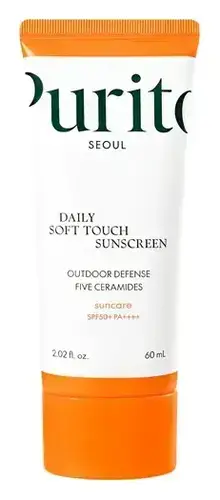
The Cocoon Vietnam Hau Giang Lotus Mineral Sun Fluid SPF 50+ Versus Make p:rem UV Defense Me. Daily Sun Essence SPF50+ PA++++
This mineral sunscreen covers the full UV range and blocks ~98% of UVB at SPF 50.
This chemical sunscreen covers the full UV range, though its SPF isn't confirmed on file yet.


What's inside
What's inside
 Key Ingredients
Benefits
Concerns
Ingredients Side-by-side
Zinc Oxide
Cosmetic Colorant


Octyldodecyl Neopentanoate
EmollientWater
Skin ConditioningDicaprylyl Carbonate
EmollientDimethicone
Emollient

Silica
Abrasive

Polyglyceryl-4 Diisostearate/Polyhydroxystearate/Sebacate
Emulsifying

C15-19 Alkane
SolventTitanium Dioxide
Cosmetic Colorant
Dipropylene Glycol
HumectantGlycerin
Humectant

Propanediol
Solvent
Nelumbo Nucifera Flower Extract
Skin ConditioningCeramide AP
Skin Conditioning



Ceramide NP
Skin Conditioning
Ceramide EOP
Skin Conditioning
Pongamia Pinnata Seed Extract
Skin ConditioningGlycyrrhiza Glabra Root Extract
Bleaching

Boswellia Serrata Gum
Masking
Cholesterol
Emollient
Phytosphingosine
Skin Conditioning
Glycosphingolipids
EmollientTetraacetylphytosphingosine
Skin ConditioningHydrogenated Lecithin
Emulsifying
Helianthus Annuus Seed Oil
Emollient
Tocopherol
Antioxidant

Bisabolol
Antioxidant
Hydrogenated Polydecene
EmollientNeopentyl Glycol Diheptanoate
EmollientSodium Benzoate
Masking
1,2-Hexanediol
Skin Conditioning
Ethylhexylglycerin
Skin ConditioningMethylpropanediol
SolventDivinyldimethicone/Dimethicone Crosspolymer
Skin Conditioning
Polyhydroxystearic Acid
Emulsifying
Methicone
Emollient
Glyceryl Stearate
Emollient
Cetearyl Alcohol
Emollient




Xanthan Gum
EmulsifyingPolyester-7
Skin ConditioningZinc Stearate
Cosmetic ColorantMagnesium Sulfate
Stearic Acid
Cleansing
Sodium Gluconate
Skin ConditioningCetylpyridinium Chloride
AntimicrobialBenzoic Acid
Masking
Potassium Sorbate
Preservative
Tromethamine
BufferingCitric Acid
Buffering
CI 77491
Cosmetic ColorantCI 77499
Cosmetic ColorantCI 77492
Cosmetic ColorantZinc Oxide, Octyldodecyl Neopentanoate, Water, Dicaprylyl Carbonate, Dimethicone, Silica, Polyglyceryl-4 Diisostearate/Polyhydroxystearate/Sebacate, C15-19 Alkane, Titanium Dioxide, Dipropylene Glycol, Glycerin, Propanediol, Nelumbo Nucifera Flower Extract, Ceramide AP, Ceramide NP, Ceramide EOP, Pongamia Pinnata Seed Extract, Glycyrrhiza Glabra Root Extract, Boswellia Serrata Gum, Cholesterol, Phytosphingosine, Glycosphingolipids, Tetraacetylphytosphingosine, Hydrogenated Lecithin, Helianthus Annuus Seed Oil, Tocopherol, Bisabolol, Hydrogenated Polydecene, Neopentyl Glycol Diheptanoate, Sodium Benzoate, 1,2-Hexanediol, Ethylhexylglycerin, Methylpropanediol, Divinyldimethicone/Dimethicone Crosspolymer, Polyhydroxystearic Acid, Methicone, Glyceryl Stearate, Cetearyl Alcohol, Xanthan Gum, Polyester-7, Zinc Stearate, Magnesium Sulfate, Stearic Acid, Sodium Gluconate, Cetylpyridinium Chloride, Benzoic Acid, Potassium Sorbate, Tromethamine, Citric Acid, CI 77491, CI 77499, CI 77492
Water
Skin ConditioningDibutyl Adipate
EmollientPropanediol
Solvent
Diethylamino Hydroxybenzoyl Hexyl Benzoate
UV Filter
Polymethylsilsesquioxane
Ethylhexyl Triazone
UV Absorber
Methylene Bis-Benzotriazolyl Tetramethylbutylphenol
UV Filter
Coco-Caprylate/Caprate
Emollient
Caprylyl Methicone
Skin Conditioning
Diethylhexyl Butamido Triazone
UV Absorber
Glycerin
Humectant
Butylene Glycol
Humectant
1,2-Hexanediol
Skin Conditioning
Moringa Oleifera Seed Extract
Skin Conditioning
Lespedeza Capitata Leaf/Stem Extract
Skin ConditioningCardiospermum Halicacabum Flower/Leaf/Vine Extract
Skin ConditioningRosmarinus Officinalis Leaf Extract
AntimicrobialNymphaea Alba Flower Extract
Skin ConditioningBambusa Vulgaris Water
Skin ConditioningRibes Nigrum Seed Oil
Emollient
Helianthus Annuus Seed Oil
Emollient
Pyrus Communis Fruit Extract
Skin ConditioningPrunus Persica Fruit Extract
Abrasive
Cucumis Melo Fruit Extract
Skin ConditioningHedera Helix Leaf/Stem Extract
AntimicrobialRosa Damascena Flower Water
Masking
Jasminum Officinale Flower Water
MaskingPentylene Glycol
Skin Conditioning
Behenyl Alcohol
Emollient
Poly C10-30 Alkyl Acrylate
Emulsion StabilisingPolyglyceryl-3 Methylglucose Distearate
Emulsifying
Decyl Glucoside
Cleansing
Tromethamine
BufferingCarbomer
Emulsion StabilisingAcrylates/C10-30 Alkyl Acrylate Crosspolymer
Emulsion StabilisingSodium Stearoyl Glutamate
CleansingPolyacrylate Crosspolymer-6
Emulsion StabilisingEthylhexylglycerin
Skin ConditioningXanthan Gum
EmulsifyingT-Butyl Alcohol
Perfuming


Tocopherol
Antioxidant
Octyldodecanol
Emollient
Dipropylene Glycol
HumectantMaltodextrin
Absorbent
Sodium Palmitoyl Proline
Skin ConditioningFructan
Skin ConditioningHelianthus Annuus Seed Oil Unsaponifiables
Emollient
Biosaccharide Gum-4
Skin Conditioning
Water, Dibutyl Adipate, Propanediol, Diethylamino Hydroxybenzoyl Hexyl Benzoate, Polymethylsilsesquioxane, Ethylhexyl Triazone, Methylene Bis-Benzotriazolyl Tetramethylbutylphenol, Coco-Caprylate/Caprate, Caprylyl Methicone, Diethylhexyl Butamido Triazone, Glycerin, Butylene Glycol, 1,2-Hexanediol, Moringa Oleifera Seed Extract, Lespedeza Capitata Leaf/Stem Extract, Cardiospermum Halicacabum Flower/Leaf/Vine Extract, Rosmarinus Officinalis Leaf Extract, Nymphaea Alba Flower Extract, Bambusa Vulgaris Water, Ribes Nigrum Seed Oil, Helianthus Annuus Seed Oil, Pyrus Communis Fruit Extract, Prunus Persica Fruit Extract, Cucumis Melo Fruit Extract, Hedera Helix Leaf/Stem Extract, Rosa Damascena Flower Water, Jasminum Officinale Flower Water, Pentylene Glycol, Behenyl Alcohol, Poly C10-30 Alkyl Acrylate, Polyglyceryl-3 Methylglucose Distearate, Decyl Glucoside, Tromethamine, Carbomer, Acrylates/C10-30 Alkyl Acrylate Crosspolymer, Sodium Stearoyl Glutamate, Polyacrylate Crosspolymer-6, Ethylhexylglycerin, Xanthan Gum, T-Butyl Alcohol, Tocopherol, Octyldodecanol, Dipropylene Glycol, Maltodextrin, Sodium Palmitoyl Proline, Fructan, Helianthus Annuus Seed Oil Unsaponifiables, Biosaccharide Gum-4
Reviews
Ingredients Explained
These ingredients are found in both products.
Ingredients higher up in an ingredient list are typically present in a larger amount.
1,2-Hexanediol is a synthetic liquid and another multi-functional powerhouse.
It is a:
- Humectant, drawing moisture into the skin
- Emollient, helping to soften skin
- Solvent, dispersing and stabilizing formulas
- Preservative booster, enhancing the antimicrobial activity of other preservatives
Dipropylene Glycol is a synthetically created humectant, stabilizer, and solvent.
This ingredient helps:
Dipropylene glycol is technically an alcohol, but it belongs to the glycol family (often considered part of the ‘good’ alcohols). This means it is hydrating and gentle on skin unlike drying solvent alcohols like denatured alcohol.
As a masking agent, Dipropylene Glycol can be used to cover the smell of other ingredients. However, it does not have a scent.
Studies show Dipropylene Glycol is considered safe to use in skincare.
Learn more about Dipropylene GlycolEthylhexylglycerin is created from glycerin. It is a multitasker ingredient that:
The CIR Expert Panel found minimal skin absorption or sensitization of any kind in a safety assessment. Though this ingredient is considered well-tolerated, a small number of cases of allergic dermatitis have been published since 2002. Just be sure to patch test if you are unsure.
Industry-reported use ranges from 8% in rinse-off products and 2% in leave-on formulations.
Learn more about EthylhexylglycerinGlycerin (or glycerol) is a compound naturally found in your skin. It's a powerhouse humectant that pulls water into the stratum corneum.
Topically, glycerin does several things at once:
Your skin makes glycerin on its own (mostly from sebaceous oil breakdown) and shuttles it to your outermost layer of skin, or your epidermis, via aquaporin-3.
Aquaporin-3 is a transporter that is essential for normal skin hydration, elasticity, and repair. Interestingly, mice lacking in AQP3 have dry and less elastic skin that can be fully corrected with glycerin.
This ingredient is non-irritating, plays well with almost every ingredient, and works across all skin types. Typical use is anywhere between 3-10% but can go up to 79% in some leave-on products.
Just know very high concentrations (>40%) can feel tacky in low humidity.
Glycerin is the name for this ingredient in American English. British English uses Glycerol/Glycerine.
Learn more about GlycerinHelianthus Annuus Seed Oil is a plant oil derived from the seeds of a sunflower.
It is rich in fatty acids, primarily linoleic acid and oleic acid. This gives it emollient and skin conditioning properties.
The reason this ingredient is so effective is because it forms a thin film on the skin that reduces transepidermal water loss (TEWL) while supplying linoleic acid to the stratum corneum to improve barrier strength.
The high linoleic acid content is particularly noteworthy for acne-prone skin.
Research suggests that acne-prone skin tends to be deficient in linoleic acid in sebum. Topical application may help replenish this to support a healthier follicular environment and less comedone-promoting sebum.
One randomized study found sunflower seed oil preserved skin barrier integrity in adult volunteers with and without atopic dermatitis (outperforming olive oil).
This ingredient is well-studied, gentle, and an effective emollient suitable for most skin types.
On fungal acne: This ingredient may not be Fungal acne (Malassezia folliculitis) safe. This is because it contains fatty acids with carbon chain lengths in the C11-C24 range.
Learn more about Helianthus Annuus Seed OilPropanediol is an all-star ingredient. It softens, hydrates, and smooths the skin.
It’s often used to:
Propanediol is not likely to cause sensitivity and considered safe to use. It is derived from corn or petroleum with a clear color and no scent.
Learn more about PropanediolTocopherol is a fat-soluble antioxidant known as Vitamin E.
You'll find this ingredient in the vast majority of skincare (for good reason). It works to neutralize free radicals, or unstable molecules generated by UV exposure, pollution, and other environmental stressors, before they can cause oxidative damage to your skin cells.
Topically applied tocopherol has been shown to protect against UV damage by ramping up the skin's own natural defense enzymes.
It also acts as a skin conditioning agent; some studies show that regular topical use can improve the skin's water-binding capacity over 2-4 weeks.
This ingredient is especially loved for being a team player. When combined with Vitamin C, the photoprotective effect of both ingredients roughly doubles and the combo also helps reduce UV-induced DNA damage.
This ingredient has some brightening potential but it's more of a prevention ingredient than spot-fader. Cell studies show it can slow down melanin production but it's worth noting that it's not the most powerful brightener out there.
In formulations, it also serves as a stabilizer that helps protect other oxidation-prone ingredients from degrading.
Concentrations usually range from 0.1-1% in most leave-on products.
Learn more about TocopherolTromethamine (aka THAM) is a synthetic amino acid that shows up in skincare as a helper ingredient.
It functions as a pH adjuster to help neutralize acidic ingredients and set a formula's pH to the right spot.
This matters a lot because a lot of actives (like vitamin C) needs a specific pH to work well and feel comfortable on skin.
Concentration use ranges from 0.1-1.0% depending on the formula.
Learn more about TromethamineWater. It's the most common cosmetic ingredient of all. You'll usually see it at the top of ingredient lists, meaning that it makes up the largest part of the product.
So why is it so popular? Water most often acts as a solvent - this means that it helps dissolve other ingredients into the formulation.
You'll also recognize water as that liquid we all need to stay alive. If you see this, drink a glass of water. Remember to stay hydrated!
Learn more about WaterXanthan gum is used as a stabilizer and thickener within cosmetic products. It helps give products a sticky, thick feeling - preventing them from being too runny.
On the technical side of things, xanthan gum is a polysaccharide - a combination consisting of multiple sugar molecules bonded together.
Xanthan gum is a pretty common and great ingredient. It is a natural, non-toxic, non-irritating ingredient that is also commonly used in food products.
Learn more about Xanthan Gum