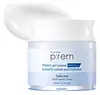
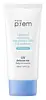
Make p:rem Safe Me. Relief Watery Cream Versus Make p:rem UV Defense Me. Daily Sun Essence SPF50+ PA++++
This calming moisturizer is formulated around Opuntia Ficus-Indica Stem Extract and Panthenol to calm redness and hydrate skin.
This chemical sunscreen covers the full UV range and blocks ~98% of UVB at SPF 50.

What's inside
What's inside
 Key Ingredients
No key ingredients
Benefits
Concerns
Ingredients Side-by-side
Opuntia Ficus-Indica Stem Extract
Skin Conditioning
Butylene Glycol
Humectant

Glycerin
Humectant
1,2-Hexanediol
Skin Conditioning
Hydrogenated Polydecene
EmollientPanthenol
Skin Conditioning
Hydroxypropyltrimonium Hyaluronate
Glyceryl Glucoside
Humectant
Beta-Sitosterol
Emulsion Stabilising
Water
Skin ConditioningCetearyl Olivate


Sorbitan Olivate
Emulsifying
Carbomer
Emulsion StabilisingTromethamine
BufferingSodium Polyacryloyldimethyl Taurate
Emulsion StabilisingSimmondsia Chinensis Seed Oil
Emollient
Ethylhexylglycerin
Skin ConditioningDisodium EDTA
ChelatingPolyglyceryl-10 Stearate
Skin Conditioning
Trideceth-10
CleansingHydrogenated Lecithin
Emulsifying
Opuntia Ficus-Indica Stem Extract, Butylene Glycol, Glycerin, 1,2-Hexanediol, Hydrogenated Polydecene, Panthenol, Hydroxypropyltrimonium Hyaluronate, Glyceryl Glucoside, Beta-Sitosterol, Water, Cetearyl Olivate, Sorbitan Olivate, Carbomer, Tromethamine, Sodium Polyacryloyldimethyl Taurate, Simmondsia Chinensis Seed Oil, Ethylhexylglycerin, Disodium EDTA, Polyglyceryl-10 Stearate, Trideceth-10, Hydrogenated Lecithin
Water
Skin ConditioningDibutyl Adipate
EmollientPropanediol
Solvent
Diethylamino Hydroxybenzoyl Hexyl Benzoate
UV Filter
Polymethylsilsesquioxane

Ethylhexyl Triazone
UV Absorber
Methylene Bis-Benzotriazolyl Tetramethylbutylphenol
UV Filter
Coco-Caprylate/Caprate
Emollient
Caprylyl Methicone
Skin Conditioning
Diethylhexyl Butamido Triazone
UV Absorber
Glycerin
Humectant
Butylene Glycol
Humectant
1,2-Hexanediol
Skin Conditioning
Moringa Oleifera Seed Extract
Skin Conditioning
Lespedeza Capitata Leaf/Stem Extract
Skin ConditioningCardiospermum Halicacabum Flower/Leaf/Vine Extract
Skin ConditioningRosmarinus Officinalis Leaf Extract
AntimicrobialNymphaea Alba Flower Extract
Skin ConditioningBambusa Vulgaris Water
Skin ConditioningRibes Nigrum Seed Oil
Emollient
Helianthus Annuus Seed Oil
Emollient
Pyrus Communis Fruit Extract
Skin ConditioningPrunus Persica Fruit Extract
Abrasive
Cucumis Melo Fruit Extract
Skin ConditioningHedera Helix Leaf/Stem Extract
AntimicrobialRosa Damascena Flower Water
Masking
Jasminum Officinale Flower Water
MaskingPentylene Glycol
Skin Conditioning
Behenyl Alcohol
Emollient
Poly C10-30 Alkyl Acrylate
Emulsion StabilisingPolyglyceryl-3 Methylglucose Distearate
Emulsifying
Decyl Glucoside
Cleansing
Tromethamine
BufferingCarbomer
Emulsion StabilisingAcrylates/C10-30 Alkyl Acrylate Crosspolymer
Emulsion StabilisingSodium Stearoyl Glutamate
CleansingPolyacrylate Crosspolymer-6
Emulsion StabilisingEthylhexylglycerin
Skin ConditioningXanthan Gum
EmulsifyingT-Butyl Alcohol
Perfuming




Tocopherol
Antioxidant




Octyldodecanol
Emollient
Dipropylene Glycol
HumectantMaltodextrin
Absorbent
Sodium Palmitoyl Proline
Skin ConditioningFructan
Skin ConditioningHelianthus Annuus Seed Oil Unsaponifiables
Emollient
Biosaccharide Gum-4
Skin Conditioning
Water, Dibutyl Adipate, Propanediol, Diethylamino Hydroxybenzoyl Hexyl Benzoate, Polymethylsilsesquioxane, Ethylhexyl Triazone, Methylene Bis-Benzotriazolyl Tetramethylbutylphenol, Coco-Caprylate/Caprate, Caprylyl Methicone, Diethylhexyl Butamido Triazone, Glycerin, Butylene Glycol, 1,2-Hexanediol, Moringa Oleifera Seed Extract, Lespedeza Capitata Leaf/Stem Extract, Cardiospermum Halicacabum Flower/Leaf/Vine Extract, Rosmarinus Officinalis Leaf Extract, Nymphaea Alba Flower Extract, Bambusa Vulgaris Water, Ribes Nigrum Seed Oil, Helianthus Annuus Seed Oil, Pyrus Communis Fruit Extract, Prunus Persica Fruit Extract, Cucumis Melo Fruit Extract, Hedera Helix Leaf/Stem Extract, Rosa Damascena Flower Water, Jasminum Officinale Flower Water, Pentylene Glycol, Behenyl Alcohol, Poly C10-30 Alkyl Acrylate, Polyglyceryl-3 Methylglucose Distearate, Decyl Glucoside, Tromethamine, Carbomer, Acrylates/C10-30 Alkyl Acrylate Crosspolymer, Sodium Stearoyl Glutamate, Polyacrylate Crosspolymer-6, Ethylhexylglycerin, Xanthan Gum, T-Butyl Alcohol, Tocopherol, Octyldodecanol, Dipropylene Glycol, Maltodextrin, Sodium Palmitoyl Proline, Fructan, Helianthus Annuus Seed Oil Unsaponifiables, Biosaccharide Gum-4
Reviews
Ingredients Explained
These ingredients are found in both products.
Ingredients higher up in an ingredient list are typically present in a larger amount.
1,2-Hexanediol is a synthetic liquid and another multi-functional powerhouse.
It is a:
- Humectant, drawing moisture into the skin
- Emollient, helping to soften skin
- Solvent, dispersing and stabilizing formulas
- Preservative booster, enhancing the antimicrobial activity of other preservatives
Butylene Glycol (or BG) is used within cosmetic products for a few different reasons:
Overall, Butylene Glycol is a safe and well-rounded ingredient that works well with other ingredients.
Though this ingredient works well with most skin types, some people with sensitive skin may experience a reaction such as allergic rashes, closed comedones, or itchiness.
Learn more about Butylene GlycolCarbomer is a synthetic thickening and gelling agent. It's basically the ingredient that gives a lot of serums, gels, creams, and sunscreens their smooth, non-sticky texture.
Although legally permitted at very high levels, carbomers are normally used at concentrations below 1%.
It also needs to be neutralized to actually thicken, and because it is a large molecule, it doesn't really penetrate the skin barrier.
Allergy-wise, the risk is very low. Clinical studies show carbomers have low potential for skin irritation/sensitization even at concentrations up to 100%.
A 2024 UK study patch-tested 1,302 patients and found true allergy to the parent group of carbomer to be rare with no confirmed relevant reactions.
Learn more about CarbomerEthylhexylglycerin is created from glycerin. It is a multitasker ingredient that:
The CIR Expert Panel found minimal skin absorption or sensitization of any kind in a safety assessment. Though this ingredient is considered well-tolerated, a small number of cases of allergic dermatitis have been published since 2002. Just be sure to patch test if you are unsure.
Industry-reported use ranges from 8% in rinse-off products and 2% in leave-on formulations.
Learn more about EthylhexylglycerinGlycerin (or glycerol) is a compound naturally found in your skin. It's a powerhouse humectant that pulls water into the stratum corneum.
Topically, glycerin does several things at once:
Your skin makes glycerin on its own (mostly from sebaceous oil breakdown) and shuttles it to your outermost layer of skin, or your epidermis, via aquaporin-3.
Aquaporin-3 is a transporter that is essential for normal skin hydration, elasticity, and repair. Interestingly, mice lacking in AQP3 have dry and less elastic skin that can be fully corrected with glycerin.
This ingredient is non-irritating, plays well with almost every ingredient, and works across all skin types. Typical use is anywhere between 3-10% but can go up to 79% in some leave-on products.
Just know very high concentrations (>40%) can feel tacky in low humidity.
Glycerin is the name for this ingredient in American English. British English uses Glycerol/Glycerine.
Learn more about GlycerinTromethamine (aka THAM) is a synthetic amino acid that shows up in skincare as a helper ingredient.
It functions as a pH adjuster to help neutralize acidic ingredients and set a formula's pH to the right spot.
This matters a lot because a lot of actives (like vitamin C) needs a specific pH to work well and feel comfortable on skin.
Concentration use ranges from 0.1-1.0% depending on the formula.
Learn more about TromethamineWater. It's the most common cosmetic ingredient of all. You'll usually see it at the top of ingredient lists, meaning that it makes up the largest part of the product.
So why is it so popular? Water most often acts as a solvent - this means that it helps dissolve other ingredients into the formulation.
You'll also recognize water as that liquid we all need to stay alive. If you see this, drink a glass of water. Remember to stay hydrated!
Learn more about Water

