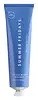
This wash off mask is made with Niacinamide and Ceramide EOP for a rinse-off barrier-support boost.
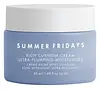
This barrier-repair moisturizer is formulated around Helianthus Annuus Seed Oil and Hyaluronic Acid to strengthen the skin barrier and hydrate skin.

What's inside
What's inside
 Key Ingredients
Benefits
Concerns
Ingredients Side-by-side
Water
Skin ConditioningCaprylic/Capric Triglyceride
Masking


Diheptyl Succinate
EmollientButyrospermum Parkii Butter
Skin Conditioning




Cetearyl Alcohol
Emollient
Hydroxyethyl Acrylate/Sodium Acryloyldimethyl Taurate Copolymer
Emulsion StabilisingNiacinamide
Smoothing










Pentylene Glycol
Skin Conditioning
Glycerin
Humectant
Sorbitan Stearate
Emulsifying
Glyceryl Stearate
Emollient
Sodium Hyaluronate
Humectant
Ceramide EOP
Skin Conditioning
Ceramide NP
Skin Conditioning
Ceramide AP
Skin Conditioning
Aminopropyl Ascorbyl Phosphate
Antioxidant

Allantoin
Skin Conditioning
Bisabolol
Antioxidant
Panthenol
Skin Conditioning
Physalis Angulata Extract
Skin ProtectingCastanea Sativa Seed Extract
Skin ConditioningTocopheryl Acetate
Antioxidant
Phytosphingosine
Skin Conditioning
Capryloyl Glycerin/Sebacic Acid Copolymer
Skin ConditioningEthylhexylglycerin
Skin ConditioningTetrasodium Glutamate Diacetate
Cucumis Sativus Fruit Extract
Emollient
Cholesterol
Emollient
Sodium Lauroyl Lactylate
EmulsifyingCarbomer
Emulsion StabilisingXanthan Gum
EmulsifyingPEG-100 Stearate
Surfactant
Phenoxyethanol
Preservative
Water, Caprylic/Capric Triglyceride, Diheptyl Succinate, Butyrospermum Parkii Butter, Cetearyl Alcohol, Hydroxyethyl Acrylate/Sodium Acryloyldimethyl Taurate Copolymer, Niacinamide, Pentylene Glycol, Glycerin, Sorbitan Stearate, Glyceryl Stearate, Sodium Hyaluronate, Ceramide EOP, Ceramide NP, Ceramide AP, Aminopropyl Ascorbyl Phosphate, Allantoin, Bisabolol, Panthenol, Physalis Angulata Extract, Castanea Sativa Seed Extract, Tocopheryl Acetate, Phytosphingosine, Capryloyl Glycerin/Sebacic Acid Copolymer, Ethylhexylglycerin, Tetrasodium Glutamate Diacetate, Cucumis Sativus Fruit Extract, Cholesterol, Sodium Lauroyl Lactylate, Carbomer, Xanthan Gum, PEG-100 Stearate, Phenoxyethanol
Water
Skin ConditioningHelianthus Annuus Seed Oil
Emollient
Glycerin
Humectant
Ethylhexyl Palmitate
Emollient
Glyceryl Stearate
Emollient
Isopropyl Myristate
Emollient
Cetyl Alcohol
Emollient
Betaine
Humectant
Hyaluronic Acid
Humectant
Citrullus Lanatus Fruit Extract
Skin Conditioning
Pyrus Malus Fruit Extract
Skin Conditioning
Lens Esculenta Fruit Extract
Skin ConditioningSimmondsia Chinensis Seed Oil
Emollient
Persea Gratissima Oil
Skin Conditioning
Carthamus Tinctorius Seed Oil
Masking
Squalane
Emollient
Saccharide Isomerate
Humectant
Chamomilla Recutita Flower Extract
Masking
Bisabolol
Antioxidant
Allantoin
Skin Conditioning
Centella Asiatica Extract
Cleansing
Salicornia Herbacea Extract
Skin ConditioningKappaphycus Alvarezii Extract
Skin ConditioningCaesalpinia Spinosa Fruit Extract
Skin ProtectingResveratrol
Antioxidant
Tetrahexyldecyl Ascorbate
Antioxidant
Tocopherol
Antioxidant
Tocopheryl Acetate
Antioxidant
Panthenol
Skin Conditioning
Sodium PCA
Humectant
Sodium Lactate
Buffering
Caprylic/Capric Triglyceride
Masking
Ethylhexylglycerin
Skin ConditioningGlyceryl Laurate
Emollient
Stearic Acid
Cleansing
Palmitic Acid
Emollient
Hydroxypropyl Cyclodextrin
MaskingCaprylyl Glycol
Emollient
Sodium Citrate
BufferingGlyceryl Stearate Citrate
Emollient
Glyceryl Caprylate
EmollientPotassium Sorbate
Preservative
Citric Acid
Buffering
Sodium Hydroxide
BufferingXanthan Gum
EmulsifyingAcrylates/C10-30 Alkyl Acrylate Crosspolymer
Emulsion StabilisingSodium Benzoate
Masking
Water, Helianthus Annuus Seed Oil, Glycerin, Ethylhexyl Palmitate, Glyceryl Stearate, Isopropyl Myristate, Cetyl Alcohol, Betaine, Hyaluronic Acid, Citrullus Lanatus Fruit Extract, Pyrus Malus Fruit Extract, Lens Esculenta Fruit Extract, Simmondsia Chinensis Seed Oil, Persea Gratissima Oil, Carthamus Tinctorius Seed Oil, Squalane, Saccharide Isomerate, Chamomilla Recutita Flower Extract, Bisabolol, Allantoin, Centella Asiatica Extract, Salicornia Herbacea Extract, Kappaphycus Alvarezii Extract, Caesalpinia Spinosa Fruit Extract, Resveratrol, Tetrahexyldecyl Ascorbate, Tocopherol, Tocopheryl Acetate, Panthenol, Sodium PCA, Sodium Lactate, Caprylic/Capric Triglyceride, Ethylhexylglycerin, Glyceryl Laurate, Stearic Acid, Palmitic Acid, Hydroxypropyl Cyclodextrin, Caprylyl Glycol, Sodium Citrate, Glyceryl Stearate Citrate, Glyceryl Caprylate, Potassium Sorbate, Citric Acid, Sodium Hydroxide, Xanthan Gum, Acrylates/C10-30 Alkyl Acrylate Crosspolymer, Sodium Benzoate
Reviews
Ingredients Explained
These ingredients are found in both products.
Ingredients higher up in an ingredient list are typically present in a larger amount.
Allantoin is a soothing ingredient known for its protective and moisturizing properties; it's basically a quiet workhorse ingredient you can find in a huge range of cosmetics.
Though it can be derived from the comfrey plant, allantoin is produced synthetically for cosmetic products to ensure purity.
Research shows it can encourage your skin cells to turn over and renew by stimulating keratinocyte and fibroblast proliferation.
It also has mild keratolytic properties to help loosen and shed dead skin cells without being harsh.
Studies also suggest allantoin can help calm inflammation by dialing down some of the chemical signals your skin sends out when it is irritated.
This ingredient is typically used in the 0.1-0.5% range, and the FDA recognizes it as a skin protectant in OTC products up to 2%.
Overall, allantoin is a wonderful addition to most routines; it is stable across a wide pH range (~4-8), works well with other ingredients, and is considered non-sensitizing/non-irritating.
Fun fact: Allantoin is naturally occurring in comfrey root, beets, chamomile, and wheat sprouts. Our bodies even produce it as a byproduct of uric acid metabolism.
Learn more about AllantoinBisabolol is a gentle skin conditioner, antioxidant, and soothing ingredient.
It's primary claim to fame is soothing and research shows topically applied bisabolol can quiet the chemical messengers that cause your skin to become inflamed, helping to sooth any irritation.
A clinical study found that applying 0.5% bisabolol daily for 8 weeks produced an average 9% decrease in skin pigmentation. Researchers found it can also suppress the process that leads to excess melanin production in skin.
In vitro studies found that bisabolol combined with propylene glycol significantly increased skin permeability by increasing lipid fluidity in the stratum corneum.
You'll likely see use concentrations quite low, usually 0.1-0.2%.
Overall, this is a well-tolerated ingredient that works well in formulas designed for sensitive, reactive, or post-procedure skin.
Learn more about BisabololCaprylic/Capric Triglyceride (aka MCT Oil) is a lightweight emollient, solvent, and texture enhancer. It is considered a skin-softener by helping to prevent moisture loss.
Though it behaves like an oil, it is not technically one due to its chemical composition. One perk of this ingredient is that it is very stable, resistant to oxidation, and unlikely to go rancid.
In practice, that translates to a long shelf life and a consistently elegant skin feel.
While there is an assumption Caprylic Triglyceride can clog pores due to it being derived from coconut oil, there is no research supporting this. Just patch test if you have concerns.
Fractionated coconut oil and MCT Oil are both listed as Caprylic/Capric Triglyceride according to INCI. This is because INCI names are based on the ingredient’s final chemical composition and not its marketing name or source.
This ingredient is treated as the gold standard fungal acne safe oil. Even though it is coconut derived, the problematic lauric acid is stripped out.
This leaves just caprylic (C8) and capric (C10) acid. These chain lengths actually trend antifungal; a 2020 study found caprylic acid was enough to disrupt Malassezia furfur cell membrane, with a caprylic acid derivative damaging membrane structures at concentrations as low as 0.2%.
Learn more about Caprylic/Capric TriglycerideEthylhexylglycerin is created from glycerin. It is a multitasker ingredient that:
The CIR Expert Panel found minimal skin absorption or sensitization of any kind in a safety assessment. Though this ingredient is considered well-tolerated, a small number of cases of allergic dermatitis have been published since 2002. Just be sure to patch test if you are unsure.
Industry-reported use ranges from 8% in rinse-off products and 2% in leave-on formulations.
Learn more about EthylhexylglycerinGlycerin (or glycerol) is a compound naturally found in your skin. It's a powerhouse humectant that pulls water into the stratum corneum.
Topically, glycerin does several things at once:
Your skin makes glycerin on its own (mostly from sebaceous oil breakdown) and shuttles it to your outermost layer of skin, or your epidermis, via aquaporin-3.
Aquaporin-3 is a transporter that is essential for normal skin hydration, elasticity, and repair. Interestingly, mice lacking in AQP3 have dry and less elastic skin that can be fully corrected with glycerin.
This ingredient is non-irritating, plays well with almost every ingredient, and works across all skin types. Typical use is anywhere between 3-10% but can go up to 79% in some leave-on products.
Just know very high concentrations (>40%) can feel tacky in low humidity.
Glycerin is the name for this ingredient in American English. British English uses Glycerol/Glycerine.
Learn more about GlycerinGlyceryl Stearate is made by reacting glycerin with stearic acid (typically sourced from plant oils like palm or coconut). It's an emulsifier, emollient, and mild occlusive.
Emulsifiers help ingredients like oil and water stay mixed so your formula stays nicely blended and uniform in texture.
This ingredient is typically used in concentrations between 1-10%. Studies have found it to be non-sensitizing, non-phototoxic, and non-photoallergenic.
A close cousin of this ingredient is Glyceryl Stearate SE ("self-emulsifying"). This just has a small amount of sodium or potassium stearate added so it can emulsify without a co-emulsifier.
Since this ingredient is an ester of a C18 fatty acid, it may not be fungal acne safe. The Malassezia yeast can potentially metabolize within the C11-C24 range.
Fun fact: The human body also creates Glyceryl Stearate naturally.
Learn more about Glyceryl StearatePanthenol is a common ingredient that helps hydrate and soothe the skin. It is found naturally in our skin and hair.
There are two forms of panthenol: D and L.
D-panthenol is also known as dexpanthenol. Most cosmetics use dexpanthenol or a mixture of D and L-panthenol.
Panthenol is famous due to its ability to go deeper into the skin's layers. Using this ingredient has numerous pros (and no cons):
Like hyaluronic acid, panthenol is a humectant. Humectants are able to bind and hold large amounts of water to keep skin hydrated.
This ingredient works well for wound healing. It works by increasing tissue in the wound and helps close open wounds.
Once oxidized, panthenol converts to pantothenic acid. Panthothenic acid is found in all living cells.
This ingredient is also referred to as pro-vitamin B5.
Learn more about PanthenolTocopheryl Acetate is a stable, shelf-friendly form of vitamin E.
Formulators love it because plain vitamin E oxidizes quickly once it hits air. This acetate version stays stable and resists going off, helping to extend a product's shelf life.
It's actually inactive on its own and works like a slow-release "storage" form; the enzymes in your skin called esterases gradually convert it into active vitamin E over time.
One in vivo study showed 5% of the acetate in the living layer of the epidermis converted to vitamin E after 5 days of application. This study also found the skin gained protection against UV damage even though the conversion was slow and small.
Once converted, vitamin E acts as a skin's main fat-soluble antioxidant that fights free radicals to protect skin from damage.
Topical vitamin E generally boosts the skin's photoprotection, and it reduced UV-damage in animal models.
This ingredient has some brightening potential but it's more of a prevention ingredient than spot-fader. Cell studies show it can slow down melanin production but it's worth noting that it's not the most powerful brightener out there.
Overall, it has a pretty solid safety profile and has been found to be non-irritating and non-comedogenic. Allergic reactions may happen but stay rare due to how widely the ingredient gets used.
The concentration will vary depending on the formula; industry data shows 0.1% in baby lotions, 3% in lipsticks, and 5% in foot powders. You can also find this ingredient at 100% in a pure vitamin E oil.
Most leave-on skincare keeps it at the lower end, often between 0.5-1%.
Learn more about Tocopheryl AcetateWater. It's the most common cosmetic ingredient of all. You'll usually see it at the top of ingredient lists, meaning that it makes up the largest part of the product.
So why is it so popular? Water most often acts as a solvent - this means that it helps dissolve other ingredients into the formulation.
You'll also recognize water as that liquid we all need to stay alive. If you see this, drink a glass of water. Remember to stay hydrated!
Learn more about WaterXanthan gum is used as a stabilizer and thickener within cosmetic products. It helps give products a sticky, thick feeling - preventing them from being too runny.
On the technical side of things, xanthan gum is a polysaccharide - a combination consisting of multiple sugar molecules bonded together.
Xanthan gum is a pretty common and great ingredient. It is a natural, non-toxic, non-irritating ingredient that is also commonly used in food products.
Learn more about Xanthan Gum

