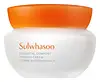
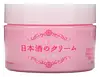
Sulwhasoo Essential Comfort Firming Cream Versus Kiku-Masamune Sake Brewing Japanese Sake Skin Care Cream
This anti-aging moisturizer is formulated around Adenosine and Glycyrrhiza Uralensis Root Extract to soften the look of wrinkles and hydrate skin.
This barrier-repair moisturizer is formulated around Rice Ferment Filtrate and Ceramide NP to strengthen the skin barrier and hydrate skin.


What's inside
What's inside
 Key Ingredients
Benefits
Concerns
Ingredients Side-by-side
Water
Skin ConditioningButylene Glycol
Humectant

Glycerin
Humectant
Butylene Glycol Dicaprylate/Dicaprate
EmollientCetyl Ethylhexanoate
EmollientCaprylic/Capric Triglyceride
Masking
Cyclopentasiloxane
Emollient
Diisostearyl Malate
Emollient1,2-Hexanediol
Skin Conditioning
Glyceryl Stearate
Emollient

Polyglyceryl-3 Methylglucose Distearate
Emulsifying
Cyclohexasiloxane
Emollient
PEG-100 Stearate
Surfactant
Cetearyl Alcohol
Emollient



Hydroxyethyl Acrylate/Sodium Acryloyldimethyl Taurate Copolymer
Emulsion StabilisingPolyacrylate-13
Polymethylsilsesquioxane
Polyisobutene
Parfum
Masking


Mel
EmollientZiziphus Jujuba Fruit Extract
Skin ConditioningGlyceryl Caprylate
EmollientLimonene
Perfuming
Lycium Chinense Fruit Extract
Antioxidant
Sorbitan Isostearate
Emulsifying
Propanediol
Solvent
Ethylhexylglycerin
Skin ConditioningDisodium EDTA
Adenosine
Skin Conditioning

Polysorbate 20
Emulsifying
Pueraria Lobata Root Extract
HumectantPolysorbate 60
Emulsifying
Dioscorea Japonica Root Extract
Skin Conditioning
Crataegus Pinnatifida Fruit Extract
Skin ConditioningLinalool
Perfuming
Narcissus Tazetta Bulb Extract
Astringent
Pueraria Thunbergiana Flower/Leaf/Stem Extract
Skin ConditioningCitronellol
Perfuming
Dextrin
AbsorbentTheobroma Cacao Extract
Skin ConditioningMorus Alba Leaf Extract
Skin ConditioningCitral
Perfuming
Geraniol
Perfuming
Rehmannia Glutinosa Root Extract
Skin ConditioningGlycyrrhiza Uralensis Root Extract
Skin Conditioning
Paeonia Lactiflora Root Extract
Skin ConditioningLilium Candidum Bulb Extract
Skin ConditioningPolygonatum Odoratum Rhizome Extract
Skin ConditioningBenzyl Benzoate
Antimicrobial
Nelumbo Nucifera Flower Extract
Skin ConditioningHydrolyzed Soybean Extract
Skin ConditioningTocopherol
Antioxidant


Water, Butylene Glycol, Glycerin, Butylene Glycol Dicaprylate/Dicaprate, Cetyl Ethylhexanoate, Caprylic/Capric Triglyceride, Cyclopentasiloxane, Diisostearyl Malate, 1,2-Hexanediol, Glyceryl Stearate, Polyglyceryl-3 Methylglucose Distearate, Cyclohexasiloxane, PEG-100 Stearate, Cetearyl Alcohol, Hydroxyethyl Acrylate/Sodium Acryloyldimethyl Taurate Copolymer, Polyacrylate-13, Polymethylsilsesquioxane, Polyisobutene, Parfum, Mel, Ziziphus Jujuba Fruit Extract, Glyceryl Caprylate, Limonene, Lycium Chinense Fruit Extract, Sorbitan Isostearate, Propanediol, Ethylhexylglycerin, Disodium EDTA, Adenosine, Polysorbate 20, Pueraria Lobata Root Extract, Polysorbate 60, Dioscorea Japonica Root Extract, Crataegus Pinnatifida Fruit Extract, Linalool, Narcissus Tazetta Bulb Extract, Pueraria Thunbergiana Flower/Leaf/Stem Extract, Citronellol, Dextrin, Theobroma Cacao Extract, Morus Alba Leaf Extract, Citral, Geraniol, Rehmannia Glutinosa Root Extract, Glycyrrhiza Uralensis Root Extract, Paeonia Lactiflora Root Extract, Lilium Candidum Bulb Extract, Polygonatum Odoratum Rhizome Extract, Benzyl Benzoate, Nelumbo Nucifera Flower Extract, Hydrolyzed Soybean Extract, Tocopherol
Water
Skin ConditioningGlycerin
Humectant
Paraffinum Liquidum
Emollient
Cetyl Alcohol
Emollient
Glyceryl Stearate
Emollient
Stearyl Alcohol
Emollient
Rice Ferment Filtrate
Skin Conditioning
Glutamic Acid
Humectant
Arginine
Masking
Leucine
Skin ConditioningGlycine
Buffering
Ceramide EOP
Skin Conditioning
Ceramide NP
Skin Conditioning
Ceramide AP
Skin Conditioning
Placental Protein
HumectantArbutin
Antioxidant
Dipotassium Glycyrrhizate
Humectant
Oryza Sativa Bran Oil
Emollient
Oryza Sativa Germ Oil
Emollient
Simmondsia Chinensis Seed Oil
Emollient
Squalane
Emollient
Propanediol
Solvent
Dimethicone
Emollient
Cholesterol
Emollient
Phytosphingosine
Skin Conditioning
Sodium Lauroyl Lactylate
EmulsifyingTocopherol
Antioxidant
Ceteth-20
CleansingSteareth-20
CleansingPEG-75 Stearate
Surfactant
Carbomer
Emulsion StabilisingXanthan Gum
EmulsifyingAcrylates/C10-30 Alkyl Acrylate Crosspolymer
Emulsion StabilisingDisodium EDTA
Potassium Hydroxide
BufferingCitric Acid
Buffering
Sodium Citrate
BufferingPhenoxyethanol
Preservative
Methylparaben
Preservative

Ethylparaben
Preservative
Parfum
Masking
Water, Glycerin, Paraffinum Liquidum, Cetyl Alcohol, Glyceryl Stearate, Stearyl Alcohol, Rice Ferment Filtrate, Glutamic Acid, Arginine, Leucine, Glycine, Ceramide EOP, Ceramide NP, Ceramide AP, Placental Protein, Arbutin, Dipotassium Glycyrrhizate, Oryza Sativa Bran Oil, Oryza Sativa Germ Oil, Simmondsia Chinensis Seed Oil, Squalane, Propanediol, Dimethicone, Cholesterol, Phytosphingosine, Sodium Lauroyl Lactylate, Tocopherol, Ceteth-20, Steareth-20, PEG-75 Stearate, Carbomer, Xanthan Gum, Acrylates/C10-30 Alkyl Acrylate Crosspolymer, Disodium EDTA, Potassium Hydroxide, Citric Acid, Sodium Citrate, Phenoxyethanol, Methylparaben, Ethylparaben, Parfum
Reviews
Ingredients Explained
These ingredients are found in both products.
Ingredients higher up in an ingredient list are typically present in a larger amount.
Disodium EDTA is a chelating agent. It grabs onto and deactivates metal ions that sneak into your products from water, packaging, or air.
This ingredient mainly works behind the scenes and helps with:
On top of that, this ingredient can counteract the effects of hard water by binding to the minerals in it.
One thing worth knowing is that Disodium EDTA has been shown to be a mild penetration enhancer. It can help other ingredients absorb into skin more effectively which can be a double-edged sword (great for actives, but can also make the active too strong if you have sensitive skin).
Clinical patch testing showed no significant skin irritation at typical use concentrations and minimal dermal absorption.
You'll most likely see this ingredient near the end of an ingredient list. It's typically found in concentrations less than 1%.
Learn more about Disodium EDTAGlycerin (or glycerol) is a compound naturally found in your skin. It's a powerhouse humectant that pulls water into the stratum corneum.
Topically, glycerin does several things at once:
Your skin makes glycerin on its own (mostly from sebaceous oil breakdown) and shuttles it to your outermost layer of skin, or your epidermis, via aquaporin-3.
Aquaporin-3 is a transporter that is essential for normal skin hydration, elasticity, and repair. Interestingly, mice lacking in AQP3 have dry and less elastic skin that can be fully corrected with glycerin.
This ingredient is non-irritating, plays well with almost every ingredient, and works across all skin types. Typical use is anywhere between 3-10% but can go up to 79% in some leave-on products.
Just know very high concentrations (>40%) can feel tacky in low humidity.
Glycerin is the name for this ingredient in American English. British English uses Glycerol/Glycerine.
Learn more about GlycerinGlyceryl Stearate is made by reacting glycerin with stearic acid (typically sourced from plant oils like palm or coconut). It's an emulsifier, emollient, and mild occlusive.
Emulsifiers help ingredients like oil and water stay mixed so your formula stays nicely blended and uniform in texture.
This ingredient is typically used in concentrations between 1-10%. Studies have found it to be non-sensitizing, non-phototoxic, and non-photoallergenic.
A close cousin of this ingredient is Glyceryl Stearate SE ("self-emulsifying"). This just has a small amount of sodium or potassium stearate added so it can emulsify without a co-emulsifier.
Since this ingredient is an ester of a C18 fatty acid, it may not be fungal acne safe. The Malassezia yeast can potentially metabolize within the C11-C24 range.
Fun fact: The human body also creates Glyceryl Stearate naturally.
Learn more about Glyceryl StearateParfum is a catch-all term for an ingredient or more that is used to give a scent to products.
Also called "fragrance", this ingredient can be a blend of hundreds of chemicals or plant oils. This means every product with "fragrance" or "parfum" in the ingredients list is a different mixture.
For instance, Habanolide is a proprietary trade name for a specific aroma chemical. When used as a fragrance ingredient in cosmetics, most aroma chemicals fall under the broad labeling category of “FRAGRANCE” or “PARFUM” according to EU and US regulations.
The term 'parfum' or 'fragrance' is not regulated in many countries. In many cases, it is up to the brand to define this term.
For instance, many brands choose to label themselves as "fragrance-free" because they are not using synthetic fragrances. However, their products may still contain ingredients such as essential oils that are considered a fragrance by INCI standards.
One example is Calendula flower extract. Calendula is an essential oil that still imparts a scent or 'fragrance'.
Depending on the blend, the ingredients in the mixture can cause allergies and sensitivities on the skin. Some ingredients that are known EU allergens include linalool and citronellol.
Parfum can also be used to mask or cover an unpleasant scent.
The bottom line is: not all fragrances/parfum/ingredients are created equally. If you are worried about fragrances, we recommend taking a closer look at an ingredient. And of course, we always recommend speaking with a professional.
Learn more about ParfumPropanediol is an all-star ingredient. It softens, hydrates, and smooths the skin.
It’s often used to:
Propanediol is not likely to cause sensitivity and considered safe to use. It is derived from corn or petroleum with a clear color and no scent.
Learn more about PropanediolTocopherol is a fat-soluble antioxidant known as Vitamin E.
You'll find this ingredient in the vast majority of skincare (for good reason). It works to neutralize free radicals, or unstable molecules generated by UV exposure, pollution, and other environmental stressors, before they can cause oxidative damage to your skin cells.
Topically applied tocopherol has been shown to protect against UV damage by ramping up the skin's own natural defense enzymes.
It also acts as a skin conditioning agent; some studies show that regular topical use can improve the skin's water-binding capacity over 2-4 weeks.
This ingredient is especially loved for being a team player. When combined with Vitamin C, the photoprotective effect of both ingredients roughly doubles and the combo also helps reduce UV-induced DNA damage.
This ingredient has some brightening potential but it's more of a prevention ingredient than spot-fader. Cell studies show it can slow down melanin production but it's worth noting that it's not the most powerful brightener out there.
In formulations, it also serves as a stabilizer that helps protect other oxidation-prone ingredients from degrading.
Concentrations usually range from 0.1-1% in most leave-on products.
Learn more about TocopherolWater. It's the most common cosmetic ingredient of all. You'll usually see it at the top of ingredient lists, meaning that it makes up the largest part of the product.
So why is it so popular? Water most often acts as a solvent - this means that it helps dissolve other ingredients into the formulation.
You'll also recognize water as that liquid we all need to stay alive. If you see this, drink a glass of water. Remember to stay hydrated!
Learn more about Water

