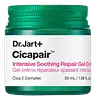
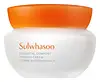
Dr. Jart+ Cicapair Intensive Soothing Repair Gel Cream Versus Sulwhasoo Essential Comfort Firming Cream
This calming moisturizer is formulated around Niacinamide and Centella Asiatica Leaf Extract to calm redness and strengthen the skin barrier.
This anti-aging moisturizer is formulated around Adenosine and Glycyrrhiza Uralensis Root Extract to soften the look of wrinkles and hydrate skin.

What's inside
What's inside
 Key Ingredients
Benefits
Concerns
Ingredients Side-by-side
Water
Skin ConditioningDipropylene Glycol
HumectantGlycerin
Humectant


Butylene Glycol
Humectant
Caprylyl Methicone
Skin Conditioning
Pentylene Glycol
Skin Conditioning
Niacinamide
Smoothing









1,2-Hexanediol
Skin Conditioning
Cetearyl Olivate


Theobroma Cacao Extract
Skin ConditioningCentella Asiatica Leaf Extract
Skin Conditioning
Hydrogenated Polydecene
EmollientGlyceryl Caprylate
EmollientAllantoin
Skin Conditioning
Asiaticoside
Antioxidant
Madecassic Acid
Skin Conditioning
Asiatic Acid
Skin Conditioning
Adenosine
Skin Conditioning
Polyglyceryl-4 Oleate
Emulsifying
Sodium Stearoyl Glutamate
CleansingPalmitoyl Tripeptide-8
Skin Conditioning
Sorbitan Olivate
Emulsifying
C14-22 Alcohols
Emulsion Stabilising
Tromethamine
BufferingAmmonium Acryloyldimethyltaurate/Vp Copolymer
Acrylates/C10-30 Alkyl Acrylate Crosspolymer
Emulsion StabilisingCarbomer
Emulsion StabilisingBoron Nitride
Absorbent
Propanediol
Solvent
Isopentyldiol
Humectant
Dextrin
AbsorbentC12-20 Alkyl Glucoside
EmulsifyingSodium Surfactin
CleansingDextran
Sodium Phytate
ChelatingCI 19140
Cosmetic ColorantCI 42090
Cosmetic ColorantWater, Dipropylene Glycol, Glycerin, Butylene Glycol, Caprylyl Methicone, Pentylene Glycol, Niacinamide, 1,2-Hexanediol, Cetearyl Olivate, Theobroma Cacao Extract, Centella Asiatica Leaf Extract, Hydrogenated Polydecene, Glyceryl Caprylate, Allantoin, Asiaticoside, Madecassic Acid, Asiatic Acid, Adenosine, Polyglyceryl-4 Oleate, Sodium Stearoyl Glutamate, Palmitoyl Tripeptide-8, Sorbitan Olivate, C14-22 Alcohols, Tromethamine, Ammonium Acryloyldimethyltaurate/Vp Copolymer, Acrylates/C10-30 Alkyl Acrylate Crosspolymer, Carbomer, Boron Nitride, Propanediol, Isopentyldiol, Dextrin, C12-20 Alkyl Glucoside, Sodium Surfactin, Dextran, Sodium Phytate, CI 19140, CI 42090
Water
Skin ConditioningButylene Glycol
Humectant
Glycerin
Humectant
Butylene Glycol Dicaprylate/Dicaprate
EmollientCetyl Ethylhexanoate
EmollientCaprylic/Capric Triglyceride
Masking
Cyclopentasiloxane
Emollient
Diisostearyl Malate
Emollient1,2-Hexanediol
Skin Conditioning
Glyceryl Stearate
Emollient
Polyglyceryl-3 Methylglucose Distearate
Emulsifying
Cyclohexasiloxane
Emollient
PEG-100 Stearate
Surfactant
Cetearyl Alcohol
Emollient


Hydroxyethyl Acrylate/Sodium Acryloyldimethyl Taurate Copolymer
Emulsion StabilisingPolyacrylate-13
Polymethylsilsesquioxane
Polyisobutene
Parfum
Masking


Mel
EmollientZiziphus Jujuba Fruit Extract
Skin ConditioningGlyceryl Caprylate
EmollientLimonene
Perfuming
Lycium Chinense Fruit Extract
Antioxidant
Sorbitan Isostearate
Emulsifying
Propanediol
Solvent
Ethylhexylglycerin
Skin ConditioningDisodium EDTA
ChelatingAdenosine
Skin Conditioning
Polysorbate 20
Emulsifying
Pueraria Lobata Root Extract
HumectantPolysorbate 60
Emulsifying
Dioscorea Japonica Root Extract
Skin Conditioning
Crataegus Pinnatifida Fruit Extract
Skin ConditioningLinalool
Perfuming
Narcissus Tazetta Bulb Extract
Astringent
Pueraria Thunbergiana Flower/Leaf/Stem Extract
Skin ConditioningCitronellol
Perfuming
Dextrin
AbsorbentTheobroma Cacao Extract
Skin ConditioningMorus Alba Leaf Extract
Skin ConditioningCitral
Perfuming
Geraniol
Perfuming
Rehmannia Glutinosa Root Extract
Skin ConditioningGlycyrrhiza Uralensis Root Extract
Skin Conditioning
Paeonia Lactiflora Root Extract
Skin ConditioningLilium Candidum Bulb Extract
Skin ConditioningPolygonatum Odoratum Rhizome Extract
Skin ConditioningBenzyl Benzoate
Antimicrobial
Nelumbo Nucifera Flower Extract
Skin ConditioningHydrolyzed Soybean Extract
Skin ConditioningTocopherol
Antioxidant
Water, Butylene Glycol, Glycerin, Butylene Glycol Dicaprylate/Dicaprate, Cetyl Ethylhexanoate, Caprylic/Capric Triglyceride, Cyclopentasiloxane, Diisostearyl Malate, 1,2-Hexanediol, Glyceryl Stearate, Polyglyceryl-3 Methylglucose Distearate, Cyclohexasiloxane, PEG-100 Stearate, Cetearyl Alcohol, Hydroxyethyl Acrylate/Sodium Acryloyldimethyl Taurate Copolymer, Polyacrylate-13, Polymethylsilsesquioxane, Polyisobutene, Parfum, Mel, Ziziphus Jujuba Fruit Extract, Glyceryl Caprylate, Limonene, Lycium Chinense Fruit Extract, Sorbitan Isostearate, Propanediol, Ethylhexylglycerin, Disodium EDTA, Adenosine, Polysorbate 20, Pueraria Lobata Root Extract, Polysorbate 60, Dioscorea Japonica Root Extract, Crataegus Pinnatifida Fruit Extract, Linalool, Narcissus Tazetta Bulb Extract, Pueraria Thunbergiana Flower/Leaf/Stem Extract, Citronellol, Dextrin, Theobroma Cacao Extract, Morus Alba Leaf Extract, Citral, Geraniol, Rehmannia Glutinosa Root Extract, Glycyrrhiza Uralensis Root Extract, Paeonia Lactiflora Root Extract, Lilium Candidum Bulb Extract, Polygonatum Odoratum Rhizome Extract, Benzyl Benzoate, Nelumbo Nucifera Flower Extract, Hydrolyzed Soybean Extract, Tocopherol
Reviews
Ingredients Explained
These ingredients are found in both products.
Ingredients higher up in an ingredient list are typically present in a larger amount.
1,2-Hexanediol is a synthetic liquid and another multi-functional powerhouse.
It is a:
- Humectant, drawing moisture into the skin
- Emollient, helping to soften skin
- Solvent, dispersing and stabilizing formulas
- Preservative booster, enhancing the antimicrobial activity of other preservatives
Adenosine is a purine nucleoside that your body already makes in every cell. In skincare, it acts mainly as a skin conditioning and anti-aging agent.
The way it works is fairly well mapped out:
Your skin has cells called fibroblasts that build collagen (the stuff that keeps skin firm and smooth). Adenosine basically flips a switch on these cells that tells them to get to work making more collagen and other proteins. These cells slow down on their own as skin ages, so Adenosine helps give them a little nudge to keep going.
The clinical backing is pretty solid too.
A blind, randomized, placebo-controlled trial of 126 women aged 45-65 tested a 0.1% cream twice daily and found real improvements in crow's feet and frown lines using a precise 3D skin-mapping technique; these changes showed up by week 3 and held at 2 months.
A later study using Adenosine-loaded dissolving microneedle patches reported gains in wrinkle depth, dermal density, elasticity, and hydration.
On concentrations, South Korea's Ministry of Food and Drug Safety has set 0.04% as the approved functional anti-wrinkle level. You'll typically see this ingredient used somewhere in the 0.04-0.1% range since it works at low doses.
This ingredient has been found safe for cosmetics with the data showing no irritation or sensitization.
Overall, this is a great ingredient for any anti-aging routine and has no photosensitizing effect, so it suits both AM and PM use.
Learn more about AdenosineButylene Glycol (or BG) is used within cosmetic products for a few different reasons:
Overall, Butylene Glycol is a safe and well-rounded ingredient that works well with other ingredients.
Though this ingredient works well with most skin types, some people with sensitive skin may experience a reaction such as allergic rashes, closed comedones, or itchiness.
Learn more about Butylene GlycolDextrin is a starch-derived polysaccharide. It's made by partially breaking down corn, potato, or other plant starches.
Think of it as "half-processed" starch; it's less complex than the original but not fully broken down into sugar like maltodextrin.
In cosmetics, it mainly functions as a bulking agent, viscosity controller, binder, and absorbent. It helps thicken products, stabilize powders, and get certain textures a less "wet" feel.
This ingredient has a pretty solid safety profile; it's recognized as a safe food additive and its large molecular size means it doesn't meaningfully penetrate skin.
Human repeat insult patch tests using a rinse-off facial product containing 42.69% dextrin found no skin irritation or sensitization in 54 subjects.
Typical real-world usage is much lower: usually under 1% as a texture modifier and up to 40% in masks (rinse off products use less).
Learn more about DextrinGlycerin (or glycerol) is a compound naturally found in your skin. It's a powerhouse humectant that pulls water into the stratum corneum.
Topically, glycerin does several things at once:
Your skin makes glycerin on its own (mostly from sebaceous oil breakdown) and shuttles it to your outermost layer of skin, or your epidermis, via aquaporin-3.
Aquaporin-3 is a transporter that is essential for normal skin hydration, elasticity, and repair. Interestingly, mice lacking in AQP3 have dry and less elastic skin that can be fully corrected with glycerin.
This ingredient is non-irritating, plays well with almost every ingredient, and works across all skin types. Typical use is anywhere between 3-10% but can go up to 79% in some leave-on products.
Just know very high concentrations (>40%) can feel tacky in low humidity.
Glycerin is the name for this ingredient in American English. British English uses Glycerol/Glycerine.
Learn more about GlycerinGlyceryl Caprylate comes from glycerin and caprylic acid. It is an emollient, co-emulsifier, and preservative booster.
Its short C8 fatty acid chain makes it behave differently from its longer-chain emollient cousins like Glyceryl Stearate. It feels more lightweight, fast-absorbing, and silky instead of rich and waxy.
As a co-emulsifier, its "head" and "tail" sit at the oil-water interface. But overall, the short C8 tail and not being water soluble means it doesn't really have the muscle to emulsify a formula on its own. That's why you'll often see it paired with a primary emulsifier like Cetearyl Glucoside.
Interestingly, Glyceryl Caprylate acts as a preservative booster. This is because its fatty-acid backbone disrupts microbial lipid membranes. It shows excellent activity against bacteria and yeast but is weaker against mold.
Typical concentrations range from 0.5-1% and this ingredient is generally non-irritating.
Because this ingredient has a C8 fatty acid chain, it is outside the range that the Malassezia yeast metabolizes (making it fungal acne safe).
Learn more about Glyceryl CaprylatePropanediol is an all-star ingredient. It softens, hydrates, and smooths the skin.
It’s often used to:
Propanediol is not likely to cause sensitivity and considered safe to use. It is derived from corn or petroleum with a clear color and no scent.
Learn more about PropanediolThis ingredient is extracted from the seeds of the cocoa tree.
Cacao seeds contain antioxidants known as polyphenols. These include flavonoids, procyanidins, and epicatechins.
Studies show these polyphenols help improve skin health.
The more famous ingredient from cocoa tree is cocoa butter.
Learn more about Theobroma Cacao ExtractWater. It's the most common cosmetic ingredient of all. You'll usually see it at the top of ingredient lists, meaning that it makes up the largest part of the product.
So why is it so popular? Water most often acts as a solvent - this means that it helps dissolve other ingredients into the formulation.
You'll also recognize water as that liquid we all need to stay alive. If you see this, drink a glass of water. Remember to stay hydrated!
Learn more about Water

