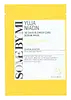
This brightening sheet mask is formulated around Arbutin to fade the look of dark spots and brighten dull-looking skin.
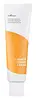
This brightening moisturizer is formulated around Hippophae Rhamnoides Fruit Extract and Niacinamide to brighten dull-looking skin and fade the look of dark spots.

What's inside
What's inside
 Key Ingredients
Benefits
Concerns
Ingredients Side-by-side
Niacinamide Glycolate 2%
Skin Conditioning
Citrus Junos Fruit Extract
Skin ConditioningMethylpropanediol
Solvent1,2-Hexanediol
Skin Conditioning
Hydroxyacetophenone
Antioxidant
Arginine
Masking
Acrylates/C10-30 Alkyl Acrylate Crosspolymer
Emulsion StabilisingButylene Glycol
Humectant
Hydroxyethylcellulose
Emulsion StabilisingAllantoin
Skin Conditioning

Carbomer
Emulsion StabilisingPropanediol
Solvent
Polyglyceryl-4 Caprate
EmulsifyingPolyglyceryl-6 Caprylate
EmulsifyingAdenosine
Skin Conditioning
Ethylhexylglycerin
Skin ConditioningDisodium EDTA
Coptis Japonica Root Extract
Skin ConditioningPanthenol
Skin Conditioning
Tocopherol
Antioxidant


Portulaca Oleracea Extract
Skin Conditioning
Helianthus Annuus Seed Oil
Emollient


Pogostemon Cablin Leaf Oil
Masking

Cymbopogon Martini Oil
Masking
Arbutin
Antioxidant
3-O-Ethyl Ascorbic Acid
Skin Conditioning


Tricholoma Matsutake Extract
Skin ConditioningScutellaria Baicalensis Root Extract
Astringent
Oryza Sativa Extract
Absorbent
Angelica Keiskei Leaf/Stem Extract
Skin ConditioningPanax Ginseng Root Extract
Emollient
Rosmarinus Officinalis Leaf Extract
AntimicrobialHyaluronic Acid
Humectant
Hydrolyzed Hyaluronic Acid
Humectant
Sodium Hyaluronate
Humectant
Glutathione
Limonene
Perfuming

Geraniol
Perfuming
Niacinamide Glycolate 2%, Citrus Junos Fruit Extract, Methylpropanediol, 1,2-Hexanediol, Hydroxyacetophenone, Arginine, Acrylates/C10-30 Alkyl Acrylate Crosspolymer, Butylene Glycol, Hydroxyethylcellulose, Allantoin, Carbomer, Propanediol, Polyglyceryl-4 Caprate, Polyglyceryl-6 Caprylate, Adenosine, Ethylhexylglycerin, Disodium EDTA, Coptis Japonica Root Extract, Panthenol, Tocopherol, Portulaca Oleracea Extract, Helianthus Annuus Seed Oil, Pogostemon Cablin Leaf Oil, Cymbopogon Martini Oil, Arbutin, 3-O-Ethyl Ascorbic Acid, Tricholoma Matsutake Extract, Scutellaria Baicalensis Root Extract, Oryza Sativa Extract, Angelica Keiskei Leaf/Stem Extract, Panax Ginseng Root Extract, Rosmarinus Officinalis Leaf Extract, Hyaluronic Acid, Hydrolyzed Hyaluronic Acid, Sodium Hyaluronate, Glutathione, Limonene, Geraniol
Hippophae Rhamnoides Fruit Extract
Skin Conditioning
Butylene Glycol
Humectant
Pentylene Glycol
Skin Conditioning
Water
Skin Conditioning1,2-Hexanediol
Skin Conditioning
Niacinamide
Smoothing

Ethylhexyl Palmitate
Emollient

Caprylic/Capric Triglyceride
Masking
Moringa Oleifera Seed Oil
Emollient
Lycium Barbarum Fruit Extract
Astringent
Euterpe Oleracea Fruit Extract
Myrciaria Dubia Fruit Extract
Skin ConditioningHippophae Rhamnoides Oil
Emollient
Beta-Glucan
Skin Conditioning
Olea Europaea Fruit Oil
Masking
Carthamus Tinctorius Seed Oil
Masking
Phytosphingosine
Skin Conditioning
Polyacrylic Acid
Emulsion StabilisingCyanocobalamin
Skin ConditioningSodium Ascorbyl Phosphate
Antioxidant
Biotin
AntiseborrhoeicPyridoxine
Skin ConditioningGlyceryl Arachidonate
Emollient
Mangifera Indica Seed Butter
Skin Conditioning
Sodium Acrylate/Sodium Acryloyldimethyl Taurate Copolymer
Emulsion StabilisingIsohexadecane
EmollientCeramide NP
Skin Conditioning
Argania Spinosa Kernel Oil
Emollient
Macadamia Ternifolia Seed Oil
Emollient
Polyglyceryl-10 Stearate
Skin Conditioning
Hydroxypropyl Guar
Emulsion StabilisingPanthenol
Skin Conditioning
Carbomer
Emulsion StabilisingGlyceryl Acrylate/Acrylic Acid Copolymer
HumectantArginine
Masking
Sucrose Distearate
Emollient
Pvm/Ma Copolymer
Emulsion StabilisingDisodium EDTA
Glycerin
Humectant
Thiamine Hcl
MaskingHydrogenated Lecithin
Emulsifying
Tocopheryl Acetate
Antioxidant
Glyceryl Linolenate
Emollient
Polysorbate 80
Emulsifying
Ethyl Hexanediol
SolventRetinyl Palmitate
Skin Conditioning
Hippophae Rhamnoides Fruit Extract, Butylene Glycol, Pentylene Glycol, Water, 1,2-Hexanediol, Niacinamide, Ethylhexyl Palmitate, Caprylic/Capric Triglyceride, Moringa Oleifera Seed Oil, Lycium Barbarum Fruit Extract, Euterpe Oleracea Fruit Extract, Myrciaria Dubia Fruit Extract, Hippophae Rhamnoides Oil, Beta-Glucan, Olea Europaea Fruit Oil, Carthamus Tinctorius Seed Oil, Phytosphingosine, Polyacrylic Acid, Cyanocobalamin, Sodium Ascorbyl Phosphate, Biotin, Pyridoxine, Glyceryl Arachidonate, Mangifera Indica Seed Butter, Sodium Acrylate/Sodium Acryloyldimethyl Taurate Copolymer, Isohexadecane, Ceramide NP, Argania Spinosa Kernel Oil, Macadamia Ternifolia Seed Oil, Polyglyceryl-10 Stearate, Hydroxypropyl Guar, Panthenol, Carbomer, Glyceryl Acrylate/Acrylic Acid Copolymer, Arginine, Sucrose Distearate, Pvm/Ma Copolymer, Disodium EDTA, Glycerin, Thiamine Hcl, Hydrogenated Lecithin, Tocopheryl Acetate, Glyceryl Linolenate, Polysorbate 80, Ethyl Hexanediol, Retinyl Palmitate
Ingredients Explained
These ingredients are found in both products.
Ingredients higher up in an ingredient list are typically present in a larger amount.
1,2-Hexanediol is a synthetic liquid and another multi-functional powerhouse.
It is a:
- Humectant, drawing moisture into the skin
- Emollient, helping to soften skin
- Solvent, dispersing and stabilizing formulas
- Preservative booster, enhancing the antimicrobial activity of other preservatives
Arginine is a semi-essential amino acid. This just means our bodies can product a bit on its own, but sometimes needs a little boost from food sources.
It is a part of your skin's natural moisturizing factor (NMF), or the water-loving molecules in your outermost layer of skin (stratum corneum) that keeps everything hydrated and happy.
Here's an interesting thing about Arginine: your skin converts it into urea through the Krebs-Henseleit urea cycle. Urea is one of the most effective humectants your skin naturally produces.
A clinical study showed applying 2.5% arginine hydrochloride to atopic dermatitis skin showed significant urea levels in the stratum corneum and improved moisture in just four weeks.
Arginine is also a precursor to nitric oxide; nitric oxide improves microcirculation and supports wound healing and collagen synthesis.
One study found that an amino acid complex containing Arginine reduced skin irritation, improved hydration, and accelerated skin repair in clinical / in-vivo studies.
Arginine itself is an amino acid and not a fatty acid, oil, or ester. On its own, it's not a direct food source for Malassezia, or the yeast that causes fungal acne.
Learn more about ArginineButylene Glycol (or BG) is used within cosmetic products for a few different reasons:
Overall, Butylene Glycol is a safe and well-rounded ingredient that works well with other ingredients.
Though this ingredient works well with most skin types, some people with sensitive skin may experience a reaction such as allergic rashes, closed comedones, or itchiness.
Learn more about Butylene GlycolCarbomer is a synthetic thickening and gelling agent. It's basically the ingredient that gives a lot of serums, gels, creams, and sunscreens their smooth, non-sticky texture.
Although legally permitted at very high levels, carbomers are normally used at concentrations below 1%.
It also needs to be neutralized to actually thicken, and because it is a large molecule, it doesn't really penetrate the skin barrier.
Allergy-wise, the risk is very low. Clinical studies show carbomers have low potential for skin irritation/sensitization even at concentrations up to 100%.
A 2024 UK study patch-tested 1,302 patients and found true allergy to the parent group of carbomer to be rare with no confirmed relevant reactions.
Learn more about CarbomerDisodium EDTA is a chelating agent. It grabs onto and deactivates metal ions that sneak into your products from water, packaging, or air.
This ingredient mainly works behind the scenes and helps with:
On top of that, this ingredient can counteract the effects of hard water by binding to the minerals in it.
One thing worth knowing is that Disodium EDTA has been shown to be a mild penetration enhancer. It can help other ingredients absorb into skin more effectively which can be a double-edged sword (great for actives, but can also make the active too strong if you have sensitive skin).
Clinical patch testing showed no significant skin irritation at typical use concentrations and minimal dermal absorption.
You'll most likely see this ingredient near the end of an ingredient list. It's typically found in concentrations less than 1%.
Learn more about Disodium EDTAPanthenol is a common ingredient that helps hydrate and soothe the skin. It is found naturally in our skin and hair.
There are two forms of panthenol: D and L.
D-panthenol is also known as dexpanthenol. Most cosmetics use dexpanthenol or a mixture of D and L-panthenol.
Panthenol is famous due to its ability to go deeper into the skin's layers. Using this ingredient has numerous pros (and no cons):
Like hyaluronic acid, panthenol is a humectant. Humectants are able to bind and hold large amounts of water to keep skin hydrated.
This ingredient works well for wound healing. It works by increasing tissue in the wound and helps close open wounds.
Once oxidized, panthenol converts to pantothenic acid. Panthothenic acid is found in all living cells.
This ingredient is also referred to as pro-vitamin B5.
Learn more about Panthenol

