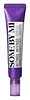
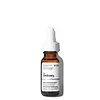
Some By Mi Retinol Intense Advanced Triple Action Eye Cream Versus The Ordinary Multi-Peptide Eye Serum
This anti-aging eye moisturizer is formulated around Niacinamide and Retinol to soften the look of wrinkles and fade the look of dark spots.
This anti-aging eye moisturizer is formulated around Niacinamide and Palmitoyl Tripeptide-38 to soften the look of wrinkles and fade the look of dark spots.


What's inside
What's inside
 Key Ingredients
Benefits
Concerns
Ingredients Side-by-side
Water
Skin ConditioningGlycerin
Humectant


Caprylic/Capric Triglyceride
Masking
Dimethicone
Emollient
Polysorbate 60
Emulsifying

Niacinamide
Smoothing









Methylpropanediol
SolventCetyl Alcohol
Emollient
Polymethylsilsesquioxane
Centella Asiatica Extract
Cleansing
Dioscorea Japonica Root Extract
Skin Conditioning
Piper Methysticum Leaf/Root/Stem Extract
Skin ConditioningMelaleuca Alternifolia Leaf Extract
Perfuming
Panax Ginseng Berry Extract
Skin Conditioning
Artemisia Capillaris Extract
Ganoderma Lucidum Stem Extract
Skin ConditioningChlorella Vulgaris Extract
Skin ConditioningGlycine Soja Seed Extract
Skin Conditioning
Nymphaea Alba Flower Extract
Skin ConditioningElaeis Guineensis Oil
Emollient


Hydrogenated Lecithin
Emulsifying
Sodium Hyaluronate
Humectant
1,2-Hexanediol
Skin Conditioning
Dimethicone/Vinyl Dimethicone Crosspolymer
Skin Conditioning
Panthenol
Skin Conditioning
BHT
Antioxidant
Cyclopentasiloxane
Emollient
Steareth-21
CleansingPEG-10 Dimethicone/Vinyl Dimethicone Crosspolymer
Stabilising
Polyacrylamide
Steareth-2
EmulsifyingIsohexadecane
EmollientCarbomer
Emulsion StabilisingHydroxyacetophenone
Antioxidant
C13-14 Isoparaffin
Emollient
Tromethamine
BufferingPalmitic Acid
Emollient
Polyquaternium-51
Skin Conditioning
Stearic Acid
Cleansing
Polysorbate 20
Emulsifying
Retinol 0.1%
Skin Conditioning

Ethylhexylglycerin
Skin ConditioningGlyceryl Caprylate
EmollientTocopheryl Acetate
Antioxidant
Polyglyceryl-10 Myristate
Skin Conditioning
PEG-30 Dipolyhydroxystearate
Emulsifying
Hydroxyethylcellulose
Emulsion StabilisingGlycosyl Trehalose
Emulsion StabilisingBeta-Glucan
Skin Conditioning
Glyceryl Polymethacrylate
Laureth-7
EmulsifyingButylene Glycol
Humectant
Disodium EDTA
ChelatingHydrogenated Starch Hydrolysate
HumectantAdenosine
Skin Conditioning
Raffinose
Skin ConditioningDipotassium Glycyrrhizate
Humectant
Lecithin
Emollient
Tocopherol
Antioxidant
Pentylene Glycol
Skin Conditioning
BHA
Antioxidant
Myristic Acid
Cleansing
Tranexamic Acid
Astringent
Propanediol
Solvent
Dipropylene Glycol
HumectantDisodium Phosphate
BufferingCaprylyl Glycol
Emollient
Collagen
Moisturising
Madecassic Acid
Skin Conditioning
Biosaccharide Gum-1
Humectant
Asiaticoside
Antioxidant
Sodium Palmitoyl Proline
Skin ConditioningLeuconostoc/Radish Root Ferment Filtrate
Antimicrobial
Asiatic Acid
Skin Conditioning
Glutathione
Retinal
Skin Conditioning
Madecassoside
Antioxidant
Sodium Phosphate
BufferingFerulic Acid
Antimicrobial
Acetyl Hexapeptide-8
Humectant
Ammonium Acryloyldimethyltaurate/Vp Copolymer
Tetrahydropiperine
Skin ConditioningPhloretin
Antioxidant
Arginine
Masking
Parfum
Masking
Water, Glycerin, Caprylic/Capric Triglyceride, Dimethicone, Polysorbate 60, Niacinamide, Methylpropanediol, Cetyl Alcohol, Polymethylsilsesquioxane, Centella Asiatica Extract, Dioscorea Japonica Root Extract, Piper Methysticum Leaf/Root/Stem Extract, Melaleuca Alternifolia Leaf Extract, Panax Ginseng Berry Extract, Artemisia Capillaris Extract, Ganoderma Lucidum Stem Extract, Chlorella Vulgaris Extract, Glycine Soja Seed Extract, Nymphaea Alba Flower Extract, Elaeis Guineensis Oil, Hydrogenated Lecithin, Sodium Hyaluronate, 1,2-Hexanediol, Dimethicone/Vinyl Dimethicone Crosspolymer, Panthenol, BHT, Cyclopentasiloxane, Steareth-21, PEG-10 Dimethicone/Vinyl Dimethicone Crosspolymer, Polyacrylamide, Steareth-2, Isohexadecane, Carbomer, Hydroxyacetophenone, C13-14 Isoparaffin, Tromethamine, Palmitic Acid, Polyquaternium-51, Stearic Acid, Polysorbate 20, Retinol 0.1%, Ethylhexylglycerin, Glyceryl Caprylate, Tocopheryl Acetate, Polyglyceryl-10 Myristate, PEG-30 Dipolyhydroxystearate, Hydroxyethylcellulose, Glycosyl Trehalose, Beta-Glucan, Glyceryl Polymethacrylate, Laureth-7, Butylene Glycol, Disodium EDTA, Hydrogenated Starch Hydrolysate, Adenosine, Raffinose, Dipotassium Glycyrrhizate, Lecithin, Tocopherol, Pentylene Glycol, BHA, Myristic Acid, Tranexamic Acid, Propanediol, Dipropylene Glycol, Disodium Phosphate, Caprylyl Glycol, Collagen, Madecassic Acid, Biosaccharide Gum-1, Asiaticoside, Sodium Palmitoyl Proline, Leuconostoc/Radish Root Ferment Filtrate, Asiatic Acid, Glutathione, Retinal, Madecassoside, Sodium Phosphate, Ferulic Acid, Acetyl Hexapeptide-8, Ammonium Acryloyldimethyltaurate/Vp Copolymer, Tetrahydropiperine, Phloretin, Arginine, Parfum
Water
Skin ConditioningGlycerin
Humectant
Butylene Glycol
Humectant
Propanediol
Solvent
Dipropylene Glycol
HumectantAcetyl Glucosamine
Skin Conditioning
Niacinamide
Smoothing
Palmitoyl Tripeptide-38
Skin Conditioning
Acetyl Tetrapeptide-5
Humectant
Myristoyl Nonapeptide-3
Skin Conditioning
Dipeptide Diaminobutyroyl Benzylamide Diacetate
Skin Conditioning
Caffeine
Skin Conditioning
Epigallocatechin Gallatyl Glucoside
Antioxidant
Gallyl Glucoside
Antioxidant
Fraxinus Excelsior Bark Extract
Skin ConditioningSilanetriol
Arginine
Masking
Pentylene Glycol
Skin Conditioning
Hydroxymethoxyphenyl Decanone
Skin ConditioningPropyl Gallate
Antioxidant
Maltodextrin
Absorbent
Hydroxypropyl Cyclodextrin
MaskingHydroxyethylcellulose
Emulsion StabilisingXanthan Gum
EmulsifyingCitric Acid
Buffering
Glycolic Acid
Buffering
Sodium Citrate
BufferingPolysorbate 20
Emulsifying
Trisodium Ethylenediamine Disuccinate
ChelatingDehydroacetic Acid
Preservative
Ethylhexylglycerin
Skin ConditioningBenzyl Alcohol
Perfuming

Phenoxyethanol
Preservative
Chlorphenesin
Antimicrobial
Water, Glycerin, Butylene Glycol, Propanediol, Dipropylene Glycol, Acetyl Glucosamine, Niacinamide, Palmitoyl Tripeptide-38, Acetyl Tetrapeptide-5, Myristoyl Nonapeptide-3, Dipeptide Diaminobutyroyl Benzylamide Diacetate, Caffeine, Epigallocatechin Gallatyl Glucoside, Gallyl Glucoside, Fraxinus Excelsior Bark Extract, Silanetriol, Arginine, Pentylene Glycol, Hydroxymethoxyphenyl Decanone, Propyl Gallate, Maltodextrin, Hydroxypropyl Cyclodextrin, Hydroxyethylcellulose, Xanthan Gum, Citric Acid, Glycolic Acid, Sodium Citrate, Polysorbate 20, Trisodium Ethylenediamine Disuccinate, Dehydroacetic Acid, Ethylhexylglycerin, Benzyl Alcohol, Phenoxyethanol, Chlorphenesin
Reviews
Ingredients Explained
These ingredients are found in both products.
Ingredients higher up in an ingredient list are typically present in a larger amount.
Arginine is a semi-essential amino acid. This just means our bodies can product a bit on its own, but sometimes needs a little boost from food sources.
It is a part of your skin's natural moisturizing factor (NMF), or the water-loving molecules in your outermost layer of skin (stratum corneum) that keeps everything hydrated and happy.
Here's an interesting thing about Arginine: your skin converts it into urea through the Krebs-Henseleit urea cycle. Urea is one of the most effective humectants your skin naturally produces.
A clinical study showed applying 2.5% arginine hydrochloride to atopic dermatitis skin showed significant urea levels in the stratum corneum and improved moisture in just four weeks.
Arginine is also a precursor to nitric oxide; nitric oxide improves microcirculation and supports wound healing and collagen synthesis.
One study found that an amino acid complex containing Arginine reduced skin irritation, improved hydration, and accelerated skin repair in clinical / in-vivo studies.
Arginine itself is an amino acid and not a fatty acid, oil, or ester. On its own, it's not a direct food source for Malassezia, or the yeast that causes fungal acne.
Learn more about ArginineButylene Glycol (or BG) is used within cosmetic products for a few different reasons:
Overall, Butylene Glycol is a safe and well-rounded ingredient that works well with other ingredients.
Though this ingredient works well with most skin types, some people with sensitive skin may experience a reaction such as allergic rashes, closed comedones, or itchiness.
Learn more about Butylene GlycolDipropylene Glycol is a synthetically created humectant, stabilizer, and solvent.
This ingredient helps:
Dipropylene glycol is technically an alcohol, but it belongs to the glycol family (often considered part of the ‘good’ alcohols). This means it is hydrating and gentle on skin unlike drying solvent alcohols like denatured alcohol.
As a masking agent, Dipropylene Glycol can be used to cover the smell of other ingredients. However, it does not have a scent.
Studies show Dipropylene Glycol is considered safe to use in skincare.
Learn more about Dipropylene GlycolEthylhexylglycerin is created from glycerin. It is a multitasker ingredient that:
The CIR Expert Panel found minimal skin absorption or sensitization of any kind in a safety assessment. Though this ingredient is considered well-tolerated, a small number of cases of allergic dermatitis have been published since 2002. Just be sure to patch test if you are unsure.
Industry-reported use ranges from 8% in rinse-off products and 2% in leave-on formulations.
Learn more about EthylhexylglycerinGlycerin (or glycerol) is a compound naturally found in your skin. It's a powerhouse humectant that pulls water into the stratum corneum.
Topically, glycerin does several things at once:
Your skin makes glycerin on its own (mostly from sebaceous oil breakdown) and shuttles it to your outermost layer of skin, or your epidermis, via aquaporin-3.
Aquaporin-3 is a transporter that is essential for normal skin hydration, elasticity, and repair. Interestingly, mice lacking in AQP3 have dry and less elastic skin that can be fully corrected with glycerin.
This ingredient is non-irritating, plays well with almost every ingredient, and works across all skin types. Typical use is anywhere between 3-10% but can go up to 79% in some leave-on products.
Just know very high concentrations (>40%) can feel tacky in low humidity.
Glycerin is the name for this ingredient in American English. British English uses Glycerol/Glycerine.
Learn more about GlycerinHydroxyethylcellulose is used to improve the texture of products. It is created from a chemical reaction involving ethylene oxide and alkali-cellulose. Cellulose is a sugar found in plant cell walls and help give plants structure.
This ingredient helps stabilize products by preventing ingredients from separating. It can also help thicken the texture of a product.
This ingredient can also be found in pill medicines to help our bodies digest other ingredients.
Learn more about HydroxyethylcelluloseNiacinamide is a multitasking form of vitamin B3 that strengthens the skin barrier, reduces pores and dark spots, regulates oil, and improves signs of aging.
And the best part? It's gentle and well-tolerated by most skin types, including sensitive and reactive skin.
You might have heard of "niacin flush", or the reddening of skin that causes itchiness. Niacinamide has not been found to cause this.
In very rare cases, some individuals may not be able to tolerate niacinamide at all or experience an allergic reaction to it.
If you are experiencing flaking, irritation, and dryness with this ingredient, be sure to double check all your products as this ingredient can be found in all categories of skincare.
When incorporating niacinamide into your routine, look out for concentration amounts. Typically, 5% niacinamide provides benefits such as fading dark spots. However, if you have sensitive skin, it is better to begin with a smaller concentration.
When you apply niacinamide to your skin, your body converts it into nicotinamide adenine dinucleotide (NAD). NAD is an essential coenzyme that is already found in your cells as "fuel" and powers countless biological processes.
In your skin, NAD helps repair cell damage, produce new healthy cells, support collagen production, strengthen the skin barrier, and fight environmental stressors (like UV and pollution).
Our natural NAD levels start to decline with age, leading to slower skin repair, visible aging, and a weaker skin barrier. By providing your skin niacinamide, you're recharging your skin's NAD levels. This leads to stronger, healthier, and younger looking skin.
Another name for vitamin B3 is nicotinamide. This vitamin is water-soluble and our bodies don't store it. We obtain Vitamin B3 from either food or skincare. Meat, fish, wheat, yeast, and leafy greens contain vitamin B3.
The type of niacinamide used in skincare is synthetically created.
Learn more about NiacinamidePentylene Glycol (1,2-pentanediol) is a multitasking little diol with three main roles in a formula:
Research on alkanediols (the family pentylene glycol belongs to) show they work by disrupting microbial cell membranes. This disruption helps the primary preservative system in a product work more effectively at lower doses.
On the safety side, the Cosmetic Ingredient Review Expert Panel has concluded this ingredient to be safe as used in current cosmetic practices + concentrations.
Typical use levels in a formula run about 1-5%.
Learn more about Pentylene GlycolPolysorbate 20 is a gentle, water-soluble emulsifier and mild surfactant. It stops oil and water from separating to keep your formulas blended and stable.
It also acts as a mild penetration enhancer by helping active ingredients absorb slightly better.
The common safety discussion around this ingredient involves a manufacturing byproduct called 1,4-dioxane.
Trace amounts can form during production but the EU's Scientific Committee on Consumer Safety has concluded that levels at/below 10 ppm in finished products are safe (commercial products consistently fall within acceptable margins).
True allergic reactions are uncommon and the CIR Expert Panel has confirmed this ingredient to be safe as used in cosmetics.
Because it is derived from lauric acid, it may not be fungal acne safe.
Learn more about Polysorbate 20Propanediol is an all-star ingredient. It softens, hydrates, and smooths the skin.
It’s often used to:
Propanediol is not likely to cause sensitivity and considered safe to use. It is derived from corn or petroleum with a clear color and no scent.
Learn more about PropanediolWater. It's the most common cosmetic ingredient of all. You'll usually see it at the top of ingredient lists, meaning that it makes up the largest part of the product.
So why is it so popular? Water most often acts as a solvent - this means that it helps dissolve other ingredients into the formulation.
You'll also recognize water as that liquid we all need to stay alive. If you see this, drink a glass of water. Remember to stay hydrated!
Learn more about Water

