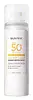
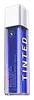
Skintific All Day Light Sunscreen Mist SPF 50 PA++++ Versus Skinmade Super Vitamins Broad-Spectrum + Blue Light Sunscreen SPF50+ PA++++
This chemical sunscreen covers most of the UV range, lighter on the deep UVA that drives aging.
This mineral sunscreen covers the full UV range and blocks ~98% of UVB at SPF 50.


What's inside
What's inside
 Key Ingredients
Benefits
Concerns
Ingredients Side-by-side
Butane
Propane
Isobutane
Isododecane
EmollientWater
Skin ConditioningDisiloxane
Skin Conditioning
Dimethicone
Emollient
Ethylhexyl Methoxycinnamate
UV Absorber


Ethylhexyl Salicylate
UV Absorber
Diethylamino Hydroxybenzoyl Hexyl Benzoate
UV Filter
Menthyl Lactate
Masking
Ethylhexyl Triazone
UV Absorber
Silica
Abrasive


Methyl Methacrylate Crosspolymer
Silica Dimethyl Silylate
EmollientMethicone
Emollient
Hamamelis Virginiana Water
Astringent

Methylparaben
Preservative

Aroma


Ethylhexylglycerin
Skin ConditioningPropanediol
Solvent

Piper Methysticum Leaf/Root/Stem Extract
Skin ConditioningCentella Asiatica Extract
Cleansing



Scutellaria Baicalensis Root Extract
Astringent
Portulaca Oleracea Extract
Skin Conditioning
Phenoxyethanol
Preservative
Ceramide EOP
Skin Conditioning
Ceramide Ns
Skin Conditioning
Ceramide NP
Skin Conditioning
Ceramide As
Skin Conditioning
Ceramide AP
Skin Conditioning
Bifida Ferment Lysate
Skin Conditioning
Pentylene Glycol
Skin Conditioning
Diethoxydiglycol
Solvent1,2-Hexanediol
Skin Conditioning
Pvp
Emulsion StabilisingChlorphenesin
Antimicrobial
Disodium EDTA
BHT
Antioxidant
Butane, Propane, Isobutane, Isododecane, Water, Disiloxane, Dimethicone, Ethylhexyl Methoxycinnamate, Ethylhexyl Salicylate, Diethylamino Hydroxybenzoyl Hexyl Benzoate, Menthyl Lactate, Ethylhexyl Triazone, Silica, Methyl Methacrylate Crosspolymer, Silica Dimethyl Silylate, Methicone, Hamamelis Virginiana Water, Methylparaben, Aroma, Ethylhexylglycerin, Propanediol, Piper Methysticum Leaf/Root/Stem Extract, Centella Asiatica Extract, Scutellaria Baicalensis Root Extract, Portulaca Oleracea Extract, Phenoxyethanol, Ceramide EOP, Ceramide Ns, Ceramide NP, Ceramide As, Ceramide AP, Bifida Ferment Lysate, Pentylene Glycol, Diethoxydiglycol, 1,2-Hexanediol, Pvp, Chlorphenesin, Disodium EDTA, BHT
Aloe Barbadensis Leaf Juice
Skin Conditioning
Cyclopentasiloxane
Emollient
Zinc Oxide
Cosmetic Colorant
Titanium Dioxide
Cosmetic Colorant
Butylene Glycol
Humectant
Glycerin
Humectant
Silica
Abrasive
C12-15 Alkyl Benzoate
AntimicrobialGlycyrrhiza Glabra Root Extract
Bleaching

Centella Asiatica Extract
Cleansing
Styrene/Acrylates Copolymer
Tetrahexyldecyl Ascorbate
Antioxidant
Panthenol
Skin Conditioning
Oryza Sativa Bran Extract
Skin Conditioning
Niacinamide
Smoothing

Carnosine
Skin Conditioning
Alpha-Glucan Oligosaccharide
Cleansing
Dimethicone
Emollient
Aluminum Hydroxide
EmollientMagnesium Sulfate
Disteardimonium Hectorite
StabilisingEctoin
Skin Conditioning
Trimethylsiloxysilicate
Emollient
Stearic Acid
Cleansing

Hydroxyacetophenone
Antioxidant
Avena Sativa Kernel Extract
Abrasive
Rubus Idaeus Fruit Extract
AstringentPolyglutamic Acid
Skin Conditioning
Crithmum Maritimum Extract
Skin ConditioningCordyceps Sinensis Extract
Antioxidant
Propylene Carbonate
SolventIron Oxides
Spiraea Ulmaria Extract
AstringentLycium Barbarum Fruit Extract
Astringent
Ginkgo Biloba Leaf Extract
Skin Conditioning
Chondrus Crispus Extract
Skin Conditioning
Ubiquinone
Antioxidant
Quercetin
Antioxidant
Epigallocatechin Gallate
Antioxidant
Bisabolol
Antioxidant
Polyhydroxystearic Acid
Emulsifying
Astaxanthin
Skin Conditioning
Tocopheryl Acetate
Antioxidant
Phenoxyethanol
Preservative
Triethoxycaprylylsilane
Sodium Hyaluronate
Humectant
Sodium Hyaluronate Crosspolymer
Humectant
Hydrolyzed Sodium Hyaluronate
Skin Conditioning
Sodium Acetylated Hyaluronate
Humectant
Camellia Japonica Flower Extract
EmollientDimethicone/Vinyl Dimethicone Crosspolymer
Skin Conditioning
Pentaerythrityl Tetra-Di-T-Butyl Hydroxyhydrocinnamate
Antioxidant
Pentylene Glycol
Skin Conditioning
Ethylhexylglycerin
Skin ConditioningAloe Barbadensis Leaf Juice, Cyclopentasiloxane, Zinc Oxide, Titanium Dioxide, Butylene Glycol, Glycerin, Silica, C12-15 Alkyl Benzoate, Glycyrrhiza Glabra Root Extract, Centella Asiatica Extract, Styrene/Acrylates Copolymer, Tetrahexyldecyl Ascorbate, Panthenol, Oryza Sativa Bran Extract, Niacinamide, Carnosine, Alpha-Glucan Oligosaccharide, Dimethicone, Aluminum Hydroxide, Magnesium Sulfate, Disteardimonium Hectorite, Ectoin, Trimethylsiloxysilicate, Stearic Acid, Hydroxyacetophenone, Avena Sativa Kernel Extract, Rubus Idaeus Fruit Extract, Polyglutamic Acid, Crithmum Maritimum Extract, Cordyceps Sinensis Extract, Propylene Carbonate, Iron Oxides, Spiraea Ulmaria Extract, Lycium Barbarum Fruit Extract, Ginkgo Biloba Leaf Extract, Chondrus Crispus Extract, Ubiquinone, Quercetin, Epigallocatechin Gallate, Bisabolol, Polyhydroxystearic Acid, Astaxanthin, Tocopheryl Acetate, Phenoxyethanol, Triethoxycaprylylsilane, Sodium Hyaluronate, Sodium Hyaluronate Crosspolymer, Hydrolyzed Sodium Hyaluronate, Sodium Acetylated Hyaluronate, Camellia Japonica Flower Extract, Dimethicone/Vinyl Dimethicone Crosspolymer, Pentaerythrityl Tetra-Di-T-Butyl Hydroxyhydrocinnamate, Pentylene Glycol, Ethylhexylglycerin
Reviews
Ingredients Explained
These ingredients are found in both products.
Ingredients higher up in an ingredient list are typically present in a larger amount.
Centella Asiatica Extract (Centella) is one of the most researched botanical extracts in skincare with decades of studies backing its effects on inflammation, collagen, and the skin barrier.
That research keeps pointing back to the same four triterpenoid saponins: Asiaticoside, Madecassoside, Asiatic Acid, and Madecassic Acid.
These compounds allow centella to dial back inflammation, encourage the skin to build and hold onto collagen, support the barrier and hydration, and bring solid antioxidant activity to protect against signs of aging.
Centella also carries a nice supporting cast of Vitamin A, vitamin C, several B vitamins, and amino acids. Put it all together and you get an ingredient that soothes, hydrates, and protects, all at once.
Most of centella's magic comes from the four big compounds (Asiaticoside, Madecassoside, Asiatic Acid, and Madecassic Acid). These are the actives doing the heavy lifting in almost every centella study.
Here is the short version of what they do in the skin:
So it is not just soothing for the sake of soothing. Centella calms the skin AND helps it rebuild.
Just FYI, not all centella on an ingredient list is the same. What you are getting actually depends on the extract:
Fun fact on the ratios: the leaves tend to be richest in Madecassoside and Asiaticoside, and lower in the two acids. The exact amounts shift with where the plant is grown and how it is processed. This means purity really does vary brand to brand.
Centella is one of the most easygoing actives out there.
It layers well with basically everything: niacinamide, hyaluronic acid, peptides, and vitamin C, and also pairs nicely with stronger actives like retinoids and exfoliating acids where it can help take the edge off irritation.
On the safety side, centella and its triterpenes are classified as weak sensitizers, meaning allergic reactions are possible but uncommon.
Patch tests at 1% and 5% came back negative in test panels, and creams at typical use levels did not cause allergic reactions across large groups of people.
But as with any new active, a patch test is still a smart move for very reactive skin.
Centella is widely used because it is effective at low percentages. For context, human safety testing found no meaningful irritation from creams containing centella extract at everyday use levels (the tested amounts were well under 1%).
The irritancy threshold in animal testing was also above 30% (so real-world formulas sit far below anything concerning).
In collagen lab studies, higher concentrations drove more collagen synthesis, so serums built around centella tend to feature it more prominently.
Bottom line: you will find centella working nicely anywhere from a fraction of a percent up to hero-ingredient levels depending on whether it is a supporting soother or the main event.
Fun fact: Centella has been used as a medicine and in food for many centuries. As a medicine, it is used to treat burns, scratches, and wounds.
Learn more about Centella Asiatica ExtractDimethicone is a type of synthetic silicone created from natural materials such as quartz. It is also known as polydimethylsiloxane.
What it does:
Dimethicone comes in different viscosities:
Depending on the viscosity, dimethicone has different properties.
Ingredients lists don't always show which type is used, so we recommend reaching out to the brand if you have questions about the viscosity.
This ingredient is unlikely to cause irritation because it does not get absorbed into skin. However, people with silicone allergies should be careful about using this ingredient.
Note: Dimethicone may contribute to pilling. This is because it is not oil or water soluble, so pilling may occur when layered with products. When mixed with heavy oils in a formula, the outcome is also quite greasy.
Learn more about DimethiconeEthylhexylglycerin is created from glycerin. It is a multitasker ingredient that:
The CIR Expert Panel found minimal skin absorption or sensitization of any kind in a safety assessment. Though this ingredient is considered well-tolerated, a small number of cases of allergic dermatitis have been published since 2002. Just be sure to patch test if you are unsure.
Industry-reported use ranges from 8% in rinse-off products and 2% in leave-on formulations.
Learn more about EthylhexylglycerinPentylene Glycol (1,2-pentanediol) is a multitasking little diol with three main roles in a formula:
Research on alkanediols (the family pentylene glycol belongs to) show they work by disrupting microbial cell membranes. This disruption helps the primary preservative system in a product work more effectively at lower doses.
On the safety side, the Cosmetic Ingredient Review Expert Panel has concluded this ingredient to be safe as used in current cosmetic practices + concentrations.
Typical use levels in a formula run about 1-5%.
Learn more about Pentylene GlycolPhenoxyethanol is one of the most widely used preservatives in skincare (and for good reason!).
It has a large spectrum of antimicrobial activity and especially effective bacteria, yeast, and mold while only having a weak effect on your skin's natural microbiome.
On a cellular level, it disrupts the cell membranes of microbes by poking holes that make the cell leak. This shuts down the chemical reactions the microbe needs to make energy so it can no longer survive.
Another perk of this ingredient is that it stays functional across a wide pH range (3-10).
You'll often see it paired with boosters like Ethylhexylglycerin; one study showed that a 1:9 ratio of Ethylhexylglycerin to Phenoxyethanol damages bacterial membranes as effectively as doubling the Phenoxyethanol concentration on its own.
Typical use concentrations range from 0.3-1% depending on the formula, and this ingredient is capped at 1% int the EU.
Safety-wise, the fear mongering does not hold up to the evidence. The EU's Scientific Committee on Consumer Safety and FDA consider it safe as a preservative at up to 1%, including for children of all ages.
Adverse systemic effects only showed up in animal studies at exposures roughly 200x higher than what people get from cosmetics. And despite its very widespread use, this ingredient is a rare sensitizer and allergic reactions are uncommon.
Learn more about PhenoxyethanolSilica, also known as silicon dioxide, is a naturally occurring mineral. It is used as a fine, spherical, and porous powder in cosmetics.
Though it has exfoliant properties, the function of silica varies depending on the product.
The unique structure of silica enhances the spreadability and adds smoothness, making it a great texture enhancer.
It is also used as an active carrier, emulsifier, and mattifier due to its ability to absorb excess oil.
In some products, tiny microneedles called spicules are made from silica or hydrolyzed sponge. When you rub them in, they lightly polish away dead skin layers and enhance the penetration of active ingredients.
Learn more about Silica

