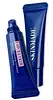
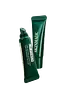
Skinmade Lip Elixir Overnight Maximum Treatment Pro-Collagen Lip Mask Versus Skinmade Lip Power Light-Activated Maximum Boost Super Antioxidants
This hydrating lip mask is formulated around Petrolatum and Squalane to hydrate lips and soften the look of wrinkles.
This brightening lip moisturizer is formulated around Tetrahexyldecyl Ascorbate and Glycyrrhiza Glabra Root Extract to brighten dull-looking skin and fade the look of dark spots.

What's inside
What's inside
 Key Ingredients
Benefits
Concerns
Ingredients Side-by-side
Petrolatum
Emollient



Polyisobutene
Diisostearyl Malate
EmollientMicrocrystalline Wax
Emulsion StabilisingHydrogenated Polyisobutene
EmollientPhytosteryl/Octyldodecyl Lauroyl Glutamate
Skin ConditioningPolyglyceryl-2 Triisostearate
Emulsifying

Caprylic/Capric Triglyceride
Masking

Tocopheryl Acetate
Antioxidant


Hydrogenated Styrene/Isoprene Copolymer
Limnanthes Alba Seed Oil
Skin Conditioning
Simmondsia Chinensis Seed Oil
Emollient
Helianthus Annuus Seed Wax
Skin Conditioning
Squalane
Emollient
Anemarrhena Asphodeloides Root Extract
Skin Conditioning
Butyrospermum Parkii Butter
Skin Conditioning

Hydrogenated Lecithin
Emulsifying
Macadamia Integrifolia Seed Oil
Skin Conditioning
Persea Gratissima Oil
Skin Conditioning
Hexanoyl Dipeptide-3 Norleucine Acetate
Skin Conditioning
C18-36 Acid Triglyceride
EmollientOpuntia Ficus-Indica Seed Oil
Emollient
Dunaliella Salina Extract
Skin ConditioningAvena Sativa Kernel Oil
Skin Conditioning
Glycine Soja Oil
Emollient
Chlorella Ferment
Skin Conditioning
Ectoin
Skin Conditioning
Pentylene Glycol
Skin Conditioning
C12-15 Alkyl Benzoate
AntimicrobialDimethyl Isosorbide
SolventSesamum Indicum Seed Extract
Skin Conditioning
Palmitoyl Tripeptide-38
Skin Conditioning
Sh-Polypeptide-121
Skin Conditioning
Palmitoyl Tripeptide-1
Skin Conditioning
Palmitoyl Tetrapeptide-7
Skin Conditioning
Tridecapeptide-1
Skin Conditioning
Copper Tripeptide-1
Skin Conditioning
Hexapeptide-9
Skin Conditioning
Acetyl Hexapeptide-8
Humectant
Acetyl Tetrapeptide-5
Humectant
Palmitoyl Pentapeptide-4
Skin Conditioning
Sodium Hyaluronate
Humectant
Ceramide Ns
Skin Conditioning
Ceramide NP
Skin Conditioning
Ceramide AP
Skin Conditioning
Ceramide As
Skin Conditioning
Ceramide EOP
Skin Conditioning
Sorbitan Laurate
Emulsifying
C18-36 Acid Glycol Ester
EmollientBisabolol
Antioxidant
Zingiber Officinale Root Extract
Masking
Tocopherol
Antioxidant
Panthenol
Skin Conditioning
Ascorbic Acid
Antioxidant
Sodium Benzoate
Masking
Cyanocobalamin
Skin ConditioningPentaerythrityl Tetra-Di-T-Butyl Hydroxyhydrocinnamate
Antioxidant
Beta-Carotene
Skin ConditioningPetrolatum, Polyisobutene, Diisostearyl Malate, Microcrystalline Wax, Hydrogenated Polyisobutene, Phytosteryl/Octyldodecyl Lauroyl Glutamate, Polyglyceryl-2 Triisostearate, Caprylic/Capric Triglyceride, Tocopheryl Acetate, Hydrogenated Styrene/Isoprene Copolymer, Limnanthes Alba Seed Oil, Simmondsia Chinensis Seed Oil, Helianthus Annuus Seed Wax, Squalane, Anemarrhena Asphodeloides Root Extract, Butyrospermum Parkii Butter, Hydrogenated Lecithin, Macadamia Integrifolia Seed Oil, Persea Gratissima Oil, Hexanoyl Dipeptide-3 Norleucine Acetate, C18-36 Acid Triglyceride, Opuntia Ficus-Indica Seed Oil, Dunaliella Salina Extract, Avena Sativa Kernel Oil, Glycine Soja Oil, Chlorella Ferment, Ectoin, Pentylene Glycol, C12-15 Alkyl Benzoate, Dimethyl Isosorbide, Sesamum Indicum Seed Extract, Palmitoyl Tripeptide-38, Sh-Polypeptide-121, Palmitoyl Tripeptide-1, Palmitoyl Tetrapeptide-7, Tridecapeptide-1, Copper Tripeptide-1, Hexapeptide-9, Acetyl Hexapeptide-8, Acetyl Tetrapeptide-5, Palmitoyl Pentapeptide-4, Sodium Hyaluronate, Ceramide Ns, Ceramide NP, Ceramide AP, Ceramide As, Ceramide EOP, Sorbitan Laurate, C18-36 Acid Glycol Ester, Bisabolol, Zingiber Officinale Root Extract, Tocopherol, Panthenol, Ascorbic Acid, Sodium Benzoate, Cyanocobalamin, Pentaerythrityl Tetra-Di-T-Butyl Hydroxyhydrocinnamate, Beta-Carotene
Polyisobutene
Hydrogenated Polydecene
EmollientDicaprylyl Carbonate
EmollientPetrolatum
Emollient
Microcrystalline Wax
Emulsion StabilisingZinc Oxide
Cosmetic Colorant

Tetrahexyldecyl Ascorbate
Antioxidant
Diethylamino Hydroxybenzoyl Hexyl Benzoate
UV Filter
Caprylic/Capric Triglyceride
Masking
Glycyrrhiza Glabra Root Extract
Bleaching
Bis-Ethylhexyloxyphenol Methoxyphenyl Triazine
UV Absorber
Ethylhexyl Triazone
UV Absorber
Hydrogenated Styrene/Isoprene Copolymer
Beeswax
Emulsion Stabilising
Tocopheryl Acetate
Antioxidant
Kojic Dipalmitate
Emollient
Macadamia Integrifolia Seed Oil
Skin Conditioning
Limnanthes Alba Seed Oil
Skin Conditioning
Simmondsia Chinensis Seed Oil
Emollient
Beta Vulgaris Root Extract
Skin ConditioningSqualane
Emollient
Butyrospermum Parkii Butter
Skin Conditioning
Oligopeptide-68
Bleaching
Opuntia Ficus-Indica Seed Oil
Emollient
Dunaliella Salina Extract
Skin ConditioningPunica Granatum Seed Extract
Skin ConditioningDiacetyl Boldine
Skin Conditioning
Avena Sativa Kernel Oil
Skin Conditioning
Glycine Soja Oil
Emollient
Helianthus Annuus Seed Oil
Emollient
Daucus Carota Sativa Seed Oil
Emollient
Ganoderma Lucidum Extract
Skin Protecting
Dipalmitoyl Hydroxyproline
Skin Conditioning
Resveratrol
Antioxidant
Silybum Marianum Fruit Extract
Skin Conditioning
Palmitoyl Sh-Octapeptide-24 Amide
Skin Conditioning
Palmitoyl Tripeptide-5
Skin Conditioning
Palmitoyl Sh-Tripeptide-5 Norisoleucyl Sh-Nonapeptide-1
Skin Conditioning
Triethoxycaprylylsilane

Tridecyl Trimellitate
EmollientLactic Acid/Glycolic Acid Copolymer
Skin ConditioningGlyceryl Citrate/Lactate/Linoleate/Oleate
Emulsifying
Ectoin
Skin Conditioning
Ubiquinone
Antioxidant
Pentaerythrityl Tetra-Di-T-Butyl Hydroxyhydrocinnamate
Antioxidant
Tocopherol
Antioxidant
Maltodextrin
Absorbent
Cyanocobalamin
Skin ConditioningBeta-Carotene
Skin ConditioningPolyisobutene, Hydrogenated Polydecene, Dicaprylyl Carbonate, Petrolatum, Microcrystalline Wax, Zinc Oxide, Tetrahexyldecyl Ascorbate, Diethylamino Hydroxybenzoyl Hexyl Benzoate, Caprylic/Capric Triglyceride, Glycyrrhiza Glabra Root Extract, Bis-Ethylhexyloxyphenol Methoxyphenyl Triazine, Ethylhexyl Triazone, Hydrogenated Styrene/Isoprene Copolymer, Beeswax, Tocopheryl Acetate, Kojic Dipalmitate, Macadamia Integrifolia Seed Oil, Limnanthes Alba Seed Oil, Simmondsia Chinensis Seed Oil, Beta Vulgaris Root Extract, Squalane, Butyrospermum Parkii Butter, Oligopeptide-68, Opuntia Ficus-Indica Seed Oil, Dunaliella Salina Extract, Punica Granatum Seed Extract, Diacetyl Boldine, Avena Sativa Kernel Oil, Glycine Soja Oil, Helianthus Annuus Seed Oil, Daucus Carota Sativa Seed Oil, Ganoderma Lucidum Extract, Dipalmitoyl Hydroxyproline, Resveratrol, Silybum Marianum Fruit Extract, Palmitoyl Sh-Octapeptide-24 Amide, Palmitoyl Tripeptide-5, Palmitoyl Sh-Tripeptide-5 Norisoleucyl Sh-Nonapeptide-1, Triethoxycaprylylsilane, Tridecyl Trimellitate, Lactic Acid/Glycolic Acid Copolymer, Glyceryl Citrate/Lactate/Linoleate/Oleate, Ectoin, Ubiquinone, Pentaerythrityl Tetra-Di-T-Butyl Hydroxyhydrocinnamate, Tocopherol, Maltodextrin, Cyanocobalamin, Beta-Carotene
Ingredients Explained
These ingredients are found in both products.
Ingredients higher up in an ingredient list are typically present in a larger amount.
This ingredient is also known as oat kernel oil. It's an emollient and skin conditioning agent that is great for barrier support, hydrating skin, and calming irritation.
The fatty acid profile is dominated by linoleic acid (~22.8-43.1%), oleic acid (~31.4-51.3%), and palmitic acid (~13.9-18.8%).
Plus, it contains ceramides, phytosterols, phospholipids, vitamin E, and avenanthramides (oat's signature anti-inflammatory polyphenols).
One study found an oat lipid extract applied to human skin cells switched on receptors that tell skin cells to mature properly and make more barrier lipids (including a 70% boost in ceramides).
Basically, oat kernel oil doesn't just sit on top of skin, it nudges your skin to build more its of its own barrier.
Typical usage levels range from 1-10%.
Note: This ingredient may not be fungal acne safe due to the fatty acids present.
Learn more about Avena Sativa Kernel OilBeta-Carotene is a fat-soluble carotenoid pigment. It is the thing responsible for giving carrots, sweet potatoes, apricots, and other orange-yellow produce their color.
It is a potent antioxidant that neutralizes free radicals (mainly reactive oxygen species) that come at your skin from both the environment and internal processes.
When applied topically, beta-carotene accumulates in your outermost layer of skin and acts as a first-line defense against photo-oxidative stress.
Research has established that carotenoids like beta-carotene boosts your skin's innate resistance against UVB induced erythema. Please know this does not mean beta-carotene can replace your sunscreen.
Newer studies show it can also help inhibit molecular markers of oxidative stress like MMP-1 and MMP-9, enzymes that break down collagen.
In some cases, it can be used as a cosmetic colorant as well (INCI name: CI 40800).
Beta-carotene pairs well with other antioxidants like Vitamin E and Vitamin C for a synergistic effect.
Learn more about Beta-CaroteneThis ingredient is also known as shea butter. It is a plant-derived extract from the nuts of the Africa shea tree and one of the most well-studied emollients.
Because it has a high concentration of fatty acids (primarily oleic, stearic, and linoleic) it is able to form a protective barrier on the skin's surface. This helps seal in moisture and prevents transepidermal water loss (TEWL).
In vitro research found an increase in skin hydration by 58% and a decrease in TEWL by 37.8% after 24 hours of applying this ingredient (pretty impressive for a single ingredient!).
Besides hydration, shea butter also contains triterpenes that have anti-inflammatory potential. In particule, lupeol cinnamate has shown the highest anti-inflammatory activity in vivo.
Shea butter also contains vitamins A and E which may contribute to antioxidant activity.
While Shea Butter has an SPF rating of about 3-4, it is not a sunscreen replacement.
This ingredient may not be fungal acne safe because its fatty acids fall within the C11-C24 range that the Malassezia yeast can metabolize.
This ingredient shows up on a lot of "pore-clogging" lists but there's no real evidence behind that. It doesn't even have a comedogenic rating from an actual study; the numbers you'll find online come from blogs citing other blogs.
Ratings for other ingredients mostly come from a 1980s rabbit ear test. This test doesn't translate well to human skin or to real products because the ingredient sits at a much lower percentage.
Some people still find it breaks them out. So if that's you, definitely trust your skin. Just know this one's based on experience and not evidence.
Learn more about Butyrospermum Parkii ButterCaprylic/Capric Triglyceride (aka MCT Oil) is a lightweight emollient, solvent, and texture enhancer. It is considered a skin-softener by helping to prevent moisture loss.
Though it behaves like an oil, it is not technically one due to its chemical composition. One perk of this ingredient is that it is very stable, resistant to oxidation, and unlikely to go rancid.
In practice, that translates to a long shelf life and a consistently elegant skin feel.
While there is an assumption Caprylic Triglyceride can clog pores due to it being derived from coconut oil, there is no research supporting this. Just patch test if you have concerns.
Fractionated coconut oil and MCT Oil are both listed as Caprylic/Capric Triglyceride according to INCI. This is because INCI names are based on the ingredient’s final chemical composition and not its marketing name or source.
This ingredient is treated as the gold standard fungal acne safe oil. Even though it is coconut derived, the problematic lauric acid is stripped out.
This leaves just caprylic (C8) and capric (C10) acid. These chain lengths actually trend antifungal; a 2020 study found caprylic acid was enough to disrupt Malassezia furfur cell membrane, with a caprylic acid derivative damaging membrane structures at concentrations as low as 0.2%.
Learn more about Caprylic/Capric TriglycerideCyanocobalamin is the manufactured version of vitamin B12. It has skin soothing, antioxidant, and barrier protecting properties. Topical cyanocobalamin is used to treat skin irritation and atopic dermatitis.
This is an extract from a tiny green algae that lives in super salty water. It survives the blazing sun by pumping out huge amounts of carotenoids, which is exactly why the cosmetics industry became interested in it.
The first thing to know: this one INCI name covers different materials; some versions are water or glycerin extracts, some are orange beta-carotene oleoresins, and some are purified CO2 extracts where the colored stuff is stripped out and only the colorless carotenoids (phytoene and phytofluene) are left.
All the research on is it the last kind and it's usually sold as "Simmondsia Chinensis Seed Oil + Dunaliella Salina Extract". So a product having this on the label doesn't guarantee it's the version that was studied.
In cosmetics, it's a skin conditioning agent sold as an anti-glycation and antioxidant active for sun care.
The main study behind it: 25 women used a cream with 1% of the extract on one side of the face and placebo on the other for 8 weeks during a Portuguese summer with daily beach-level sun.
The active side had fewer wrinkles, fewer red spots, lower glycation scores, and calmer reactions to a histamine challenge compared to the placebo side.
Lab tests on skin explants back this up with less inflammatory signals and less of the glycation marker.
Just know this is one small study done by the supplier, so take it as promising rather than proven for now.
Tolerance data looks good: a 50 person repeat insult patch test showed no sensitization at all and 48 hour patch tests came back with zero reactions. There are also no allergy case reports.
Typical use is ~1%.
No comedogenicity testing has been published for this ingredient so nobody can give you a real rating.
The extract itself is used at around 1% and carotenoids are not known comedogens. The variable is the carrier; the colorless-carotenoid version ships in jojoba seed oil or hydrogenated polydecene.
So the question of whether it will clog pores is really about the finished formula, not this ingredient.
Learn more about Dunaliella Salina ExtractEctoin is a compound found naturally in some species of bacteria. It can be synthetically created for skincare use.
This ingredient is an osmolyte; Osmolytes help organisms survive osmotic shock (it protects them from extreme conditions). It does this by influencing the properties of biological fluids within cells.
When applied to the skin, ectoin helps bind water molecules to protect our skin. The water forms a sort of armor for the parts of our skin cells, enzymes, proteins, and more.
Besides this, ectoin has many uses in skincare:
A study from 2004 found ectoin to counteract the damage from UV-A exposure at different cell levels. It has also been shown to protect skin against both UV-A, UV-B rays, infrared light, and visible light.
Studies show ectoin to have dual-action pollution protection: first, it protects our skin from further pollution damage. Second, it helps repair damage from pollution.
In fact, ectoin has been shown to help with:
Fun fact: In the EU, ectoin is used in inhalation medication as an anti-pollution ingredient.
Ectoin is a highly stable ingredient. It has a wide pH range of 1-9. Light, oxygen, and temperature do not affect this ingredient.
The chemical name for this ingredient is Tetrahydromethylpyrimidine Carboxylic Acid.
Learn more about EctoinGlycine Soja Oil is a plant-derived oil from soybean seeds. Like other oils, it is rich in essential fatty acids (mostly linoleic and oleic) that support skin hydration and barrier function.
The fatty acids are able to integrate into the lipid matrix of the stratum corneum to help soften skin and reduce water loss.
On top of that, soybean oil is rich in vitamins like vitamin E, a potent antioxidant.
Research on soybean's active components also point to anti-inflammatory, collagen-stimulating, antioxidant activity, and protection against UV-induced oxidative damage.
Most of this research applies to the broader soybean plant and not just the oil fraction alone.
This ingredient does carry a comedogenic rating of 3 from the old rabbit-ear assay. Just remember testing finished products in humans showed that formulas built with "comedogenic" ingredients are not necessarily comedogenic themselves. It's worth patch testing if you're breakout prone, and always listen to your skin.
Because this ingredient is a saturated triglyceride, it may not be fungal acne safe. This is because Malassezia breaks down sebum triglycerides into fatty acids it can consume, making this ingredient a possible source for the yeast.
Learn more about Glycine Soja OilWe don't have a description for Hydrogenated Styrene/Isoprene Copolymer yet.
Limnanthes Alba Seed Oil is from the seeds of the meadowfoam plant. It is a skin conditioning agent and emollient that sits on top of skin to soften and hydrate it.
Over 98% of the oil is made up of long-chain fatty acids, mostly aachidic acid (61%), docosenoic acid (~16%), and docosadienoic acid (~18%).
This combination is not really found in any other plant oil and is the reason this is one of the most stable botanical oils available.
Some studies show it to be more stable than jojoba oil, helps a product resist going rancid, and can help extend the shelf life of a formula.
It also naturally contains vitamin E and phytosterols that give it a mild antioxidant benefit.
This ingredient is typically used from around 1% to fairly high levels since it's gentle; it's well-tolerated and low on the irritation scale.
Learn more about Limnanthes Alba Seed OilThis ingredient is also known as Macadamia Seed Oil. It's an emollient with a fatty acid profile that closely mirrors the skin's own lipid makeup.
The palmitoleic acid content is especially notable as it's somewhat rare in plant oils. Palmitoleic acid is something your skin already makes naturally. It helps keep cell membranes structured and plays a role in fighting off harmful microbes.
This palmitoleic content is also part of why macademia seed oil absorbs quickly and doesn't leave much of a greasy residue.
It also contains oleic acid, linoleic acid, and phytosterols that can help reduce redness.
In vitro research has shown the oil to have meaningful antioxidant activity, protect fats in the skin from oxidative damage, and slow down the enzyme that breaks down hyaluronic acid.
A 2024 clinical study found it effective at improving skin hydratino and reducing wrinkle appearance when formulated into nanoemulsions.
Because it carries oleic acid (C18) and palmitic acid (C16), this ingredient may not be fungal acne safe. This is because the Malassezia yeast metabolizes in the C11-24 chain length range.
You'll also see this ingredient listed as: Macadamia Ternifolia Seed Oil.
This is the same ingredient; M. ternifolia is an older INCI naming convention for the edible macadamia nut, while M. integrifolia is the species actually cultivated for oil production. Both names refer to the same oil.
Learn more about Macadamia Integrifolia Seed OilMicrocrystalline Wax is derived from petroleum through a de-oiling process, then highly refined and purified before use in cosmetics.
In skincare formulations, it is used to improve texture and create a smooth, even consistency. It also helps stabilize products by preventing ingredients from separating.
This ingredient is also known as prickly pear seed oil (PPSO); it's one of the more nutritionally dense plant oils you can find in cosmetics.
Its fatty acid profile is dominated by linoleic acid (57-65%), followed by oleic (16-22%), and palmitic (12-16%).
That high linoleic acid content is a big deal for skin. Linoleic acid is a key component of the skin's own lipid barrier and this combination is associated with improved skin hydration + barrier repair.
PPSO also contains some phytosterols and is exceptionally rich in tocopherols (vitamin E). The phytosterols contribute to anti-inflammatory activity and the tocopherols provide meaningful antioxidant protection.
Animal studies have shown that topical application of PPSO reduced edema formation and inflammatory cell infiltration; this supports its traditional use for wound healing and skin inflammation.
In vitro studies, preclinical, and clinical evidence all point to a very low toxicity profile for this ingredient.
Typical use levels range from 1-100% :
Fungal acne: The Malassezia species can metabolize fatty acids with carbon chain lengths between C11-24. Linoleic, oleic, and palmitic acid fall into this range, making PPSO not fungal acne safe.
Learn more about Opuntia Ficus-Indica Seed OilPentaerythrityl Tetra-Di-T-Butyl Hydroxyhydrocinnamate (long name, huh?) is a synthetic antioxidant.
It is used to help stabilize other antioxidants or prevent the color from changing in a product.
As an antioxidant, it helps fight free-radical molecules. Free-radical molecules are capable of damaging our cells and other genetic material. Thus, antioxidants may reduce the signs of aging.
This ingredient is oil-soluble.
Learn more about Pentaerythrityl Tetra-Di-T-Butyl HydroxyhydrocinnamatePetrolatum is more commonly known as petroleum jelly. It is created by mixing waxes and mineral oils.
This ingredient is effective at reducing water loss by 99%. This is because it is an occlusive. Occlusives create a hydrophobic barrier on the skin to prevent evaporation. This property makes it great for hydrating dry skin.
Pro tip: Use occlusives, such as this ingredient, on damp skin for the best results.
The quality or origin of petrolatum is only known when disclosed by the brand. Most cosmetic petrolatum has gone through several purification stages.
Another benefit of occlusives is it protects your skin against infection or allergies.
Petrolatum is fungal acne safe. It is a hydrocarbon with no fatty acid structure, so Malassezia cannot metabolize it. In-vitro studies support negligible growth stimulation as well.
It's also worth noting that petrolatum has a comedogenic rating of 0. In updated rabbit ear testing (and in human testing), petrolatum was found to be not comedogenic. This means it didn’t promote comedone formation in standard models.
Learn more about PetrolatumPolyisobutene is a synthetic polymer made from isobutene.
It is a film-forming agent and helps bind ingredients together.
Polyisobutene is not absorbed by the skin.
Learn more about PolyisobuteneJojoba oil is one of the most well-studied plant-derived ingredients in cosmetics. It is an emollient with a special structure.
Because it is made up of 97-98% wax esters, it closely mirrors the linear monoesters found in human sebum. This makes it skin compatible, non-greasy, and lightweight.
Unlike other plant oils, jojoba wax doesn't easily penetrate skin. It mostly works in the uppermost layers as an emollient. This just means it forms a light barrier on the skin to help retain moisture.
Formulations with jojoba esters up to 90% reduced transepidermal water loss (TEWL) and increased barrier recovery by 81% (outperforming bisabolol at 47%).
Besides barrier support, the science also suggests jojoba to have anti-inflammatory effects and potential applications for skin infections, aging, and wound healing.
Fun fact: Indigenous cultures have used jojoba as a moisturizer and to help treat burns for centuries.
Fungal acne: The Malassezia yeast is known to metabolize fatty acids in the C11-24 range and jojoba's dominant fatty acid components fall into this range. This ingredient may not be fungal acne safe.
Learn more about Simmondsia Chinensis Seed OilSqualane is the hydrogenated and shelf-stable form of squalene (a lipid that naturally occurs in human sebum).
It is an emollient and skin conditioning agent that is able to integrate seamlessly into the skin's lipid barrier without clogging pores.
This is due to how structurally similar it is to what your skin already produces.
Though it is mostly an emollient that helps soften and hydrate skin, it also has some humectant and occlusive action. Humectants help the skin retain moisture while occlusives seal it in, making squalane a triple-threat moisturizer.
Research shows it has antioxidant capabilities that help protect against stressors like UV exposure, specifically UVA induced oxidative stress. This study also found that it supports collagen biosynthesis in human dermal fibroblasts.
No clinical study has reported significant adverse effects and irritation reactions are very rare from this ingredient (even at 100% concentration).
Overall, it's a fantastic ingredient for hydration and is suitable for all skin types.
This depends on the source. Squalane can be derived from both plants and animals. Most squalane used in skincare comes from plants.
Please note: the source of squalane is only known if disclosed by the brand. We recommend reaching out to the brand if you have any questions about their squalane.
Read more about squalene with an "e".
Though squalane is often called an oil, it’s technically not one. It is a hydrocarbon, meaning it is only made of carbon and hydrogen. True oils are triglycerides and made of fatty acids and glycerol.
The term “oil-free” isn’t regulated so companies can define it however they want. Some exclude all oils, while others just avoid mineral oil or comedogenic oils.
Squalane has a comedogenic rating of 1 from the original 1972 study that tested raw ingredients under occlusion on rabbit ears. This system is not standardized or peer-reviewed, and using the raw ingredients is very different from how diluted cosmetic formulations are used on human skin.
A comedogenic rating of 1 means it is "unlikely to clog pores" according to the original rating system.
The overall formula of a product matters more than the individual ingredients on whether or not it will cause clogged pores.
Learn more about SqualaneTocopherol is a fat-soluble antioxidant known as Vitamin E.
You'll find this ingredient in the vast majority of skincare (for good reason). It works to neutralize free radicals, or unstable molecules generated by UV exposure, pollution, and other environmental stressors, before they can cause oxidative damage to your skin cells.
Topically applied tocopherol has been shown to protect against UV damage by ramping up the skin's own natural defense enzymes.
It also acts as a skin conditioning agent; some studies show that regular topical use can improve the skin's water-binding capacity over 2-4 weeks.
This ingredient is especially loved for being a team player. When combined with Vitamin C, the photoprotective effect of both ingredients roughly doubles and the combo also helps reduce UV-induced DNA damage.
This ingredient has some brightening potential but it's more of a prevention ingredient than spot-fader. Cell studies show it can slow down melanin production but it's worth noting that it's not the most powerful brightener out there.
In formulations, it also serves as a stabilizer that helps protect other oxidation-prone ingredients from degrading.
Concentrations usually range from 0.1-1% in most leave-on products.
Learn more about TocopherolTocopheryl Acetate is a stable, shelf-friendly form of vitamin E.
Formulators love it because plain vitamin E oxidizes quickly once it hits air. This acetate version stays stable and resists going off, helping to extend a product's shelf life.
It's actually inactive on its own and works like a slow-release "storage" form; the enzymes in your skin called esterases gradually convert it into active vitamin E over time.
One in vivo study showed 5% of the acetate in the living layer of the epidermis converted to vitamin E after 5 days of application. This study also found the skin gained protection against UV damage even though the conversion was slow and small.
Once converted, vitamin E acts as a skin's main fat-soluble antioxidant that fights free radicals to protect skin from damage.
Topical vitamin E generally boosts the skin's photoprotection, and it reduced UV-damage in animal models.
This ingredient has some brightening potential but it's more of a prevention ingredient than spot-fader. Cell studies show it can slow down melanin production but it's worth noting that it's not the most powerful brightener out there.
Overall, it has a pretty solid safety profile and has been found to be non-irritating and non-comedogenic. Allergic reactions may happen but stay rare due to how widely the ingredient gets used.
The concentration will vary depending on the formula; industry data shows 0.1% in baby lotions, 3% in lipsticks, and 5% in foot powders. You can also find this ingredient at 100% in a pure vitamin E oil.
Most leave-on skincare keeps it at the lower end, often between 0.5-1%.
Learn more about Tocopheryl Acetate

