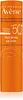
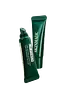
Avène Sun Sensitive Lip Balm SPF 50+ Versus Skinmade Lip Power Light-Activated Maximum Boost Super Antioxidants
This lip moisturizer is formulated around Hydrogenated Castor Oil to hydrate lips.
This brightening lip moisturizer is formulated around Tetrahexyldecyl Ascorbate and Glycyrrhiza Glabra Root Extract to brighten dull-looking skin and fade the look of dark spots.


What's inside
What's inside
 Key Ingredients
Benefits
Concerns
Ingredients Side-by-side
Octyldodecanol
Emollient
Polyethylene
Abrasive

Butylene Glycol Cocoate
Emulsifying



Hydrogenated Microcrystalline Wax
Emulsion StabilisingBis-Ethylhexyloxyphenol Methoxyphenyl Triazine
UV Absorber
Diethylamino Hydroxybenzoyl Hexyl Benzoate
UV Filter
Diethylhexyl Butamido Triazone
UV Absorber
Butyl Methoxydibenzoylmethane
UV Absorber
Ethylhexyl Salicylate
UV Absorber
Beeswax
Emulsion Stabilising

Hydrogenated Castor Oil
Emollient

Water
Skin ConditioningAluminum Hydroxide
EmollientButylene Glycol
Humectant
Caprylic/Capric Triglyceride
Masking
Disodium Stearoyl Glutamate
CleansingMethyl Methacrylate Crosspolymer

Oxothiazolidine
Skin ProtectingSaccharin
MaskingSodium Benzoate
Masking
CI 77891
Cosmetic ColorantTocopheryl Glucoside
EmollientOctyldodecanol, Polyethylene, Butylene Glycol Cocoate, Hydrogenated Microcrystalline Wax, Bis-Ethylhexyloxyphenol Methoxyphenyl Triazine, Diethylamino Hydroxybenzoyl Hexyl Benzoate, Diethylhexyl Butamido Triazone, Butyl Methoxydibenzoylmethane, Ethylhexyl Salicylate, Beeswax, Hydrogenated Castor Oil, Water, Aluminum Hydroxide, Butylene Glycol, Caprylic/Capric Triglyceride, Disodium Stearoyl Glutamate, Methyl Methacrylate Crosspolymer, Oxothiazolidine, Saccharin, Sodium Benzoate, CI 77891, Tocopheryl Glucoside
Polyisobutene
Hydrogenated Polydecene
EmollientDicaprylyl Carbonate
EmollientPetrolatum
Emollient
Microcrystalline Wax
Emulsion StabilisingZinc Oxide
Cosmetic Colorant
Tetrahexyldecyl Ascorbate
Antioxidant






Diethylamino Hydroxybenzoyl Hexyl Benzoate
UV Filter
Caprylic/Capric Triglyceride
Masking
Glycyrrhiza Glabra Root Extract
Bleaching

Bis-Ethylhexyloxyphenol Methoxyphenyl Triazine
UV Absorber
Ethylhexyl Triazone
UV Absorber
Hydrogenated Styrene/Isoprene Copolymer
Beeswax
Emulsion Stabilising
Tocopheryl Acetate
Antioxidant
Kojic Dipalmitate
Emollient
Macadamia Integrifolia Seed Oil
Skin Conditioning
Limnanthes Alba Seed Oil
Skin Conditioning
Simmondsia Chinensis Seed Oil
Emollient
Beta Vulgaris Root Extract
Skin ConditioningSqualane
Emollient
Butyrospermum Parkii Butter
Skin Conditioning
Oligopeptide-68
Bleaching
Opuntia Ficus-Indica Seed Oil
Emollient
Dunaliella Salina Extract
Skin ConditioningPunica Granatum Seed Extract
Skin ConditioningDiacetyl Boldine
Skin Conditioning
Avena Sativa Kernel Oil
Skin Conditioning
Glycine Soja Oil
Emollient
Helianthus Annuus Seed Oil
Emollient
Daucus Carota Sativa Seed Oil
Emollient
Ganoderma Lucidum Extract
Skin Protecting
Dipalmitoyl Hydroxyproline
Skin Conditioning
Resveratrol
Antioxidant
Silybum Marianum Fruit Extract
Skin Conditioning
Palmitoyl Sh-Octapeptide-24 Amide
Skin Conditioning
Palmitoyl Tripeptide-5
Skin Conditioning
Palmitoyl Sh-Tripeptide-5 Norisoleucyl Sh-Nonapeptide-1
Skin Conditioning
Triethoxycaprylylsilane

Tridecyl Trimellitate
EmollientLactic Acid/Glycolic Acid Copolymer
Skin ConditioningGlyceryl Citrate/Lactate/Linoleate/Oleate
Emulsifying
Ectoin
Skin Conditioning
Ubiquinone
Antioxidant
Pentaerythrityl Tetra-Di-T-Butyl Hydroxyhydrocinnamate
Antioxidant
Tocopherol
Antioxidant
Maltodextrin
Absorbent
Cyanocobalamin
Skin ConditioningBeta-Carotene
Skin ConditioningPolyisobutene, Hydrogenated Polydecene, Dicaprylyl Carbonate, Petrolatum, Microcrystalline Wax, Zinc Oxide, Tetrahexyldecyl Ascorbate, Diethylamino Hydroxybenzoyl Hexyl Benzoate, Caprylic/Capric Triglyceride, Glycyrrhiza Glabra Root Extract, Bis-Ethylhexyloxyphenol Methoxyphenyl Triazine, Ethylhexyl Triazone, Hydrogenated Styrene/Isoprene Copolymer, Beeswax, Tocopheryl Acetate, Kojic Dipalmitate, Macadamia Integrifolia Seed Oil, Limnanthes Alba Seed Oil, Simmondsia Chinensis Seed Oil, Beta Vulgaris Root Extract, Squalane, Butyrospermum Parkii Butter, Oligopeptide-68, Opuntia Ficus-Indica Seed Oil, Dunaliella Salina Extract, Punica Granatum Seed Extract, Diacetyl Boldine, Avena Sativa Kernel Oil, Glycine Soja Oil, Helianthus Annuus Seed Oil, Daucus Carota Sativa Seed Oil, Ganoderma Lucidum Extract, Dipalmitoyl Hydroxyproline, Resveratrol, Silybum Marianum Fruit Extract, Palmitoyl Sh-Octapeptide-24 Amide, Palmitoyl Tripeptide-5, Palmitoyl Sh-Tripeptide-5 Norisoleucyl Sh-Nonapeptide-1, Triethoxycaprylylsilane, Tridecyl Trimellitate, Lactic Acid/Glycolic Acid Copolymer, Glyceryl Citrate/Lactate/Linoleate/Oleate, Ectoin, Ubiquinone, Pentaerythrityl Tetra-Di-T-Butyl Hydroxyhydrocinnamate, Tocopherol, Maltodextrin, Cyanocobalamin, Beta-Carotene
Reviews
Ingredients Explained
These ingredients are found in both products.
Ingredients higher up in an ingredient list are typically present in a larger amount.
Beeswax is natural wax produced by honey bees to build their honeycomb.
Because it forms a protective layer on your skin, it can help lock in moisture and reduce water loss. It is also widely used as a thickener and emulsifier in lip balms and lotions. Research suggests beeswax containing moisturizers can support skin barrier integrity.
In comedogenic testing, Beeswax scored a 0-2, which is on the low end. Whether or not a product clogs your pores really comes down to the formula as a whole (not any single ingredient on its own) and your skin.
Cera Alba is the white, bleached form of this ingredient.
Just so you know, beeswax is not vegan since it is animal-derived. It cannot be removed with water, but can be taken off with an oil cleanser.
People with a known Propolis allergy also report to have reactions from beeswax.
Beeswax's wax esters are derived primarily from palmitic and oleic acid (C16 and C18:1). Both of these fall within the C11-C24 feeding window.
The Malassezia yeast can potentially cleave these esters and release usable fatty acids, so this ingredient may not be fungal acne safe. However, not everyone will react to this ingredient.
Learn more about BeeswaxThis ingredient is better known as bemotrizinol or Tinosorb S and is one of the best broad-spectrum UV filters in modern sunscreen.
It works by absorbing UV light across a whole range (280-400 nm) with peaks around 310 nm (UVB) and 340-345 nm (UVA). This means it covers UVB plus the deeper UVA wavelengths that drive photoaging and pigmentation.
Another pro?
It's exceptionally photostable, barely degrades in sunlight, and acts as a "bodyguard" for less stable filters.
That's why you'll see it paired with avobenzone or octinoxate; this team up ensures they keep working through sun exposure.
Safety reviews have been reassuring across the board. This ingredient shows low absorption through the skin, rarely irritates, and lab studies found it doesn't act like a hormone in the body (a concern that's been raised about some older sunscreen filters).
On maximum concentrations:
In 2026, the US F.D.A finally added it as an OTC sunscreen ingredient at concentrations up to 6% for adults / children 6 months and older
Learn more about Bis-Ethylhexyloxyphenol Methoxyphenyl TriazineCaprylic/Capric Triglyceride (aka MCT Oil) is a lightweight emollient, solvent, and texture enhancer. It is considered a skin-softener by helping to prevent moisture loss.
Though it behaves like an oil, it is not technically one due to its chemical composition. One perk of this ingredient is that it is very stable, resistant to oxidation, and unlikely to go rancid.
In practice, that translates to a long shelf life and a consistently elegant skin feel.
While there is an assumption Caprylic Triglyceride can clog pores due to it being derived from coconut oil, there is no research supporting this. Just patch test if you have concerns.
Fractionated coconut oil and MCT Oil are both listed as Caprylic/Capric Triglyceride according to INCI. This is because INCI names are based on the ingredient’s final chemical composition and not its marketing name or source.
This ingredient is treated as the gold standard fungal acne safe oil. Even though it is coconut derived, the problematic lauric acid is stripped out.
This leaves just caprylic (C8) and capric (C10) acid. These chain lengths actually trend antifungal; a 2020 study found caprylic acid was enough to disrupt Malassezia furfur cell membrane, with a caprylic acid derivative damaging membrane structures at concentrations as low as 0.2%.
Learn more about Caprylic/Capric TriglycerideDiethylamino Hydroxybenzoyl Hexyl Benzoate (DHHB) is a chemical UV-A absorber. It is formulated for high UVA protection (320-400 nm).
DHHB is well-liked for:
DHHB has been approved by the EU, Japan, Taiwan, and South America for use up to 10%. Unfortunately, it has not been approved for use in the US or Canada due to slow regulatory processes.
This ingredient is soluble in oils, fats, and lipids.
Learn more about Diethylamino Hydroxybenzoyl Hexyl Benzoate

