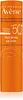
This lip moisturizer is formulated around Hydrogenated Castor Oil to hydrate lips.
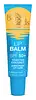
This barrier-repair lip moisturizer is formulated around Ricinus Communis Seed Oil and Butyrospermum Parkii Butter to strengthen the lip barrier and hydrate lips.


What's inside
What's inside
 Key Ingredients
Benefits
Concerns
Ingredients Side-by-side
Octyldodecanol
Emollient
Polyethylene
Abrasive

Butylene Glycol Cocoate
Emulsifying



Hydrogenated Microcrystalline Wax
Emulsion StabilisingBis-Ethylhexyloxyphenol Methoxyphenyl Triazine
UV Absorber
Diethylamino Hydroxybenzoyl Hexyl Benzoate
UV Filter
Diethylhexyl Butamido Triazone
UV Absorber
Butyl Methoxydibenzoylmethane
UV Absorber
Ethylhexyl Salicylate
UV Absorber
Beeswax
Emulsion Stabilising

Hydrogenated Castor Oil
Emollient

Water
Skin ConditioningAluminum Hydroxide
EmollientButylene Glycol
Humectant
Caprylic/Capric Triglyceride
Masking
Disodium Stearoyl Glutamate
CleansingMethyl Methacrylate Crosspolymer

Oxothiazolidine
Skin ProtectingSaccharin
MaskingSodium Benzoate
Masking
CI 77891
Cosmetic ColorantTocopheryl Glucoside
EmollientOctyldodecanol, Polyethylene, Butylene Glycol Cocoate, Hydrogenated Microcrystalline Wax, Bis-Ethylhexyloxyphenol Methoxyphenyl Triazine, Diethylamino Hydroxybenzoyl Hexyl Benzoate, Diethylhexyl Butamido Triazone, Butyl Methoxydibenzoylmethane, Ethylhexyl Salicylate, Beeswax, Hydrogenated Castor Oil, Water, Aluminum Hydroxide, Butylene Glycol, Caprylic/Capric Triglyceride, Disodium Stearoyl Glutamate, Methyl Methacrylate Crosspolymer, Oxothiazolidine, Saccharin, Sodium Benzoate, CI 77891, Tocopheryl Glucoside
Ricinus Communis Seed Oil
Masking
Octyldodecanol
Emollient
Synthetic Beeswax
Emulsion Stabilising
Microcrystalline Wax
Emulsion StabilisingHydrogenated Polydecene
EmollientCocoglycerides
Emollient
Cetyl Palmitate
Emollient
Butylene Glycol
Humectant
Butyrospermum Parkii Butter
Skin Conditioning
Simmondsia Chinensis Seed Oil
Emollient
Butyl Methoxydibenzoylmethane
UV Absorber
Octocrylene
UV Absorber
Ethylhexyl Triazone
UV Absorber
Aroma

Triacontanyl Pvp
HumectantPEG-30 Dipolyhydroxystearate
Emulsifying
Bis-Ethylhexyloxyphenol Methoxyphenyl Triazine
UV Absorber
BHA
Antioxidant
Saccharin
MaskingTocopheryl Acetate
Antioxidant

Anise Alcohol
Perfuming
Ricinus Communis Seed Oil, Octyldodecanol, Synthetic Beeswax, Microcrystalline Wax, Hydrogenated Polydecene, Cocoglycerides, Cetyl Palmitate, Butylene Glycol, Butyrospermum Parkii Butter, Simmondsia Chinensis Seed Oil, Butyl Methoxydibenzoylmethane, Octocrylene, Ethylhexyl Triazone, Aroma, Triacontanyl Pvp, PEG-30 Dipolyhydroxystearate, Bis-Ethylhexyloxyphenol Methoxyphenyl Triazine, BHA, Saccharin, Tocopheryl Acetate, Anise Alcohol
Reviews
Ingredients Explained
These ingredients are found in both products.
Ingredients higher up in an ingredient list are typically present in a larger amount.
This ingredient is better known as bemotrizinol or Tinosorb S and is one of the best broad-spectrum UV filters in modern sunscreen.
It works by absorbing UV light across a whole range (280-400 nm) with peaks around 310 nm (UVB) and 340-345 nm (UVA). This means it covers UVB plus the deeper UVA wavelengths that drive photoaging and pigmentation.
Another pro?
It's exceptionally photostable, barely degrades in sunlight, and acts as a "bodyguard" for less stable filters.
That's why you'll see it paired with avobenzone or octinoxate; this team up ensures they keep working through sun exposure.
Safety reviews have been reassuring across the board. This ingredient shows low absorption through the skin, rarely irritates, and lab studies found it doesn't act like a hormone in the body (a concern that's been raised about some older sunscreen filters).
On maximum concentrations:
In 2026, the US F.D.A finally added it as an OTC sunscreen ingredient at concentrations up to 6% for adults / children 6 months and older
Learn more about Bis-Ethylhexyloxyphenol Methoxyphenyl TriazineAlso known as Avobenzone, this ingredient is an oil-soluble used to absorb the full spectrum of UVA rays (peak 357 nm).
It's one of the most effective UVA filters available but has a major caveat of photostability: avobenzone is susceptible to photodegradation.
This means it can lose efficacy when exposed to sunlight without the help of a stabilizing agent.
Studies show antioxidants (like vitamin E or vitamin C) and some UV filters (like octocrylene and Tinosorb S) can meaningfully improve its stability in a formulation.
The maximum allowable concentration according to regulation is 3% in the US + Canada, and 5% in the EU, Australia, China, Korea, and ASEAN countries.
It has a well-support safety profile: a comprehensive 2025 review found minimal toxicity with no evidence of carcinogenicity.
Overall, avobenzone is a safe and regulated ingredient used in sunscreen for over 40 years.
Learn more about Butyl MethoxydibenzoylmethaneButylene Glycol (or BG) is used within cosmetic products for a few different reasons:
Overall, Butylene Glycol is a safe and well-rounded ingredient that works well with other ingredients.
Though this ingredient works well with most skin types, some people with sensitive skin may experience a reaction such as allergic rashes, closed comedones, or itchiness.
Learn more about Butylene GlycolOctyldodecanol is a fatty alcohol sourced from plant oils like coconut or palm (or made synthetically).
It is:
You'll likely see this in many BHA products because this is the go-to solvent for salicylic acid.
This ingredient is typically used at levels between 2-20%.
Regarding fungal acne:
In 2019, this ingredient was tested against multiple Malassezia species (the yeast that causes fungal acne) and showed no growth.
We don't have a description for Saccharin yet.


