Skinfood Black Sugar Perfect Cleansing Oil Versus Skinfood Black Sugar Perfect First Serum The Essential
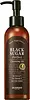
This oil-based makeup remover is made to dissolve makeup, sunscreen, and daily buildup.
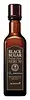
This smoothing serum is formulated around Niacinamide and Galactomyces Ferment Filtrate to refine skin texture and brighten dull-looking skin.

What's inside
What's inside
 Key Ingredients
Benefits
Concerns
Ingredients Side-by-side
Ethylhexyl Palmitate
Emollient




PEG-20 Glyceryl Triisostearate
Emollient
Pentaerythrityl Tetraethylhexanoate
Emollient
C12-15 Alkyl Benzoate
AntimicrobialPentaerythrityl Tetraisostearate
Emollient
PEG-10 Isostearate
Emulsifying
Bis-Ethoxydiglycol Cyclohexane 1,4-Dicarboxylate
EmollientSimmondsia Chinensis Seed Oil
Emollient


Olea Europaea Fruit Oil
Masking
Camellia Oleifera Seed Oil
Skin Conditioning
Limnanthes Alba Seed Oil
Skin Conditioning
Macadamia Ternifolia Seed Oil
Emollient
Oenothera Biennis Oil
Emollient

Tocopheryl Acetate
Antioxidant


Threonine
Sorbitol
Humectant
Sodium PCA
Humectant
Serine
Masking
Rice Ferment Filtrate
Skin Conditioning

Pyrus Malus Fruit Extract
Skin Conditioning
Proline
Skin Conditioning
Hydrogenated Lecithin
Emulsifying
Ethylhexylglycerin
Skin ConditioningCitrus Aurantium Dulcis Fruit Extract
MaskingCholesterol
Emollient
Carica Papaya Fruit Extract
Skin ConditioningSaccharum Officinarum Extract 0.1%
MoisturisingButylene Glycol
Humectant
Arginine
Masking
Alanine
Masking
Betaine
Humectant
Lepidium Meyenii Root Extract
Skin ConditioningCeramide NP
Skin Conditioning
Dimethicone
Emollient
Citrus Limon Fruit Extract
Masking
Lysine
Skin ConditioningWater
Skin ConditioningSarcodon Aspratus Extract
Antioxidant
Glutamic Acid
Humectant
Glycine
Buffering
Disodium EDTA
Chelating1,2-Hexanediol
Skin Conditioning
Alcohol
Antimicrobial

Sucrose 0%
Humectant
Phenoxyethanol
Preservative
Parfum
Masking
Ethylhexyl Palmitate, PEG-20 Glyceryl Triisostearate, Pentaerythrityl Tetraethylhexanoate, C12-15 Alkyl Benzoate, Pentaerythrityl Tetraisostearate, PEG-10 Isostearate, Bis-Ethoxydiglycol Cyclohexane 1,4-Dicarboxylate, Simmondsia Chinensis Seed Oil, Olea Europaea Fruit Oil, Camellia Oleifera Seed Oil, Limnanthes Alba Seed Oil, Macadamia Ternifolia Seed Oil, Oenothera Biennis Oil, Tocopheryl Acetate, Threonine, Sorbitol, Sodium PCA, Serine, Rice Ferment Filtrate, Pyrus Malus Fruit Extract, Proline, Hydrogenated Lecithin, Ethylhexylglycerin, Citrus Aurantium Dulcis Fruit Extract, Cholesterol, Carica Papaya Fruit Extract, Saccharum Officinarum Extract 0.1%, Butylene Glycol, Arginine, Alanine, Betaine, Lepidium Meyenii Root Extract, Ceramide NP, Dimethicone, Citrus Limon Fruit Extract, Lysine, Water, Sarcodon Aspratus Extract, Glutamic Acid, Glycine, Disodium EDTA, 1,2-Hexanediol, Alcohol, Sucrose 0%, Phenoxyethanol, Parfum
Water
Skin ConditioningSaccharum Officinarum Extract
MoisturisingGlycerin
Humectant
Alcohol Denat.
Antimicrobial
Butylene Glycol
Humectant
Niacinamide
Smoothing




Opuntia Ficus-Indica Stem Extract
Skin Conditioning
Hamamelis Virginiana Extract
Antiseborrhoeic
Galactomyces Ferment Filtrate
Humectant
Propanediol
Solvent
Chamomilla Recutita Extract
Skin Conditioning
Aloe Barbadensis Leaf Extract
Emollient
Arginine
Masking
1,2-Hexanediol
Skin Conditioning
Citrus Limon Fruit Extract
Masking
Pyrus Malus Fruit Extract
Skin Conditioning
Citrus Aurantium Dulcis Fruit Extract
MaskingCarica Papaya Fruit Extract
Skin ConditioningTamarindus Indica Seed Gum
Emulsion Stabilising
PEG-60 Hydrogenated Castor Oil
Emulsifying
Rice Ferment Filtrate
Skin Conditioning
Glycolic Acid
Buffering

Hizikia Fusiforme Extract
Skin Conditioning
Ethylhexylglycerin
Skin ConditioningSalicylic Acid
Masking
Maackia Fauriei Stem Extract
Antimicrobial
Adenosine
Skin Conditioning
Sucrose
Humectant
Glucose
Humectant
Sodium Hyaluronate
Humectant
Cellulose Gum
Emulsion StabilisingPanthenol
Skin Conditioning
Xanthan Gum
EmulsifyingSodium PCA
Humectant
Lactobacillus Ferment Lysate Filtrate
Skin ConditioningMolasses
Skin ConditioningCaprylyl Glycol
Emollient
Caramel
Cosmetic ColorantParfum
Masking
Water, Saccharum Officinarum Extract, Glycerin, Alcohol Denat., Butylene Glycol, Niacinamide, Opuntia Ficus-Indica Stem Extract, Hamamelis Virginiana Extract, Galactomyces Ferment Filtrate, Propanediol, Chamomilla Recutita Extract, Aloe Barbadensis Leaf Extract, Arginine, 1,2-Hexanediol, Citrus Limon Fruit Extract, Pyrus Malus Fruit Extract, Citrus Aurantium Dulcis Fruit Extract, Carica Papaya Fruit Extract, Tamarindus Indica Seed Gum, PEG-60 Hydrogenated Castor Oil, Rice Ferment Filtrate, Glycolic Acid, Hizikia Fusiforme Extract, Ethylhexylglycerin, Salicylic Acid, Maackia Fauriei Stem Extract, Adenosine, Sucrose, Glucose, Sodium Hyaluronate, Cellulose Gum, Panthenol, Xanthan Gum, Sodium PCA, Lactobacillus Ferment Lysate Filtrate, Molasses, Caprylyl Glycol, Caramel, Parfum
Ingredients Explained
These ingredients are found in both products.
Ingredients higher up in an ingredient list are typically present in a larger amount.
1,2-Hexanediol is a synthetic liquid and another multi-functional powerhouse.
It is a:
- Humectant, drawing moisture into the skin
- Emollient, helping to soften skin
- Solvent, dispersing and stabilizing formulas
- Preservative booster, enhancing the antimicrobial activity of other preservatives
Arginine is a semi-essential amino acid. This just means our bodies can product a bit on its own, but sometimes needs a little boost from food sources.
It is a part of your skin's natural moisturizing factor (NMF), or the water-loving molecules in your outermost layer of skin (stratum corneum) that keeps everything hydrated and happy.
Here's an interesting thing about Arginine: your skin converts it into urea through the Krebs-Henseleit urea cycle. Urea is one of the most effective humectants your skin naturally produces.
A clinical study showed applying 2.5% arginine hydrochloride to atopic dermatitis skin showed significant urea levels in the stratum corneum and improved moisture in just four weeks.
Arginine is also a precursor to nitric oxide; nitric oxide improves microcirculation and supports wound healing and collagen synthesis.
One study found that an amino acid complex containing Arginine reduced skin irritation, improved hydration, and accelerated skin repair in clinical / in-vivo studies.
Arginine itself is an amino acid and not a fatty acid, oil, or ester. On its own, it's not a direct food source for Malassezia, or the yeast that causes fungal acne.
Learn more about ArginineButylene Glycol (or BG) is used within cosmetic products for a few different reasons:
Overall, Butylene Glycol is a safe and well-rounded ingredient that works well with other ingredients.
Though this ingredient works well with most skin types, some people with sensitive skin may experience a reaction such as allergic rashes, closed comedones, or itchiness.
Learn more about Butylene GlycolCarica Papaya Fruit Extract comes from the flesh of the papaya. It's a skin conditioning agent that carries a mix of bioactives like papain, beta-carotene, and vitamin C.
These bioactive compounds give it two main talking points:
1. Papain is a proteolytic enzyme that provides mild exfoliation, helping skin look smoother and more even.
2. The carotenoids and vitamin C provide some antioxidant activity.
It's pretty compatible with most ingredients, but just sure to space out enzyme products with strong acids/retinoids to avoid over-doing it.
Maximum reported concentration is around 0.1% and most leave-on products use just 0.05%. If you see higher figures like 5-10%, this is usually the pre-diluted material from raw extract suppliers.
This ingredient has an assuring safety record and there's a lack of clinical case reports of dermatitis from using it.
The only caveat is allergy: patch test if you have a papaya or latex-fruit allergy.
Learn more about Carica Papaya Fruit ExtractCitrus Aurantium Dulcis Fruit Extract is more commonly known as the bitter orange. Native to Southeast Asia, this extract is commonly found in both cosmetics and foods.
The bitter orange possesses antibacterial and antioxidant properties.
It can also be mildly exfoliating due to the citric acid, an AHA.
Citrus fruits are rich in flavonoids, alkaloids, and vitamin C.
Learn more about Citrus Aurantium Dulcis Fruit ExtractCitrus Limon Fruit Extract comes from lemons. While lemon extract is exfoliating and antimicrobial, it can also cause skin sensitivity.
Lemons contains antioxidants, which may help with anti-aging. They are also rich in citric acid, an AHA.
And of course, lemons are rich in Vitamin C. Vitamin C helps with skin-brightening and increasing collagen production.
The acidity of lemons may work as an astringent for acne.
However, lemons can also cause skin sensitivity due to its limonene content. It can also increase photosensitivity, or sensitivity to the sun.
This ingredient is also used to add a lemon scent to products.
Learn more about Citrus Limon Fruit ExtractEthylhexylglycerin is created from glycerin. It is a multitasker ingredient that:
The CIR Expert Panel found minimal skin absorption or sensitization of any kind in a safety assessment. Though this ingredient is considered well-tolerated, a small number of cases of allergic dermatitis have been published since 2002. Just be sure to patch test if you are unsure.
Industry-reported use ranges from 8% in rinse-off products and 2% in leave-on formulations.
Learn more about EthylhexylglycerinParfum is a catch-all term for an ingredient or more that is used to give a scent to products.
Also called "fragrance", this ingredient can be a blend of hundreds of chemicals or plant oils. This means every product with "fragrance" or "parfum" in the ingredients list is a different mixture.
For instance, Habanolide is a proprietary trade name for a specific aroma chemical. When used as a fragrance ingredient in cosmetics, most aroma chemicals fall under the broad labeling category of “FRAGRANCE” or “PARFUM” according to EU and US regulations.
The term 'parfum' or 'fragrance' is not regulated in many countries. In many cases, it is up to the brand to define this term.
For instance, many brands choose to label themselves as "fragrance-free" because they are not using synthetic fragrances. However, their products may still contain ingredients such as essential oils that are considered a fragrance by INCI standards.
One example is Calendula flower extract. Calendula is an essential oil that still imparts a scent or 'fragrance'.
Depending on the blend, the ingredients in the mixture can cause allergies and sensitivities on the skin. Some ingredients that are known EU allergens include linalool and citronellol.
Parfum can also be used to mask or cover an unpleasant scent.
The bottom line is: not all fragrances/parfum/ingredients are created equally. If you are worried about fragrances, we recommend taking a closer look at an ingredient. And of course, we always recommend speaking with a professional.
Learn more about ParfumPyrus Malus Fruit Extract is extract from Apples. Apples are rich in Vitamin C, sugars, and antioxidants.
The sugar in Apples are humectants and help hydrate the skin. On top of that, apples also contain some acids, such as malic acid. These acids may have a mild exfoliating effect.
Last, the phytochemicals found in apples are strong antioxidants. These antioxidants help with anti-aging as they protect your skin cells against oxidative damage.
Learn more about Pyrus Malus Fruit ExtractRice Ferment Filtrate is created by fermenting rice, or oryza sativa. A common name for this ingredient is sake, the traditional Japanese fermented rice alcoholic beverage.
Rice ferment is skin-conditioning and contains anti-aging components.
Rice contains numerous antioxidants which may help with anti-aging, such as vitamin E. Antioxidants help stabilize free-radical molecules. Unstable free-radical molecules may damage your skin cells and accelerate signs of aging.
A study from 2013 found fermented rice water to help decrease sun damage by increasing collagen production.
Learn more about Rice Ferment FiltrateThis ingredient is also called sugarcane extract. It is a moisturizing humectant and has skin soothing properties.
Similar to hyaluronic acid, sugarcane can attract moisture to your skin.
Glycolic acid is a derivative of sugarcane. While glycolic acid is an AHA with exfoliating properties, sugarcane is not an AHA.
A study from 2021 found the compounds in sugarcane extract to have antioxidant, antimicrobial, and anti-inflammatory activity. The study also suggests these compounds can inhibit skin ageing enzymes and promote collagen synthesis.
Learn more about Saccharum Officinarum ExtractSodium PCA (the salt of PCA) is one of the most well-established humectants in skincare.
Why is it so special? Your skin already makes it naturally; it's a natural component of your skin's Natural Moisturizing Factor (NMF), or the mix of water-binding compounds inside your skin cells that keeps things soft and hydrated.
As a cosmetic ingredient, it grabs water and holds it in the upper layers of skin to smooth roughness and ease dehydration.
There's some clinical support for the NMF approach with a study showing that a cream built to mimic the skin's NMF significantly boosted hydration.
Safety-wise, this ingredient non-irritating, non-comedogenic, and non-phototoxic in testing, with minimal skin absorption.
It also works really well with other hydrators like glycerin or hyaluronic acid, and typical usage is somewhere between 0.2-4%.
Learn more about Sodium PCASucrose is a natural sugar found in fruits, vegetables, and nuts. It is the main constituent of white sugar.
In skincare, sucrose is a humectant and can be a mild exfoliant.
Sucrose is hydrophilic, meaning it attracts water. This makes it an effective humectant and helps hydrate the skin.
Studies show sugars may worsen acne-prone skin due to it disrupting the skin's natural biome. We recommend speaking with a professional if you have any concerns.
In some products such as body scrubs, sucrose is used as an gentle exfoliant.
The term 'sucrose' comes from the french word for sugar, 'sucre'.
Learn more about SucroseWater. It's the most common cosmetic ingredient of all. You'll usually see it at the top of ingredient lists, meaning that it makes up the largest part of the product.
So why is it so popular? Water most often acts as a solvent - this means that it helps dissolve other ingredients into the formulation.
You'll also recognize water as that liquid we all need to stay alive. If you see this, drink a glass of water. Remember to stay hydrated!
Learn more about Water

