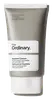
This oil-based makeup remover is made to dissolve makeup, sunscreen, and daily buildup.
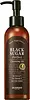
This oil-based makeup remover is made to dissolve makeup, sunscreen, and daily buildup.


What's inside
What's inside
 Key Ingredients
Benefits
Concerns
Ingredients Side-by-side
Squalane
Emollient


Water
Skin ConditioningCoco-Caprylate/Caprate
Emollient
Glycerin
Humectant
Sucrose Stearate
EmollientEthyl Macadamiate
Skin Conditioning

Caprylic/Capric Triglyceride
Masking
Hydrogenated Starch Hydrolysate
HumectantSucrose Laurate
Emollient
Polyacrylate Crosspolymer-6
Emulsion StabilisingIsoceteth-20
EmulsifyingSodium Polyacrylate
Absorbent
Tocopherol
Antioxidant




Hydroxymethoxyphenyl Decanone
Skin ConditioningTrisodium Ethylenediamine Disuccinate
ChelatingMalic Acid
Buffering


Ethylhexylglycerin
Skin ConditioningChlorphenesin
Antimicrobial
Squalane, Water, Coco-Caprylate/Caprate, Glycerin, Sucrose Stearate, Ethyl Macadamiate, Caprylic/Capric Triglyceride, Hydrogenated Starch Hydrolysate, Sucrose Laurate, Polyacrylate Crosspolymer-6, Isoceteth-20, Sodium Polyacrylate, Tocopherol, Hydroxymethoxyphenyl Decanone, Trisodium Ethylenediamine Disuccinate, Malic Acid, Ethylhexylglycerin, Chlorphenesin
Ethylhexyl Palmitate
Emollient


PEG-20 Glyceryl Triisostearate
Emollient
Pentaerythrityl Tetraethylhexanoate
Emollient
C12-15 Alkyl Benzoate
AntimicrobialPentaerythrityl Tetraisostearate
Emollient
PEG-10 Isostearate
Emulsifying
Bis-Ethoxydiglycol Cyclohexane 1,4-Dicarboxylate
EmollientSimmondsia Chinensis Seed Oil
Emollient
Olea Europaea Fruit Oil
Masking
Camellia Oleifera Seed Oil
Skin Conditioning
Limnanthes Alba Seed Oil
Skin Conditioning
Macadamia Ternifolia Seed Oil
Emollient
Oenothera Biennis Oil
Emollient
Tocopheryl Acetate
Antioxidant
Threonine
Sorbitol
Humectant
Sodium PCA
Humectant
Serine
Masking
Rice Ferment Filtrate
Skin Conditioning
Pyrus Malus Fruit Extract
Skin Conditioning
Proline
Skin Conditioning
Hydrogenated Lecithin
Emulsifying
Ethylhexylglycerin
Skin ConditioningCitrus Aurantium Dulcis Fruit Extract
MaskingCholesterol
Emollient
Carica Papaya Fruit Extract
Skin ConditioningSaccharum Officinarum Extract 0.1%
MoisturisingButylene Glycol
Humectant
Arginine
Masking
Alanine
Masking
Betaine
Humectant
Lepidium Meyenii Root Extract
Skin ConditioningCeramide NP
Skin Conditioning
Dimethicone
Emollient
Citrus Limon Fruit Extract
Masking
Lysine
Skin ConditioningWater
Skin ConditioningSarcodon Aspratus Extract
Antioxidant
Glutamic Acid
Humectant
Glycine
Buffering
Disodium EDTA
Chelating1,2-Hexanediol
Skin Conditioning
Alcohol
Antimicrobial

Sucrose 0%
Humectant
Phenoxyethanol
Preservative
Parfum
Masking
Ethylhexyl Palmitate, PEG-20 Glyceryl Triisostearate, Pentaerythrityl Tetraethylhexanoate, C12-15 Alkyl Benzoate, Pentaerythrityl Tetraisostearate, PEG-10 Isostearate, Bis-Ethoxydiglycol Cyclohexane 1,4-Dicarboxylate, Simmondsia Chinensis Seed Oil, Olea Europaea Fruit Oil, Camellia Oleifera Seed Oil, Limnanthes Alba Seed Oil, Macadamia Ternifolia Seed Oil, Oenothera Biennis Oil, Tocopheryl Acetate, Threonine, Sorbitol, Sodium PCA, Serine, Rice Ferment Filtrate, Pyrus Malus Fruit Extract, Proline, Hydrogenated Lecithin, Ethylhexylglycerin, Citrus Aurantium Dulcis Fruit Extract, Cholesterol, Carica Papaya Fruit Extract, Saccharum Officinarum Extract 0.1%, Butylene Glycol, Arginine, Alanine, Betaine, Lepidium Meyenii Root Extract, Ceramide NP, Dimethicone, Citrus Limon Fruit Extract, Lysine, Water, Sarcodon Aspratus Extract, Glutamic Acid, Glycine, Disodium EDTA, 1,2-Hexanediol, Alcohol, Sucrose 0%, Phenoxyethanol, Parfum
Reviews
Ingredients Explained
These ingredients are found in both products.
Ingredients higher up in an ingredient list are typically present in a larger amount.
Ethylhexylglycerin is created from glycerin. It is a multitasker ingredient that:
The CIR Expert Panel found minimal skin absorption or sensitization of any kind in a safety assessment. Though this ingredient is considered well-tolerated, a small number of cases of allergic dermatitis have been published since 2002. Just be sure to patch test if you are unsure.
Industry-reported use ranges from 8% in rinse-off products and 2% in leave-on formulations.
Learn more about EthylhexylglycerinWater. It's the most common cosmetic ingredient of all. You'll usually see it at the top of ingredient lists, meaning that it makes up the largest part of the product.
So why is it so popular? Water most often acts as a solvent - this means that it helps dissolve other ingredients into the formulation.
You'll also recognize water as that liquid we all need to stay alive. If you see this, drink a glass of water. Remember to stay hydrated!
Learn more about Water

