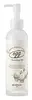
This oil-based makeup remover is made to dissolve makeup, sunscreen, and daily buildup.
This oil-based makeup remover is made to dissolve makeup, sunscreen, and daily buildup.

What's inside
What's inside
 Key Ingredients
Benefits
Concerns
Ingredients Side-by-side
Ethylhexyl Palmitate
Emollient




PEG-20 Glyceryl Triisostearate
Emollient
Isopropyl Myristate
Emollient
Caprylic/Capric Triglyceride
Masking


C12-15 Alkyl Benzoate
AntimicrobialPentaerythrityl Tetraisostearate
Emollient
Cetyl Ethylhexanoate
EmollientPEG-10 Isostearate
Emulsifying
Sorbeth-30 Tetraoleate
Emulsifying
Bis-Ethoxydiglycol Cyclohexane 1,4-Dicarboxylate
EmollientPolycarboxylates
Pentaerythrityl Tetraethylhexanoate
Emollient
Water
Skin ConditioningParfum
Masking

Olea Europaea Fruit Oil
Masking
Macadamia Ternifolia Seed Oil
Emollient
Helianthus Annuus Seed Oil
Emollient
Egg Yolk Extract
EmulsifyingAlbumen Extract
EmollientButylene Glycol
Humectant
Polysorbate 80
Emulsifying
Phenoxyethanol
Preservative
Solanum Lycopersicum Fruit Extract
Antioxidant
Oleth-7
EmulsifyingGlycyrrhiza Glabra Root Extract
Bleaching




Daucus Carota Sativa Root Extract
Skin Conditioning
Camellia Sinensis Leaf Extract
Antimicrobial


Centella Asiatica Extract
Cleansing
Salicylic Acid
Masking


Sulfur
Antiseborrhoeic
Tocopherol
Antioxidant
Ethylhexyl Palmitate, PEG-20 Glyceryl Triisostearate, Isopropyl Myristate, Caprylic/Capric Triglyceride, C12-15 Alkyl Benzoate, Pentaerythrityl Tetraisostearate, Cetyl Ethylhexanoate, PEG-10 Isostearate, Sorbeth-30 Tetraoleate, Bis-Ethoxydiglycol Cyclohexane 1,4-Dicarboxylate, Polycarboxylates, Pentaerythrityl Tetraethylhexanoate, Water, Parfum, Olea Europaea Fruit Oil, Macadamia Ternifolia Seed Oil, Helianthus Annuus Seed Oil, Egg Yolk Extract, Albumen Extract, Butylene Glycol, Polysorbate 80, Phenoxyethanol, Solanum Lycopersicum Fruit Extract, Oleth-7, Glycyrrhiza Glabra Root Extract, Daucus Carota Sativa Root Extract, Camellia Sinensis Leaf Extract, Centella Asiatica Extract, Salicylic Acid, Sulfur, Tocopherol
Ethylhexyl Palmitate
Emollient
PEG-20 Glyceryl Triisostearate
Emollient
Pentaerythrityl Tetraethylhexanoate
Emollient
C12-15 Alkyl Benzoate
AntimicrobialPentaerythrityl Tetraisostearate
Emollient
PEG-10 Isostearate
Emulsifying
Bis-Ethoxydiglycol Cyclohexane 1,4-Dicarboxylate
EmollientSimmondsia Chinensis Seed Oil
Emollient
Olea Europaea Fruit Oil
Masking
Camellia Oleifera Seed Oil
Skin Conditioning
Limnanthes Alba Seed Oil
Skin Conditioning
Macadamia Ternifolia Seed Oil
Emollient
Oenothera Biennis Oil
Emollient
Tocopheryl Acetate
Antioxidant
Threonine
Sorbitol
Humectant
Sodium PCA
Humectant
Serine
Masking
Rice Ferment Filtrate
Skin Conditioning
Pyrus Malus Fruit Extract
Skin Conditioning
Proline
Skin Conditioning
Hydrogenated Lecithin
Emulsifying
Ethylhexylglycerin
Skin ConditioningCitrus Aurantium Dulcis Fruit Extract
MaskingCholesterol
Emollient
Carica Papaya Fruit Extract
Skin ConditioningSaccharum Officinarum Extract 0.1%
MoisturisingButylene Glycol
Humectant
Arginine
Masking
Alanine
Masking
Betaine
Humectant
Lepidium Meyenii Root Extract
Skin ConditioningCeramide NP
Skin Conditioning
Dimethicone
Emollient
Citrus Limon Fruit Extract
Masking
Lysine
Skin ConditioningWater
Skin ConditioningSarcodon Aspratus Extract
Antioxidant
Glutamic Acid
Humectant
Glycine
Buffering
Disodium EDTA
Chelating1,2-Hexanediol
Skin Conditioning
Alcohol
Antimicrobial
Sucrose 0%
Humectant
Phenoxyethanol
Preservative
Parfum
Masking
Ethylhexyl Palmitate, PEG-20 Glyceryl Triisostearate, Pentaerythrityl Tetraethylhexanoate, C12-15 Alkyl Benzoate, Pentaerythrityl Tetraisostearate, PEG-10 Isostearate, Bis-Ethoxydiglycol Cyclohexane 1,4-Dicarboxylate, Simmondsia Chinensis Seed Oil, Olea Europaea Fruit Oil, Camellia Oleifera Seed Oil, Limnanthes Alba Seed Oil, Macadamia Ternifolia Seed Oil, Oenothera Biennis Oil, Tocopheryl Acetate, Threonine, Sorbitol, Sodium PCA, Serine, Rice Ferment Filtrate, Pyrus Malus Fruit Extract, Proline, Hydrogenated Lecithin, Ethylhexylglycerin, Citrus Aurantium Dulcis Fruit Extract, Cholesterol, Carica Papaya Fruit Extract, Saccharum Officinarum Extract 0.1%, Butylene Glycol, Arginine, Alanine, Betaine, Lepidium Meyenii Root Extract, Ceramide NP, Dimethicone, Citrus Limon Fruit Extract, Lysine, Water, Sarcodon Aspratus Extract, Glutamic Acid, Glycine, Disodium EDTA, 1,2-Hexanediol, Alcohol, Sucrose 0%, Phenoxyethanol, Parfum
Ingredients Explained
These ingredients are found in both products.
Ingredients higher up in an ingredient list are typically present in a larger amount.
We don't have a description for Bis-Ethoxydiglycol Cyclohexane 1,4-Dicarboxylate yet.
Butylene Glycol (or BG) is used within cosmetic products for a few different reasons:
Overall, Butylene Glycol is a safe and well-rounded ingredient that works well with other ingredients.
Though this ingredient works well with most skin types, some people with sensitive skin may experience a reaction such as allergic rashes, closed comedones, or itchiness.
Learn more about Butylene GlycolC12-15 Alkyl Benzoate is a lightweight emollient made by combinig benzoic acid with fatty alcohols that are 12-15 carbons long.
In cosmetics, it plays several roles:
The Cosmetic Review Expert Panel has concluded the alkyl benzoate group to be safe as used in cosmetics; it wasn't found to be a skin irritant and unlikely to be absorbed due to its low water solubility.
This report recorded almost 1000 reported uses with concentrations up to 59% in leave-on products but your cosmetics will typically use 0.5-15% depending on the product.
It's often called a "SPF booster": this is because it keeps UV filters properly dissolved and evenly distributed to support a sunscreen's performance. It doesn't actually raise SPF on its own.
Overall, this ingredient is well tolerated.
This ingredient is fungal acne safe because it is an ester of benzoic acid.
Think of this ingredient as two parts stuck together: an oily part and an acid part. Malassezia only gets a meal when it can snip off a fatty acid to eat. With C12-15 Alkyl Benzoate, the acid part is benzoic acid, which isn't a fatty acid and which the yeast can't use as food.
Benzoic acid is actually used as a preservative to stop yeast from growing.
The oily part is a blend of C12-15 fatty alcohols but fatty alcohols in this size range can support only a little Malassezia growth (mostly for one species of Malassezia as well).
In the ingredient, those alcohols stay locked inside the molecule. The yeast can only reach them by snipping the benzoate bond, and that type of bond is harder for it to cut than a normal fatty bond.
So not much gets released. And whatever does get snipped comes packaged with benzoic acid, which discourages yeast growth.
Learn more about C12-15 Alkyl BenzoateEthylhexyl Palmitate, also known as octyl palmitate, is created from 2-ethylhexyl alcohol and palmitic acid.
In cosmetics, it plays many roles:
One thing worth noting: a controlled study found this ingredient applied under occlusion to acne-prone subjects increased microcomedones. Just keep in mind this was under occlusive conditions and don't reflect how most products are used day-to-day.
For most people, this is a well-tolerated and lightweight ingredient.
This ingredient may not be fungal acne safe because it is an ester of palmitic acid, a C16 fatty acid that falls within the C11-24 range that Malassezia can metabolize.
You'll see this one rated 4 comedogenic all over the internet. That number isn't from a single study, and the actual research is more interesting.
The original rating comes from 1980s rabbit ear tests (which are a shaky basis for anything). But Ethylhexyl Palmitate is one of the few ingredients with real human data behind it. A 2021 controlled trial found this ingredient increased microcomedones by an average of 365% over four weeks.
Just know that test used the pure ingredient under an occlusive pad on back skin; most products use it at much lower levels alongside other ingredients and plenty of people use those with no issue.
Learn more about Ethylhexyl PalmitateThis ingredient is also known as Macadamia Seed Oil. It's an emollient with a fatty acid profile that closely mirrors the skin's own lipid makeup.
The palmitoleic acid content is especially notable as it's somewhat rare in plant oils. Palmitoleic acid is something your skin already makes naturally. It helps keep cell membranes structured and plays a role in fighting off harmful microbes.
This palmitoleic content is also part of why macademia seed oil absorbs quickly and doesn't leave much of a greasy residue.
It also contains oleic acid, linoleic acid, and phytosterols that can help reduce redness.
In vitro research has shown the oil to have meaningful antioxidant activity, protect fats in the skin from oxidative damage, and slow down the enzyme that breaks down hyaluronic acid.
A 2024 clinical study found it effective at improving skin hydratino and reducing wrinkle appearance when formulated into nanoemulsions.
Because it carries oleic acid (C18) and palmitic acid (C16), this ingredient may not be fungal acne safe. This is because the Malassezia yeast metabolizes in the C11-24 chain length range.
You'll also see this ingredient listed as: Macadamia Integrifolia Seed Oil .
These two oils are identical in composition and M. ternifolia is an older INCI naming convention for the edible macadamia nut while M. integrifolia is the species actually cultivated for oil production. Both names refer to the same oil.
Learn more about Macadamia Ternifolia Seed OilThis ingredient is also known as olive oil. It has been used in skincare for centuries and science largely backs up its reputation as a nourishing emollient.
The main components of olive oil are oleic acid (55-83%), linoleic acid (3.5-20%), and palmitic acid (7-20%). Oleic acid promotes skin regeneration and helps regulate inflammatory responses.
Squalene is also naturally present in olive oil and exhibits moisturizing and antioxidant properties.
The polyphenols in olive oil also show anti-aging promise; one clinical study found a measurable improvement in skin appearance after 30 days of topical serum use.
Just be aware that applying olive oil directly to skin can weaken the barrier and cause redness. One study with volunteers found even people without sensitive skin experienced a significant reduction in stratum corneum integrity and induced mild erythema.
It's best to use this ingredient as part of a carefully crafted formula (instead of putting it on skin directly from the bottle).
Because it has a 0-2 on the comedogenic scale, it is low risk for acne-prone skin. Just remember the overall formulation of a product matters more than a few ingredients with comedogenic ratings.
This ingredient may not be fungal acne safe because of the oleic and palmitic acid content. These fall within the C11-24 fatty acid range that the Malassezia yeast can metabolize to grow.
Overall, olive oil is a well-studied and nourishing skincare ingredient.
Learn more about Olea Europaea Fruit OilParfum is a catch-all term for an ingredient or more that is used to give a scent to products.
Also called "fragrance", this ingredient can be a blend of hundreds of chemicals or plant oils. This means every product with "fragrance" or "parfum" in the ingredients list is a different mixture.
For instance, Habanolide is a proprietary trade name for a specific aroma chemical. When used as a fragrance ingredient in cosmetics, most aroma chemicals fall under the broad labeling category of “FRAGRANCE” or “PARFUM” according to EU and US regulations.
The term 'parfum' or 'fragrance' is not regulated in many countries. In many cases, it is up to the brand to define this term.
For instance, many brands choose to label themselves as "fragrance-free" because they are not using synthetic fragrances. However, their products may still contain ingredients such as essential oils that are considered a fragrance by INCI standards.
One example is Calendula flower extract. Calendula is an essential oil that still imparts a scent or 'fragrance'.
Depending on the blend, the ingredients in the mixture can cause allergies and sensitivities on the skin. Some ingredients that are known EU allergens include linalool and citronellol.
Parfum can also be used to mask or cover an unpleasant scent.
The bottom line is: not all fragrances/parfum/ingredients are created equally. If you are worried about fragrances, we recommend taking a closer look at an ingredient. And of course, we always recommend speaking with a professional.
Learn more about ParfumPEG-10 Isostearate isn't fungal acne safe.
PEG-20 Glyceryl Triisostearate is a synthetic, oil-loving helper ingredient that does two jobs:
This ingredient is made by joining three building blocks: PEG, Isostearic Acid and glycerin. The PEG gives it the oil-and-water blending power.
This ingredient has been found safe for use in cosmetics and broader PEG family testing shows minimal irritation/sensitization. The molecule's large size also means it isn't expected to penetrate skin to any meaningful degree.
Fungal acne note: This ingredient may not be fungal acne safe due to isostearic acid (C18). Isostearic acid falls into the C11-24 range that Malassezia can feed on.
Learn more about PEG-20 Glyceryl TriisostearatePentaerythrityl Tetraethylhexanoate is an emollient that helps make your skin smooth and hydrated. It specializes in creating a non-oily and "wet" feeling on skin.
This ingredient comes from isostearic acid, a saturated fatty acid. It is a synthetic ingredient.
Pentaerythrityl Tetraisostearate is a synthetic emollient and "skin-feel" ingredient that spreads well and leaves a non-sticky finish with high gloss.
In makeup, it also doubles as a pigment-wetting agent for better color payoff.
It's a well-vetted ingredient for safety and does not penetrate into skin due to its large molecule size.
Because it's a long-chain fatty acid ester, this ingredient may not be fungal acne or Malassezia safe.
Learn more about Pentaerythrityl TetraisostearatePhenoxyethanol is one of the most widely used preservatives in skincare (and for good reason!).
It has a large spectrum of antimicrobial activity and especially effective bacteria, yeast, and mold while only having a weak effect on your skin's natural microbiome.
On a cellular level, it disrupts the cell membranes of microbes by poking holes that make the cell leak. This shuts down the chemical reactions the microbe needs to make energy so it can no longer survive.
Another perk of this ingredient is that it stays functional across a wide pH range (3-10).
You'll often see it paired with boosters like Ethylhexylglycerin; one study showed that a 1:9 ratio of Ethylhexylglycerin to Phenoxyethanol damages bacterial membranes as effectively as doubling the Phenoxyethanol concentration on its own.
Typical use concentrations range from 0.3-1% depending on the formula, and this ingredient is capped at 1% int the EU.
Safety-wise, the fear mongering does not hold up to the evidence. The EU's Scientific Committee on Consumer Safety and FDA consider it safe as a preservative at up to 1%, including for children of all ages.
Adverse systemic effects only showed up in animal studies at exposures roughly 200x higher than what people get from cosmetics. And despite its very widespread use, this ingredient is a rare sensitizer and allergic reactions are uncommon.
Learn more about PhenoxyethanolWater. It's the most common cosmetic ingredient of all. You'll usually see it at the top of ingredient lists, meaning that it makes up the largest part of the product.
So why is it so popular? Water most often acts as a solvent - this means that it helps dissolve other ingredients into the formulation.
You'll also recognize water as that liquid we all need to stay alive. If you see this, drink a glass of water. Remember to stay hydrated!
Learn more about Water

