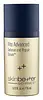
This barrier-repair serum is formulated around Niacinamide to strengthen the skin barrier and calm redness.
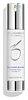
This barrier-repair moisturizer is formulated around Laminaria Digitata Extract and Beta-Glucan to strengthen the skin barrier and hydrate skin.

What's inside
What's inside
 Key Ingredients
Benefits
Concerns
Ingredients Side-by-side
Water
Skin ConditioningButylene Glycol
Humectant

Propanediol
Solvent
Ethylhexyl Olivate
Skin Conditioning

Cetearyl Alcohol
Emollient




Chlorogenic Acids
Antioxidant
Niacinamide
Smoothing










Lauryl Lactate
EmollientDimethyl Isosorbide
SolventPyrroloquinoline Quinone Allyl Ester
Antioxidant
Hydrolyzed Sodium Hyaluronate
Skin Conditioning
Glycyrrhiza Glabra Root Extract
Bleaching
Tetrahexyldecyl Ascorbate
Antioxidant
Ergothioneine
Antioxidant
Benzylidene Dimethoxydimethylindanone
Skin ProtectingArabidopsis Thaliana Extract
Antioxidant
Carnosine
Skin Conditioning
Camellia Sinensis Leaf Extract
Antimicrobial
Vitis Vinifera Seed Extract
Antimicrobial
Theobroma Cacao Seed Extract
Antioxidant
Curcuma Longa Root Extract
Antioxidant
Olea Europaea Fruit Extract
BleachingEuterpe Oleracea Fruit Extract
Trifluoroacetyl Tripeptide-2
Skin Conditioning
Buddleja Officinalis Flower Extract
UV FilterCoffea Arabica Leaf Cell Extract
Antioxidant
Crocus Sativus Leaf Cell Culture Extract
Skin ProtectingSuperoxide Dismutase
Antioxidant
Ubiquinone
Antioxidant
Plankton Extract
Skin ConditioningMicrococcus Lysate
Skin ConditioningArginine
Masking
Zingiber Officinale Root Extract
Masking
Ceramide NP
Skin Conditioning
Ceramide AP
Skin Conditioning
Ceramide EOP
Skin Conditioning
Linoleic Acid
Cleansing
Linolenic Acid
Cleansing
Sea Whip Extract
Skin ConditioningBisabolol
Antioxidant
Tocopherol
Antioxidant
Tocopheryl Acetate
Antioxidant
Cholesterol
Emollient
Phytosphingosine
Skin Conditioning
Jojoba Esters
Emollient
Sodium PCA
Humectant
Pentylene Glycol
Skin Conditioning
Methyl Gluceth-20
Humectant
Glycerin
Humectant
Helianthus Annuus Seed Wax
Skin Conditioning
Acacia Decurrens Flower Wax
Emollient
Lecithin
Emollient
Sodium Lauroyl Lactylate
EmulsifyingDicetyl Phosphate
EmulsifyingPropanediol Dicaprylate/Caprate
EmollientPolyglycerin-3
Humectant
Ceteth-20 Phosphate
CleansingDiisostearyl Malate
EmollientXanthan Gum
EmulsifyingSteareth-2
EmulsifyingAcacia Senegal Gum
MaskingPentaerythrityl Tetra-Di-T-Butyl Hydroxyhydrocinnamate
Antioxidant
Carbomer
Emulsion StabilisingAcrylates/C10-30 Alkyl Acrylate Crosspolymer
Emulsion StabilisingDextran
Ricinoleth-40
CleansingSodium Hydroxide
BufferingCitric Acid
Buffering
Sodium Phytate
ChelatingEthylhexylglycerin
Skin ConditioningPhenoxyethanol
Preservative
Water, Butylene Glycol, Propanediol, Ethylhexyl Olivate, Cetearyl Alcohol, Chlorogenic Acids, Niacinamide, Lauryl Lactate, Dimethyl Isosorbide, Pyrroloquinoline Quinone Allyl Ester, Hydrolyzed Sodium Hyaluronate, Glycyrrhiza Glabra Root Extract, Tetrahexyldecyl Ascorbate, Ergothioneine, Benzylidene Dimethoxydimethylindanone, Arabidopsis Thaliana Extract, Carnosine, Camellia Sinensis Leaf Extract, Vitis Vinifera Seed Extract, Theobroma Cacao Seed Extract, Curcuma Longa Root Extract, Olea Europaea Fruit Extract, Euterpe Oleracea Fruit Extract, Trifluoroacetyl Tripeptide-2, Buddleja Officinalis Flower Extract, Coffea Arabica Leaf Cell Extract, Crocus Sativus Leaf Cell Culture Extract, Superoxide Dismutase, Ubiquinone, Plankton Extract, Micrococcus Lysate, Arginine, Zingiber Officinale Root Extract, Ceramide NP, Ceramide AP, Ceramide EOP, Linoleic Acid, Linolenic Acid, Sea Whip Extract, Bisabolol, Tocopherol, Tocopheryl Acetate, Cholesterol, Phytosphingosine, Jojoba Esters, Sodium PCA, Pentylene Glycol, Methyl Gluceth-20, Glycerin, Helianthus Annuus Seed Wax, Acacia Decurrens Flower Wax, Lecithin, Sodium Lauroyl Lactylate, Dicetyl Phosphate, Propanediol Dicaprylate/Caprate, Polyglycerin-3, Ceteth-20 Phosphate, Diisostearyl Malate, Xanthan Gum, Steareth-2, Acacia Senegal Gum, Pentaerythrityl Tetra-Di-T-Butyl Hydroxyhydrocinnamate, Carbomer, Acrylates/C10-30 Alkyl Acrylate Crosspolymer, Dextran, Ricinoleth-40, Sodium Hydroxide, Citric Acid, Sodium Phytate, Ethylhexylglycerin, Phenoxyethanol
Water
Skin ConditioningDicaprylyl Carbonate
EmollientCetearyl Isononanoate
Emollient
Glycerin
Humectant
Pentylene Glycol
Skin Conditioning
Cetearyl Alcohol
Emollient
Steareth-20
CleansingSafflower Oil/Palm Oil Aminopropanediol Esters
Skin Conditioning
Laminaria Digitata Extract
Skin Protecting
Opuntia Ficus-Indica Stem Extract
Skin Conditioning
Arabidopsis Thaliana Extract
Antioxidant
Marrubium Vulgare Meristem Cell Culture
Skin ProtectingLeontopodium Alpinum Meristem Cell Culture
Skin ConditioningRetinyl Palmitate
Skin Conditioning
Tocopheryl Acetate
Antioxidant
Tocopherol
Antioxidant
Micrococcus Lysate
Skin ConditioningCaprylyl Glycol
Emollient
Hexylene Glycol
EmulsifyingLactose
HumectantGalactoarabinan
Lecithin
Emollient
Schizophyllan
HumectantBeta-Glucan
Skin Conditioning
1,2-Hexanediol
Skin Conditioning
Carbomer
Emulsion StabilisingCellulose
Absorbent
Maltodextrin
Absorbent
C14-22 Alcohols
Emulsion Stabilising
Cetearyl Glucoside
Emulsifying
C12-20 Alkyl Glucoside
EmulsifyingHydroxypropyl Methylcellulose
Emulsion StabilisingDisodium EDTA
ChelatingSodium Hydroxide
BufferingPhenoxyethanol
Preservative
Ethylhexylglycerin
Skin ConditioningSodium Benzoate
Masking
Parfum
Masking
CI 77007
Cosmetic ColorantLimonene
Perfuming
Water, Dicaprylyl Carbonate, Cetearyl Isononanoate, Glycerin, Pentylene Glycol, Cetearyl Alcohol, Steareth-20, Safflower Oil/Palm Oil Aminopropanediol Esters, Laminaria Digitata Extract, Opuntia Ficus-Indica Stem Extract, Arabidopsis Thaliana Extract, Marrubium Vulgare Meristem Cell Culture, Leontopodium Alpinum Meristem Cell Culture, Retinyl Palmitate, Tocopheryl Acetate, Tocopherol, Micrococcus Lysate, Caprylyl Glycol, Hexylene Glycol, Lactose, Galactoarabinan, Lecithin, Schizophyllan, Beta-Glucan, 1,2-Hexanediol, Carbomer, Cellulose, Maltodextrin, C14-22 Alcohols, Cetearyl Glucoside, C12-20 Alkyl Glucoside, Hydroxypropyl Methylcellulose, Disodium EDTA, Sodium Hydroxide, Phenoxyethanol, Ethylhexylglycerin, Sodium Benzoate, Parfum, CI 77007, Limonene
Reviews
Ingredients Explained
These ingredients are found in both products.
Ingredients higher up in an ingredient list are typically present in a larger amount.
Arabidopsis Thaliana Extract is an antioxidant.
Carbomer is a synthetic thickening and gelling agent. It's basically the ingredient that gives a lot of serums, gels, creams, and sunscreens their smooth, non-sticky texture.
Although legally permitted at very high levels, carbomers are normally used at concentrations below 1%.
It also needs to be neutralized to actually thicken, and because it is a large molecule, it doesn't really penetrate the skin barrier.
Allergy-wise, the risk is very low. Clinical studies show carbomers have low potential for skin irritation/sensitization even at concentrations up to 100%.
A 2024 UK study patch-tested 1,302 patients and found true allergy to the parent group of carbomer to be rare with no confirmed relevant reactions.
Learn more about CarbomerCetearyl alcohol is a waxy mixture of two fatty alcohols: cetyl alcohol and stearyl alcohol. It is an emollient and emulsifier.
Despite having "alcohol" in its name, it has nothing to do with drying solvent alcohols; the FDA also allows "alcohol-free" products to contain fatty alcohols like this ingredient.
It plays several roles in a formula:
Typical use levels for this ingredient sit around 1-10% and the Cosmetic Ingredient Review Expert Panel has affirmed safety at concentrations up to 25% in leave-on products.
Multiple assessments have found it to be non-irritating and non-sensitizing to most people.
However, there have been some cases of allergic contact dermatitis in patients with chronically compromised skin barriers.
Cetearyl alcohol has a comedogenic rating of 2 and irritancy rating of 1. Both of these numbers come from the 1989 study that used rabbit ears; a "2" means mildly comedogenic and a "1" means low irritancy.
Here's the catch: rabbit skin is more sensitive than human skin and throws a lot of false positives. A 1996 reappraisal found that ingredients rated 1-2 in the rabbit ear tests are generally safe for humans.
Remember comedogenic ratings are unable to assess the entire formula of a product or how it will react on your skin. Just be sure to patch test if you are unsure about certain ingredients.
This ingredient is not fungal acne safe. Cetearyl alcohol is a fatty alcohol with chain lengths that fall within the range that Malassezia can metabolize.
A 2019 study has also observed Malassezia growth in the presence of this ingredient, confirming it to be not-fungal acne safe.
Learn more about Cetearyl AlcoholEthylhexylglycerin is created from glycerin. It is a multitasker ingredient that:
The CIR Expert Panel found minimal skin absorption or sensitization of any kind in a safety assessment. Though this ingredient is considered well-tolerated, a small number of cases of allergic dermatitis have been published since 2002. Just be sure to patch test if you are unsure.
Industry-reported use ranges from 8% in rinse-off products and 2% in leave-on formulations.
Learn more about EthylhexylglycerinGlycerin (or glycerol) is a compound naturally found in your skin. It's a powerhouse humectant that pulls water into the stratum corneum.
Topically, glycerin does several things at once:
Your skin makes glycerin on its own (mostly from sebaceous oil breakdown) and shuttles it to your outermost layer of skin, or your epidermis, via aquaporin-3.
Aquaporin-3 is a transporter that is essential for normal skin hydration, elasticity, and repair. Interestingly, mice lacking in AQP3 have dry and less elastic skin that can be fully corrected with glycerin.
This ingredient is non-irritating, plays well with almost every ingredient, and works across all skin types. Typical use is anywhere between 3-10% but can go up to 79% in some leave-on products.
Just know very high concentrations (>40%) can feel tacky in low humidity.
Glycerin is the name for this ingredient in American English. British English uses Glycerol/Glycerine.
Learn more about GlycerinLecithin is a term for a group of substances found in the cell membranes of plants, animals, and humans. They are made up of phospholipids.
Thanks to its amphiphilic structure (water-loving head and oil-loving tail), it is a true multitasker:
It plays well with most ingredients and is typically used at 0.1-1%. However, concentrations up to 50% have been reported in moisturizers.
Learn more about LecithinWe don't have a description for Micrococcus Lysate yet.
Pentylene Glycol (1,2-pentanediol) is a multitasking little diol with three main roles in a formula:
Research on alkanediols (the family pentylene glycol belongs to) show they work by disrupting microbial cell membranes. This disruption helps the primary preservative system in a product work more effectively at lower doses.
On the safety side, the Cosmetic Ingredient Review Expert Panel has concluded this ingredient to be safe as used in current cosmetic practices + concentrations.
Typical use levels in a formula run about 1-5%.
Learn more about Pentylene GlycolPhenoxyethanol is one of the most widely used preservatives in skincare (and for good reason!).
It has a large spectrum of antimicrobial activity and especially effective bacteria, yeast, and mold while only having a weak effect on your skin's natural microbiome.
On a cellular level, it disrupts the cell membranes of microbes by poking holes that make the cell leak. This shuts down the chemical reactions the microbe needs to make energy so it can no longer survive.
Another perk of this ingredient is that it stays functional across a wide pH range (3-10).
You'll often see it paired with boosters like Ethylhexylglycerin; one study showed that a 1:9 ratio of Ethylhexylglycerin to Phenoxyethanol damages bacterial membranes as effectively as doubling the Phenoxyethanol concentration on its own.
Typical use concentrations range from 0.3-1% depending on the formula, and this ingredient is capped at 1% int the EU.
Safety-wise, the fear mongering does not hold up to the evidence. The EU's Scientific Committee on Consumer Safety and FDA consider it safe as a preservative at up to 1%, including for children of all ages.
Adverse systemic effects only showed up in animal studies at exposures roughly 200x higher than what people get from cosmetics. And despite its very widespread use, this ingredient is a rare sensitizer and allergic reactions are uncommon.
Learn more about PhenoxyethanolSodium Hydroxide is also known as lye or caustic soda. It is used to adjust the pH of products; many ingredients require a specific pH to be effective.
In small amounts, sodium hydroxide is considered safe to use. However, large amounts may cause chemical burns due to its high alkaline.
Your skin has a natural pH and acid mantle. This acid mantle helps prevent harmful bacteria from breaking through. The acid mantle also helps keep your skin hydrated.
"Alkaline" refers to a high pH level. A low pH level would be considered acidic.
Learn more about Sodium HydroxideTocopherol is a fat-soluble antioxidant known as Vitamin E.
You'll find this ingredient in the vast majority of skincare (for good reason). It works to neutralize free radicals, or unstable molecules generated by UV exposure, pollution, and other environmental stressors, before they can cause oxidative damage to your skin cells.
Topically applied tocopherol has been shown to protect against UV damage by ramping up the skin's own natural defense enzymes.
It also acts as a skin conditioning agent; some studies show that regular topical use can improve the skin's water-binding capacity over 2-4 weeks.
This ingredient is especially loved for being a team player. When combined with Vitamin C, the photoprotective effect of both ingredients roughly doubles and the combo also helps reduce UV-induced DNA damage.
This ingredient has some brightening potential but it's more of a prevention ingredient than spot-fader. Cell studies show it can slow down melanin production but it's worth noting that it's not the most powerful brightener out there.
In formulations, it also serves as a stabilizer that helps protect other oxidation-prone ingredients from degrading.
Concentrations usually range from 0.1-1% in most leave-on products.
Learn more about TocopherolTocopheryl Acetate is a stable, shelf-friendly form of vitamin E.
Formulators love it because plain vitamin E oxidizes quickly once it hits air. This acetate version stays stable and resists going off, helping to extend a product's shelf life.
It's actually inactive on its own and works like a slow-release "storage" form; the enzymes in your skin called esterases gradually convert it into active vitamin E over time.
One in vivo study showed 5% of the acetate in the living layer of the epidermis converted to vitamin E after 5 days of application. This study also found the skin gained protection against UV damage even though the conversion was slow and small.
Once converted, vitamin E acts as a skin's main fat-soluble antioxidant that fights free radicals to protect skin from damage.
Topical vitamin E generally boosts the skin's photoprotection, and it reduced UV-damage in animal models.
This ingredient has some brightening potential but it's more of a prevention ingredient than spot-fader. Cell studies show it can slow down melanin production but it's worth noting that it's not the most powerful brightener out there.
Overall, it has a pretty solid safety profile and has been found to be non-irritating and non-comedogenic. Allergic reactions may happen but stay rare due to how widely the ingredient gets used.
The concentration will vary depending on the formula; industry data shows 0.1% in baby lotions, 3% in lipsticks, and 5% in foot powders. You can also find this ingredient at 100% in a pure vitamin E oil.
Most leave-on skincare keeps it at the lower end, often between 0.5-1%.
Learn more about Tocopheryl AcetateWater. It's the most common cosmetic ingredient of all. You'll usually see it at the top of ingredient lists, meaning that it makes up the largest part of the product.
So why is it so popular? Water most often acts as a solvent - this means that it helps dissolve other ingredients into the formulation.
You'll also recognize water as that liquid we all need to stay alive. If you see this, drink a glass of water. Remember to stay hydrated!
Learn more about Water

