SKIN1004 Madagascar Centella Poremizing Light Gel Cream Versus Lumene Hydration Recharge Overnight Cream
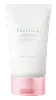
This pore-care moisturizer is formulated around Centella Asiatica Extract and Niacinamide to refine the look of pores and calm redness.
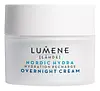
This barrier-repair night moisturizer is formulated around Butyrospermum Parkii Butter and Avena Sativa Kernel Extract to strengthen the skin barrier and hydrate skin.


What's inside
What's inside
 Key Ingredients
Benefits
Concerns
Ingredients Side-by-side
Centella Asiatica Extract
Cleansing





Water
Skin ConditioningPropanediol
Solvent
Aloe Barbadensis Leaf Extract
Emollient
1,2-Hexanediol
Skin Conditioning
Niacinamide
Smoothing





Glycerin
Humectant
Xylitol
Humectant
Butylene Glycol
Humectant
Carbomer
Emulsion StabilisingTromethamine
BufferingSodium Polyacryloyldimethyl Taurate
Emulsion StabilisingBiosaccharide Gum-1
Humectant
Betaine
Humectant
Pvp
Emulsion StabilisingSedum Sarmentosum Extract
HumectantHydrogenated Polydecene
EmollientEthylhexylglycerin
Skin ConditioningAdenosine
Skin Conditioning
Hydroxyethylcellulose
Emulsion StabilisingCoccinia Indica Fruit Extract
Skin Conditioning
Eclipta Prostrata Extract
Skin Conditioning
Hydrolyzed Gardenia Florida Extract
Antioxidant
Hydrolyzed Malt Extract
Skin ConditioningDisodium EDTA
ChelatingHydrolyzed Viola Tricolor Extract
Skin ProtectingMelia Azadirachta Flower Extract
Skin ConditioningOcimum Sanctum Leaf Extract
Skin ConditioningMelia Azadirachta Leaf Extract
Skin ConditioningTrideceth-10
CleansingSea Water
HumectantPanthenol
Skin Conditioning
Curcuma Longa Root Extract
Antioxidant
Hyaluronic Acid
Humectant
Hydrolyzed Hyaluronic Acid
Humectant
Sodium Hyaluronate
Humectant
Xylitylglucoside
Humectant
Corallina Officinalis Extract
Skin Conditioning

Anhydroxylitol
Humectant
Oenothera Biennis Flower Extract
AstringentPueraria Lobata Root Extract
HumectantPinus Palustris Leaf Extract
TonicUlmus Davidiana Root Extract
Skin Conditioning
Castanea Crenata Shell Extract
Skin ConditioningHamamelis Virginiana Leaf Water
Astringent
Lavandula Angustifolia Flower Extract
Cleansing
Chamaecyparis Obtusa Water
MaskingChenopodium Quinoa Seed Extract
Skin Conditioning
Allantoin
Skin Conditioning
CI 77004
Cosmetic ColorantMineral Salts
Skin ConditioningCentella Asiatica Extract, Water, Propanediol, Aloe Barbadensis Leaf Extract, 1,2-Hexanediol, Niacinamide, Glycerin, Xylitol, Butylene Glycol, Carbomer, Tromethamine, Sodium Polyacryloyldimethyl Taurate, Biosaccharide Gum-1, Betaine, Pvp, Sedum Sarmentosum Extract, Hydrogenated Polydecene, Ethylhexylglycerin, Adenosine, Hydroxyethylcellulose, Coccinia Indica Fruit Extract, Eclipta Prostrata Extract, Hydrolyzed Gardenia Florida Extract, Hydrolyzed Malt Extract, Disodium EDTA, Hydrolyzed Viola Tricolor Extract, Melia Azadirachta Flower Extract, Ocimum Sanctum Leaf Extract, Melia Azadirachta Leaf Extract, Trideceth-10, Sea Water, Panthenol, Curcuma Longa Root Extract, Hyaluronic Acid, Hydrolyzed Hyaluronic Acid, Sodium Hyaluronate, Xylitylglucoside, Corallina Officinalis Extract, Anhydroxylitol, Oenothera Biennis Flower Extract, Pueraria Lobata Root Extract, Pinus Palustris Leaf Extract, Ulmus Davidiana Root Extract, Castanea Crenata Shell Extract, Hamamelis Virginiana Leaf Water, Lavandula Angustifolia Flower Extract, Chamaecyparis Obtusa Water, Chenopodium Quinoa Seed Extract, Allantoin, CI 77004, Mineral Salts
Water
Skin ConditioningButyrospermum Parkii Butter
Skin Conditioning


Betula Alba Juice
AstringentHydrogenated Olive Oil Decyl Esters
Emulsion Stabilising
Prunus Amygdalus Dulcis Oil
Skin Conditioning
Glycerin
Humectant
Caprylic/Capric Glycerides
EmollientCetearyl Olivate
Vaccinium Myrtillus Fruit Juice
Skin ConditioningPropanediol
Solvent
Dicaprylyl Carbonate
EmollientSorbitan Olivate
Emulsifying
Xylitol
Humectant
Phenoxyethanol
Preservative
Avena Sativa Kernel Extract
Abrasive
Lactobacillus Ferment
Skin Conditioning
Hydrogenated Olive Oil
Skin Conditioning
Saccharide Isomerate
Humectant
Trehalose
Humectant
Urea
Buffering
Olea Europaea Fruit Oil
Masking
Acacia Senegal Gum
MaskingXanthan Gum
EmulsifyingEthylhexylglycerin
Skin ConditioningAllantoin
Skin Conditioning
Sodium Gluconate
ChelatingOlea Europaea Oil Unsaponifiables
Skin Conditioning
Tocopherol
Antioxidant
Pentylene Glycol
Skin Conditioning
Serine
Masking
Biosaccharide Gum-1
Humectant
Helianthus Annuus Seed Oil
Emollient
Sodium Hyaluronate
Humectant
Citric Acid
Buffering
Algin
MaskingCaprylyl Glycol
Emollient
Disodium Phosphate
BufferingGlyceryl Polyacrylate
Pullulan
Sodium Citrate
BufferingSodium Benzoate
Masking
Potassium Phosphate
BufferingPotassium Sorbate
Preservative
Linalool
Perfuming
Parfum
Masking
Water, Butyrospermum Parkii Butter, Betula Alba Juice, Hydrogenated Olive Oil Decyl Esters, Prunus Amygdalus Dulcis Oil, Glycerin, Caprylic/Capric Glycerides, Cetearyl Olivate, Vaccinium Myrtillus Fruit Juice, Propanediol, Dicaprylyl Carbonate, Sorbitan Olivate, Xylitol, Phenoxyethanol, Avena Sativa Kernel Extract, Lactobacillus Ferment, Hydrogenated Olive Oil, Saccharide Isomerate, Trehalose, Urea, Olea Europaea Fruit Oil, Acacia Senegal Gum, Xanthan Gum, Ethylhexylglycerin, Allantoin, Sodium Gluconate, Olea Europaea Oil Unsaponifiables, Tocopherol, Pentylene Glycol, Serine, Biosaccharide Gum-1, Helianthus Annuus Seed Oil, Sodium Hyaluronate, Citric Acid, Algin, Caprylyl Glycol, Disodium Phosphate, Glyceryl Polyacrylate, Pullulan, Sodium Citrate, Sodium Benzoate, Potassium Phosphate, Potassium Sorbate, Linalool, Parfum
Reviews
Ingredients Explained
These ingredients are found in both products.
Ingredients higher up in an ingredient list are typically present in a larger amount.
Allantoin is a soothing ingredient known for its protective and moisturizing properties; it's basically a quiet workhorse ingredient you can find in a huge range of cosmetics.
Though it can be derived from the comfrey plant, allantoin is produced synthetically for cosmetic products to ensure purity.
Research shows it can encourage your skin cells to turn over and renew by stimulating keratinocyte and fibroblast proliferation.
It also has mild keratolytic properties to help loosen and shed dead skin cells without being harsh.
Studies also suggest allantoin can help calm inflammation by dialing down some of the chemical signals your skin sends out when it is irritated.
This ingredient is typically used in the 0.1-0.5% range, and the FDA recognizes it as a skin protectant in OTC products up to 2%.
Overall, allantoin is a wonderful addition to most routines; it is stable across a wide pH range (~4-8), works well with other ingredients, and is considered non-sensitizing/non-irritating.
Fun fact: Allantoin is naturally occurring in comfrey root, beets, chamomile, and wheat sprouts. Our bodies even produce it as a byproduct of uric acid metabolism.
Learn more about AllantoinBiosaccharide Gum-1 is a sugar created by fermenting sorbitol (which usually comes from potato starch!). It is known for its soothing and moisturizing properties.
Manufacturer tests show this ingredient helped reduce irritation from lactic acid by almost half and kept skin hydrated long-term as a humectant
Beyond hydration, Biosaccharide Gum-1 gives formulas a silky, non-sticky feel.
This ingredient is gentle, versatile, and suitable for all skin types.
Fun fact: Similar sugars can be found naturally in fruits like apples and pears.
Learn more about Biosaccharide Gum-1Ethylhexylglycerin is created from glycerin. It is a multitasker ingredient that:
The CIR Expert Panel found minimal skin absorption or sensitization of any kind in a safety assessment. Though this ingredient is considered well-tolerated, a small number of cases of allergic dermatitis have been published since 2002. Just be sure to patch test if you are unsure.
Industry-reported use ranges from 8% in rinse-off products and 2% in leave-on formulations.
Learn more about EthylhexylglycerinGlycerin (or glycerol) is a compound naturally found in your skin. It's a powerhouse humectant that pulls water into the stratum corneum.
Topically, glycerin does several things at once:
Your skin makes glycerin on its own (mostly from sebaceous oil breakdown) and shuttles it to your outermost layer of skin, or your epidermis, via aquaporin-3.
Aquaporin-3 is a transporter that is essential for normal skin hydration, elasticity, and repair. Interestingly, mice lacking in AQP3 have dry and less elastic skin that can be fully corrected with glycerin.
This ingredient is non-irritating, plays well with almost every ingredient, and works across all skin types. Typical use is anywhere between 3-10% but can go up to 79% in some leave-on products.
Just know very high concentrations (>40%) can feel tacky in low humidity.
Glycerin is the name for this ingredient in American English. British English uses Glycerol/Glycerine.
Learn more about GlycerinPropanediol is an all-star ingredient. It softens, hydrates, and smooths the skin.
It’s often used to:
Propanediol is not likely to cause sensitivity and considered safe to use. It is derived from corn or petroleum with a clear color and no scent.
Learn more about PropanediolSodium Hyaluronate is the salt form of hyaluronic acid. It is a long sugar chain that is naturally found in your skin, joints, and connective tissue that maintains hydration and elasticity.
In skincare, it works as a humectant. It pulls water from the environment and deeper layers of skin and binds it to the surface.
Interestingly, the size of the molecule affects its behavior:
Some clinical evidence links low molecular weight versions to improved wrinkle depth, elasticity, anti-inflammatory effects, and barrier repair.
Many serums use a blend of both weights so you can get surface hydration plus longer-lasting and deeper effects.
You'll typically see concentrations between 0.1-2% for this ingredient.
Learn more about Sodium HyaluronateWater. It's the most common cosmetic ingredient of all. You'll usually see it at the top of ingredient lists, meaning that it makes up the largest part of the product.
So why is it so popular? Water most often acts as a solvent - this means that it helps dissolve other ingredients into the formulation.
You'll also recognize water as that liquid we all need to stay alive. If you see this, drink a glass of water. Remember to stay hydrated!
Learn more about WaterXylitol is a humectant and prebiotic. It can help with dry skin.
In studies, xylitol has been shown to improve dry skin. It decreased transepidermal water loss, or when water passes through the skin and evaporates. Xylitol also showed to help improve the biomechanical properties of the skin barrier.
The prebiotic property of xylitol may also help reinforce our skin's natural microbiome. Having a healthy microbiome prevents infection by bad bacteria and helps with hydration.
As a humectant, Xylitol helps draw moisture from both the air and from deeper skin layers. This helps keep skin hydrated.
Xylitol is a sugar alcohol and commonly used as a sugar substitute. It is naturally occurring in plants such as strawberries and pumpkin.
Learn more about Xylitol


