
What's inside
What's inside
 Key Ingredients
Benefits
Concerns
No concerns
Ingredients Side-by-side
Centella Asiatica Extract
Cleansing





Glycerin
Humectant
Diglycerin
Humectant
1,2-Hexanediol
Skin Conditioning
Butylene Glycol
Humectant
Niacinamide
Smoothing





Water
Skin ConditioningPolyglyceryl-3 Distearate
Emulsifying
Caprylic/Capric Triglyceride
Masking
Neopentyl Glycol Diheptanoate
EmollientIsostearyl Isostearate
Emollient

Pentaerythrityl Tetraisostearate
Emollient
Hydrogenated Poly(C6-14 Olefin)
EmollientHeptyl Undecylenate
EmollientLactobacillus/Centella Asiatica Extract Ferment Filtrate
Skin ConditioningBis-Diglyceryl Polyacyladipate-2
Emollient
Glyceryl Stearate
Emollient
C14-22 Alcohols
Emulsion Stabilising
Cetearyl Alcohol
Emollient
Butyrospermum Parkii Butter
Skin Conditioning
Polyglyceryl-2 Stearate
Emulsifying
Sodium Acrylate/Sodium Acryloyldimethyl Taurate Copolymer
Emulsion StabilisingGlyceryl Stearate Citrate
Emollient
Arginine
Masking
Stearyl Alcohol
Emollient
Polyisobutene
C12-20 Alkyl Glucoside
EmulsifyingSqualane
Emollient
Sodium Surfactin
CleansingSodium Polyacrylate
Absorbent
Acrylates/C10-30 Alkyl Acrylate Crosspolymer
Emulsion StabilisingCarbomer
Emulsion StabilisingHydroxystearic Acid
Cleansing
Ethylhexylglycerin
Skin ConditioningAdenosine
Skin Conditioning
Hydrogenated Lecithin
Emulsifying
Sorbitan Oleate
Emulsifying
Caprylyl/Capryl Glucoside
CleansingMacadamia Ternifolia Seed Oil
Emollient
Sodium Hyaluronate
Humectant
Moringa Oleifera Seed Oil
Emollient
Sodium Phytate
Ceramide NP
Skin Conditioning
Dextrin
AbsorbentTheobroma Cacao Extract
Skin ConditioningGlyceryl Acrylate/Acrylic Acid Copolymer
HumectantPolyglyceryl-10 Myristate
Skin Conditioning
Glucose
Humectant
Stearic Acid
Cleansing
Phytosphingosine
Skin Conditioning
Madecassic Acid
Skin Conditioning
Asiaticoside
Antioxidant
Sucrose Distearate
Emollient
Asiatic Acid
Skin Conditioning
Lauric Acid
Cleansing
Phytosterols
Skin Conditioning
Polyglutamic Acid
Skin Conditioning
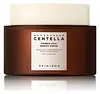
Centella Asiatica Extract, Glycerin, Diglycerin, 1,2-Hexanediol, Butylene Glycol, Niacinamide, Water, Polyglyceryl-3 Distearate, Caprylic/Capric Triglyceride, Neopentyl Glycol Diheptanoate, Isostearyl Isostearate, Pentaerythrityl Tetraisostearate, Hydrogenated Poly(C6-14 Olefin), Heptyl Undecylenate, Lactobacillus/Centella Asiatica Extract Ferment Filtrate, Bis-Diglyceryl Polyacyladipate-2, Glyceryl Stearate, C14-22 Alcohols, Cetearyl Alcohol, Butyrospermum Parkii Butter, Polyglyceryl-2 Stearate, Sodium Acrylate/Sodium Acryloyldimethyl Taurate Copolymer, Glyceryl Stearate Citrate, Arginine, Stearyl Alcohol, Polyisobutene, C12-20 Alkyl Glucoside, Squalane, Sodium Surfactin, Sodium Polyacrylate, Acrylates/C10-30 Alkyl Acrylate Crosspolymer, Carbomer, Hydroxystearic Acid, Ethylhexylglycerin, Adenosine, Hydrogenated Lecithin, Sorbitan Oleate, Caprylyl/Capryl Glucoside, Macadamia Ternifolia Seed Oil, Sodium Hyaluronate, Moringa Oleifera Seed Oil, Sodium Phytate, Ceramide NP, Dextrin, Theobroma Cacao Extract, Glyceryl Acrylate/Acrylic Acid Copolymer, Polyglyceryl-10 Myristate, Glucose, Stearic Acid, Phytosphingosine, Madecassic Acid, Asiaticoside, Sucrose Distearate, Asiatic Acid, Lauric Acid, Phytosterols, Polyglutamic Acid
Water
Skin ConditioningGlycerin
Humectant
Propanediol
Solvent
Pentylene Glycol
Skin Conditioning
Butylene Glycol
Humectant
Cyclohexasiloxane
Emollient
Caprylyl Methicone
Skin Conditioning
Artemisia Vulgaris Extract
Skin Conditioning
Diglycerin
Humectant
Pentaerythrityl Tetraethylhexanoate
Emollient
Hydroxyethyl Acrylate/Sodium Acryloyldimethyl Taurate Copolymer
Emulsion StabilisingVinyldimethicone
Panthenol
Skin Conditioning
Silica
Abrasive
Chlorella Vulgaris Extract
Skin ConditioningGlucose
Humectant
Carbomer
Emulsion StabilisingHydroxyacetophenone
Antioxidant
Dimethiconol
Emollient
Fructooligosaccharides
Humectant
Fructose
Humectant
Tromethamine
BufferingAcrylates/C10-30 Alkyl Acrylate Crosspolymer
Emulsion StabilisingGlyceryl Acrylate/Acrylic Acid Copolymer
HumectantLactobionic Acid
Buffering
Xanthan Gum
Emulsifying1,2-Hexanediol
Skin Conditioning
Artemisia Princeps Leaf Extract
Skin ConditioningEthylhexylglycerin
Skin ConditioningAllantoin
Skin Conditioning
Dipotassium Glycyrrhizate
Humectant
Sodium Citrate
BufferingSodium Phytate
Xylitol
Humectant
Dextrin
AbsorbentTheobroma Cacao Seed Extract
Antioxidant
Madecassoside
Antioxidant
Salvia Officinalis Oil
Masking
Asiaticoside
Antioxidant
Centella Asiatica Leaf Extract
Skin Conditioning
Tocopherol
Antioxidant
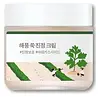
Water, Glycerin, Propanediol, Pentylene Glycol, Butylene Glycol, Cyclohexasiloxane, Caprylyl Methicone, Artemisia Vulgaris Extract, Diglycerin, Pentaerythrityl Tetraethylhexanoate, Hydroxyethyl Acrylate/Sodium Acryloyldimethyl Taurate Copolymer, Vinyldimethicone, Panthenol, Silica, Chlorella Vulgaris Extract, Glucose, Carbomer, Hydroxyacetophenone, Dimethiconol, Fructooligosaccharides, Fructose, Tromethamine, Acrylates/C10-30 Alkyl Acrylate Crosspolymer, Glyceryl Acrylate/Acrylic Acid Copolymer, Lactobionic Acid, Xanthan Gum, 1,2-Hexanediol, Artemisia Princeps Leaf Extract, Ethylhexylglycerin, Allantoin, Dipotassium Glycyrrhizate, Sodium Citrate, Sodium Phytate, Xylitol, Dextrin, Theobroma Cacao Seed Extract, Madecassoside, Salvia Officinalis Oil, Asiaticoside, Centella Asiatica Leaf Extract, Tocopherol
Reviews
Ingredients Explained
These ingredients are found in both products.
Ingredients higher up in an ingredient list are typically present in a larger amount.
1,2-Hexanediol is a synthetic liquid and another multi-functional powerhouse.
It is a:
- Humectant, drawing moisture into the skin
- Emollient, helping to soften skin
- Solvent, dispersing and stabilizing formulas
- Preservative booster, enhancing the antimicrobial activity of other preservatives
Acrylates/C10-30 Alkyl Acrylate Crosspolymer is a synthetic polymer. It is used to thicken, emulsify, and improve the texture of products.
As an emulsifier, it helps stabilize oil-in-water emulsions to give products an elegant feel when applied.
It can also form a thin protective film on skin. One study found that a formula using this polymer helped slow down how quickly other ingredients (like DEET) were absorbed through skin.
A 2024 study of over 1,300 patients confirmed that sensitization to this ingredient is rare. It is also non-mutagenic and has a clean track record.
Learn more about Acrylates/C10-30 Alkyl Acrylate CrosspolymerAsiaticoside comes from the super popular skin-soothing ingredient, Centella asiatica. It's the reason centella-based products have a strong reputation for repairing and calming skin, along with its sibling compound Madecassoside.
Research from 2016-2025 supports its role in:
You'll usually find this in concentrations between 0.2-5%.
Learn more about AsiaticosideButylene Glycol (or BG) is used within cosmetic products for a few different reasons:
Overall, Butylene Glycol is a safe and well-rounded ingredient that works well with other ingredients.
Though this ingredient works well with most skin types, some people with sensitive skin may experience a reaction such as allergic rashes, closed comedones, or itchiness.
Learn more about Butylene GlycolCarbomer is a high-molecular weight polymer of acrylic acid. It is used to form gels and thicken formulas.
Due to its large molecular size, carbomer has minimal skin penetration and is considered an inert ingredient.
A high amount of carbomer can cause pilling or balling up of products. Don't worry, most products contain 1% or less of carbomer.
Learn more about CarbomerDextrin is used to thicken a product and helps bind ingredients together. It is created from starch and glycogen.
As an emulsifier, dextrin prevents ingredients from separating. This helps elongate a product's shelf life.
Studies show coating UV filters with dextrin prevents these ingredients from being absorbed. This helps UV ingredients last longer on the skin.
Learn more about DextrinDiglycerin is a humectant. It is derived from glycerin, which is naturally found in your skin.
As a humectant, it helps draw moisture to the skin from the air.
Ethylhexylglycerin is created from glycerin. It is a multitasker ingredient that:
The CIR Expert Panel found minimal skin absorption or sensitization of any kind in a safety assessment. Though this ingredient is considered well-tolerated, a small number of cases of allergic dermatitis have been published since 2002. Just be sure to patch test if you are unsure.
Industry-reported use ranges from 8% in rinse-off products and 2% in leave-on formulations.
Learn more about EthylhexylglycerinGlucose is a simple sugar (a monosaccharide). In skincare, it is mostly a humectant and skin conditioning agent.
Mechanistically, it has multiple hydroxyl groups that hydrogen-bond to water. This pulls moisture into the upper layers of skin to keep the surface soft and hydrated.
It's worth knowing sugars are already a natural component of the skin's NMF (natural moisturizing factor) so it's a molecule that your stratum corneum is well-acquainted with.
Just so you know, glucose is hydrophilic (water-loving) and the stratum corneum is a strong barrier to hydrophilic compounds. This just means penetration is slow and most of the action is happening on the surface.
Gram-to-gram, glucose is not as efficient as a humectant as glycerin. This is why you'll likely see glycose paired with stronger humectants for a bigger hydration payoff.
In skincare, glucose is typically derived from corn or other starch sources.
Learn more about GlucoseGlycerin (or glycerol) is a compound naturally found in your skin. It's a powerhouse humectant that pulls water into the stratum corneum.
Topically, glycerin does several things at once:
Your skin makes glycerin on its own (mostly from sebaceous oil breakdown) and shuttles it to your outermost layer of skin, or your epidermis, via aquaporin-3.
Aquaporin-3 is a transporter that is essential for normal skin hydration, elasticity, and repair. Interestingly, mice lacking in AQP3 have dry and less elastic skin that can be fully corrected with glycerin.
This ingredient is non-irritating, plays well with almost every ingredient, and works across all skin types. Typical use is anywhere between 3-10% but can go up to 79% in some leave-on products.
Just know very high concentrations (>40%) can feel tacky in low humidity.
Glycerin is the name for this ingredient in American English. British English uses Glycerol/Glycerine.
Learn more about GlycerinGlyceryl Acrylate/Acrylic Acid Copolymer is made up of glycerin and polyacrylic acid. It helps hydrate your skin as a humectant.
This ingredient forms a hydrogel that delivers moisturizing, water-based ingredients to the skin. It is also used to thicken a product and to give it a smooth texture.
Acrylic acid itself is toxic, but the polymer form (this ingredient) is too large to penetrate skin, making it non-toxic.
Learn more about Glyceryl Acrylate/Acrylic Acid CopolymerSodium Phytate is the synthetic salt form of phytic acid. Phytic acid is an antioxidant and can be found in plant seeds.
Sodium Phytate is a chelating agent. Chelating agents help prevent metals from binding to water. This helps stabilize the ingredients and the product.
Water. It's the most common cosmetic ingredient of all. You'll usually see it at the top of ingredient lists, meaning that it makes up the largest part of the product.
So why is it so popular? Water most often acts as a solvent - this means that it helps dissolve other ingredients into the formulation.
You'll also recognize water as that liquid we all need to stay alive. If you see this, drink a glass of water. Remember to stay hydrated!
Learn more about Water
