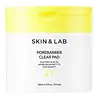
This barrier-repair exfoliating pad uses a pre-saturated pad with Sodium Lactate and Panthenol to strengthen the skin barrier.
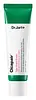
This calming moisturizer is formulated around Niacinamide and Madecassoside to calm redness and strengthen the skin barrier.

What's inside
What's inside
 Key Ingredients
Benefits
Concerns
Ingredients Side-by-side
Water
Skin ConditioningSodium Lactate
Buffering
Succinic Acid
Buffering1,2-Hexanediol
Skin Conditioning
Glycerin
Humectant

Propanediol
Solvent
Panthenol
Skin Conditioning

Allantoin
Skin Conditioning
Caffeine
Skin Conditioning
Caprylyl Glycol
Emollient
Butylene Glycol
Humectant
Lactobacillus Ferment Lysate
Skin Conditioning
Polyglyceryl-10 Laurate
Skin Conditioning

Ethylhexylglycerin
Skin ConditioningXanthan Gum
EmulsifyingPentylene Glycol
Skin Conditioning
Disodium EDTA
ChelatingAcetyl Glucosamine
Skin Conditioning

Cynanchum Atratum Extract
Skin ConditioningSodium Hyaluronate
Humectant
Hydroxyacetophenone
Antioxidant
Citrus Aurantium Dulcis Peel Oil
Masking

Althaea Rosea Flower Extract
Skin ConditioningSodium Hyaluronate Crosspolymer
Humectant
Dipropylene Glycol
HumectantCaprylyl/Capryl Glucoside
CleansingCeramide NP
Skin Conditioning
Cholesterol
Emollient
Hydrogenated Lecithin
Emulsifying
Linolenic Acid
Cleansing

Water, Sodium Lactate, Succinic Acid, 1,2-Hexanediol, Glycerin, Propanediol, Panthenol, Allantoin, Caffeine, Caprylyl Glycol, Butylene Glycol, Lactobacillus Ferment Lysate, Polyglyceryl-10 Laurate, Ethylhexylglycerin, Xanthan Gum, Pentylene Glycol, Disodium EDTA, Acetyl Glucosamine, Cynanchum Atratum Extract, Sodium Hyaluronate, Hydroxyacetophenone, Citrus Aurantium Dulcis Peel Oil, Althaea Rosea Flower Extract, Sodium Hyaluronate Crosspolymer, Dipropylene Glycol, Caprylyl/Capryl Glucoside, Ceramide NP, Cholesterol, Hydrogenated Lecithin, Linolenic Acid
Water
Skin ConditioningButylene Glycol
Humectant
Propanediol
Solvent
Caprylic/Capric Triglyceride
Masking
Cetearyl Alcohol
Emollient


Hydrogenated Poly(C6-14 Olefin)
EmollientCetyl Ethylhexanoate
EmollientPolyglyceryl-3 Methylglucose Distearate
Emulsifying
Butyrospermum Parkii Butter
Skin Conditioning
Niacinamide
Smoothing




Vinyldimethicone

Macadamia Integrifolia Seed Oil
Skin Conditioning
Glyceryl Stearate
Emollient
Pentylene Glycol
Skin Conditioning
1,2-Hexanediol
Skin Conditioning
Diisostearyl Malate
EmollientEryngium Maritimum Callus Culture Filtrate
Skin ConditioningHydrogenated Vegetable Oil
Emollient
Polymethylsilsesquioxane
Cera Alba
Emollient
Cetearyl Olivate
Sorbitan Olivate
Emulsifying
Madecassoside
Antioxidant
Houttuynia Cordata Extract
Skin Conditioning
Ilex Aquifolium Leaf Extract
Skin ConditioningStreptococcus Thermophilus Ferment
Humectant
Hydroxyethyl Acrylate/Sodium Acryloyldimethyl Taurate Copolymer
Emulsion StabilisingAchillea Millefolium Oil
Cleansing

Hydroxyacetophenone
Antioxidant
Palmitic Acid
Emollient
Stearic Acid
Cleansing
Lavandula Angustifolia Oil
Masking
Sodium Polyacryloyldimethyl Taurate
Emulsion StabilisingCarbomer
Emulsion StabilisingXanthan Gum
EmulsifyingHydrogenated Polydecene
EmollientTromethamine
BufferingCaramel
Cosmetic ColorantCitrus Aurantium Bergamia Fruit Oil
Masking
Melia Azadirachta Leaf Extract
Skin ConditioningDNA
Skin ConditioningMelia Azadirachta Flower Extract
Skin ConditioningAdenosine
Skin Conditioning
Sorbitan Isostearate
Emulsifying
Asiaticoside
Antioxidant
Disodium EDTA
ChelatingCentella Asiatica Leaf Extract
Skin Conditioning
Hedera Helix Extract
AntimicrobialCoccinia Indica Fruit Extract
Skin Conditioning
Trideceth-10
CleansingPanthenol
Skin Conditioning
Amber Powder
Solanum Melongena Fruit Extract
Skin ConditioningEthylhexylglycerin
Skin ConditioningCurcuma Longa Root Extract
Antioxidant
Ocimum Sanctum Leaf Extract
Skin ConditioningCorallina Officinalis Extract
Skin Conditioning
Moringa Oleifera Seed Oil
Emollient
Tocopherol
Antioxidant
Calcium Chloride
AstringentMagnesium Sulfate
Asiatic Acid
Skin Conditioning
Madecassic Acid
Skin Conditioning
Centella Asiatica Extract
Cleansing
Water, Butylene Glycol, Propanediol, Caprylic/Capric Triglyceride, Cetearyl Alcohol, Hydrogenated Poly(C6-14 Olefin), Cetyl Ethylhexanoate, Polyglyceryl-3 Methylglucose Distearate, Butyrospermum Parkii Butter, Niacinamide, Vinyldimethicone, Macadamia Integrifolia Seed Oil, Glyceryl Stearate, Pentylene Glycol, 1,2-Hexanediol, Diisostearyl Malate, Eryngium Maritimum Callus Culture Filtrate, Hydrogenated Vegetable Oil, Polymethylsilsesquioxane, Cera Alba, Cetearyl Olivate, Sorbitan Olivate, Madecassoside, Houttuynia Cordata Extract, Ilex Aquifolium Leaf Extract, Streptococcus Thermophilus Ferment, Hydroxyethyl Acrylate/Sodium Acryloyldimethyl Taurate Copolymer, Achillea Millefolium Oil, Hydroxyacetophenone, Palmitic Acid, Stearic Acid, Lavandula Angustifolia Oil, Sodium Polyacryloyldimethyl Taurate, Carbomer, Xanthan Gum, Hydrogenated Polydecene, Tromethamine, Caramel, Citrus Aurantium Bergamia Fruit Oil, Melia Azadirachta Leaf Extract, DNA, Melia Azadirachta Flower Extract, Adenosine, Sorbitan Isostearate, Asiaticoside, Disodium EDTA, Centella Asiatica Leaf Extract, Hedera Helix Extract, Coccinia Indica Fruit Extract, Trideceth-10, Panthenol, Amber Powder, Solanum Melongena Fruit Extract, Ethylhexylglycerin, Curcuma Longa Root Extract, Ocimum Sanctum Leaf Extract, Corallina Officinalis Extract, Moringa Oleifera Seed Oil, Tocopherol, Calcium Chloride, Magnesium Sulfate, Asiatic Acid, Madecassic Acid, Centella Asiatica Extract
Reviews
Ingredients Explained
These ingredients are found in both products.
Ingredients higher up in an ingredient list are typically present in a larger amount.
1,2-Hexanediol is a synthetic liquid and another multi-functional powerhouse.
It is a:
- Humectant, drawing moisture into the skin
- Emollient, helping to soften skin
- Solvent, dispersing and stabilizing formulas
- Preservative booster, enhancing the antimicrobial activity of other preservatives
Butylene Glycol (or BG) is used within cosmetic products for a few different reasons:
Overall, Butylene Glycol is a safe and well-rounded ingredient that works well with other ingredients.
Though this ingredient works well with most skin types, some people with sensitive skin may experience a reaction such as allergic rashes, closed comedones, or itchiness.
Learn more about Butylene GlycolDisodium EDTA is a chelating agent. It grabs onto and deactivates metal ions that sneak into your products from water, packaging, or air.
This ingredient mainly works behind the scenes and helps with:
On top of that, this ingredient can counteract the effects of hard water by binding to the minerals in it.
One thing worth knowing is that Disodium EDTA has been shown to be a mild penetration enhancer. It can help other ingredients absorb into skin more effectively which can be a double-edged sword (great for actives, but can also make the active too strong if you have sensitive skin).
Clinical patch testing showed no significant skin irritation at typical use concentrations and minimal dermal absorption.
You'll most likely see this ingredient near the end of an ingredient list. It's typically found in concentrations less than 1%.
Learn more about Disodium EDTAEthylhexylglycerin is created from glycerin. It is a multitasker ingredient that:
The CIR Expert Panel found minimal skin absorption or sensitization of any kind in a safety assessment. Though this ingredient is considered well-tolerated, a small number of cases of allergic dermatitis have been published since 2002. Just be sure to patch test if you are unsure.
Industry-reported use ranges from 8% in rinse-off products and 2% in leave-on formulations.
Learn more about EthylhexylglycerinHydroxyacetophenone is a small phenolic molecule that earns its place in a formulas as an antioxidant and preservative booster.
As a phenol, it is able to neutralize free radicals to protect both the product and the skin from oxidative stress.
Though it can't kill microbes on its own, it works as a good supporting agent when combined with other preservatives like Phenoxyethanol or 1,2-Hexanediol.
This ingredient naturally occurs as piceol in Norwegian spruce needles (~0.4-1.1% dry weight and in cloudberries). Though the cosmetic-grade material is synthesized for purity and consistency.
You'll usually see it used at low levels and suppliers recommend up to 1% added to a water phase.
Safety testing was done at concentrations like 0.05% in SPF products and 0.5% in a Human Repeated Insult Patch Test. The safety evidence is assuring; this ingredient is safe for cosmetics in current use and also holds safety status as a food flavoring as well.
An honest caveat: the "soothing" and "anti-inflammatory" claims come mostly from supplier marketing rather than published clinical trials. The Cosmetic Ingredient Review's own literature search found no useful efficacy studies on this ingredient.
So the antioxidant and preservative-boosting roles are the well supported ones while the calming benefit is plausible but thinly evidenced.
Overall, this is a well-tolerated, low-irritation multitasker that quietly helps a formula stay fresh and stable.
Learn more about HydroxyacetophenonePanthenol is a common ingredient that helps hydrate and soothe the skin. It is found naturally in our skin and hair.
There are two forms of panthenol: D and L.
D-panthenol is also known as dexpanthenol. Most cosmetics use dexpanthenol or a mixture of D and L-panthenol.
Panthenol is famous due to its ability to go deeper into the skin's layers. Using this ingredient has numerous pros (and no cons):
Like hyaluronic acid, panthenol is a humectant. Humectants are able to bind and hold large amounts of water to keep skin hydrated.
This ingredient works well for wound healing. It works by increasing tissue in the wound and helps close open wounds.
Once oxidized, panthenol converts to pantothenic acid. Panthothenic acid is found in all living cells.
This ingredient is also referred to as pro-vitamin B5.
Learn more about PanthenolPentylene Glycol (1,2-pentanediol) is a multitasking little diol with three main roles in a formula:
Research on alkanediols (the family pentylene glycol belongs to) show they work by disrupting microbial cell membranes. This disruption helps the primary preservative system in a product work more effectively at lower doses.
On the safety side, the Cosmetic Ingredient Review Expert Panel has concluded this ingredient to be safe as used in current cosmetic practices + concentrations.
Typical use levels in a formula run about 1-5%.
Learn more about Pentylene GlycolPropanediol is an all-star ingredient. It softens, hydrates, and smooths the skin.
It’s often used to:
Propanediol is not likely to cause sensitivity and considered safe to use. It is derived from corn or petroleum with a clear color and no scent.
Learn more about PropanediolWater. It's the most common cosmetic ingredient of all. You'll usually see it at the top of ingredient lists, meaning that it makes up the largest part of the product.
So why is it so popular? Water most often acts as a solvent - this means that it helps dissolve other ingredients into the formulation.
You'll also recognize water as that liquid we all need to stay alive. If you see this, drink a glass of water. Remember to stay hydrated!
Learn more about WaterXanthan gum is used as a stabilizer and thickener within cosmetic products. It helps give products a sticky, thick feeling - preventing them from being too runny.
On the technical side of things, xanthan gum is a polysaccharide - a combination consisting of multiple sugar molecules bonded together.
Xanthan gum is a pretty common and great ingredient. It is a natural, non-toxic, non-irritating ingredient that is also commonly used in food products.
Learn more about Xanthan Gum

