Shiseido Essential Energy Hydrating Day Cream SPF 20 Versus No7 Lift & Luminate Triple Action Day Cream SPF 30
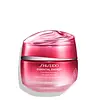
This anti-aging day moisturizer is formulated around 2-O-Ethyl Ascorbic Acid and Sodium Hyaluronate to soften the look of wrinkles and hydrate skin.
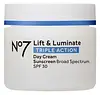
This anti-aging day moisturizer is formulated around Ascorbyl Glucoside and Palmitoyl Tripeptide-1 to soften the look of wrinkles and brighten dull-looking skin.


What's inside
What's inside
 Key Ingredients
Benefits
Concerns
Ingredients Side-by-side
Butyl Methoxydibenzoylmethane 2%
UV Absorber
Homosalate 5%
Skin Conditioning
Ethylhexyl Salicylate 5%
UV Absorber
Octocrylene 5%
UV Absorber

Water
Skin ConditioningSd Alcohol 40-B
Astringent

Dimethicone
Emollient

Glycerin
Humectant

Dipropylene Glycol
HumectantIsodecyl Neopentanoate
EmollientPEG-20
HumectantAmmonium Acryloyldimethyltaurate/Beheneth-25 Methacrylate Crosspolymer
Emulsion StabilisingErythritol
Humectant
PEG/PPG-14/7 Dimethyl Ether
Skin ConditioningPEG/PPG-17/4 Dimethyl Ether
Skin ConditioningLauryl Betaine
CleansingXanthan Gum
Emulsifying2-O-Ethyl Ascorbic Acid
Skin Conditioning



Caffeine
Skin Conditioning

Phytosteryl Macadamiate
Skin Conditioning

Sodium Hyaluronate
Humectant

Citrus Unshiu Peel Extract
MaskingAngelica Keiskei Leaf/Stem Extract
Skin ConditioningZiziphus Jujuba Fruit Extract
Skin ConditioningPanax Ginseng Root Extract
Emollient
Sodium Acetylated Hyaluronate
Humectant
Scutellaria Baicalensis Root Extract
Astringent
Sanguisorba Officinalis Root Extract
CleansingPyrola Incarnata Extract
Skin ConditioningBehenyl Alcohol
Emollient
Silica
Abrasive

Diglycerin
Humectant
Polysilicone-11
Batyl Alcohol
EmollientButylene Glycol
Humectant
Bis-Butyldimethicone Polyglyceryl-3
Cleansing
Carbomer
Emulsion StabilisingPotassium Hydroxide
BufferingPEG-60 Glyceryl Isostearate
Surfactant
Alcohol
Antimicrobial
Tocopherol
Antioxidant


BHT
Antioxidant
Acrylates/C10-30 Alkyl Acrylate Crosspolymer
Emulsion StabilisingSodium Metabisulfite
Antioxidant
Isostearic Acid
Cleansing
Disodium EDTA
ChelatingSodium Metaphosphate
BufferingPPG-3 Dipivalate
Skin ConditioningSyzygium Jambos Leaf Extract
Skin ConditioningAlpinia Speciosa Leaf Extract
Skin ConditioningRosmarinus Officinalis Leaf Extract
AntimicrobialPhenoxyethanol
Preservative
Sodium Benzoate
Masking
Parfum
Masking

Iron Oxides
Butyl Methoxydibenzoylmethane 2%, Homosalate 5%, Ethylhexyl Salicylate 5%, Octocrylene 5%, Water, Sd Alcohol 40-B, Dimethicone, Glycerin, Dipropylene Glycol, Isodecyl Neopentanoate, PEG-20, Ammonium Acryloyldimethyltaurate/Beheneth-25 Methacrylate Crosspolymer, Erythritol, PEG/PPG-14/7 Dimethyl Ether, PEG/PPG-17/4 Dimethyl Ether, Lauryl Betaine, Xanthan Gum, 2-O-Ethyl Ascorbic Acid, Caffeine, Phytosteryl Macadamiate, Sodium Hyaluronate, Citrus Unshiu Peel Extract, Angelica Keiskei Leaf/Stem Extract, Ziziphus Jujuba Fruit Extract, Panax Ginseng Root Extract, Sodium Acetylated Hyaluronate, Scutellaria Baicalensis Root Extract, Sanguisorba Officinalis Root Extract, Pyrola Incarnata Extract, Behenyl Alcohol, Silica, Diglycerin, Polysilicone-11, Batyl Alcohol, Butylene Glycol, Bis-Butyldimethicone Polyglyceryl-3, Carbomer, Potassium Hydroxide, PEG-60 Glyceryl Isostearate, Alcohol, Tocopherol, BHT, Acrylates/C10-30 Alkyl Acrylate Crosspolymer, Sodium Metabisulfite, Isostearic Acid, Disodium EDTA, Sodium Metaphosphate, PPG-3 Dipivalate, Syzygium Jambos Leaf Extract, Alpinia Speciosa Leaf Extract, Rosmarinus Officinalis Leaf Extract, Phenoxyethanol, Sodium Benzoate, Parfum, Iron Oxides
Butyl Methoxydibenzoylmethane 3%
UV Absorber
Ethylhexyl Salicylate 5%
UV Absorber
Octocrylene 7.5%
UV Absorber
Water
Skin ConditioningC12-15 Alkyl Benzoate
AntimicrobialGlycerin
Humectant
Tribehenin
Emollient
Alcohol Denat.
Antimicrobial
Dimethicone
Emollient
Butylene Glycol
Humectant
Aluminum Starch Octenylsuccinate
Absorbent
Mica
Cosmetic ColorantCetearyl Alcohol
Emollient

Butyrospermum Parkii Butter
Skin Conditioning
Cetearyl Glucoside
Emulsifying
Ammonium Acryloyldimethyltaurate/Vp Copolymer
Phenoxyethanol
Preservative
Potassium Cetyl Phosphate
EmulsifyingMethylparaben
Preservative
Dimethiconol
Emollient
Ascorbyl Glucoside
Antioxidant
Parfum
Masking
Propylene Glycol
Humectant
Xanthan Gum
EmulsifyingEthylparaben
Preservative
Pentylene Glycol
Skin Conditioning
Sodium Hyaluronate
Humectant
Tocopheryl Acetate
Antioxidant
Hibiscus Abelmoschus Extract
MaskingRetinyl Palmitate
Skin Conditioning
Phyllanthus Emblica Fruit Extract
HumectantHydrolyzed Rice Protein
Skin ConditioningTetrasodium EDTA
ChelatingSorbitan Laurate
Emulsifying
T-Butyl Alcohol
Perfuming
Potassium Hydroxide
BufferingCarbomer
Emulsion StabilisingPanax Ginseng Root Extract
Emollient
Dipropylene Glycol
HumectantDimethylmethoxy Chromanol
Antioxidant
Polysorbate 20
Emulsifying
Hydroxyethylcellulose
Emulsion StabilisingAcetyl Dipeptide-1 Cetyl Ester
Skin Conditioning
Morus Alba Leaf Extract
Skin ConditioningSilica
Abrasive
Sodium Benzoate
Masking
Tocopherol
Antioxidant
Palmitoyl Tripeptide-1
Skin Conditioning
Palmitoyl Tetrapeptide-7
Skin Conditioning
CI 77891
Cosmetic ColorantButyl Methoxydibenzoylmethane 3%, Ethylhexyl Salicylate 5%, Octocrylene 7.5%, Water, C12-15 Alkyl Benzoate, Glycerin, Tribehenin, Alcohol Denat., Dimethicone, Butylene Glycol, Aluminum Starch Octenylsuccinate, Mica, Cetearyl Alcohol, Butyrospermum Parkii Butter, Cetearyl Glucoside, Ammonium Acryloyldimethyltaurate/Vp Copolymer, Phenoxyethanol, Potassium Cetyl Phosphate, Methylparaben, Dimethiconol, Ascorbyl Glucoside, Parfum, Propylene Glycol, Xanthan Gum, Ethylparaben, Pentylene Glycol, Sodium Hyaluronate, Tocopheryl Acetate, Hibiscus Abelmoschus Extract, Retinyl Palmitate, Phyllanthus Emblica Fruit Extract, Hydrolyzed Rice Protein, Tetrasodium EDTA, Sorbitan Laurate, T-Butyl Alcohol, Potassium Hydroxide, Carbomer, Panax Ginseng Root Extract, Dipropylene Glycol, Dimethylmethoxy Chromanol, Polysorbate 20, Hydroxyethylcellulose, Acetyl Dipeptide-1 Cetyl Ester, Morus Alba Leaf Extract, Silica, Sodium Benzoate, Tocopherol, Palmitoyl Tripeptide-1, Palmitoyl Tetrapeptide-7, CI 77891
Ingredients Explained
These ingredients are found in both products.
Ingredients higher up in an ingredient list are typically present in a larger amount.
Also known as Avobenzone, this ingredient is an oil-soluble used to absorb the full spectrum of UVA rays (peak 357 nm).
It's one of the most effective UVA filters available but has a major caveat of photostability: avobenzone is susceptible to photodegradation.
This means it can lose efficacy when exposed to sunlight without the help of a stabilizing agent.
Studies show antioxidants (like vitamin E or vitamin C) and some UV filters (like octocrylene and Tinosorb S) can meaningfully improve its stability in a formulation.
The maximum allowable concentration according to regulation is 3% in the US + Canada, and 5% in the EU, Australia, China, Korea, and ASEAN countries.
It has a well-support safety profile: a comprehensive 2025 review found minimal toxicity with no evidence of carcinogenicity.
Overall, avobenzone is a safe and regulated ingredient used in sunscreen for over 40 years.
Learn more about Butyl MethoxydibenzoylmethaneButylene Glycol (or BG) is used within cosmetic products for a few different reasons:
Overall, Butylene Glycol is a safe and well-rounded ingredient that works well with other ingredients.
Though this ingredient works well with most skin types, some people with sensitive skin may experience a reaction such as allergic rashes, closed comedones, or itchiness.
Learn more about Butylene GlycolCarbomer is a synthetic thickening and gelling agent. It's basically the ingredient that gives a lot of serums, gels, creams, and sunscreens their smooth, non-sticky texture.
Although legally permitted at very high levels, carbomers are normally used at concentrations below 1%.
It also needs to be neutralized to actually thicken, and because it is a large molecule, it doesn't really penetrate the skin barrier.
Allergy-wise, the risk is very low. Clinical studies show carbomers have low potential for skin irritation/sensitization even at concentrations up to 100%.
A 2024 UK study patch-tested 1,302 patients and found true allergy to the parent group of carbomer to be rare with no confirmed relevant reactions.
Learn more about CarbomerDimethicone is a type of synthetic silicone created from natural materials such as quartz. It is also known as polydimethylsiloxane.
What it does:
Dimethicone comes in different viscosities:
Depending on the viscosity, dimethicone has different properties.
Ingredients lists don't always show which type is used, so we recommend reaching out to the brand if you have questions about the viscosity.
This ingredient is unlikely to cause irritation because it does not get absorbed into skin. However, people with silicone allergies should be careful about using this ingredient.
Note: Dimethicone may contribute to pilling. This is because it is not oil or water soluble, so pilling may occur when layered with products. When mixed with heavy oils in a formula, the outcome is also quite greasy.
Learn more about DimethiconeDipropylene Glycol is a synthetically created humectant, stabilizer, and solvent.
This ingredient helps:
Dipropylene glycol is technically an alcohol, but it belongs to the glycol family (often considered part of the ‘good’ alcohols). This means it is hydrating and gentle on skin unlike drying solvent alcohols like denatured alcohol.
As a masking agent, Dipropylene Glycol can be used to cover the smell of other ingredients. However, it does not have a scent.
Studies show Dipropylene Glycol is considered safe to use in skincare.
Learn more about Dipropylene GlycolEthylhexyl Salicylate (also called Octisalate or Octyl Salicylate) is an oil-soluble organic UV filter that's been used in sunscreen since the 1950's.
It absorbs UVB light in the 280-320 nm range with a peak absorbance around 306 nm.
You'll often see it paired with other UV filters to boost overall SPF because octisalate is a fairly week filter on its own.
The reason you'll see it so often is because it can help solubilize and stabilize the trickier filters like oxybenzone and avobenzone.
Unlike these filters, octisalate has pretty good photostability and doesn't create skin-damaging free radicals when exposed to sunlight.
The fatty-alcohol part of the molecule also gives it a light, emollient feel so it doubles as a nice texture enhancer.
Usage levels vary around the world:
Safety-wise, this ingredient has a pretty reassuring track record. The EU's Scientific Committee on Consumer Products (SCCP) found very low skin penetration in human skin tests and negative results for irritation, phototoxicity, and photoallergy.
The real-world allergy risk is pretty low too; a 2012 European study of 1,031 people recorded only 2 reactions to it (a rate of 0.19%).
You might have seen scary headlines about sunscreen getting into your blood.
In 2019, the FDA found that several chemical filters can absorb through the skin and show up in the bloodstream at small but measurable levels.
Here's the important part: these tiny levels are just a cutoff the FDA uses to decide which ingredients need more testing and doesn't mean anything harmful was found.
The researchers were clear that the results are no reason to stop wearing sunscreen.
Learn more about Ethylhexyl SalicylateGlycerin (or glycerol) is a compound naturally found in your skin. It's a powerhouse humectant that pulls water into the stratum corneum.
Topically, glycerin does several things at once:
Your skin makes glycerin on its own (mostly from sebaceous oil breakdown) and shuttles it to your outermost layer of skin, or your epidermis, via aquaporin-3.
Aquaporin-3 is a transporter that is essential for normal skin hydration, elasticity, and repair. Interestingly, mice lacking in AQP3 have dry and less elastic skin that can be fully corrected with glycerin.
This ingredient is non-irritating, plays well with almost every ingredient, and works across all skin types. Typical use is anywhere between 3-10% but can go up to 79% in some leave-on products.
Just know very high concentrations (>40%) can feel tacky in low humidity.
Glycerin is the name for this ingredient in American English. British English uses Glycerol/Glycerine.
Learn more about GlycerinOctocrylene is an oil-soluble organic UV filter that mainly absorbs UVB and short wave UVA II light.
Its real superpower is teamwork: octocrylene is remarkably photostable and is most famous for stabilizing avobenzone (the workhorse UVA filter).
This ingredient is commonly used to enhance both UVB and UVA protection due to its unique property in stabilizing avobenzone. It also pulls double duty by boosting water resistance and giving formulas a smooth, spreadable feel.
The EU's Scientific Committee on Consumer Safety (SCCS) has deemed octocrylene to be safe as a UV-filter at concentrations up to 10% (capped at 9% in propellant sprays). The US also permits it up to 10%.
Two things worth knowing:
You'll usually see this ingredient used in concentrations between 2-10% (higher amounts when used as a stabilizer for avobenzone).
Learn more about OctocryleneGinseng root is a well-loved ingredient in Asian skincare for good reason. It hydrates the skin, soothes irritation, and helps even out skin tone.
In traditional East Asian medicine, ginseng has been used for centuries both as food and as a healing remedy, and modern research continues to confirm its skin benefits.
One of the standout features of ginseng is its ability to improve blood circulation and oxygen delivery to the skin, bringing a fresh supply of nutrients to support overall skin health. It also has antioxidant and anti-inflammatory properties. This helps to protect your skin against damage from UV exposure, pollution, and daily stress.
Additionally, studies suggest that ginseng may help reduce hyperpigmentation by inhibiting tyrosinase, the enzyme involved in melanin production.
There are different types of ginseng used in skincare, and while they all share core benefits, their potency can vary.
Most products use fresh or white ginseng because it’s more affordable. However, red ginseng, produced by steaming the root, contains higher levels of ginsenosides, which are compounds with proven anti-aging effects. These ginsenosides help reduce the appearance of wrinkles and improve skin elasticity.
Note: All forms of ginseng are listed simply as “Panax ginseng” in ingredient lists. We recommend reaching out to the brand if you have questions about which type of ginseng is used in their ingredients.
For general antioxidant benefits, any ginseng extract will do, but for wrinkle care or firmer skin, red or fermented ginseng is often more effective.
In short, ginseng is a powerhouse ingredient that supports hydration, radiance, and resilience.
Learn more about Panax Ginseng Root ExtractParfum is a catch-all term for an ingredient or more that is used to give a scent to products.
Also called "fragrance", this ingredient can be a blend of hundreds of chemicals or plant oils. This means every product with "fragrance" or "parfum" in the ingredients list is a different mixture.
For instance, Habanolide is a proprietary trade name for a specific aroma chemical. When used as a fragrance ingredient in cosmetics, most aroma chemicals fall under the broad labeling category of “FRAGRANCE” or “PARFUM” according to EU and US regulations.
The term 'parfum' or 'fragrance' is not regulated in many countries. In many cases, it is up to the brand to define this term.
For instance, many brands choose to label themselves as "fragrance-free" because they are not using synthetic fragrances. However, their products may still contain ingredients such as essential oils that are considered a fragrance by INCI standards.
One example is Calendula flower extract. Calendula is an essential oil that still imparts a scent or 'fragrance'.
Depending on the blend, the ingredients in the mixture can cause allergies and sensitivities on the skin. Some ingredients that are known EU allergens include linalool and citronellol.
Parfum can also be used to mask or cover an unpleasant scent.
The bottom line is: not all fragrances/parfum/ingredients are created equally. If you are worried about fragrances, we recommend taking a closer look at an ingredient. And of course, we always recommend speaking with a professional.
Learn more about ParfumPhenoxyethanol is one of the most widely used preservatives in skincare (and for good reason!).
It has a large spectrum of antimicrobial activity and especially effective bacteria, yeast, and mold while only having a weak effect on your skin's natural microbiome.
On a cellular level, it disrupts the cell membranes of microbes by poking holes that make the cell leak. This shuts down the chemical reactions the microbe needs to make energy so it can no longer survive.
Another perk of this ingredient is that it stays functional across a wide pH range (3-10).
You'll often see it paired with boosters like Ethylhexylglycerin; one study showed that a 1:9 ratio of Ethylhexylglycerin to Phenoxyethanol damages bacterial membranes as effectively as doubling the Phenoxyethanol concentration on its own.
Typical use concentrations range from 0.3-1% depending on the formula, and this ingredient is capped at 1% int the EU.
Safety-wise, the fear mongering does not hold up to the evidence. The EU's Scientific Committee on Consumer Safety and FDA consider it safe as a preservative at up to 1%, including for children of all ages.
Adverse systemic effects only showed up in animal studies at exposures roughly 200x higher than what people get from cosmetics. And despite its very widespread use, this ingredient is a rare sensitizer and allergic reactions are uncommon.
Learn more about PhenoxyethanolPotassium Hydroxide (also known as potash) is a strong alkaline ingredient that does one job: it nudges a product's pH up so the whole formula lands in a skin-friendly range.
It's also the base that turns oils into liquid soap during the soap making process.
An expert safety panel reviewed it and found it safe when formulations are made to be non-irritating.
As a pH adjuster, it's typically used well under 1% though regulatory caps go much higher: 5% in nail cuticle removers and 2-4.5% in hair straighteners.
Though there is some concern for irritation from raw or high pH material, a well-balanced formula will be a non-issue for the vast majority of people.
Learn more about Potassium HydroxideSilica, also known as silicon dioxide, is a naturally occurring mineral. It is used as a fine, spherical, and porous powder in cosmetics.
Though it has exfoliant properties, the function of silica varies depending on the product.
The unique structure of silica enhances the spreadability and adds smoothness, making it a great texture enhancer.
It is also used as an active carrier, emulsifier, and mattifier due to its ability to absorb excess oil.
In some products, tiny microneedles called spicules are made from silica or hydrolyzed sponge. When you rub them in, they lightly polish away dead skin layers and enhance the penetration of active ingredients.
Learn more about SilicaSodium Benzoate is a preservative. It's used in both cosmetic and food products to inhibit the growth of mold and bacteria. It is typically produced synthetically.
Both the US FDA and EU Health Committee have approved the use of sodium benzoate. In the US, levels of 0.1% (of the total product) are allowed.
Sodium benzoate works as a preservative by inhibiting the growth of bacteria inside of cells. It prevents the cell from fermenting a type of sugar using an enzyme called phosphofructokinase.
It is the salt of benzoic acid. Foods containing sodium benzoate include soda, salad dressings, condiments, fruit juices, wines, and snack foods.
Studies for using ascorbic acid and sodium benzoate in cosmetics are lacking, especially in skincare routines with multiple steps.
We always recommend speaking with a professional, such as a dermatologist, if you have any concerns.
Learn more about Sodium BenzoateSodium Hyaluronate is the salt form of hyaluronic acid. It is a long sugar chain that is naturally found in your skin, joints, and connective tissue that maintains hydration and elasticity.
In skincare, it works as a humectant. It pulls water from the environment and deeper layers of skin and binds it to the surface.
Interestingly, the size of the molecule affects its behavior:
Some clinical evidence links low molecular weight versions to improved wrinkle depth, elasticity, anti-inflammatory effects, and barrier repair.
Many serums use a blend of both weights so you can get surface hydration plus longer-lasting and deeper effects.
You'll typically see concentrations between 0.1-2% for this ingredient.
Learn more about Sodium HyaluronateTocopherol is a fat-soluble antioxidant known as Vitamin E.
You'll find this ingredient in the vast majority of skincare (for good reason). It works to neutralize free radicals, or unstable molecules generated by UV exposure, pollution, and other environmental stressors, before they can cause oxidative damage to your skin cells.
Topically applied tocopherol has been shown to protect against UV damage by ramping up the skin's own natural defense enzymes.
It also acts as a skin conditioning agent; some studies show that regular topical use can improve the skin's water-binding capacity over 2-4 weeks.
This ingredient is especially loved for being a team player. When combined with Vitamin C, the photoprotective effect of both ingredients roughly doubles and the combo also helps reduce UV-induced DNA damage.
This ingredient has some brightening potential but it's more of a prevention ingredient than spot-fader. Cell studies show it can slow down melanin production but it's worth noting that it's not the most powerful brightener out there.
In formulations, it also serves as a stabilizer that helps protect other oxidation-prone ingredients from degrading.
Concentrations usually range from 0.1-1% in most leave-on products.
Learn more about TocopherolWater. It's the most common cosmetic ingredient of all. You'll usually see it at the top of ingredient lists, meaning that it makes up the largest part of the product.
So why is it so popular? Water most often acts as a solvent - this means that it helps dissolve other ingredients into the formulation.
You'll also recognize water as that liquid we all need to stay alive. If you see this, drink a glass of water. Remember to stay hydrated!
Learn more about WaterXanthan gum is used as a stabilizer and thickener within cosmetic products. It helps give products a sticky, thick feeling - preventing them from being too runny.
On the technical side of things, xanthan gum is a polysaccharide - a combination consisting of multiple sugar molecules bonded together.
Xanthan gum is a pretty common and great ingredient. It is a natural, non-toxic, non-irritating ingredient that is also commonly used in food products.
Learn more about Xanthan Gum

