This barrier-repair moisturizer is formulated around Rosa Damascena Flower Water and Squalane to strengthen the skin barrier and hydrate skin.
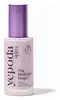
This barrier-repair overnight mask is formulated around Centella Asiatica Extract and Ceramide NP to strengthen the skin barrier and calm redness.


What's inside
What's inside
 Key Ingredients
Benefits
Concerns
Ingredients Side-by-side
Citrus Aurantium Dulcis Fruit Water
MaskingRosa Damascena Flower Water
Masking

Prunus Amygdalus Dulcis Oil
Skin Conditioning





Macadamia Ternifolia Seed Oil
Emollient
Squalane
Emollient

Glycerin
Humectant
Pentylene Glycol
Skin Conditioning
Sorbitan Olivate
Emulsifying
Limnanthes Alba Seed Oil
Skin Conditioning
Heptyl Undecylenate
EmollientWater
Skin ConditioningAdansonia Digitata Seed Oil
Emollient
Theobroma Grandiflorum Seed Butter
Skin Conditioning
Cistus Incanus Flower/Leaf/Stem Extract
Skin ConditioningMangifera Indica Seed Butter
Skin Conditioning
Ceramide NP
Skin Conditioning
Butyrospermum Parkii Butter
Skin Conditioning
Phytosphingosine
Skin Conditioning
Prunus Persica Bud Extract
HumectantPrunus Cerasus Bud Extract
HumectantGynostemma Pentaphyllum Leaf/Stem Extract
Antioxidant
Oenothera Biennis Oil
Emollient
Borago Officinalis Seed Oil
Emollient
Calophyllum Inophyllum Seed Oil
Antimicrobial
Saccharide Isomerate
Humectant
Rubus Idaeus Seed Extract
Skin ConditioningTriticum Vulgare Gluten Extract
Skin ConditioningSodium Hyaluronate
Humectant
Plukenetia Volubilis Seed Oil
Emollient
Ubiquinone
Antioxidant
Glutamine
Skin ConditioningSodium Phytate
ChelatingArginine
Masking
Helianthus Annuus Seed Oil
Emollient
Tocopherol
Antioxidant


Decyl Glucoside
Cleansing
Xanthan Gum
EmulsifyingRosa Damascena Flower Oil
Masking



Sodium Citrate
BufferingPhenethyl Alcohol
MaskingCitric Acid
Buffering
Alcohol
Antimicrobial

Rosmarinus Officinalis Leaf Extract
AntimicrobialCitrus Aurantium Dulcis Fruit Water, Rosa Damascena Flower Water, Prunus Amygdalus Dulcis Oil, Macadamia Ternifolia Seed Oil, Squalane, Glycerin, Pentylene Glycol, Sorbitan Olivate, Limnanthes Alba Seed Oil, Heptyl Undecylenate, Water, Adansonia Digitata Seed Oil, Theobroma Grandiflorum Seed Butter, Cistus Incanus Flower/Leaf/Stem Extract, Mangifera Indica Seed Butter, Ceramide NP, Butyrospermum Parkii Butter, Phytosphingosine, Prunus Persica Bud Extract, Prunus Cerasus Bud Extract, Gynostemma Pentaphyllum Leaf/Stem Extract, Oenothera Biennis Oil, Borago Officinalis Seed Oil, Calophyllum Inophyllum Seed Oil, Saccharide Isomerate, Rubus Idaeus Seed Extract, Triticum Vulgare Gluten Extract, Sodium Hyaluronate, Plukenetia Volubilis Seed Oil, Ubiquinone, Glutamine, Sodium Phytate, Arginine, Helianthus Annuus Seed Oil, Tocopherol, Decyl Glucoside, Xanthan Gum, Rosa Damascena Flower Oil, Sodium Citrate, Phenethyl Alcohol, Citric Acid, Alcohol, Rosmarinus Officinalis Leaf Extract
Water
Skin ConditioningCentella Asiatica Extract
Cleansing
Butyrospermum Parkii Butter
Skin Conditioning
Propanediol
Solvent
Butylene Glycol
Humectant
Simmondsia Chinensis Seed Oil
Emollient
1,2-Hexanediol
Skin Conditioning
Vitis Vinifera
MaskingCetearyl Glucoside
Emulsifying
Camellia Sinensis Extract
Antioxidant
Ceramide NP
Skin Conditioning
Sodium Hyaluronate
Humectant
Panthenol
Skin Conditioning
Asiatic Acid
Skin Conditioning
Madecassic Acid
Skin Conditioning
Madecassoside
Antioxidant
Allantoin
Skin Conditioning
Tocopherol
Antioxidant
Lavandula Angustifolia Oil
Masking
Oryza Sativa
Helianthus Annuus Seedcake
Abrasive
Melia Azadirachta Extract
Skin ConditioningCoccinia Indica Fruit Extract
Skin Conditioning
Curcuma Longa Root Extract
Antioxidant
Aloe Barbadensis Sprout
HumectantSolanum Melongena Fruit Extract
Skin ConditioningOcimum Sanctum Leaf Extract
Skin ConditioningDipotassium Glycyrrhizate
Humectant
Anhydroxylitol
Humectant
Xylitylglucoside
Humectant
Sclerotium Gum
Emulsion StabilisingXanthan Gum
EmulsifyingGlucose
Humectant
Asiaticoside
Antioxidant
Cyanocobalamin
Skin ConditioningCorallina Officinalis Extract
Skin Conditioning
Ethylhexylglycerin
Skin ConditioningXylitol
Humectant
Limonene
Perfuming
Linalool
Perfuming
Geraniol
Perfuming
Water, Centella Asiatica Extract, Butyrospermum Parkii Butter, Propanediol, Butylene Glycol, Simmondsia Chinensis Seed Oil, 1,2-Hexanediol, Vitis Vinifera, Cetearyl Glucoside, Camellia Sinensis Extract, Ceramide NP, Sodium Hyaluronate, Panthenol, Asiatic Acid, Madecassic Acid, Madecassoside, Allantoin, Tocopherol, Lavandula Angustifolia Oil, Oryza Sativa, Helianthus Annuus Seedcake, Melia Azadirachta Extract, Coccinia Indica Fruit Extract, Curcuma Longa Root Extract, Aloe Barbadensis Sprout, Solanum Melongena Fruit Extract, Ocimum Sanctum Leaf Extract, Dipotassium Glycyrrhizate, Anhydroxylitol, Xylitylglucoside, Sclerotium Gum, Xanthan Gum, Glucose, Asiaticoside, Cyanocobalamin, Corallina Officinalis Extract, Ethylhexylglycerin, Xylitol, Limonene, Linalool, Geraniol
Ingredients Explained
These ingredients are found in both products.
Ingredients higher up in an ingredient list are typically present in a larger amount.
This ingredient is also known as shea butter. It is a plant-derived extract from the nuts of the Africa shea tree and one of the most well-studied emollients.
Because it has a high concentration of fatty acids (primarily oleic, stearic, and linoleic) it is able to form a protective barrier on the skin's surface. This helps seal in moisture and prevents transepidermal water loss (TEWL).
In vitro research found an increase in skin hydration by 58% and a decrease in TEWL by 37.8% after 24 hours of applying this ingredient (pretty impressive for a single ingredient!).
Besides hydration, shea butter also contains triterpenes that have anti-inflammatory potential. In particule, lupeol cinnamate has shown the highest anti-inflammatory activity in vivo.
Shea butter also contains vitamins A and E which may contribute to antioxidant activity.
While Shea Butter has an SPF rating of about 3-4, it is not a sunscreen replacement.
This ingredient may not be fungal acne safe because its fatty acids fall within the C11-C24 range that the Malassezia yeast can metabolize.
This ingredient shows up on a lot of "pore-clogging" lists but there's no real evidence behind that. It doesn't even have a comedogenic rating from an actual study; the numbers you'll find online come from blogs citing other blogs.
Ratings for other ingredients mostly come from a 1980s rabbit ear test. This test doesn't translate well to human skin or to real products because the ingredient sits at a much lower percentage.
Some people still find it breaks them out. So if that's you, definitely trust your skin. Just know this one's based on experience and not evidence.
Learn more about Butyrospermum Parkii ButterCeramide NP (formerly known as Ceramide 3) is one of the skin's naturally occurring lipids.
Since ceramides are the major lipid components of the skin, they are crucial for maintaining skin barrier and hydration. Ceramide NP most closely mirrors the dominant kind in human skin amongst ceramide subtypes.
This ceramide works by slotting into gaps within the stratum corneum's lipid matrix to limit trans-epidermal water loss (TEWL) and shield the skin against external irritants.
A study with 312 patients found that using a ceramide-containing routine for 4 weeks reduced the severity of atopic dermatitis by over 61%.
Another clinical study in subjects aged 60 and older found that a ceramide body wash and moisturizer improved skin dryness and itchy skin in 15 days.
Overall, ceramides are considered non-irritating and safety tests have found little to no observable adverse effects from using this ingredient.
Ceramide NP is usually sourced from plants (like soybean or rice bran), or produced synthetically.
Learn more about Ceramide NPSodium Hyaluronate is the salt form of hyaluronic acid. It is a long sugar chain that is naturally found in your skin, joints, and connective tissue that maintains hydration and elasticity.
In skincare, it works as a humectant. It pulls water from the environment and deeper layers of skin and binds it to the surface.
Interestingly, the size of the molecule affects its behavior:
Some clinical evidence links low molecular weight versions to improved wrinkle depth, elasticity, anti-inflammatory effects, and barrier repair.
Many serums use a blend of both weights so you can get surface hydration plus longer-lasting and deeper effects.
You'll typically see concentrations between 0.1-2% for this ingredient.
Learn more about Sodium HyaluronateTocopherol is a fat-soluble antioxidant known as Vitamin E.
You'll find this ingredient in the vast majority of skincare (for good reason). It works to neutralize free radicals, or unstable molecules generated by UV exposure, pollution, and other environmental stressors, before they can cause oxidative damage to your skin cells.
Topically applied tocopherol has been shown to protect against UV damage by ramping up the skin's own natural defense enzymes.
It also acts as a skin conditioning agent; some studies show that regular topical use can improve the skin's water-binding capacity over 2-4 weeks.
This ingredient is especially loved for being a team player. When combined with Vitamin C, the photoprotective effect of both ingredients roughly doubles and the combo also helps reduce UV-induced DNA damage.
This ingredient has some brightening potential but it's more of a prevention ingredient than spot-fader. Cell studies show it can slow down melanin production but it's worth noting that it's not the most powerful brightener out there.
In formulations, it also serves as a stabilizer that helps protect other oxidation-prone ingredients from degrading.
Concentrations usually range from 0.1-1% in most leave-on products.
Learn more about TocopherolWater. It's the most common cosmetic ingredient of all. You'll usually see it at the top of ingredient lists, meaning that it makes up the largest part of the product.
So why is it so popular? Water most often acts as a solvent - this means that it helps dissolve other ingredients into the formulation.
You'll also recognize water as that liquid we all need to stay alive. If you see this, drink a glass of water. Remember to stay hydrated!
Learn more about WaterXanthan gum is used as a stabilizer and thickener within cosmetic products. It helps give products a sticky, thick feeling - preventing them from being too runny.
On the technical side of things, xanthan gum is a polysaccharide - a combination consisting of multiple sugar molecules bonded together.
Xanthan gum is a pretty common and great ingredient. It is a natural, non-toxic, non-irritating ingredient that is also commonly used in food products.
Learn more about Xanthan Gum

