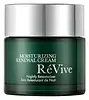
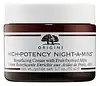
ReVive Skincare Moisturizing Renewal Cream Nightly Retexturizer Versus Origins High-Potency Night-A-Mins
This smoothing night moisturizer is formulated around Glycolic Acid and Squalane to refine skin texture and soften the look of wrinkles.
This brightening night moisturizer is formulated around Squalane and Lactic Acid to brighten dull-looking skin and hydrate skin.

What's inside
What's inside
 Key Ingredients
Benefits
Concerns
Ingredients Side-by-side
Water
Skin ConditioningDiisopropyl Dimer Dilinoleate
Emollient

Dicaprylyl Maleate
Emollient

Glycolic Acid
Buffering










Cyclopentasiloxane
Emollient
Glycerin
Humectant

Helianthus Annuus Seed Oil
Emollient
Glyceryl Stearate
Emollient
Butylene Glycol
Humectant
Cetyl Alcohol
Emollient

Cetyl Phosphate
EmulsifyingSodium Hydroxide
BufferingIsostearic Acid
Cleansing
Squalane
Emollient
Sclerotium Gum
Emulsion StabilisingOligopeptide-24
Skin Conditioning
Ascorbyl Palmitate
Antioxidant

Tocopheryl Acetate
Antioxidant
Glycolipids
Skin ConditioningSodium Hyaluronate
Humectant

Tocopherol
Antioxidant
Bisabolol
Antioxidant
Allantoin
Skin Conditioning
Sodium PCA
Humectant
Butyrospermum Parkii Butter
Skin Conditioning
Caprylyl Glycol
Emollient
Persea Gratissima Oil
Skin Conditioning
Dimethicone
Emollient
Phytosterols
Skin Conditioning
Olea Europaea Fruit Oil
Masking
Sodium Carbonate
BufferingGlycine Soja Oil
Emollient
Sodium Oleate
CleansingHydrogenated Lecithin
Emulsifying
Myristic Acid
Cleansing
Citrus Aurantium Dulcis Peel Oil
Masking
Sorbitan Oleate
Emulsifying
Palmitic Acid
Emollient
Stearic Acid
Cleansing
Phenoxyethanol
Preservative
Disodium EDTA
ChelatingLimonene
Perfuming
Linalool
Perfuming
Water, Diisopropyl Dimer Dilinoleate, Dicaprylyl Maleate, Glycolic Acid, Cyclopentasiloxane, Glycerin, Helianthus Annuus Seed Oil, Glyceryl Stearate, Butylene Glycol, Cetyl Alcohol, Cetyl Phosphate, Sodium Hydroxide, Isostearic Acid, Squalane, Sclerotium Gum, Oligopeptide-24, Ascorbyl Palmitate, Tocopheryl Acetate, Glycolipids, Sodium Hyaluronate, Tocopherol, Bisabolol, Allantoin, Sodium PCA, Butyrospermum Parkii Butter, Caprylyl Glycol, Persea Gratissima Oil, Dimethicone, Phytosterols, Olea Europaea Fruit Oil, Sodium Carbonate, Glycine Soja Oil, Sodium Oleate, Hydrogenated Lecithin, Myristic Acid, Citrus Aurantium Dulcis Peel Oil, Sorbitan Oleate, Palmitic Acid, Stearic Acid, Phenoxyethanol, Disodium EDTA, Limonene, Linalool
Water
Skin ConditioningMethyl Trimethicone
Skin Conditioning
Squalane
Emollient
Caprylic/Capric Triglyceride
Masking
Polysorbate 40
Emulsifying
Cetyl Alcohol
Emollient
Butylene Glycol
Humectant
Dimethicone
Emollient
Myristyl Alcohol
Emollient
PEG-100 Stearate
Surfactant
Jojoba Esters
Emollient
Glycerin
Humectant
Citrus Aurantium Amara Peel Oil
Skin Conditioning
Citrus Aurantium Dulcis Peel Oil
Masking
Citrus Aurantium Amara Flower Oil
Masking
Cinnamomum Zeylanicum Leaf Oil
Masking
Valeriana Officinalis Root Oil
Masking
Ferula Galbaniflua Resin Oil
Antimicrobial
Citrus Aurantium Dulcis Fruit Extract
MaskingVanilla Planifolia Fruit Extract
Skin Conditioning
Limonene
Perfuming
Linalool
Perfuming
Citral
Perfuming
Citronellol
Perfuming
Coffea Arabica Seed Extract
Masking
Citric Acid
Buffering
Tartaric Acid
Buffering
Lactic Acid
Buffering
Salicylic Acid
Masking

Biotin
AntiseborrhoeicCastanea Sativa Seed Extract
Skin ConditioningTocopheryl Acetate
Antioxidant
Magnesium Ascorbyl Phosphate
Antioxidant
CI 77220
Cosmetic ColorantAloe Barbadensis Leaf Juice
Skin Conditioning
Sucrose
Humectant
Elaeis Guineensis Oil
Emollient
Hordeum Vulgare Extract
EmollientTriticum Vulgare Germ Extract
Skin ConditioningGlyceryl Stearate
Emollient
Simmondsia Chinensis Butter
Skin Conditioning
Hypnea Musciformis Extract
Skin Protecting
Linoleic Acid
Cleansing
Gelidiella Acerosa Extract
Skin Protecting
Squalene
Emollient
Phospholipids
Skin Conditioning
Phytosterols
Skin Conditioning
Tocotrienols
Skin Conditioning
Ethylhexylglycerin
Skin ConditioningCarbomer
Emulsion StabilisingTrehalose
Humectant
Sodium PCA
Humectant
Arginine
Masking
Caprylyl Glycol
Emollient
Cetearyl Alcohol
Emollient
Sodium Hyaluronate
Humectant
Tocopherol
Antioxidant
Ceteareth-20
Cleansing
Hexylene Glycol
EmulsifyingTromethamine
BufferingSodium Dehydroacetate
Preservative
Phenoxyethanol
Preservative
Water, Methyl Trimethicone, Squalane, Caprylic/Capric Triglyceride, Polysorbate 40, Cetyl Alcohol, Butylene Glycol, Dimethicone, Myristyl Alcohol, PEG-100 Stearate, Jojoba Esters, Glycerin, Citrus Aurantium Amara Peel Oil, Citrus Aurantium Dulcis Peel Oil, Citrus Aurantium Amara Flower Oil, Cinnamomum Zeylanicum Leaf Oil, Valeriana Officinalis Root Oil, Ferula Galbaniflua Resin Oil, Citrus Aurantium Dulcis Fruit Extract, Vanilla Planifolia Fruit Extract, Limonene, Linalool, Citral, Citronellol, Coffea Arabica Seed Extract, Citric Acid, Tartaric Acid, Lactic Acid, Salicylic Acid, Biotin, Castanea Sativa Seed Extract, Tocopheryl Acetate, Magnesium Ascorbyl Phosphate, CI 77220, Aloe Barbadensis Leaf Juice, Sucrose, Elaeis Guineensis Oil, Hordeum Vulgare Extract, Triticum Vulgare Germ Extract, Glyceryl Stearate, Simmondsia Chinensis Butter, Hypnea Musciformis Extract, Linoleic Acid, Gelidiella Acerosa Extract, Squalene, Phospholipids, Phytosterols, Tocotrienols, Ethylhexylglycerin, Carbomer, Trehalose, Sodium PCA, Arginine, Caprylyl Glycol, Cetearyl Alcohol, Sodium Hyaluronate, Tocopherol, Ceteareth-20, Hexylene Glycol, Tromethamine, Sodium Dehydroacetate, Phenoxyethanol
Reviews
Ingredients Explained
These ingredients are found in both products.
Ingredients higher up in an ingredient list are typically present in a larger amount.
Butylene Glycol (or BG) is used within cosmetic products for a few different reasons:
Overall, Butylene Glycol is a safe and well-rounded ingredient that works well with other ingredients.
Though this ingredient works well with most skin types, some people with sensitive skin may experience a reaction such as allergic rashes, closed comedones, or itchiness.
Learn more about Butylene GlycolCaprylyl Glycol is a humectant, skin conditioner, emollient, and preservative booster derived from either caprylic acid or synthetically created.
Typical use levels vary from 0.3-1% as a preservative booster and go up to 2% to condition skin.
Because it is not a free-fatty acid, this ingredient is fungal acne safe (there's nothing for Malassezia to feed on).
Learn more about Caprylyl GlycolCetyl Alcohol is a fatty alcohol. Fatty Alcohols are most often used as an emollient or to thicken a product.
Its main roles are:
Though it has "alcohol" in the name, it is not related to denatured alcohol or ethyl alcohol.
The FDA allows products labeled "alcohol-free" to have fatty alcohols.
This ingredient may not be fungal acne safe. It is a primary fatty alcohol with a chain length above 12 carbons. A study from 2019 show Malassezia can feed on fatty alcohols in this range, so it may trigger fungal acne in those prone to it.
Learn more about Cetyl AlcoholCitrus Aurantium Dulcis Peel Oil is oil from the peel of an orange fruit.
Limonene and linalool make up the majority of oils from citrus peels. Limonene has a "citrus" fragrance. Citrus peels also contain flavonoids, which have anti-inflammatory properties.
Citrus peel is also a rich source of flavonoids. Flavonoids are natural antioxidants and help protect your skin against damage. Flavonoids are a group of compounds naturally found in vegetables and fruits.
The term 'fragrance' is not regulated in many countries. In many cases, it is up to the brand to define this term. For instance, many brands choose to label themselves as "fragrance-free" because they are not using synthetic fragrances. However, their products may still contain ingredients such as essential oils that are considered a fragrance.
Learn more about Citrus Aurantium Dulcis Peel OilDimethicone is a type of synthetic silicone created from natural materials such as quartz. It is also known as polydimethylsiloxane.
What it does:
Dimethicone comes in different viscosities:
Depending on the viscosity, dimethicone has different properties.
Ingredients lists don't always show which type is used, so we recommend reaching out to the brand if you have questions about the viscosity.
This ingredient is unlikely to cause irritation because it does not get absorbed into skin. However, people with silicone allergies should be careful about using this ingredient.
Note: Dimethicone may contribute to pilling. This is because it is not oil or water soluble, so pilling may occur when layered with products. When mixed with heavy oils in a formula, the outcome is also quite greasy.
Learn more about DimethiconeGlycerin (or glycerol) is a compound naturally found in your skin. It's a powerhouse humectant that pulls water into the stratum corneum.
Topically, glycerin does several things at once:
Your skin makes glycerin on its own (mostly from sebaceous oil breakdown) and shuttles it to your outermost layer of skin, or your epidermis, via aquaporin-3.
Aquaporin-3 is a transporter that is essential for normal skin hydration, elasticity, and repair. Interestingly, mice lacking in AQP3 have dry and less elastic skin that can be fully corrected with glycerin.
This ingredient is non-irritating, plays well with almost every ingredient, and works across all skin types. Typical use is anywhere between 3-10% but can go up to 79% in some leave-on products.
Just know very high concentrations (>40%) can feel tacky in low humidity.
Glycerin is the name for this ingredient in American English. British English uses Glycerol/Glycerine.
Learn more about GlycerinGlyceryl Stearate is made by reacting glycerin with stearic acid (typically sourced from plant oils like palm or coconut). It's an emulsifier, emollient, and mild occlusive.
Emulsifiers help ingredients like oil and water stay mixed so your formula stays nicely blended and uniform in texture.
This ingredient is typically used in concentrations between 1-10%. Studies have found it to be non-sensitizing, non-phototoxic, and non-photoallergenic.
A close cousin of this ingredient is Glyceryl Stearate SE ("self-emulsifying"). This just has a small amount of sodium or potassium stearate added so it can emulsify without a co-emulsifier.
Since this ingredient is an ester of a C18 fatty acid, it may not be fungal acne safe. The Malassezia yeast can potentially metabolize within the C11-C24 range.
Fun fact: The human body also creates Glyceryl Stearate naturally.
Learn more about Glyceryl StearateLimonene is the compound that gives citrus peel its smell.
In skincare, it shows up as a standalone fragrance ingredient or as a natural compound of citrus and other essential oils.
You'll typically see this ingredient used in very small amounts; anything above 0.001% in a leave-on product or 0.01% in a rinse-off has to be named on the label in the EU. The citrus oils that carry it sit around 0.5-1% in a finished formula.
Fresh limonene is a weak allergen; the real issue is that it slowly reacts with air and then breaks down from oxidation to create hydroperoxides (which are strong sensitizers). This is why suppliers are required to keep the peroxide value below 20 mmol.
Positive reactions in people being investigated for eczema vary:
It's worth skipping if you have a known fragrance allergy or a compromised barrier, but the risk is low for most people.
Older or long-opened products are also more likely to bother you than fresh ones due to oxidation.
Learn more about LimoneneLinalool is a small, naturally occurring scent molecule found in plants like lavender, coriander, bergamot, and more.
It is one of the two most-used fragrance ingredients in cosmetics and added purely for smell. Since it's not used for a skin benefit, there's no "effective dose". Concentration depends on the fragrance load of the product.
The EU requires it to be named on the label above 0.001% in leave-on and 0.01% in rinse-off products.
Fresh linalool is a weak sensitizer but air exposure turns some of it into hydroperoxides, which are strong sensitizers. Those oxidation products are the actual allergy concern.
Patch-test clinics see positive reactions to linalool hydroperoxides in about 4% to 12% of dermatitis patients depending on country and test concentration.
Resassuringly, one analytical study found hydroperoxide levels in real fragranced products to be orders of magnitude below what induced sensitization in animal studies with no evidence of oxidation building up during normal storage.
The practical takeaway is that linalool is fine for most people but worth avoiding if you have a confirmed fragrance contact allergy or a badly compromised barrier.
Products stored a long time after opening are also the high-risk scenario since that is when oxidation happens.
The scent of linalool is described as floral, spicy tropical, and citrus-like.
Learn more about LinaloolPhenoxyethanol is one of the most widely used preservatives in skincare (and for good reason!).
It has a large spectrum of antimicrobial activity and especially effective bacteria, yeast, and mold while only having a weak effect on your skin's natural microbiome.
On a cellular level, it disrupts the cell membranes of microbes by poking holes that make the cell leak. This shuts down the chemical reactions the microbe needs to make energy so it can no longer survive.
Another perk of this ingredient is that it stays functional across a wide pH range (3-10).
You'll often see it paired with boosters like Ethylhexylglycerin; one study showed that a 1:9 ratio of Ethylhexylglycerin to Phenoxyethanol damages bacterial membranes as effectively as doubling the Phenoxyethanol concentration on its own.
Typical use concentrations range from 0.3-1% depending on the formula, and this ingredient is capped at 1% int the EU.
Safety-wise, the fear mongering does not hold up to the evidence. The EU's Scientific Committee on Consumer Safety and FDA consider it safe as a preservative at up to 1%, including for children of all ages.
Adverse systemic effects only showed up in animal studies at exposures roughly 200x higher than what people get from cosmetics. And despite its very widespread use, this ingredient is a rare sensitizer and allergic reactions are uncommon.
Learn more about PhenoxyethanolPhytosterols are plant-derived sterols (you can think of them as the plant world's version of cholesterol). In cosmetics, this ingredient is usually sourced from soybean, rice bran, shea, sunflower, and other seed oils.
The main actors in this group are β-sitosterol, campesterol, and stigmasterol (the CIR covers 27 phytosterols).
They work by fitting perfectly into your stratum corneum's lipid matrix since they're structurally similar to cholesterol. Here, they reinforce your skin's barrier.
One small in vivo human study showed topical soybean phytosterols sped up barrier recovery within three days on tape-stripped skin.
Broader research credits them with:
Formulation use typically sit under 5%.
Testing in soy-allergic subjects found no sensitization signals, but be sure to patch test if you are unsure or have existing allergies.
Learn more about PhytosterolsSodium Hyaluronate is the salt form of hyaluronic acid. It is a long sugar chain that is naturally found in your skin, joints, and connective tissue that maintains hydration and elasticity.
In skincare, it works as a humectant. It pulls water from the environment and deeper layers of skin and binds it to the surface.
Interestingly, the size of the molecule affects its behavior:
Some clinical evidence links low molecular weight versions to improved wrinkle depth, elasticity, anti-inflammatory effects, and barrier repair.
Many serums use a blend of both weights so you can get surface hydration plus longer-lasting and deeper effects.
You'll typically see concentrations between 0.1-2% for this ingredient.
Learn more about Sodium HyaluronateSodium PCA (the salt of PCA) is one of the most well-established humectants in skincare.
Why is it so special? Your skin already makes it naturally; it's a natural component of your skin's Natural Moisturizing Factor (NMF), or the mix of water-binding compounds inside your skin cells that keeps things soft and hydrated.
As a cosmetic ingredient, it grabs water and holds it in the upper layers of skin to smooth roughness and ease dehydration.
There's some clinical support for the NMF approach with a study showing that a cream built to mimic the skin's NMF significantly boosted hydration.
Safety-wise, this ingredient non-irritating, non-comedogenic, and non-phototoxic in testing, with minimal skin absorption.
It also works really well with other hydrators like glycerin or hyaluronic acid, and typical usage is somewhere between 0.2-4%.
Learn more about Sodium PCASqualane is the hydrogenated and shelf-stable form of squalene (a lipid that naturally occurs in human sebum).
It is an emollient and skin conditioning agent that is able to integrate seamlessly into the skin's lipid barrier without clogging pores.
This is due to how structurally similar it is to what your skin already produces.
Though it is mostly an emollient that helps soften and hydrate skin, it also has some humectant and occlusive action. Humectants help the skin retain moisture while occlusives seal it in, making squalane a triple-threat moisturizer.
Research shows it has antioxidant capabilities that help protect against stressors like UV exposure, specifically UVA induced oxidative stress. This study also found that it supports collagen biosynthesis in human dermal fibroblasts.
No clinical study has reported significant adverse effects and irritation reactions are very rare from this ingredient (even at 100% concentration).
Overall, it's a fantastic ingredient for hydration and is suitable for all skin types.
This depends on the source. Squalane can be derived from both plants and animals. Most squalane used in skincare comes from plants.
Please note: the source of squalane is only known if disclosed by the brand. We recommend reaching out to the brand if you have any questions about their squalane.
Read more about squalene with an "e".
Though squalane is often called an oil, it’s technically not one. It is a hydrocarbon, meaning it is only made of carbon and hydrogen. True oils are triglycerides and made of fatty acids and glycerol.
The term “oil-free” isn’t regulated so companies can define it however they want. Some exclude all oils, while others just avoid mineral oil or comedogenic oils.
Squalane has a comedogenic rating of 1 from the original 1972 study that tested raw ingredients under occlusion on rabbit ears. This system is not standardized or peer-reviewed, and using the raw ingredients is very different from how diluted cosmetic formulations are used on human skin.
A comedogenic rating of 1 means it is "unlikely to clog pores" according to the original rating system.
The overall formula of a product matters more than the individual ingredients on whether or not it will cause clogged pores.
Learn more about SqualaneTocopherol is a fat-soluble antioxidant known as Vitamin E.
You'll find this ingredient in the vast majority of skincare (for good reason). It works to neutralize free radicals, or unstable molecules generated by UV exposure, pollution, and other environmental stressors, before they can cause oxidative damage to your skin cells.
Topically applied tocopherol has been shown to protect against UV damage by ramping up the skin's own natural defense enzymes.
It also acts as a skin conditioning agent; some studies show that regular topical use can improve the skin's water-binding capacity over 2-4 weeks.
This ingredient is especially loved for being a team player. When combined with Vitamin C, the photoprotective effect of both ingredients roughly doubles and the combo also helps reduce UV-induced DNA damage.
This ingredient has some brightening potential but it's more of a prevention ingredient than spot-fader. Cell studies show it can slow down melanin production but it's worth noting that it's not the most powerful brightener out there.
In formulations, it also serves as a stabilizer that helps protect other oxidation-prone ingredients from degrading.
Concentrations usually range from 0.1-1% in most leave-on products.
Learn more about TocopherolTocopheryl Acetate is a stable, shelf-friendly form of vitamin E.
Formulators love it because plain vitamin E oxidizes quickly once it hits air. This acetate version stays stable and resists going off, helping to extend a product's shelf life.
It's actually inactive on its own and works like a slow-release "storage" form; the enzymes in your skin called esterases gradually convert it into active vitamin E over time.
One in vivo study showed 5% of the acetate in the living layer of the epidermis converted to vitamin E after 5 days of application. This study also found the skin gained protection against UV damage even though the conversion was slow and small.
Once converted, vitamin E acts as a skin's main fat-soluble antioxidant that fights free radicals to protect skin from damage.
Topical vitamin E generally boosts the skin's photoprotection, and it reduced UV-damage in animal models.
This ingredient has some brightening potential but it's more of a prevention ingredient than spot-fader. Cell studies show it can slow down melanin production but it's worth noting that it's not the most powerful brightener out there.
Overall, it has a pretty solid safety profile and has been found to be non-irritating and non-comedogenic. Allergic reactions may happen but stay rare due to how widely the ingredient gets used.
The concentration will vary depending on the formula; industry data shows 0.1% in baby lotions, 3% in lipsticks, and 5% in foot powders. You can also find this ingredient at 100% in a pure vitamin E oil.
Most leave-on skincare keeps it at the lower end, often between 0.5-1%.
Learn more about Tocopheryl AcetateWater. It's the most common cosmetic ingredient of all. You'll usually see it at the top of ingredient lists, meaning that it makes up the largest part of the product.
So why is it so popular? Water most often acts as a solvent - this means that it helps dissolve other ingredients into the formulation.
You'll also recognize water as that liquid we all need to stay alive. If you see this, drink a glass of water. Remember to stay hydrated!
Learn more about Water

