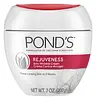
This anti-aging day moisturizer is formulated around Lactic Acid to soften the look of wrinkles and refine skin texture.
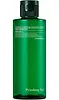
This calming toner is formulated around Scutellaria Baicalensis Root Extract and Ceramide NP to calm redness and strengthen the skin barrier.


What's inside
What's inside
 Key Ingredients
Benefits
Concerns
Ingredients Side-by-side
Water
Skin ConditioningLactic Acid
Buffering










Glycerin
Humectant

Butylene Glycol
Humectant
Cetyl Alcohol
Emollient


Isopropyl Palmitate
Emollient

Steareth-21
CleansingDimethicone
Emollient
Paraffinum Liquidum
Emollient
Ethylhexyl Methoxycinnamate
UV Absorber

Steareth-2
EmulsifyingPotassium Hydroxide
BufferingStearyl Dimethicone
Emollient
Stearic Acid
Cleansing
Borago Officinalis Seed Oil
Emollient

Magnesium Aluminum Silicate
Absorbent
Phenoxyethanol
Preservative
Hydroxyethyl Acrylate/Sodium Acryloyldimethyl Taurate Copolymer
Emulsion StabilisingParfum
Masking

Octadecene
SolventIsohexadecane
EmollientMethylparaben
Preservative
Hydroxyethylcellulose
Emulsion StabilisingDimethiconol
Emollient
Xanthan Gum
EmulsifyingDisodium EDTA
Tocopheryl Acetate
Antioxidant

Propylparaben
Preservative
Benzophenone-3
UV Absorber
Polysorbate 60
Emulsifying
Potassium Carbonate
BufferingSorbitan Isostearate
Emulsifying
Sodium Nitrate
SoothingTocopherol
Antioxidant
Quartz
Abrasive
Ascorbyl Palmitate
Antioxidant
Disodium Phosphate
BufferingBHT
Antioxidant
Phospholipids
Skin Conditioning
Sodium Phosphate
BufferingHydrolyzed Collagen
Emollient
Cholesterol
Emollient
Citronellol
Perfuming
Citrus Aurantium Peel Oil
Coumarin
Perfuming
Geraniol
Perfuming
Hexyl Cinnamal
Perfuming
Limonene
Perfuming
Linalool
Perfuming
Linalyl Acetate
Masking
Terpineol
Masking
Tetramethyl Acetyloctahydronaphthalenes
Masking
CI 77891
Cosmetic ColorantWater, Lactic Acid, Glycerin, Butylene Glycol, Cetyl Alcohol, Isopropyl Palmitate, Steareth-21, Dimethicone, Paraffinum Liquidum, Ethylhexyl Methoxycinnamate, Steareth-2, Potassium Hydroxide, Stearyl Dimethicone, Stearic Acid, Borago Officinalis Seed Oil, Magnesium Aluminum Silicate, Phenoxyethanol, Hydroxyethyl Acrylate/Sodium Acryloyldimethyl Taurate Copolymer, Parfum, Octadecene, Isohexadecane, Methylparaben, Hydroxyethylcellulose, Dimethiconol, Xanthan Gum, Disodium EDTA, Tocopheryl Acetate, Propylparaben, Benzophenone-3, Polysorbate 60, Potassium Carbonate, Sorbitan Isostearate, Sodium Nitrate, Tocopherol, Quartz, Ascorbyl Palmitate, Disodium Phosphate, BHT, Phospholipids, Sodium Phosphate, Hydrolyzed Collagen, Cholesterol, Citronellol, Citrus Aurantium Peel Oil, Coumarin, Geraniol, Hexyl Cinnamal, Limonene, Linalool, Linalyl Acetate, Terpineol, Tetramethyl Acetyloctahydronaphthalenes, CI 77891
Water
Skin ConditioningGlycerin
Humectant
Butylene Glycol
Humectant
Dipropylene Glycol
HumectantPhellodendron Amurense Bark Extract
Skin ConditioningPaeonia Lactiflora Bark/Sap Extract
Skin ConditioningScutellaria Baicalensis Root Extract
Astringent
Betaine
Humectant
Mentha Arvensis Extract
MaskingHydroxyacetophenone
Antioxidant
Acrylates/C10-30 Alkyl Acrylate Crosspolymer
Emulsion StabilisingArginine
Masking
1,2-Hexanediol
Skin Conditioning
C12-14 Alketh-12
EmulsifyingEthylhexylglycerin
Skin ConditioningCitric Acid
Buffering
Gluconolactone
Skin Conditioning

PEG-60 Hydrogenated Castor Oil
Emulsifying
Mentha Piperita Oil
Masking

Citrus Aurantium Dulcis Peel Oil
Masking
Citrus Aurantium Bergamia Fruit Oil
Masking
Pelargonium Graveolens Oil
Masking
Squalane
Emollient
Butyrospermum Parkii Butter
Skin Conditioning
Lonicera Japonica Flower Extract
Skin ConditioningCaprylic/Capric Triglyceride
Masking
Ceramide NP
Skin Conditioning
Adansonia Digitata Seed Oil
Emollient
Hydrogenated Lecithin
Emulsifying
Pentylene Glycol
Skin Conditioning
Melaleuca Alternifolia Leaf Extract
Perfuming
Sodium Hyaluronate
Humectant
Tocopherol
Antioxidant
Caprylyl Glycol
Emollient
Sodium Hyaluronate Crosspolymer
Humectant
Ceramide Ns
Skin Conditioning
Ceramide As
Skin Conditioning
Hydrolyzed Hyaluronic Acid
Humectant
Centella Asiatica Extract
Cleansing
Ceramide EOP
Skin Conditioning
Ceramide AP
Skin Conditioning
Hyaluronic Acid
Humectant
Hydrolyzed Sodium Hyaluronate
Skin Conditioning
Madecassoside
Antioxidant
Madecassic Acid
Skin Conditioning
Asiaticoside
Antioxidant
Asiatic Acid
Skin Conditioning
Limonene
Perfuming
Water, Glycerin, Butylene Glycol, Dipropylene Glycol, Phellodendron Amurense Bark Extract, Paeonia Lactiflora Bark/Sap Extract, Scutellaria Baicalensis Root Extract, Betaine, Mentha Arvensis Extract, Hydroxyacetophenone, Acrylates/C10-30 Alkyl Acrylate Crosspolymer, Arginine, 1,2-Hexanediol, C12-14 Alketh-12, Ethylhexylglycerin, Citric Acid, Gluconolactone, PEG-60 Hydrogenated Castor Oil, Mentha Piperita Oil, Citrus Aurantium Dulcis Peel Oil, Citrus Aurantium Bergamia Fruit Oil, Pelargonium Graveolens Oil, Squalane, Butyrospermum Parkii Butter, Lonicera Japonica Flower Extract, Caprylic/Capric Triglyceride, Ceramide NP, Adansonia Digitata Seed Oil, Hydrogenated Lecithin, Pentylene Glycol, Melaleuca Alternifolia Leaf Extract, Sodium Hyaluronate, Tocopherol, Caprylyl Glycol, Sodium Hyaluronate Crosspolymer, Ceramide Ns, Ceramide As, Hydrolyzed Hyaluronic Acid, Centella Asiatica Extract, Ceramide EOP, Ceramide AP, Hyaluronic Acid, Hydrolyzed Sodium Hyaluronate, Madecassoside, Madecassic Acid, Asiaticoside, Asiatic Acid, Limonene
Reviews
Ingredients Explained
These ingredients are found in both products.
Ingredients higher up in an ingredient list are typically present in a larger amount.
Butylene Glycol (or BG) is used within cosmetic products for a few different reasons:
Overall, Butylene Glycol is a safe and well-rounded ingredient that works well with other ingredients.
Though this ingredient works well with most skin types, some people with sensitive skin may experience a reaction such as allergic rashes, closed comedones, or itchiness.
Learn more about Butylene GlycolGlycerin (or glycerol) is a compound naturally found in your skin. It's a powerhouse humectant that pulls water into the stratum corneum.
Topically, glycerin does several things at once:
Your skin makes glycerin on its own (mostly from sebaceous oil breakdown) and shuttles it to your outermost layer of skin, or your epidermis, via aquaporin-3.
Aquaporin-3 is a transporter that is essential for normal skin hydration, elasticity, and repair. Interestingly, mice lacking in AQP3 have dry and less elastic skin that can be fully corrected with glycerin.
This ingredient is non-irritating, plays well with almost every ingredient, and works across all skin types. Typical use is anywhere between 3-10% but can go up to 79% in some leave-on products.
Just know very high concentrations (>40%) can feel tacky in low humidity.
Glycerin is the name for this ingredient in American English. British English uses Glycerol/Glycerine.
Learn more about GlycerinLimonene is a fragrance that adds scent and taste to a formulation.
It's found in the peel oil of citrus fruits and other plants such as lavender and eucalyptus. The scent of limonene is generally described as "sweet citrus".
Limonene acts as an antioxidant, meaning it helps neutralize free radicals.
When exposed to air, oxidized limonene may sensitize the skin. Because of this, limonene is often avoided by people with sensitive skin.
The term 'fragrance' is not regulated in many countries. In many cases, it is up to the brand to define this term. For instance, many brands choose to label themselves as "fragrance-free" because they are not using synthetic fragrances. However, their products may still contain ingredients such as essential oils that are considered a fragrance.
Learn more about LimoneneTocopherol is a fat-soluble antioxidant known as Vitamin E.
You'll find this ingredient in the vast majority of skincare (for good reason). It works to neutralize free radicals, or unstable molecules generated by UV exposure, pollution, and other environmental stressors, before they can cause oxidative damage to your skin cells.
Topically applied tocopherol has been shown to protect against UV damage by ramping up the skin's own natural defense enzymes.
It also acts as a skin conditioning agent; some studies show that regular topical use can improve the skin's water-binding capacity over 2-4 weeks.
This ingredient is especially loved for being a team player. When combined with Vitamin C, the photoprotective effect of both ingredients roughly doubles and the combo also helps reduce UV-induced DNA damage.
This ingredient has some brightening potential but it's more of a prevention ingredient than spot-fader. Cell studies show it can slow down melanin production but it's worth noting that it's not the most powerful brightener out there.
In formulations, it also serves as a stabilizer that helps protect other oxidation-prone ingredients from degrading.
Concentrations usually range from 0.1-1% in most leave-on products.
Learn more about TocopherolWater. It's the most common cosmetic ingredient of all. You'll usually see it at the top of ingredient lists, meaning that it makes up the largest part of the product.
So why is it so popular? Water most often acts as a solvent - this means that it helps dissolve other ingredients into the formulation.
You'll also recognize water as that liquid we all need to stay alive. If you see this, drink a glass of water. Remember to stay hydrated!
Learn more about Water

