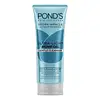
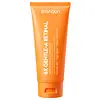
Pond's Hydra Miracle Ultra Light Biome Gel Gentle Cleanser Cera-Hyamino Versus Bioaqua 6X Gentle-A Retinal Anti Aging Cleanser
This mild gel cleanser is made to cleanse without leaving your skin tight or dry.
This mild cream cleanser is made to cleanse while respecting your skin barrier.


What's inside
What's inside
 Key Ingredients
Benefits
Concerns
Ingredients Side-by-side
Water
Skin ConditioningSodium Cocoyl Glycinate
Cleansing
Glycerin
Humectant


Hydroxypropyl Starch Phosphate
Sodium Lauroamphoacetate
CleansingAcrylates Copolymer
Sodium Chloride
MaskingDecyl Glucoside
Cleansing
Niacinamide
Smoothing









Sodium Hyaluronate
Humectant
Sodium Hyaluronate Crosspolymer
Humectant
Hydrolyzed Sodium Hyaluronate
Skin Conditioning
Sodium Acetylated Hyaluronate
Humectant
Ceramide NP
Skin Conditioning
Ceramide AP
Skin Conditioning
Ceramide EOP
Skin Conditioning
Cystine
MaskingGlycine
Buffering
Sodium Ascorbyl Phosphate
Antioxidant

Betaine
Humectant
Sodium PCA
Humectant
Hydrolyzed Collagen
Emollient
Panthenol
Skin Conditioning
Saccharide Isomerate
Humectant
Acetyl Dipeptide-1 Cetyl Ester
Skin Conditioning
Phytosphingosine
Skin Conditioning
Lauramidopropyl Betaine
CleansingPhenoxyethanol
Preservative
Caprylyl Glycol
Emollient
Coconut Acid
Cleansing

Sodium Carbonate
BufferingPolyquaternium-6
Citric Acid
Buffering
PEG-150 Distearate
Emulsifying
Stearic Acid
Cleansing
Tetrasodium EDTA
ChelatingBenzophenone-4
UV Absorber
BHT
Antioxidant
Sodium Hydroxide
BufferingTocopheryl Acetate
Antioxidant
Butylene Glycol
Humectant
Sodium Lauroyl Lactylate
EmulsifyingSodium Benzoate
Masking
Pentylene Glycol
Skin Conditioning
Sorbitan Laurate
Emulsifying
Hydroxyethylcellulose
Emulsion StabilisingSodium Citrate
BufferingXanthan Gum
EmulsifyingCarbomer
Emulsion StabilisingEthylhexylglycerin
Skin ConditioningParfum
Masking



Cholesterol
Emollient
Water, Sodium Cocoyl Glycinate, Glycerin, Hydroxypropyl Starch Phosphate, Sodium Lauroamphoacetate, Acrylates Copolymer, Sodium Chloride, Decyl Glucoside, Niacinamide, Sodium Hyaluronate, Sodium Hyaluronate Crosspolymer, Hydrolyzed Sodium Hyaluronate, Sodium Acetylated Hyaluronate, Ceramide NP, Ceramide AP, Ceramide EOP, Cystine, Glycine, Sodium Ascorbyl Phosphate, Betaine, Sodium PCA, Hydrolyzed Collagen, Panthenol, Saccharide Isomerate, Acetyl Dipeptide-1 Cetyl Ester, Phytosphingosine, Lauramidopropyl Betaine, Phenoxyethanol, Caprylyl Glycol, Coconut Acid, Sodium Carbonate, Polyquaternium-6, Citric Acid, PEG-150 Distearate, Stearic Acid, Tetrasodium EDTA, Benzophenone-4, BHT, Sodium Hydroxide, Tocopheryl Acetate, Butylene Glycol, Sodium Lauroyl Lactylate, Sodium Benzoate, Pentylene Glycol, Sorbitan Laurate, Hydroxyethylcellulose, Sodium Citrate, Xanthan Gum, Carbomer, Ethylhexylglycerin, Parfum, Cholesterol
Water
Skin ConditioningSodium Lauroyl Isethionate
CleansingCocamidopropyl Betaine
Cleansing
Sodium Lauroyl Sarcosinate
CleansingGlycol Distearate
Emollient
Acrylates Copolymer
Cocamide DEA
Emulsifying
Sodium Chloride
MaskingDisodium EDTA
ChelatingHydroxyacetophenone
Antioxidant
Propanediol
Solvent
Centella Asiatica Extract
Cleansing
Polysorbate 80
Emulsifying
Polyglyceryl-10 Myristate
Skin Conditioning
Caprylhydroxamic Acid
ChelatingHexylglycerin
HumectantRetinol
Skin Conditioning
Retinyl Palmitate
Skin Conditioning
Isononyl Isononanoate
EmollientCaprylic/Capric Triglyceride
Masking
Potassium Hydroxide
BufferingGlyceryl Caprylate
EmollientRetinyl Retinoate
Skin Conditioning
Retinyl Linoleate
Skin Conditioning
Retinyl Acetate
Skin Conditioning
Retinyl Propionate
Skin Conditioning
Ceramide Ns
Skin Conditioning
Ceramide NP
Skin Conditioning
Ceramide Ng
Skin Conditioning
Ceramide Eos
Skin Conditioning
Ceramide EOP
Skin Conditioning
Ceramide As
Skin Conditioning
Ceramide AP
Skin Conditioning
Camellia Seed Oil

Hexapeptide-8
Skin Conditioning
Tocopheryl Acetate
Antioxidant
Oligopeptide-1
Skin Conditioning
Carnosine
Skin Conditioning
Sodium Acetylated Hyaluronate
Humectant
Hydrolyzed Hyaluronic Acid
Humectant
Hyaluronic Acid
Humectant
Hydroxypropyltrimonium Hyaluronate
Sodium Hyaluronate
Humectant
Hydrogenated Lecithin
Emulsifying
BHT
Antioxidant
Water, Sodium Lauroyl Isethionate, Cocamidopropyl Betaine, Sodium Lauroyl Sarcosinate, Glycol Distearate, Acrylates Copolymer, Cocamide DEA, Sodium Chloride, Disodium EDTA, Hydroxyacetophenone, Propanediol, Centella Asiatica Extract, Polysorbate 80, Polyglyceryl-10 Myristate, Caprylhydroxamic Acid, Hexylglycerin, Retinol, Retinyl Palmitate, Isononyl Isononanoate, Caprylic/Capric Triglyceride, Potassium Hydroxide, Glyceryl Caprylate, Retinyl Retinoate, Retinyl Linoleate, Retinyl Acetate, Retinyl Propionate, Ceramide Ns, Ceramide NP, Ceramide Ng, Ceramide Eos, Ceramide EOP, Ceramide As, Ceramide AP, Camellia Seed Oil, Hexapeptide-8, Tocopheryl Acetate, Oligopeptide-1, Carnosine, Sodium Acetylated Hyaluronate, Hydrolyzed Hyaluronic Acid, Hyaluronic Acid, Hydroxypropyltrimonium Hyaluronate, Sodium Hyaluronate, Hydrogenated Lecithin, BHT
Ingredients Explained
These ingredients are found in both products.
Ingredients higher up in an ingredient list are typically present in a larger amount.
Acrylates Copolymer is used as a film-forming agent and texture enhancer.
After applied, Acrylates Copolymer forms a thin film cover that helps skin feel more soft. It can help sunscreens become more water-resistant.
It is also used to make a product more thick.
Learn more about Acrylates CopolymerBHT is a synthetic antioxidant and preservative.
As an antioxidant, it helps your body fight off free-radicals. Free-radicals are molecules that may damage your skin cells.
As a preservative, it is used to stabilize products and prevent them from degrading. Specifically, BHT prevents degradation from oxidation.
The concerns related to BHT come from oral studies; this ingredient is currently allowed for use by both the FDA and EU.
However, it was recently restricted for use in the UK as of April 2024.
Learn more about BHTCeramide AP is is a skin-identical lipid that mimics what your skin already makes naturally. Ceramides help maintain epidermal integrity and barrier function.
You'll often see this ingredient paired with other ceramides (like ceramide NP), cholesterol, or fatty acids because this combination best mimics the natural lipid mix your skin already has.
The skin's ability to produce ceramides gets disrupted in skin conditions like eczema. This in turn weakens the skin barrier and applying ceramides topically has been shown to replenish what's been lost to restore barrier function.
Most of the studies with Ceramide AP test it as part of a multi-ceramide complex; studies reinforce ceramide AP's role in rebalancing ceramides in skin and improving skin hydration.
Learn more about Ceramide APCeramide EOP is formally known as Ceramide 1.
It is naturally found in skin and part of the intercellular "mortar" holding everything together in your outermost layer.
EOP stands for a linked Ester fatty acid, a linked Omega hydroxy fatty acid, and the Phytosphingosine base.
What makes Ceramide EOP special is its ultra-long fatty acid chain; this unique structure allows it to bridge the lipid layers in your skin barrier to prevent water loss (something no other ceramide can do).
Low levels of Ceramide EOP have been found in people with eczema and psoriasis.
Using it together with other ceramides, cholesterol, and linoleic acid have been shown to meaningfully improve hydration and reduce water loss.
In one clinical study, a regimen using Ceramide EOP, NP, and AP led to significant symptom improvements in patients with eczema, psoriasis, and dry skin in just 4 weeks.
You'll usually see concentrations between 0.1-0.5% in formulations. Overall, this is a well-tolerated and safe ingredient for cosmetic use.
Learn more about Ceramide EOPCeramide NP (formerly known as Ceramide 3) is one of the skin's naturally occurring lipids.
Since ceramides are the major lipid components of the skin, they are crucial for maintaining skin barrier and hydration. Ceramide NP most closely mirrors the dominant kind in human skin amongst ceramide subtypes.
This ceramide works by slotting into gaps within the stratum corneum's lipid matrix to limit trans-epidermal water loss (TEWL) and shield the skin against external irritants.
A study with 312 patients found that using a ceramide-containing routine for 4 weeks reduced the severity of atopic dermatitis by over 61%.
Another clinical study in subjects aged 60 and older found that a ceramide body wash and moisturizer improved skin dryness and itchy skin in 15 days.
Overall, ceramides are considered non-irritating and safety tests have found little to no observable adverse effects from using this ingredient.
Ceramide NP is usually sourced from plants (like soybean or rice bran), or produced synthetically.
Learn more about Ceramide NPSodium Acetylated Hyaluronate is a type of Hyaluronic Acid.
Hyaluronic Acids help moisturize, soothe, and protect the skin.
Read about common types of Hyaluronic Acid here:
Learn more about Sodium Acetylated HyaluronateChances are, you eat sodium chloride every day. Sodium Chloride is also known as table salt. This ingredient has many purposes in skincare: thickener, emulsifier, and exfoliator.
You'll most likely find this ingredient in cleansers where it is used to create a gel-like texture. As an emulsifier, it also prevents ingredients from separating.
You might see people debate whether Sodium Chloride is comedogenic, but there actually haven't been any comedogenic tests done on it. Either way, the overall formulation of a product matters a lot more than any single ingredient.
You might see this ingredient used in scrubs as a primary exfoliating ingredient.
Learn more about Sodium ChlorideSodium Hyaluronate is the salt form of hyaluronic acid. It is a long sugar chain that is naturally found in your skin, joints, and connective tissue that maintains hydration and elasticity.
In skincare, it works as a humectant. It pulls water from the environment and deeper layers of skin and binds it to the surface.
Interestingly, the size of the molecule affects its behavior:
Some clinical evidence links low molecular weight versions to improved wrinkle depth, elasticity, anti-inflammatory effects, and barrier repair.
Many serums use a blend of both weights so you can get surface hydration plus longer-lasting and deeper effects.
You'll typically see concentrations between 0.1-2% for this ingredient.
Learn more about Sodium HyaluronateTocopheryl Acetate is a stable, shelf-friendly form of vitamin E.
Formulators love it because plain vitamin E oxidizes quickly once it hits air. This acetate version stays stable and resists going off, helping to extend a product's shelf life.
It's actually inactive on its own and works like a slow-release "storage" form; the enzymes in your skin called esterases gradually convert it into active vitamin E over time.
One in vivo study showed 5% of the acetate in the living layer of the epidermis converted to vitamin E after 5 days of application. This study also found the skin gained protection against UV damage even though the conversion was slow and small.
Once converted, vitamin E acts as a skin's main fat-soluble antioxidant that fights free radicals to protect skin from damage.
Topical vitamin E generally boosts the skin's photoprotection, and it reduced UV-damage in animal models.
This ingredient has some brightening potential but it's more of a prevention ingredient than spot-fader. Cell studies show it can slow down melanin production but it's worth noting that it's not the most powerful brightener out there.
Overall, it has a pretty solid safety profile and has been found to be non-irritating and non-comedogenic. Allergic reactions may happen but stay rare due to how widely the ingredient gets used.
The concentration will vary depending on the formula; industry data shows 0.1% in baby lotions, 3% in lipsticks, and 5% in foot powders. You can also find this ingredient at 100% in a pure vitamin E oil.
Most leave-on skincare keeps it at the lower end, often between 0.5-1%.
Learn more about Tocopheryl AcetateWater. It's the most common cosmetic ingredient of all. You'll usually see it at the top of ingredient lists, meaning that it makes up the largest part of the product.
So why is it so popular? Water most often acts as a solvent - this means that it helps dissolve other ingredients into the formulation.
You'll also recognize water as that liquid we all need to stay alive. If you see this, drink a glass of water. Remember to stay hydrated!
Learn more about Water

