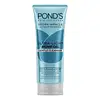
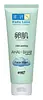
Pond's Hydra Miracle Ultra Light Biome Gel Gentle Cleanser Cera-Hyamino Versus Hada Labo Tamagohada Mild Peeling AHA+BHA Face Wash
This mild gel cleanser is made to cleanse without leaving your skin tight or dry.
This salicylic acid cream cleanser is formulated around Salicylic Acid to clear breakouts and unclog pores.


What's inside
What's inside
 Key Ingredients
Benefits
Concerns
Ingredients Side-by-side
Water
Skin ConditioningSodium Cocoyl Glycinate
Cleansing
Glycerin
Humectant


Hydroxypropyl Starch Phosphate
Sodium Lauroamphoacetate
CleansingAcrylates Copolymer
Sodium Chloride
MaskingDecyl Glucoside
Cleansing
Niacinamide
Smoothing









Sodium Hyaluronate
Humectant
Sodium Hyaluronate Crosspolymer
Humectant
Hydrolyzed Sodium Hyaluronate
Skin Conditioning
Sodium Acetylated Hyaluronate
Humectant
Ceramide NP
Skin Conditioning
Ceramide AP
Skin Conditioning
Ceramide EOP
Skin Conditioning
Cystine
MaskingGlycine
Buffering
Sodium Ascorbyl Phosphate
Antioxidant

Betaine
Humectant
Sodium PCA
Humectant
Hydrolyzed Collagen
Emollient
Panthenol
Skin Conditioning
Saccharide Isomerate
Humectant
Acetyl Dipeptide-1 Cetyl Ester
Skin Conditioning
Phytosphingosine
Skin Conditioning
Lauramidopropyl Betaine
CleansingPhenoxyethanol
Preservative
Caprylyl Glycol
Emollient
Coconut Acid
Cleansing

Sodium Carbonate
BufferingPolyquaternium-6
Citric Acid
Buffering
PEG-150 Distearate
Emulsifying
Stearic Acid
Cleansing
Tetrasodium EDTA
Benzophenone-4
UV Absorber
BHT
Antioxidant
Sodium Hydroxide
BufferingTocopheryl Acetate
Antioxidant
Butylene Glycol
Humectant
Sodium Lauroyl Lactylate
EmulsifyingSodium Benzoate
Masking
Pentylene Glycol
Skin Conditioning
Sorbitan Laurate
Emulsifying
Hydroxyethylcellulose
Emulsion StabilisingSodium Citrate
BufferingXanthan Gum
EmulsifyingCarbomer
Emulsion StabilisingEthylhexylglycerin
Skin ConditioningParfum
Masking



Cholesterol
Emollient
Water, Sodium Cocoyl Glycinate, Glycerin, Hydroxypropyl Starch Phosphate, Sodium Lauroamphoacetate, Acrylates Copolymer, Sodium Chloride, Decyl Glucoside, Niacinamide, Sodium Hyaluronate, Sodium Hyaluronate Crosspolymer, Hydrolyzed Sodium Hyaluronate, Sodium Acetylated Hyaluronate, Ceramide NP, Ceramide AP, Ceramide EOP, Cystine, Glycine, Sodium Ascorbyl Phosphate, Betaine, Sodium PCA, Hydrolyzed Collagen, Panthenol, Saccharide Isomerate, Acetyl Dipeptide-1 Cetyl Ester, Phytosphingosine, Lauramidopropyl Betaine, Phenoxyethanol, Caprylyl Glycol, Coconut Acid, Sodium Carbonate, Polyquaternium-6, Citric Acid, PEG-150 Distearate, Stearic Acid, Tetrasodium EDTA, Benzophenone-4, BHT, Sodium Hydroxide, Tocopheryl Acetate, Butylene Glycol, Sodium Lauroyl Lactylate, Sodium Benzoate, Pentylene Glycol, Sorbitan Laurate, Hydroxyethylcellulose, Sodium Citrate, Xanthan Gum, Carbomer, Ethylhexylglycerin, Parfum, Cholesterol






Ingredients Explained
These ingredients are found in both products.
Ingredients higher up in an ingredient list are typically present in a larger amount.
Butylene Glycol (or BG) is used within cosmetic products for a few different reasons:
Overall, Butylene Glycol is a safe and well-rounded ingredient that works well with other ingredients.
Though this ingredient works well with most skin types, some people with sensitive skin may experience a reaction such as allergic rashes, closed comedones, or itchiness.
Learn more about Butylene GlycolWe don't have a description for Lauramidopropyl Betaine yet.
Stearic Acid is a fatty acid that is already found in your skin. It's one of the free fatty acids that works alongside ceramides and cholesterols to maintain your barrier.
In cosmetics, it is a multitasker:
Safety-wise, the CIR Expert Panel has concluded it to be safe in cosmetics when formulated to be non-irritating and non-sensitizing.
Free stearic acid is a C18 fatty acid that the Malassezia yeast can substrate, so this ingredient may not be fungal acne safe.
Learn more about Stearic AcidWater. It's the most common cosmetic ingredient of all. You'll usually see it at the top of ingredient lists, meaning that it makes up the largest part of the product.
So why is it so popular? Water most often acts as a solvent - this means that it helps dissolve other ingredients into the formulation.
You'll also recognize water as that liquid we all need to stay alive. If you see this, drink a glass of water. Remember to stay hydrated!
Learn more about Water

