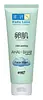
This salicylic acid cream cleanser is formulated around Salicylic Acid to clear breakouts and unclog pores.
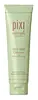
This glycolic acid cream cleanser is formulated around Glycolic Acid to exfoliate and smooth skin.


What's inside
What's inside
 Key Ingredients
Benefits
Concerns
Ingredients Side-by-side




Aloe Barbadensis Leaf Juice
Skin Conditioning


Carthamus Tinctorius Seed Oil
Masking


Cetyl Alcohol
Emollient

Glyceryl Stearate
Emollient
Diatomaceous Earth
Abrasive

Glycerin
Humectant

Glycolic Acid
Buffering







Sodium Glycolate
BufferingSodium Trideceth Sulfate
Cleansing
Squalane
Emollient
Anthemis Nobilis Flower Extract
Masking
Saponaria Officinalis Leaf/Root Extract
Skin ConditioningHexylene Glycol
EmulsifyingFructose
Humectant
Glucose
Humectant
Sucrose
Humectant
Urea
Buffering
Dextrin
AbsorbentAlanine
Masking
Glutamic Acid
Humectant
Aspartic Acid
Masking
Hexyl Nicotinate
EmollientPersea Gratissima Oil
Skin Conditioning

Triticum Vulgare Germ Oil
Emollient
Corylus Avellana Seed Oil
Emollient
Sesamum Indicum Seed Oil
Emollient
Phenoxyethanol
Preservative
Caprylyl Glycol
Emollient
Ethylhexylglycerin
Skin ConditioningXanthan Gum
EmulsifyingParfum
Masking
Chlorphenesin
Antimicrobial
Cyamopsis Tetragonoloba Gum
Emulsion StabilisingSodium Hyaluronate
Humectant
Citric Acid
Buffering
Aloe Barbadensis Leaf Juice, Carthamus Tinctorius Seed Oil, Cetyl Alcohol, Glyceryl Stearate, Diatomaceous Earth, Glycerin, Glycolic Acid, Sodium Glycolate, Sodium Trideceth Sulfate, Squalane, Anthemis Nobilis Flower Extract, Saponaria Officinalis Leaf/Root Extract, Hexylene Glycol, Fructose, Glucose, Sucrose, Urea, Dextrin, Alanine, Glutamic Acid, Aspartic Acid, Hexyl Nicotinate, Persea Gratissima Oil, Triticum Vulgare Germ Oil, Corylus Avellana Seed Oil, Sesamum Indicum Seed Oil, Phenoxyethanol, Caprylyl Glycol, Ethylhexylglycerin, Xanthan Gum, Parfum, Chlorphenesin, Cyamopsis Tetragonoloba Gum, Sodium Hyaluronate, Citric Acid
Reviews
Ingredients Explained
These ingredients are found in both products.
Ingredients higher up in an ingredient list are typically present in a larger amount.
Glycolic Acid is arguably the most famous alpha hydroxy acid (AHA) with tons of research backing its benefits.
It is found naturally in sugar cane but the form used in skincare is usually synthetic for purity and stability.
Glycolic acid removes the top layer of dead skin cells to allow newer and fresher ones to emerge.
AHAs work by breaking down the structural “glue” that holds old skin cells in place. When that buildup is gone, your skin can renew itself more efficiently.
Research also shows glycolic acid stimulates collagen production, helping to firm and thicken the skin over time. This is one of its biggest advantages over other AHAs.
Overall, glycolic acid helps with:
Fun fact: Glycolic acid boosts skin hydration by helping it produce molecules that increase hyaluronic acid naturally.
To work best, glycolic acid products should have a pH between 3-4 (that’s where exfoliation is most effective but still gentle on skin).
The pH and concentration of a product are key to its effectiveness:
It is normal to feel a slight stinging sensation when using glycolic acid. This usually fades as your skin adjusts.
Because glycolic acid has the smallest molecular size in the AHA family, it can penetrate deeper, which enhances its effectiveness but also makes it more likely to irritate sensitive skin.
If your skin is very sensitive or prone to rosacea, glycolic acid may be too strong; in that case, try milder options like lactic acid or a PHA instead.
Recent studies suggest glycolic acid might even help protect against UV damage. But don’t skip sunscreen! Freshly exfoliated skin is more sensitive to the sun.
Glycolic acid is a skincare superstar. It smooths, brightens, hydrates, and firms the skin. Unless you’re highly sensitive, it’s well worth adding to your routine.
Read more about some other popular AHA's here:
Learn more about Glycolic Acid

