Perricone MD High Potency Triple Retinol Renewal Eye Serum Versus Lancôme Absolue Revitalizing Eye Serum
This anti-aging eye moisturizer is formulated around Niacinamide and Retinyl Linoleate to soften the look of wrinkles and refine skin texture.
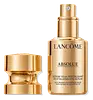
This anti-aging eye moisturizer is formulated around Bifida Ferment Lysate and Adenosine to soften the look of wrinkles and strengthen the skin barrier.


What's inside
What's inside
 Key Ingredients
Benefits
Concerns
Ingredients Side-by-side
Water
Skin ConditioningPropanediol
Solvent

Dicaprylyl Ether
Emollient
Glycerin
Humectant
Squalane
Emollient
Butylene Glycol
Humectant
Niacinamide
Smoothing








Pvm/Ma Decadiene Crosspolymer
Phenoxyethanol
Preservative
Polysorbate 20
Emulsifying

Hydroxyacetophenone
Antioxidant
Pentylene Glycol
Skin Conditioning
Caprylyl Glycol
Emollient
Cucumis Sativus Fruit Extract
Emollient
Phosphatidylcholine
EmulsifyingSodium Hydroxide
BufferingCaffeine
Skin Conditioning
Tetrasodium Glutamate Diacetate
ChelatingCeramide NP
Skin Conditioning
Allantoin
Skin Conditioning
Bisabolol
Antioxidant
Glycine Soja Oil
Emollient



Caprylic/Capric Triglyceride
Masking
Tocopherol
Antioxidant
Diglucosyl Gallic Acid
Hydroxyphenyl Propamidobenzoic Acid
Skin ConditioningChlorella Vulgaris Extract
Skin ConditioningSodium Hyaluronate Crosspolymer
Humectant
Retinyl Linoleate
Skin Conditioning
Retinol
Skin Conditioning
Lecithin
Emollient
Sodium Hyaluronate
Humectant
Tocopheryl Acetate
Antioxidant
Hydrogenated Phosphatidylcholine
Emulsifying
Lysolecithin
EmulsifyingGlycyrrhiza Glabra Root Extract
Bleaching
Thioctic Acid
Antioxidant
Cetyl Palmitate
Emollient
Laureth-23
Cleansing
Sodium Acetylated Hyaluronate
Humectant
Hyaluronic Acid
Humectant
Hydrolyzed Glycosaminoglycans
HumectantHydrolyzed Sodium Hyaluronate
Skin Conditioning
Ubiquinone
Antioxidant
1,2-Hexanediol
Skin Conditioning
Trideceth-6 Phosphate
EmulsifyingAscorbyl Palmitate
Antioxidant
Lactic Acid
Buffering
Citric Acid
Buffering
Hydrolyzed Hyaluronic Acid
Humectant
Sodium Benzoate
Masking
Tetrapeptide-1
Skin Conditioning
Caprylhydroxamic Acid
ChelatingPotassium Sorbate
Preservative
Beta-Carotene
Skin ConditioningDaucus Carota Sativa Root Extract
Skin Conditioning
Phytic Acid
Chelating
Beta-Sitosterol
Emulsion Stabilising
Squalene
Emollient
Arginine/Lysine Polypeptide
Skin Conditioning
Water, Propanediol, Dicaprylyl Ether, Glycerin, Squalane, Butylene Glycol, Niacinamide, Pvm/Ma Decadiene Crosspolymer, Phenoxyethanol, Polysorbate 20, Hydroxyacetophenone, Pentylene Glycol, Caprylyl Glycol, Cucumis Sativus Fruit Extract, Phosphatidylcholine, Sodium Hydroxide, Caffeine, Tetrasodium Glutamate Diacetate, Ceramide NP, Allantoin, Bisabolol, Glycine Soja Oil, Caprylic/Capric Triglyceride, Tocopherol, Diglucosyl Gallic Acid, Hydroxyphenyl Propamidobenzoic Acid, Chlorella Vulgaris Extract, Sodium Hyaluronate Crosspolymer, Retinyl Linoleate, Retinol, Lecithin, Sodium Hyaluronate, Tocopheryl Acetate, Hydrogenated Phosphatidylcholine, Lysolecithin, Glycyrrhiza Glabra Root Extract, Thioctic Acid, Cetyl Palmitate, Laureth-23, Sodium Acetylated Hyaluronate, Hyaluronic Acid, Hydrolyzed Glycosaminoglycans, Hydrolyzed Sodium Hyaluronate, Ubiquinone, 1,2-Hexanediol, Trideceth-6 Phosphate, Ascorbyl Palmitate, Lactic Acid, Citric Acid, Hydrolyzed Hyaluronic Acid, Sodium Benzoate, Tetrapeptide-1, Caprylhydroxamic Acid, Potassium Sorbate, Beta-Carotene, Daucus Carota Sativa Root Extract, Phytic Acid, Beta-Sitosterol, Squalene, Arginine/Lysine Polypeptide
Water
Skin ConditioningPropanediol
Solvent
Bifida Ferment Lysate
Skin Conditioning
Glycerin
Humectant
Alcohol Denat.
Antimicrobial

Bis-PEG-18 Methyl Ether Dimethyl Silane
EmollientDimethicone
Emollient
PEG-20
HumectantAcacia Senegal Gum
MaskingPEG/PPG/Polybutylene Glycol-8/5/3 Glycerin
HumectantLimnanthes Alba Seed Oil
Skin Conditioning
Vinyl Dimethicone/Methicone Silsesquioxane Crosspolymer
Hydroxyethylpiperazine Ethane Sulfonic Acid
BufferingCI 77891
Cosmetic ColorantMica
Cosmetic ColorantHydroxypropyl Tetrahydropyrantriol
Skin ConditioningHydrogenated Lecithin
Emulsifying
Sodium Hyaluronate
Humectant
Sodium Benzoate
Masking
Sodium Hydroxide
BufferingHydrolyzed Linseed Extract
Skin ConditioningPhenoxyethanol
Preservative
Adenosine
Skin Conditioning
Caffeine
Skin Conditioning
PPG-3 Myristyl Ether
EmollientSilica
Abrasive
Chlorella Vulgaris Extract
Skin ConditioningDimethicone/Vinyl Dimethicone Crosspolymer
Skin Conditioning
Ammonium Polyacryloyldimethyl Taurate
Emulsion StabilisingXanthan Gum
EmulsifyingPanthenol
Skin Conditioning
Pentylene Glycol
Skin Conditioning
Propylene Glycol
Humectant
Caprylyl Glycol
Emollient
Carbomer
Emulsion StabilisingGeraniol
Perfuming

Jasminum Officinale Flower Extract
Masking
Rosa Damascena Flower Oil
Masking
Rosa Centifolia Flower Extract
Astringent
BHT
Antioxidant
Citronellol
Perfuming
Water, Propanediol, Bifida Ferment Lysate, Glycerin, Alcohol Denat., Bis-PEG-18 Methyl Ether Dimethyl Silane, Dimethicone, PEG-20, Acacia Senegal Gum, PEG/PPG/Polybutylene Glycol-8/5/3 Glycerin, Limnanthes Alba Seed Oil, Vinyl Dimethicone/Methicone Silsesquioxane Crosspolymer, Hydroxyethylpiperazine Ethane Sulfonic Acid, CI 77891, Mica, Hydroxypropyl Tetrahydropyrantriol, Hydrogenated Lecithin, Sodium Hyaluronate, Sodium Benzoate, Sodium Hydroxide, Hydrolyzed Linseed Extract, Phenoxyethanol, Adenosine, Caffeine, PPG-3 Myristyl Ether, Silica, Chlorella Vulgaris Extract, Dimethicone/Vinyl Dimethicone Crosspolymer, Ammonium Polyacryloyldimethyl Taurate, Xanthan Gum, Panthenol, Pentylene Glycol, Propylene Glycol, Caprylyl Glycol, Carbomer, Geraniol, Jasminum Officinale Flower Extract, Rosa Damascena Flower Oil, Rosa Centifolia Flower Extract, BHT, Citronellol
Ingredients Explained
These ingredients are found in both products.
Ingredients higher up in an ingredient list are typically present in a larger amount.
Caffeine is a naturally occurring plant compound found in coffee beans, tea leaves, cocoa pods, and guarana.
As an antioxidant, caffeine protects your skin from free radical damage caused by UV exposure and envionrmnetal stressors.
Early research also shows that caffeine can help calm redness, soothe irritated skin, and support hair growth by stimulating microcirculation in the scalp.
You might have seen eye creams marketing caffeine as a depuffing ingredient. This is because it is a vasoconstrictor meaning it can temporarily constrict blood vessels, though clinical evidence for this specific use is still limited.
Most skincare products contain this ingredient at concentrations between 1-6%. It is able to penetrate skin easily regardless of skin type or thickness.
Just so you know, a very small number of case reports describe caffeine-induced allergy. This ingredient is generally well-tolerated, non-irritating, and non-sensitizing for the majority of people.
Learn more about CaffeineCaprylyl Glycol is a humectant, skin conditioner, emollient, and preservative booster derived from either caprylic acid or synthetically created.
Typical use levels vary from 0.3-1% as a preservative booster and go up to 2% to condition skin.
Because it is not a free-fatty acid, this ingredient is fungal acne safe (there's nothing for Malassezia to feed on).
Learn more about Caprylyl GlycolChlorella Vulgaris Extract comes from a single-celled green freshwater algae.
The version used in skincare is almost always a water or glycerin-based extract that is basically the algae's amino acids, peptides, sugars, and chlorophyll pigments.
It acts as a skin-conditioning agent and the research behind it at this time is mostly lab-dish rather than human trials.
Isolated Chlorella peptides inhibit collagenase and elastase (the enzymes that chew up collagen and elastin) and mop up free radicals in test-tube assays. Another study found a Chlorella gel sped up wound healing in mice. Many of the firming or dark-circle claims come from the ingredient supplier's own studies.
Suppliers suggest using 1-2% of the trade version (Water/Glycerin + Chlorella Vulgaris Extract) in a finished formula which means the actual algae solids are a fraction of a percent.
Allergy risk is low and topical reactions are rare; the 2020 anaphylaxis case came from eating Chlorella supplements and not from putting it on skin.
However, patch testing is sensible if you have reacted to algae before.
The "chlorella is high in iodine so it breaks you out" line borrows from marine seaweed. Freshwater Chlorella isn't a notable iodine source unless it's deliberately grown in iodine-enriched medium.
Just so you know, many lists give algae a comedogenic rating of 5 and that number doesn't come from anywhere; it's not in the original rabbit-ear studies that most comedogenic ratings trace back to.
The reasoning behind the reputation is that seaweed is high in iodine and iodine can trigger acne-like breakouts when eaten. This traces back to a 1976 letter in Archives of Dermatology describing two women whose breakouts cleared after they stopped taking high-dose kelp supplements orally.
And the reaction of these two women wasn't clogged pores at all: it was an iodine-triggered pustular rash. Later research found normal dietary iodine doesn't meaningfully affect acne either and nobody has shown topical algae delivers enough iodine to matter.
Learn more about Chlorella Vulgaris ExtractGlycerin (or glycerol) is a compound naturally found in your skin. It's a powerhouse humectant that pulls water into the stratum corneum.
Topically, glycerin does several things at once:
Your skin makes glycerin on its own (mostly from sebaceous oil breakdown) and shuttles it to your outermost layer of skin, or your epidermis, via aquaporin-3.
Aquaporin-3 is a transporter that is essential for normal skin hydration, elasticity, and repair. Interestingly, mice lacking in AQP3 have dry and less elastic skin that can be fully corrected with glycerin.
This ingredient is non-irritating, plays well with almost every ingredient, and works across all skin types. Typical use is anywhere between 3-10% but can go up to 79% in some leave-on products.
Just know very high concentrations (>40%) can feel tacky in low humidity.
Glycerin is the name for this ingredient in American English. British English uses Glycerol/Glycerine.
Learn more about GlycerinPentylene Glycol (1,2-pentanediol) is a multitasking little diol with three main roles in a formula:
Research on alkanediols (the family pentylene glycol belongs to) show they work by disrupting microbial cell membranes. This disruption helps the primary preservative system in a product work more effectively at lower doses.
On the safety side, the Cosmetic Ingredient Review Expert Panel has concluded this ingredient to be safe as used in current cosmetic practices + concentrations.
Typical use levels in a formula run about 1-5%.
Learn more about Pentylene GlycolPhenoxyethanol is one of the most widely used preservatives in skincare (and for good reason!).
It has a large spectrum of antimicrobial activity and especially effective bacteria, yeast, and mold while only having a weak effect on your skin's natural microbiome.
On a cellular level, it disrupts the cell membranes of microbes by poking holes that make the cell leak. This shuts down the chemical reactions the microbe needs to make energy so it can no longer survive.
Another perk of this ingredient is that it stays functional across a wide pH range (3-10).
You'll often see it paired with boosters like Ethylhexylglycerin; one study showed that a 1:9 ratio of Ethylhexylglycerin to Phenoxyethanol damages bacterial membranes as effectively as doubling the Phenoxyethanol concentration on its own.
Typical use concentrations range from 0.3-1% depending on the formula, and this ingredient is capped at 1% int the EU.
Safety-wise, the fear mongering does not hold up to the evidence. The EU's Scientific Committee on Consumer Safety and FDA consider it safe as a preservative at up to 1%, including for children of all ages.
Adverse systemic effects only showed up in animal studies at exposures roughly 200x higher than what people get from cosmetics. And despite its very widespread use, this ingredient is a rare sensitizer and allergic reactions are uncommon.
Learn more about PhenoxyethanolPropanediol is an all-star ingredient. It softens, hydrates, and smooths the skin.
It’s often used to:
Propanediol is not likely to cause sensitivity and considered safe to use. It is derived from corn or petroleum with a clear color and no scent.
Learn more about PropanediolSodium Benzoate is a preservative. It's used in both cosmetic and food products to inhibit the growth of mold and bacteria. It is typically produced synthetically.
Both the US FDA and EU Health Committee have approved the use of sodium benzoate. In the US, levels of 0.1% (of the total product) are allowed.
Sodium benzoate works as a preservative by inhibiting the growth of bacteria inside of cells. It prevents the cell from fermenting a type of sugar using an enzyme called phosphofructokinase.
It is the salt of benzoic acid. Foods containing sodium benzoate include soda, salad dressings, condiments, fruit juices, wines, and snack foods.
Studies for using ascorbic acid and sodium benzoate in cosmetics are lacking, especially in skincare routines with multiple steps.
We always recommend speaking with a professional, such as a dermatologist, if you have any concerns.
Learn more about Sodium BenzoateSodium Hyaluronate is the salt form of hyaluronic acid. It is a long sugar chain that is naturally found in your skin, joints, and connective tissue that maintains hydration and elasticity.
In skincare, it works as a humectant. It pulls water from the environment and deeper layers of skin and binds it to the surface.
Interestingly, the size of the molecule affects its behavior:
Some clinical evidence links low molecular weight versions to improved wrinkle depth, elasticity, anti-inflammatory effects, and barrier repair.
Many serums use a blend of both weights so you can get surface hydration plus longer-lasting and deeper effects.
You'll typically see concentrations between 0.1-2% for this ingredient.
Learn more about Sodium HyaluronateSodium Hydroxide is also known as lye or caustic soda. It is used to adjust the pH of products; many ingredients require a specific pH to be effective.
In small amounts, sodium hydroxide is considered safe to use. However, large amounts may cause chemical burns due to its high alkaline.
Your skin has a natural pH and acid mantle. This acid mantle helps prevent harmful bacteria from breaking through. The acid mantle also helps keep your skin hydrated.
"Alkaline" refers to a high pH level. A low pH level would be considered acidic.
Learn more about Sodium HydroxideWater. It's the most common cosmetic ingredient of all. You'll usually see it at the top of ingredient lists, meaning that it makes up the largest part of the product.
So why is it so popular? Water most often acts as a solvent - this means that it helps dissolve other ingredients into the formulation.
You'll also recognize water as that liquid we all need to stay alive. If you see this, drink a glass of water. Remember to stay hydrated!
Learn more about Water

