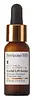
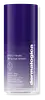
Perricone MD Essential Fx Acyl-Glutathione Eyelid Lift Serum Versus Dermalogica Phyto Nature Lifting Eye Cream
This anti-aging eye moisturizer is formulated around Tetrahexyldecyl Ascorbate and Palmitoyl Tripeptide-38 to soften the look of wrinkles and refine skin texture.

What's inside
What's inside
 Key Ingredients
Benefits
Concerns
Ingredients Side-by-side
Water
Skin ConditioningPropanediol
Solvent

Pantethine
EmollientGlycerin
Humectant
Tetrahexyldecyl Ascorbate
Antioxidant





S-Palmitoylglutathione
Antioxidant
Dimethyl Mea
BufferingPalmitoyl Tripeptide-38
Skin Conditioning

Acetyl Tyrosine
Skin ConditioningAvena Sativa Kernel Extract
Abrasive

Xanthan Gum
EmulsifyingMacadamia Ternifolia Seed Oil
Emollient


Linum Usitatissimum Seed Oil
Perfuming



Salvia Hispanica Seed Oil
Emollient
Silica Cetyl Silylate
Ethylhexylglycerin
Skin ConditioningSodium Hyaluronate
Humectant
Helianthus Annuus Seed Oil
Emollient
Rosmarinus Officinalis Leaf Extract
AntimicrobialTetrasodium Glutamate Diacetate
Acrylates/C10-30 Alkyl Acrylate Crosspolymer
Emulsion StabilisingCaprylyl Glycol
Emollient
Hydroxypropyl Cyclodextrin
MaskingPhenoxyethanol
Preservative
Silica
Abrasive
CI 77891
Cosmetic ColorantCI 77491
Cosmetic ColorantWater, Propanediol, Pantethine, Glycerin, Tetrahexyldecyl Ascorbate, S-Palmitoylglutathione, Dimethyl Mea, Palmitoyl Tripeptide-38, Acetyl Tyrosine, Avena Sativa Kernel Extract, Xanthan Gum, Macadamia Ternifolia Seed Oil, Linum Usitatissimum Seed Oil, Salvia Hispanica Seed Oil, Silica Cetyl Silylate, Ethylhexylglycerin, Sodium Hyaluronate, Helianthus Annuus Seed Oil, Rosmarinus Officinalis Leaf Extract, Tetrasodium Glutamate Diacetate, Acrylates/C10-30 Alkyl Acrylate Crosspolymer, Caprylyl Glycol, Hydroxypropyl Cyclodextrin, Phenoxyethanol, Silica, CI 77891, CI 77491
Water
Skin ConditioningPanthenol
Skin Conditioning
Squalane
Emollient
Glycerin
Humectant
Pentylene Glycol
Skin Conditioning
Hydrogenated Ethylhexyl Olivate
EmollientPropanediol
Solvent
Triethylhexanoin
MaskingPrunus Amygdalus Dulcis Oil
Skin Conditioning
Hydrogenated Vegetable Oil
Emollient
Glyceryl Stearate Se
Emulsifying
Cetearyl Alcohol
Emollient
Bis-Ethoxydiglycol Cyclohexane 1,4-Dicarboxylate
EmollientPEG-100 Stearate
Surfactant
Glyceryl Stearate
Emollient
Tocopheryl Acetate
Antioxidant
Hydroxyacetophenone
Antioxidant
Dipotassium Glycyrrhizate
Humectant
Sodium Hyaluronate
Humectant
Ubiquinone
Antioxidant
Rosmarinus Officinalis Leaf Extract
AntimicrobialHelianthus Annuus Seed Oil
Emollient
Citrus Limon Peel Oil
Masking



Citrus Aurantium Bergamia Fruit Oil
Masking
Salvia Sclarea Oil
Masking
Citrus Aurantium Dulcis Peel Oil
Masking
Avena Sativa Kernel Extract
Abrasive
Viola Odorata Leaf Extract
MaskingCamellia Sinensis Seed Oil
Humectant
Carthamus Tinctorius Seed Oil
Masking
Oryza Sativa Bran Extract
Skin Conditioning
Tapioca Starch
Chenopodium Quinoa Seed Extract
Skin Conditioning
Helianthus Annuus Extract
Emollient
Camellia Sinensis Leaf Powder
Sphingomonas Ferment Extract
Skin Conditioning
Spilanthes Acmella Flower/Leaf/Stem Extract
AntimicrobialAstragalus Membranaceus Root Extract
Emollient
Hordeum Vulgare Seed Extract
Skin ConditioningCandida Bombicola/Glucose/Methyl Rapeseedate Ferment
AntimicrobialRosmarinus Officinalis Leaf Oil
Masking
Lavandula Spica Flower/Leaf/Stem Extract
Skin ConditioningLitsea Cubeba Fruit Oil
Masking
Zingiber Officinale Root Extract
Masking
Hydrogenated Olive Oil Unsaponifiables
Emollient
Mentha Piperita Oil
Masking
Tocopherol
Antioxidant
Carnosine
Skin Conditioning
Allantoin
Skin Conditioning
Caprylyl Glycol
Emollient
Acetyl Tetrapeptide-9
Skin Conditioning
Beta-Glucan
Skin Conditioning
Caffeine
Skin Conditioning
Mannitol
Humectant
Bisabolol
Antioxidant
Trehalose
Humectant
Lactobacillus Ferment
Skin Conditioning
1,2-Hexanediol
Skin Conditioning
Steareth-21
CleansingTetrasodium Glutamate Diacetate
Sodium Hydroxide
BufferingAminomethyl Propanol
BufferingCarbomer
Emulsion StabilisingMicrocrystalline Cellulose
AbsorbentCellulose Gum
Emulsion StabilisingSodium Benzoate
Masking
Potassium Sorbate
Preservative
Limonene
Perfuming
Linalool
Perfuming
Citral
Perfuming
Water, Panthenol, Squalane, Glycerin, Pentylene Glycol, Hydrogenated Ethylhexyl Olivate, Propanediol, Triethylhexanoin, Prunus Amygdalus Dulcis Oil, Hydrogenated Vegetable Oil, Glyceryl Stearate Se, Cetearyl Alcohol, Bis-Ethoxydiglycol Cyclohexane 1,4-Dicarboxylate, PEG-100 Stearate, Glyceryl Stearate, Tocopheryl Acetate, Hydroxyacetophenone, Dipotassium Glycyrrhizate, Sodium Hyaluronate, Ubiquinone, Rosmarinus Officinalis Leaf Extract, Helianthus Annuus Seed Oil, Citrus Limon Peel Oil, Citrus Aurantium Bergamia Fruit Oil, Salvia Sclarea Oil, Citrus Aurantium Dulcis Peel Oil, Avena Sativa Kernel Extract, Viola Odorata Leaf Extract, Camellia Sinensis Seed Oil, Carthamus Tinctorius Seed Oil, Oryza Sativa Bran Extract, Tapioca Starch, Chenopodium Quinoa Seed Extract, Helianthus Annuus Extract, Camellia Sinensis Leaf Powder, Sphingomonas Ferment Extract, Spilanthes Acmella Flower/Leaf/Stem Extract, Astragalus Membranaceus Root Extract, Hordeum Vulgare Seed Extract, Candida Bombicola/Glucose/Methyl Rapeseedate Ferment, Rosmarinus Officinalis Leaf Oil, Lavandula Spica Flower/Leaf/Stem Extract, Litsea Cubeba Fruit Oil, Zingiber Officinale Root Extract, Hydrogenated Olive Oil Unsaponifiables, Mentha Piperita Oil, Tocopherol, Carnosine, Allantoin, Caprylyl Glycol, Acetyl Tetrapeptide-9, Beta-Glucan, Caffeine, Mannitol, Bisabolol, Trehalose, Lactobacillus Ferment, 1,2-Hexanediol, Steareth-21, Tetrasodium Glutamate Diacetate, Sodium Hydroxide, Aminomethyl Propanol, Carbomer, Microcrystalline Cellulose, Cellulose Gum, Sodium Benzoate, Potassium Sorbate, Limonene, Linalool, Citral
Reviews
Ingredients Explained
These ingredients are found in both products.
Ingredients higher up in an ingredient list are typically present in a larger amount.
Avena Sativa Kernel Extract is is derived from colloidal oatmeal. Besides being a healthy breakfast, oats have many benefits in skincare too.
This ingredient helps sooth, hydrate, and protect the skin. The starches in colloidal oatmeal are able to bind water, keeping the skin hydrated.
The cellulose and fiber in colloidal oatmeal help reduce inflammation. This can also help the skin feel softer.
Colloidal Oatmeal is also an antioxidant. Antioxidants protect our skin from free-radical damage.
Oatmeal also contains beneficial compounds:
This ingredient is created by mixing grounded oatmeal and a liquid base.
Learn more about Avena Sativa Kernel ExtractCaprylyl Glycol is a humectant, skin conditioner, emollient, and preservative booster derived from either caprylic acid or synthetically created.
Typical use levels vary from 0.3-1% as a preservative booster and go up to 2% to condition skin.
Because it is not a free-fatty acid, this ingredient is fungal acne safe (there's nothing for Malassezia to feed on).
Learn more about Caprylyl GlycolGlycerin (or glycerol) is a compound naturally found in your skin. It's a powerhouse humectant that pulls water into the stratum corneum.
Topically, glycerin does several things at once:
Your skin makes glycerin on its own (mostly from sebaceous oil breakdown) and shuttles it to your outermost layer of skin, or your epidermis, via aquaporin-3.
Aquaporin-3 is a transporter that is essential for normal skin hydration, elasticity, and repair. Interestingly, mice lacking in AQP3 have dry and less elastic skin that can be fully corrected with glycerin.
This ingredient is non-irritating, plays well with almost every ingredient, and works across all skin types. Typical use is anywhere between 3-10% but can go up to 79% in some leave-on products.
Just know very high concentrations (>40%) can feel tacky in low humidity.
Glycerin is the name for this ingredient in American English. British English uses Glycerol/Glycerine.
Learn more about GlycerinHelianthus Annuus Seed Oil is a plant oil derived from the seeds of a sunflower.
It is rich in fatty acids, primarily linoleic acid and oleic acid. This gives it emollient and skin conditioning properties.
The reason this ingredient is so effective is because it forms a thin film on the skin that reduces transepidermal water loss (TEWL) while supplying linoleic acid to the stratum corneum to improve barrier strength.
The high linoleic acid content is particularly noteworthy for acne-prone skin.
Research suggests that acne-prone skin tends to be deficient in linoleic acid in sebum. Topical application may help replenish this to support a healthier follicular environment and less comedone-promoting sebum.
One randomized study found sunflower seed oil preserved skin barrier integrity in adult volunteers with and without atopic dermatitis (outperforming olive oil).
This ingredient is well-studied, gentle, and an effective emollient suitable for most skin types.
On fungal acne: This ingredient may not be Fungal acne (Malassezia folliculitis) safe. This is because it contains fatty acids with carbon chain lengths in the C11-C24 range.
Learn more about Helianthus Annuus Seed OilPropanediol is an all-star ingredient. It softens, hydrates, and smooths the skin.
It’s often used to:
Propanediol is not likely to cause sensitivity and considered safe to use. It is derived from corn or petroleum with a clear color and no scent.
Learn more about PropanediolThis is a botanical extract from the rosemary plant (the same one you cook with). In skincare, it mostly works as a skin conditioning agent.
Its activity comes from a handful of polyphenols, carnosic acid, carnosol, and rosmarinic acid. Almost 90% of the antioxidant activity of this ingredient can be attributed to canosol and carnosic acid.
These compounds protect your skin two ways:
1) They fight off free radicals, or the unstable molecules from things like sun and pollution that age and damage skin.
2) They help calm inflammation by switching off the chemical signals that tell skin to get red and irritated.
Lab studies also suggest that rosmarinic acid may help protect collagen and slow sugar-related damage to it.
The Cosmetic Ingredient Review has concluded rosemary-derived ingredients to be safe when formulated to be non-sensitizing.
Rosemary can occasionally cause allergic contact dermatitis (due to carnosol), so be sure to patch test if you have reactive or fragrance-sensitive skin.
Learn more about Rosmarinus Officinalis Leaf ExtractSodium Hyaluronate is the salt form of hyaluronic acid. It is a long sugar chain that is naturally found in your skin, joints, and connective tissue that maintains hydration and elasticity.
In skincare, it works as a humectant. It pulls water from the environment and deeper layers of skin and binds it to the surface.
Interestingly, the size of the molecule affects its behavior:
Some clinical evidence links low molecular weight versions to improved wrinkle depth, elasticity, anti-inflammatory effects, and barrier repair.
Many serums use a blend of both weights so you can get surface hydration plus longer-lasting and deeper effects.
You'll typically see concentrations between 0.1-2% for this ingredient.
Learn more about Sodium HyaluronateTetrasodium Glutamate Diacetate is a chelating agent. Chelating agents help prevent metal ions from binding to other ingredients. This helps prevent unwanted effects and reactions from a product. These metal ions may come from water and are found in miniscule amounts.
Tetrasodium Glutamate Diacetate can also help other preservatives be more effective.
Water. It's the most common cosmetic ingredient of all. You'll usually see it at the top of ingredient lists, meaning that it makes up the largest part of the product.
So why is it so popular? Water most often acts as a solvent - this means that it helps dissolve other ingredients into the formulation.
You'll also recognize water as that liquid we all need to stay alive. If you see this, drink a glass of water. Remember to stay hydrated!
Learn more about Water

