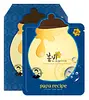
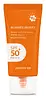
Papa Recipe Bombee Pepta Ampoule Honey Mask Pack Versus Papa Recipe Bombee Moist Sun Essence SPF 50+ PA+++
This hydrating sheet mask is formulated around Honey Extract and Propolis Extract to hydrate skin and strengthen the skin barrier.
This hybrid sunscreen covers the full UV range and blocks ~98% of UVB at SPF 50.

What's inside
What's inside
 Key Ingredients
Benefits
Concerns
Ingredients Side-by-side
Water
Skin ConditioningGlycerin
Humectant


Dipropylene Glycol
HumectantMethylpropanediol
SolventHoney Extract
Humectant
Propolis Extract
Skin Conditioning



Royal Jelly Extract
Skin Conditioning
Sodium Hyaluronate
Humectant

Sodium Hyaluronate Crosspolymer
Humectant
Hydrolyzed Hyaluronic Acid
Humectant
Hydrolyzed Sodium Hyaluronate
Skin Conditioning
Hyaluronic Acid
Humectant
Copper Tripeptide-1
Skin Conditioning
Ceramide NP
Skin Conditioning
Panthenol
Skin Conditioning
Calendula Officinalis Flower Extract
Masking
Chamomilla Recutita Flower Extract
Masking
Centella Asiatica Extract
Cleansing
Citrus Tangerina Peel Extract
AstringentHydrogenated Lecithin
Emulsifying
Caprylic/Capric Triglyceride
Masking
Cholesterol
Emollient
Butylene Glycol
Humectant
Hydroxyethylcellulose
Emulsion StabilisingCarbomer
Emulsion StabilisingAllantoin
Skin Conditioning
Trehalose
Humectant
Dipotassium Glycyrrhizate
Humectant
Disodium EDTA
ChelatingPolyglyceryl-10 Laurate
Skin Conditioning

Polyglyceryl-10 Myristate
Skin Conditioning
Propanediol
Solvent
Camellia Sinensis Leaf Extract
Antimicrobial



Zingiber Officinale Root Extract
Masking
Glycyrrhiza Glabra Root Extract
Bleaching
Schisandra Chinensis Fruit Extract
Skin Conditioning
Nelumbo Nucifera Flower Extract
Skin ConditioningGlycine Max Seed Extract
Skin ConditioningIris Pallida Root Extract
Masking
Perilla Ocymoides Leaf Extract
TonicCaprylyl Glycol
Emollient
Pentylene Glycol
Skin Conditioning
Ethylhexylglycerin
Skin Conditioning1,2-Hexanediol
Skin Conditioning
Parfum
Masking


Water, Glycerin, Dipropylene Glycol, Methylpropanediol, Honey Extract, Propolis Extract, Royal Jelly Extract, Sodium Hyaluronate, Sodium Hyaluronate Crosspolymer, Hydrolyzed Hyaluronic Acid, Hydrolyzed Sodium Hyaluronate, Hyaluronic Acid, Copper Tripeptide-1, Ceramide NP, Panthenol, Calendula Officinalis Flower Extract, Chamomilla Recutita Flower Extract, Centella Asiatica Extract, Citrus Tangerina Peel Extract, Hydrogenated Lecithin, Caprylic/Capric Triglyceride, Cholesterol, Butylene Glycol, Hydroxyethylcellulose, Carbomer, Allantoin, Trehalose, Dipotassium Glycyrrhizate, Disodium EDTA, Polyglyceryl-10 Laurate, Polyglyceryl-10 Myristate, Propanediol, Camellia Sinensis Leaf Extract, Zingiber Officinale Root Extract, Glycyrrhiza Glabra Root Extract, Schisandra Chinensis Fruit Extract, Nelumbo Nucifera Flower Extract, Glycine Max Seed Extract, Iris Pallida Root Extract, Perilla Ocymoides Leaf Extract, Caprylyl Glycol, Pentylene Glycol, Ethylhexylglycerin, 1,2-Hexanediol, Parfum
Water
Skin ConditioningEthylhexyl Methoxycinnamate
UV Absorber

Alcohol
Antimicrobial

Homosalate
Skin Conditioning
Ethylhexyl Salicylate
UV Absorber
Pentylene Glycol
Skin Conditioning
Bis-Ethylhexyloxyphenol Methoxyphenyl Triazine
UV Absorber
Caprylyl Methicone
Skin Conditioning
Titanium Dioxide
Cosmetic Colorant
1,2-Hexanediol
Skin Conditioning
Glycerin
Humectant
Ethylhexyl Triazone
UV Absorber
Isononyl Isononanoate
EmollientHoney Extract
Humectant
Propolis Extract
Skin Conditioning
Royal Jelly Extract
Skin Conditioning
Lavandula Angustifolia Flower Extract
Cleansing
Centaurea Cyanus Flower Extract
Astringent
Viola Tricolor Extract
EmollientCaprylyl Glycol
Emollient
Carthamus Tinctorius Flower Extract
Skin ConditioningNelumbo Nucifera Flower Extract
Skin ConditioningCamellia Japonica Flower Extract
EmollientRosa Damascena Flower Extract
Masking
Pancratium Maritimum Extract
BleachingSophora Japonica Fruit Extract
Skin ConditioningPolyglyceryl-3 Methylglucose Distearate
Emulsifying
Lauryl Methacrylate/Glycol Dimethacrylate Crosspolymer
Cyclopentasiloxane
Emollient
Ammonium Acryloyldimethyltaurate/Vp Copolymer
Sodium Acrylate/Sodium Acryloyldimethyl Taurate Copolymer
Emulsion StabilisingAluminum Hydroxide
EmollientStearic Acid
Cleansing
Isohexadecane
EmollientDimethicone/Vinyl Dimethicone Crosspolymer
Skin Conditioning
Tocopheryl Acetate
Antioxidant
Allantoin
Skin Conditioning
Sorbitan Isostearate
Emulsifying
Citrus Limon Peel Oil
Masking

Ethylhexylglycerin
Skin ConditioningPolysorbate 80
Emulsifying
Xanthan Gum
EmulsifyingSorbitan Oleate
Emulsifying
Sodium Hyaluronate
Humectant
Butylene Glycol
Humectant
Ethyl Hexanediol
SolventCitral
Perfuming
Limonene
Perfuming
Water, Ethylhexyl Methoxycinnamate, Alcohol, Homosalate, Ethylhexyl Salicylate, Pentylene Glycol, Bis-Ethylhexyloxyphenol Methoxyphenyl Triazine, Caprylyl Methicone, Titanium Dioxide, 1,2-Hexanediol, Glycerin, Ethylhexyl Triazone, Isononyl Isononanoate, Honey Extract, Propolis Extract, Royal Jelly Extract, Lavandula Angustifolia Flower Extract, Centaurea Cyanus Flower Extract, Viola Tricolor Extract, Caprylyl Glycol, Carthamus Tinctorius Flower Extract, Nelumbo Nucifera Flower Extract, Camellia Japonica Flower Extract, Rosa Damascena Flower Extract, Pancratium Maritimum Extract, Sophora Japonica Fruit Extract, Polyglyceryl-3 Methylglucose Distearate, Lauryl Methacrylate/Glycol Dimethacrylate Crosspolymer, Cyclopentasiloxane, Ammonium Acryloyldimethyltaurate/Vp Copolymer, Sodium Acrylate/Sodium Acryloyldimethyl Taurate Copolymer, Aluminum Hydroxide, Stearic Acid, Isohexadecane, Dimethicone/Vinyl Dimethicone Crosspolymer, Tocopheryl Acetate, Allantoin, Sorbitan Isostearate, Citrus Limon Peel Oil, Ethylhexylglycerin, Polysorbate 80, Xanthan Gum, Sorbitan Oleate, Sodium Hyaluronate, Butylene Glycol, Ethyl Hexanediol, Citral, Limonene
Reviews
Ingredients Explained
These ingredients are found in both products.
Ingredients higher up in an ingredient list are typically present in a larger amount.
1,2-Hexanediol is a synthetic liquid and another multi-functional powerhouse.
It is a:
- Humectant, drawing moisture into the skin
- Emollient, helping to soften skin
- Solvent, dispersing and stabilizing formulas
- Preservative booster, enhancing the antimicrobial activity of other preservatives
Allantoin is a soothing ingredient known for its protective and moisturizing properties; it's basically a quiet workhorse ingredient you can find in a huge range of cosmetics.
Though it can be derived from the comfrey plant, allantoin is produced synthetically for cosmetic products to ensure purity.
Research shows it can encourage your skin cells to turn over and renew by stimulating keratinocyte and fibroblast proliferation.
It also has mild keratolytic properties to help loosen and shed dead skin cells without being harsh.
Studies also suggest allantoin can help calm inflammation by dialing down some of the chemical signals your skin sends out when it is irritated.
This ingredient is typically used in the 0.1-0.5% range, and the FDA recognizes it as a skin protectant in OTC products up to 2%.
Overall, allantoin is a wonderful addition to most routines; it is stable across a wide pH range (~4-8), works well with other ingredients, and is considered non-sensitizing/non-irritating.
Fun fact: Allantoin is naturally occurring in comfrey root, beets, chamomile, and wheat sprouts. Our bodies even produce it as a byproduct of uric acid metabolism.
Learn more about AllantoinButylene Glycol (or BG) is used within cosmetic products for a few different reasons:
Overall, Butylene Glycol is a safe and well-rounded ingredient that works well with other ingredients.
Though this ingredient works well with most skin types, some people with sensitive skin may experience a reaction such as allergic rashes, closed comedones, or itchiness.
Learn more about Butylene GlycolCaprylyl Glycol is a humectant, skin conditioner, emollient, and preservative booster derived from either caprylic acid or synthetically created.
Typical use levels vary from 0.3-1% as a preservative booster and go up to 2% to condition skin.
Because it is not a free-fatty acid, this ingredient is fungal acne safe (there's nothing for Malassezia to feed on).
Learn more about Caprylyl GlycolEthylhexylglycerin is created from glycerin. It is a multitasker ingredient that:
The CIR Expert Panel found minimal skin absorption or sensitization of any kind in a safety assessment. Though this ingredient is considered well-tolerated, a small number of cases of allergic dermatitis have been published since 2002. Just be sure to patch test if you are unsure.
Industry-reported use ranges from 8% in rinse-off products and 2% in leave-on formulations.
Learn more about EthylhexylglycerinGlycerin (or glycerol) is a compound naturally found in your skin. It's a powerhouse humectant that pulls water into the stratum corneum.
Topically, glycerin does several things at once:
Your skin makes glycerin on its own (mostly from sebaceous oil breakdown) and shuttles it to your outermost layer of skin, or your epidermis, via aquaporin-3.
Aquaporin-3 is a transporter that is essential for normal skin hydration, elasticity, and repair. Interestingly, mice lacking in AQP3 have dry and less elastic skin that can be fully corrected with glycerin.
This ingredient is non-irritating, plays well with almost every ingredient, and works across all skin types. Typical use is anywhere between 3-10% but can go up to 79% in some leave-on products.
Just know very high concentrations (>40%) can feel tacky in low humidity.
Glycerin is the name for this ingredient in American English. British English uses Glycerol/Glycerine.
Learn more about GlycerinThis ingredient comes from honey made by bees. It is hydrating, antibacterial, anti-aging, and skin soothing.
Honey also contains amino acids, peptides, Vitamins A, C, and E.
The humectant property of honey draws moisture from the air to your skin. This makes it great at helping to hydrate the skin.
Honey may help reduce the signs of aging due to its antioxidant properties. Fun fact: darker honey has more antioxidants than light honey. The antibacterial property of honey may make it effective at helping to treat acne by killing acne-causing bacteria.
Many people wonder if honey extract is vegan. It is technically a byproduct from bees. This is because honey is created from the digestive enzymes in a bee's stomach.
Remember to be kind to bees :) They are important for many ecosystems and are endangered.
Learn more about Honey ExtractNelumbo Nucifera Flower Extract is also known as Lotus Flower Extract and it's mainly valued as an antioxidant + soothing ingredient for skincare.
It's rich in polyphenols and flavonoids that protect skin against radical damage from UV rays and pollution.
Lab studies on human skin show it calms inflammation by reducing inflammatory signals in skin cells without causing cell damage.
Cell and formulation studies also point to whitening/brightening + anti-wrinkle effects; the extracts from the leaf, seed, and flower showed measurable elastase (wrinkle-related enzyme) and tyrosinase (pigment related enzyme) inhibition.
A cream containing lotus extract also no significant irritation and stayed stable over a month of storage.
Typical usage in cosmetics is usually on the lower end (~0.5-5%) depending on the formula.
Allergy-wise, this ingredient is considered low risk and often included in products made for sensitive/irritated skin. But like any plant extract, it carries a small possibility of contact allergy in people sensitive to plant extracts.
Learn more about Nelumbo Nucifera Flower ExtractPentylene Glycol (1,2-pentanediol) is a multitasking little diol with three main roles in a formula:
Research on alkanediols (the family pentylene glycol belongs to) show they work by disrupting microbial cell membranes. This disruption helps the primary preservative system in a product work more effectively at lower doses.
On the safety side, the Cosmetic Ingredient Review Expert Panel has concluded this ingredient to be safe as used in current cosmetic practices + concentrations.
Typical use levels in a formula run about 1-5%.
Learn more about Pentylene GlycolPropolis Extract is a natural ingredient derived from propolis (also known as bee glue). Bees make propolis by mixing their saliva and beeswax with resins collected from tree buds and plants.
This ingredient is packed with bioactive compounds like flavonoids, phenolic acids, and amino acids that give it antioxidant and anti-inflammatory properties.
Research shows it can help:
It also pairs nicely with hydrating ingredients like niacinamide and ceramides.
Just so you know, Propolis Extract is recognized as a contact allergen. In patch tests done in the EU, roughly 1-6% of patients react to it. Be sure to steer clear of this ingredient if you have a known allergy to bee products.
Since it is an animal-derived product, this ingredient is not considered vegan. For vegan alternatives, check out Galactomyces Ferment Filtrate or Centella Asiatica Extract.
Learn more about Propolis ExtractRoyal Jelly Extract comes from a secretion made by worker honeybees. This secretion is white and described as creamy.
This compound has antibacterial, anti-aging, and anti-inflammatory properties.
Studies show Royal Jelly to contain amino acids, fatty acids, and a variety of vitamins, including Vitamin Bs. Many of these components are antioxidants, which help with anti-aging. The fatty acids in Royal Jelly make it a hydrating ingredient.
Several animal studies show Royal Jelly to boost collagen production and reduce inflammation.
The Vitamin Bs found in Royal Jelly include:
Royal Jelly is derived from honeybees. This means it is not vegan.
Learn more about Royal Jelly ExtractSodium Hyaluronate is the salt form of hyaluronic acid. It is a long sugar chain that is naturally found in your skin, joints, and connective tissue that maintains hydration and elasticity.
In skincare, it works as a humectant. It pulls water from the environment and deeper layers of skin and binds it to the surface.
Interestingly, the size of the molecule affects its behavior:
Some clinical evidence links low molecular weight versions to improved wrinkle depth, elasticity, anti-inflammatory effects, and barrier repair.
Many serums use a blend of both weights so you can get surface hydration plus longer-lasting and deeper effects.
You'll typically see concentrations between 0.1-2% for this ingredient.
Learn more about Sodium HyaluronateWater. It's the most common cosmetic ingredient of all. You'll usually see it at the top of ingredient lists, meaning that it makes up the largest part of the product.
So why is it so popular? Water most often acts as a solvent - this means that it helps dissolve other ingredients into the formulation.
You'll also recognize water as that liquid we all need to stay alive. If you see this, drink a glass of water. Remember to stay hydrated!
Learn more about Water

