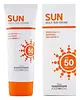
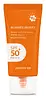
Foodaholic SUN Multi Sun Cream SPF50 and PA+++ Versus Papa Recipe Bombee Moist Sun Essence SPF 50+ PA+++
This hybrid sunscreen covers the full UV range and blocks ~98% of UVB at SPF 50.
This hybrid sunscreen covers the full UV range and blocks ~98% of UVB at SPF 50.

What's inside
What's inside
 Key Ingredients
Benefits
Concerns
Ingredients Side-by-side
Water
Skin ConditioningCyclopentasiloxane
Emollient
Cyclohexasiloxane
Emollient
Cobalt Titanium Oxide
Skin ConditioningAluminum Hydroxide
EmollientStearic Acid
Cleansing



Dimethicone
Emollient
Zinc Oxide
Cosmetic Colorant


Dimethicone/Methicone Copolymer
Butylene Glycol
Humectant
Sodium Hyaluronate
Humectant


4-Methylbenzylidene Camphor
UV Absorber
Cetyl PEG/PPG-10/1 Dimethicone
Emulsifying
Isododecane
EmollientDisteardimonium Hectorite
StabilisingPropylene Carbonate
SolventDimethicone/Vinyl Dimethicone Crosspolymer
Skin Conditioning
Arbutin
Antioxidant



Ozokerite
Emulsion StabilisingMagnesium Sulfate
Methylparaben
Preservative


Propylparaben
Preservative
Disodium EDTA
ChelatingParfum
Masking


Water, Cyclopentasiloxane, Cyclohexasiloxane, Cobalt Titanium Oxide, Aluminum Hydroxide, Stearic Acid, Dimethicone, Zinc Oxide, Dimethicone/Methicone Copolymer, Butylene Glycol, Sodium Hyaluronate, 4-Methylbenzylidene Camphor, Cetyl PEG/PPG-10/1 Dimethicone, Isododecane, Disteardimonium Hectorite, Propylene Carbonate, Dimethicone/Vinyl Dimethicone Crosspolymer, Arbutin, Ozokerite, Magnesium Sulfate, Methylparaben, Propylparaben, Disodium EDTA, Parfum
Water
Skin ConditioningEthylhexyl Methoxycinnamate
UV Absorber
Alcohol
Antimicrobial

Homosalate
Skin Conditioning
Ethylhexyl Salicylate
UV Absorber
Pentylene Glycol
Skin Conditioning
Bis-Ethylhexyloxyphenol Methoxyphenyl Triazine
UV Absorber
Caprylyl Methicone
Skin Conditioning
Titanium Dioxide
Cosmetic Colorant
1,2-Hexanediol
Skin Conditioning
Glycerin
Humectant
Ethylhexyl Triazone
UV Absorber
Isononyl Isononanoate
EmollientHoney Extract
Humectant
Propolis Extract
Skin Conditioning


Royal Jelly Extract
Skin Conditioning
Lavandula Angustifolia Flower Extract
Cleansing
Centaurea Cyanus Flower Extract
Astringent
Viola Tricolor Extract
EmollientCaprylyl Glycol
Emollient
Carthamus Tinctorius Flower Extract
Skin ConditioningNelumbo Nucifera Flower Extract
Skin ConditioningCamellia Japonica Flower Extract
EmollientRosa Damascena Flower Extract
Masking
Pancratium Maritimum Extract
BleachingSophora Japonica Fruit Extract
Skin ConditioningPolyglyceryl-3 Methylglucose Distearate
Emulsifying
Lauryl Methacrylate/Glycol Dimethacrylate Crosspolymer
Cyclopentasiloxane
Emollient
Ammonium Acryloyldimethyltaurate/Vp Copolymer
Sodium Acrylate/Sodium Acryloyldimethyl Taurate Copolymer
Emulsion StabilisingAluminum Hydroxide
EmollientStearic Acid
Cleansing
Isohexadecane
EmollientDimethicone/Vinyl Dimethicone Crosspolymer
Skin Conditioning
Tocopheryl Acetate
Antioxidant
Allantoin
Skin Conditioning
Sorbitan Isostearate
Emulsifying
Citrus Limon Peel Oil
Masking

Ethylhexylglycerin
Skin ConditioningPolysorbate 80
Emulsifying
Xanthan Gum
EmulsifyingSorbitan Oleate
Emulsifying
Sodium Hyaluronate
Humectant
Butylene Glycol
Humectant
Ethyl Hexanediol
SolventCitral
Perfuming
Limonene
Perfuming
Water, Ethylhexyl Methoxycinnamate, Alcohol, Homosalate, Ethylhexyl Salicylate, Pentylene Glycol, Bis-Ethylhexyloxyphenol Methoxyphenyl Triazine, Caprylyl Methicone, Titanium Dioxide, 1,2-Hexanediol, Glycerin, Ethylhexyl Triazone, Isononyl Isononanoate, Honey Extract, Propolis Extract, Royal Jelly Extract, Lavandula Angustifolia Flower Extract, Centaurea Cyanus Flower Extract, Viola Tricolor Extract, Caprylyl Glycol, Carthamus Tinctorius Flower Extract, Nelumbo Nucifera Flower Extract, Camellia Japonica Flower Extract, Rosa Damascena Flower Extract, Pancratium Maritimum Extract, Sophora Japonica Fruit Extract, Polyglyceryl-3 Methylglucose Distearate, Lauryl Methacrylate/Glycol Dimethacrylate Crosspolymer, Cyclopentasiloxane, Ammonium Acryloyldimethyltaurate/Vp Copolymer, Sodium Acrylate/Sodium Acryloyldimethyl Taurate Copolymer, Aluminum Hydroxide, Stearic Acid, Isohexadecane, Dimethicone/Vinyl Dimethicone Crosspolymer, Tocopheryl Acetate, Allantoin, Sorbitan Isostearate, Citrus Limon Peel Oil, Ethylhexylglycerin, Polysorbate 80, Xanthan Gum, Sorbitan Oleate, Sodium Hyaluronate, Butylene Glycol, Ethyl Hexanediol, Citral, Limonene
Reviews
Ingredients Explained
These ingredients are found in both products.
Ingredients higher up in an ingredient list are typically present in a larger amount.
Aluminum Hydroxide is a form of aluminum. It can be naturally found in nature as the mineral gibbsite. In cosmetics, Aluminum Hydroxide is used as a colorant, pH adjuster, and absorbent.
As a colorant, Aluminum Hydroxide may add opacity, or reduce the transparency. Aluminum hydroxide is contains both basic and acidic properties.
According to manufacturers, this ingredient is an emollient and humectant. This means it helps hydrate the skin.
In medicine, this ingredient is used to help relieve heartburn and help heal ulcers.
There is currently no credible scientific evidence linking aluminum hydroxide in cosmetics to increased cancer risk.
Major health organizations allow the use of aluminum hydroxide in personal care products and have not flagged it as a carcinogenic risk at typical usage levels.
Learn more about Aluminum HydroxideButylene Glycol (or BG) is used within cosmetic products for a few different reasons:
Overall, Butylene Glycol is a safe and well-rounded ingredient that works well with other ingredients.
Though this ingredient works well with most skin types, some people with sensitive skin may experience a reaction such as allergic rashes, closed comedones, or itchiness.
Learn more about Butylene GlycolCyclopentasiloxane (D5) is a lightweight silicone that mostly acts as an emollient and solvent in cosmetics. Its the reason your products feel silky, fast-spreading, and non-greasy.
Since D5 is volatile, it does its thing and then evaporates off the skin quickly.
The safety profile of this ingredient is reassuring; the US CIR Expert Panel concluded D5 is safe as used in cosmetics and Health Canada concluded that D5 is not harmful to human health or the environment as currently used in cosmetics
There's a study that people mention about D5 in a rat study showing tumors. This study is related to long-term inhalation of high D5 levels.
Regulatory bodies have judged this study to be not applicable in topical skincare since skin absorption of D5 is very low and we're not really inhaling huge amounts of D5.
The only restriction for this ingredient is environmental. The European Chemicals Agency (ECHA) restricted D5 in wash-off cosmetics at or above 0.1% due to their persistence in water.
Learn more about CyclopentasiloxaneThis ingredient is a silicone elastomer that works as a texture enhancer, adds a silky slip, and also helps absorb excess oil.
Because it's a large macromolecule that's insoluble in water and chemically inert, it's not expected to penetrate or be absorbed into skin.
Human patch tests with a facial lotion containing 1% of this ingredient found no sensitization.
Learn more about Dimethicone/Vinyl Dimethicone CrosspolymerSodium Hyaluronate is the salt form of hyaluronic acid. It is a long sugar chain that is naturally found in your skin, joints, and connective tissue that maintains hydration and elasticity.
In skincare, it works as a humectant. It pulls water from the environment and deeper layers of skin and binds it to the surface.
Interestingly, the size of the molecule affects its behavior:
Some clinical evidence links low molecular weight versions to improved wrinkle depth, elasticity, anti-inflammatory effects, and barrier repair.
Many serums use a blend of both weights so you can get surface hydration plus longer-lasting and deeper effects.
You'll typically see concentrations between 0.1-2% for this ingredient.
Learn more about Sodium HyaluronateStearic Acid is a fatty acid that is already found in your skin. It's one of the free fatty acids that works alongside ceramides and cholesterols to maintain your barrier.
In cosmetics, it is a multitasker:
Safety-wise, the CIR Expert Panel has concluded it to be safe in cosmetics when formulated to be non-irritating and non-sensitizing.
Free stearic acid is a C18 fatty acid that the Malassezia yeast can substrate, so this ingredient may not be fungal acne safe.
This ingredient does have a comedogenic rating of 2-3, but this doesn't mean a formula with this ingredient will clog pores.
Human testing has proved that any finished product with this ingredient won't automatically make you break out; it really comes down to concentration, formula, and your skin.
Learn more about Stearic AcidWater. It's the most common cosmetic ingredient of all. You'll usually see it at the top of ingredient lists, meaning that it makes up the largest part of the product.
So why is it so popular? Water most often acts as a solvent - this means that it helps dissolve other ingredients into the formulation.
You'll also recognize water as that liquid we all need to stay alive. If you see this, drink a glass of water. Remember to stay hydrated!
Learn more about Water

