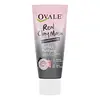
This wash off mask is made with Zea Mays Starch and Kaolin for a rinse-off oil-control boost.
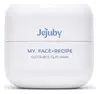
This wash off mask is formulated around Mandelic Acid to exfoliate and smooth skin.

What's inside
What's inside
 Key Ingredients
Benefits
Concerns
Ingredients Side-by-side
Water
Skin ConditioningZea Mays Starch
Absorbent
Sorbitol
Humectant

Kaolin
Abrasive


Talc
Abrasive
Magnesium Aluminum Silicate
Absorbent
Titanium Dioxide
Cosmetic Colorant

Polysorbate 20
Emulsifying

1,2-Hexanediol
Skin Conditioning
Betaine
Humectant
Sodium Citrate
BufferingSorbitan Caprylate
EmulsifyingPropylene Glycol
Humectant
Maltodextrin
Absorbent
Allantoin
Skin Conditioning

Citric Acid
Buffering

CI 77499
Cosmetic ColorantSodium Polystyrene Sulfonate
Emulsion StabilisingXanthan Gum
EmulsifyingPropanediol
Solvent
Benzoic Acid
Masking
Parfum
Masking


Mica
Cosmetic ColorantPanthenol
Skin Conditioning
Tocopheryl Acetate
Antioxidant

Biosaccharide Gum-1
Humectant
Olea Europaea Leaf Extract
Perfuming
Styrene/Acrylates Copolymer
Cellulose Gum
Emulsion StabilisingSodium Chloride
MaskingSucrose
Humectant
CI 47005
Cosmetic ColorantChondrus Crispus Extract
Skin Conditioning
Ulva Lactuca Extract
Skin ConditioningEnteromorpha Compressa Extract
Skin Protecting
Palmaria Palmata Extract
Skin Protecting
CI 45100
Cosmetic ColorantUndaria Pinnatifida Extract
Skin ConditioningSodium Lauroyl Lactylate
EmulsifyingCharcoal Powder
Abrasive
Ceramide NP
Skin Conditioning

Ceramide AP
Skin Conditioning
Cholesterol
Emollient
Phytosphingosine
Skin Conditioning
Carbomer
Emulsion StabilisingEthylhexylglycerin
Skin ConditioningCeramide EOP
Skin Conditioning
Water, Zea Mays Starch, Sorbitol, Kaolin, Talc, Magnesium Aluminum Silicate, Titanium Dioxide, Polysorbate 20, 1,2-Hexanediol, Betaine, Sodium Citrate, Sorbitan Caprylate, Propylene Glycol, Maltodextrin, Allantoin, Citric Acid, CI 77499, Sodium Polystyrene Sulfonate, Xanthan Gum, Propanediol, Benzoic Acid, Parfum, Mica, Panthenol, Tocopheryl Acetate, Biosaccharide Gum-1, Olea Europaea Leaf Extract, Styrene/Acrylates Copolymer, Cellulose Gum, Sodium Chloride, Sucrose, CI 47005, Chondrus Crispus Extract, Ulva Lactuca Extract, Enteromorpha Compressa Extract, Palmaria Palmata Extract, CI 45100, Undaria Pinnatifida Extract, Sodium Lauroyl Lactylate, Charcoal Powder, Ceramide NP, Ceramide AP, Cholesterol, Phytosphingosine, Carbomer, Ethylhexylglycerin, Ceramide EOP
Water
Skin ConditioningPropylene Glycol
Humectant
Isopropyl Palmitate
Emollient
Milk
Skin Conditioning
Glutathione

Acetyl Glycyl Beta-Alanine
Skin ConditioningSodium PCA
Humectant
Sodium Lactate
Buffering
Glycerin
Humectant
Alpha-Glucan Oligosaccharide
Cleansing
Kaolin
Abrasive
Mandelic Acid
Antimicrobial
Oryza Sativa Powder
Glyceryl Stearate
Emollient
Arginine
Masking
Methylpropanediol
SolventSodium Acrylate/Sodium Acryloyldimethyl Taurate Copolymer
Emulsion StabilisingAspartic Acid
Masking
PCA
Humectant
Titanium Dioxide
Cosmetic Colorant
Sodium Carboxymethyl Betaglucan
Xanthan Gum
EmulsifyingCaprylic/Capric Triglyceride
Masking
Sodium Benzoate
Masking
Potassium Sorbate
Preservative
Allantoin
Skin Conditioning
Tetrasodium EDTA
ChelatingHydrogenated Lecithin
Emulsifying
Polyglyceryl-2 Oleate
Emulsifying
Polyglyceryl-2 Stearate
Emulsifying
Polyhydroxystearic Acid
Emulsifying
Glycine
Buffering
Alanine
Masking
Ceteareth-20
Cleansing
Cetearyl Alcohol
Emollient
PEG-40 Stearate
Emulsifying
Serine
Masking
1,2-Hexanediol
Skin Conditioning
Valine
MaskingIsoleucine
Skin ConditioningProline
Skin Conditioning
Threonine
Sucrose Stearate
EmollientCitric Acid
Buffering
Ceramide NP
Skin Conditioning
Histidine
Humectant
Phenylalanine
Masking
Ceramide AP
Skin Conditioning
Ceramide As
Skin Conditioning
Ceramide Ng
Skin Conditioning
Glycosphingolipids
EmollientWater, Propylene Glycol, Isopropyl Palmitate, Milk, Glutathione, Acetyl Glycyl Beta-Alanine, Sodium PCA, Sodium Lactate, Glycerin, Alpha-Glucan Oligosaccharide, Kaolin, Mandelic Acid, Oryza Sativa Powder, Glyceryl Stearate, Arginine, Methylpropanediol, Sodium Acrylate/Sodium Acryloyldimethyl Taurate Copolymer, Aspartic Acid, PCA, Titanium Dioxide, Sodium Carboxymethyl Betaglucan, Xanthan Gum, Caprylic/Capric Triglyceride, Sodium Benzoate, Potassium Sorbate, Allantoin, Tetrasodium EDTA, Hydrogenated Lecithin, Polyglyceryl-2 Oleate, Polyglyceryl-2 Stearate, Polyhydroxystearic Acid, Glycine, Alanine, Ceteareth-20, Cetearyl Alcohol, PEG-40 Stearate, Serine, 1,2-Hexanediol, Valine, Isoleucine, Proline, Threonine, Sucrose Stearate, Citric Acid, Ceramide NP, Histidine, Phenylalanine, Ceramide AP, Ceramide As, Ceramide Ng, Glycosphingolipids
Reviews
Ingredients Explained
These ingredients are found in both products.
Ingredients higher up in an ingredient list are typically present in a larger amount.
1,2-Hexanediol is a synthetic liquid and another multi-functional powerhouse.
It is a:
- Humectant, drawing moisture into the skin
- Emollient, helping to soften skin
- Solvent, dispersing and stabilizing formulas
- Preservative booster, enhancing the antimicrobial activity of other preservatives
Allantoin is a soothing ingredient known for its protective and moisturizing properties; it's basically a quiet workhorse ingredient you can find in a huge range of cosmetics.
Though it can be derived from the comfrey plant, allantoin is produced synthetically for cosmetic products to ensure purity.
Research shows it can encourage your skin cells to turn over and renew by stimulating keratinocyte and fibroblast proliferation.
It also has mild keratolytic properties to help loosen and shed dead skin cells without being harsh.
Studies also suggest allantoin can help calm inflammation by dialing down some of the chemical signals your skin sends out when it is irritated.
This ingredient is typically used in the 0.1-0.5% range, and the FDA recognizes it as a skin protectant in OTC products up to 2%.
Overall, allantoin is a wonderful addition to most routines; it is stable across a wide pH range (~4-8), works well with other ingredients, and is considered non-sensitizing/non-irritating.
Fun fact: Allantoin is naturally occurring in comfrey root, beets, chamomile, and wheat sprouts. Our bodies even produce it as a byproduct of uric acid metabolism.
Learn more about AllantoinCeramide AP is is a skin-identical lipid that mimics what your skin already makes naturally. Ceramides help maintain epidermal integrity and barrier function.
You'll often see this ingredient paired with other ceramides (like ceramide NP), cholesterol, or fatty acids because this combination best mimics the natural lipid mix your skin already has.
The skin's ability to produce ceramides gets disrupted in skin conditions like eczema. This in turn weakens the skin barrier and applying ceramides topically has been shown to replenish what's been lost to restore barrier function.
Most of the studies with Ceramide AP test it as part of a multi-ceramide complex; studies reinforce ceramide AP's role in rebalancing ceramides in skin and improving skin hydration.
Learn more about Ceramide APCeramide NP (formerly known as Ceramide 3) is one of the skin's naturally occurring lipids.
Since ceramides are the major lipid components of the skin, they are crucial for maintaining skin barrier and hydration. Ceramide NP most closely mirrors the dominant kind in human skin amongst ceramide subtypes.
This ceramide works by slotting into gaps within the stratum corneum's lipid matrix to limit trans-epidermal water loss (TEWL) and shield the skin against external irritants.
A study with 312 patients found that using a ceramide-containing routine for 4 weeks reduced the severity of atopic dermatitis by over 61%.
Another clinical study in subjects aged 60 and older found that a ceramide body wash and moisturizer improved skin dryness and itchy skin in 15 days.
Overall, ceramides are considered non-irritating and safety tests have found little to no observable adverse effects from using this ingredient.
Ceramide NP is usually sourced from plants (like soybean or rice bran), or produced synthetically.
Learn more about Ceramide NPCitric Acid is an alpha hydroxy acid (AHA) naturally found in citrus fruits like oranges, lemons, and limes.
Like other AHAs, citric acid can exfoliate skin by breaking down the bonds that hold dead skin cells together. This helps reveal smoother and brighter skin underneath.
However, this exfoliating effect only happens at high concentrations (20%) which can be hard to find in cosmetic products.
Due to this, citric acid is usually included in small amounts as a pH adjuster. This helps keep products slightly more acidic and compatible with skin's natural pH.
In skincare formulas, citric acid can:
While it can provide some skin benefits, research shows lactic acid and glycolic acid are generally more effective and less irritating exfoliants.
Most citric acid used in skincare today is made by fermenting sugars (usually from molasses). This synthetic version is identical to the natural citrus form but easier to stabilize and use in formulations.
Rosacea skin has a lower threshold for acids generally, with 62.5% of rosacea subjects in one study reacting to lactic acid in a sting test. This is why we mark citric acid as a potential rosacea trigger.
However, this ingredient shows up as a pH adjuster or chelator at roughly 0.1-1% in many products. These low levels are unlikely to be an issue for rosacea skin and becomes a potential trigger at exfoliating concentrations (20%). Because everybody's skin is unique, we recommend a patch test if you are unsure.
Learn more about Citric AcidKaolin is a clay. It is used for oil control and to help minimize pores. Like other clays, kaolin has the ability to absorb excess sebum or oil. This can help clean out pores and mattify the skin.
Some types of kaolin may have exfoliating properties. When water is added to kaolin, it becomes a paste with small abrasive particles.
Most kaolin is a white color, but may be pink/orange/red depending on where it comes from.
The name 'kaolin' comes from a Chinese village named 'Gaoling'. Kaolin clay comes from rocks rich in kaolinite. Kaolinite, the mineral, has a silicate layered structure. Kaolinite is formed from chemical weathering of aluminum siilicate minerals.
Besides skincare, kaolin is commonly used to make glossy paper, in ceramics, toothpaste, and as medicine to soothe stomach issues.
Learn more about KaolinPropylene Glycol is a synthetic, colorless, odorless liquid that has been a staple in cosmetics for decades. It is a skin conditioning agent, humectant, and solvent.
As a humectant, it draw water to the skin to reduce flaking and restore suppleness. It's also a solvent that helps dissolve other actives and keeps formulas stable across temperature changes.
The CIR Expert Panel has confirmed this ingredient to be nontoxic and clinical studies show no sensitization at cosmetic use concentrations.
True allergic reactions are quite rare: a 15-year retrospective study of 6,751 patients found only 0.31% had a positive reaction (and less than half were considered clinically relevant).
It seemed that when sensitization does occur, it's most commonly linked to topical medication (like corticosteroids) and not cosmetics. Allergic contact dermatitis also appears largely limited to individuals with underlying skin conditions.
Overall, propylene glycol is a well-studied ingredient that most people can tolerate without issue.
Learn more about Propylene GlycolTitanium Dioxide (TD) is a mineral UV filter widely used in sunscreens and cosmetics.
It's one of only two UV filters officially classified as "mineral" by regulatory agencies (the other being Zinc Oxide).
A really common myth is that mineral filters work by reflecting UV light off your skin like tiny mirrors.
They don't only do that; modern research shows TD protects mostly by absorbing UV radiation, the same way chemical filters do.
When researchers measured this, reflection accounted for only about 4-5% of the protection (and less than SPF 2 on its own). The other ~95% comes from absorption: the UV photons hit the particle and their energy gets soaked up by its semiconductor band gap rather than bouncing off.
So "reflects vs. absorbs" was never really the right way to split mineral from chemical filters.
TD gives broad-spectrum protection that's strongest in the UVB and UVA-2 range and weaker in the UVA-1 range. Its UVA protection isn't quite as strong as Zinc Oxide's which is why you'll often see the two paired together.
Together, they make a solid broad-spectrum system.
TD is a great pick for sensitive, acne-prone, or redness-prone skin because it's non-irritating and chemically inert. Regulatory reviews classify it as a non-sensitizer and mild-to-non-irritant.
It's also unlikely to cause the "eye sting" some chemical filters are known for.
The main trade-off is cosmetic; TD can leave a white cast and has a thicker texture. This is why mineral sunscreens are often less cosmetically elegant than chemical or hybrid formulas (and harder to shade-match on deeper skin tones).
Formulators often use micronized or nano-sized TD to cut down on white case and improve spreadability. Smaller particles scatter less visible light so the formula looks less chalky while still filtering UV.
TD is almost always bundled with coatings like Alumina, Silica, Stearic Acid, or Dimethicone. These coatings do two important jobs:
TD can be used at up to 25% in a finished sunscreen; this is the regulatory ceiling in both the US and the EU.
In practice, the amount in any given product varies a lot depending on the target SPF and whether it's paired with other UV filters.
TD is one of the most heavily vetted sunscreen ingredients out there. It is approved as a UV filter in all major markets worldwide, including the US, EU, UK, Japan, Korea, China, Australia, and Canada.
The safety evidence is solid. There was an old worry that nano particles might absorb through skin into the body but multiple studies (including on damaged, sunburned, and UV-irradiated skin) have shown that TD stays on the surface and the layer of dead skin cells on top of everything else.
There's also no evidence of carcinogenicity, mutagenicity, or reproductive toxicity from dermal exposure of this ingredient.
For those who have seen the headline about a 2022 EU ban on TD, that was on TD as a food additive (a complete separate use from topical sunscreen).
There are ongoing questions about how nano-TD might affect marine ecosystems. As of now, there has been no conclusive evidence that any form of TD (or any other sunscreen filter) harms coral reefs or marine life.
The science is still developing and it's a space worth watching rather than packing over.
However, several destinations have reef-safety sunscreen rules that restrict certain chemical filters and steer visitors toward mineral, non-nano options. If you're traveling somewhere with these rules, a non-nano mineral sunscreen is the safe bet.
Learn more about Titanium DioxideWater. It's the most common cosmetic ingredient of all. You'll usually see it at the top of ingredient lists, meaning that it makes up the largest part of the product.
So why is it so popular? Water most often acts as a solvent - this means that it helps dissolve other ingredients into the formulation.
You'll also recognize water as that liquid we all need to stay alive. If you see this, drink a glass of water. Remember to stay hydrated!
Learn more about WaterXanthan gum is used as a stabilizer and thickener within cosmetic products. It helps give products a sticky, thick feeling - preventing them from being too runny.
On the technical side of things, xanthan gum is a polysaccharide - a combination consisting of multiple sugar molecules bonded together.
Xanthan gum is a pretty common and great ingredient. It is a natural, non-toxic, non-irritating ingredient that is also commonly used in food products.
Learn more about Xanthan Gum


