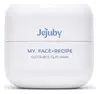
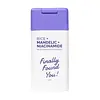
Jejuby Gluta Rice Clay Mask Versus Finally Found You! Rice + Mandelic + Niacinamide Brightening Powder Mask
This wash off mask is formulated around Mandelic Acid to exfoliate and smooth skin.
This wash off mask is formulated around Mandelic Acid to exfoliate and smooth skin.

What's inside
What's inside
 Key Ingredients
Benefits
Concerns
Ingredients Side-by-side
Water
Skin ConditioningPropylene Glycol
Humectant


Isopropyl Palmitate
Emollient


Milk
Skin Conditioning
Glutathione



Acetyl Glycyl Beta-Alanine
Skin ConditioningSodium PCA
Humectant

Sodium Lactate
Buffering
Glycerin
Humectant
Alpha-Glucan Oligosaccharide
Cleansing
Kaolin
Abrasive



Mandelic Acid
Antimicrobial



Oryza Sativa Powder
Glyceryl Stearate
Emollient
Arginine
Masking
Methylpropanediol
SolventSodium Acrylate/Sodium Acryloyldimethyl Taurate Copolymer
Emulsion StabilisingAspartic Acid
Masking
PCA
Humectant
Titanium Dioxide
Cosmetic Colorant

Sodium Carboxymethyl Betaglucan
Xanthan Gum
EmulsifyingCaprylic/Capric Triglyceride
Masking
Sodium Benzoate
Masking
Potassium Sorbate
Preservative
Allantoin
Skin Conditioning
Tetrasodium EDTA
ChelatingHydrogenated Lecithin
Emulsifying
Polyglyceryl-2 Oleate
Emulsifying
Polyglyceryl-2 Stearate
Emulsifying
Polyhydroxystearic Acid
Emulsifying
Glycine
Buffering
Alanine
Masking
Ceteareth-20
Cleansing
Cetearyl Alcohol
Emollient
PEG-40 Stearate
Emulsifying
Serine
Masking
1,2-Hexanediol
Skin Conditioning
Valine
MaskingIsoleucine
Skin ConditioningProline
Skin Conditioning
Threonine
Sucrose Stearate
EmollientCitric Acid
Buffering
Ceramide NP
Skin Conditioning
Histidine
Humectant
Phenylalanine
Masking
Ceramide AP
Skin Conditioning
Ceramide As
Skin Conditioning
Ceramide Ng
Skin Conditioning
Glycosphingolipids
EmollientWater, Propylene Glycol, Isopropyl Palmitate, Milk, Glutathione, Acetyl Glycyl Beta-Alanine, Sodium PCA, Sodium Lactate, Glycerin, Alpha-Glucan Oligosaccharide, Kaolin, Mandelic Acid, Oryza Sativa Powder, Glyceryl Stearate, Arginine, Methylpropanediol, Sodium Acrylate/Sodium Acryloyldimethyl Taurate Copolymer, Aspartic Acid, PCA, Titanium Dioxide, Sodium Carboxymethyl Betaglucan, Xanthan Gum, Caprylic/Capric Triglyceride, Sodium Benzoate, Potassium Sorbate, Allantoin, Tetrasodium EDTA, Hydrogenated Lecithin, Polyglyceryl-2 Oleate, Polyglyceryl-2 Stearate, Polyhydroxystearic Acid, Glycine, Alanine, Ceteareth-20, Cetearyl Alcohol, PEG-40 Stearate, Serine, 1,2-Hexanediol, Valine, Isoleucine, Proline, Threonine, Sucrose Stearate, Citric Acid, Ceramide NP, Histidine, Phenylalanine, Ceramide AP, Ceramide As, Ceramide Ng, Glycosphingolipids
Zea Mays Starch
Absorbent
Kaolin
Abrasive
Sodium Bicarbonate
Abrasive
Sodium Lauroyl Glutamate
SurfactantSodium Cocoyl Isethionate
Cleansing
Mandelic Acid
Antimicrobial
Niacinamide
Smoothing
Lauric Acid
Cleansing
Sodium Polyacrylate
Absorbent
Phenoxyethanol
Preservative
Diglycerin
Humectant
Sodium Benzoate
Masking
Allantoin
Skin Conditioning
Oryza Sativa Powder
Sodium Polyacryloyldimethyl Taurate
Emulsion StabilisingWater
Skin ConditioningOryza Sativa Germ Powder
Abrasive
Tocopheryl Acetate
Antioxidant

Propylene Glycol
Humectant
Avena Sativa Kernel Extract
Abrasive
Oryza Sativa Germ Extract
EmollientPEG-7 Glyceryl Cocoate
Emulsifying
Glycerin
Humectant
Alpha-Arbutin
Antioxidant
1,2-Hexanediol
Skin Conditioning
Citric Acid
Buffering
Ceramide NP
Skin Conditioning
Potassium Sorbate
Preservative
Zea Mays Starch, Kaolin, Sodium Bicarbonate, Sodium Lauroyl Glutamate, Sodium Cocoyl Isethionate, Mandelic Acid, Niacinamide, Lauric Acid, Sodium Polyacrylate, Phenoxyethanol, Diglycerin, Sodium Benzoate, Allantoin, Oryza Sativa Powder, Sodium Polyacryloyldimethyl Taurate, Water, Oryza Sativa Germ Powder, Tocopheryl Acetate, Propylene Glycol, Avena Sativa Kernel Extract, Oryza Sativa Germ Extract, PEG-7 Glyceryl Cocoate, Glycerin, Alpha-Arbutin, 1,2-Hexanediol, Citric Acid, Ceramide NP, Potassium Sorbate
Ingredients Explained
These ingredients are found in both products.
Ingredients higher up in an ingredient list are typically present in a larger amount.
1,2-Hexanediol is a synthetic liquid and another multi-functional powerhouse.
It is a:
- Humectant, drawing moisture into the skin
- Emollient, helping to soften skin
- Solvent, dispersing and stabilizing formulas
- Preservative booster, enhancing the antimicrobial activity of other preservatives
Allantoin is a soothing ingredient known for its protective and moisturizing properties; it's basically a quiet workhorse ingredient you can find in a huge range of cosmetics.
Though it can be derived from the comfrey plant, allantoin is produced synthetically for cosmetic products to ensure purity.
Research shows it can encourage your skin cells to turn over and renew by stimulating keratinocyte and fibroblast proliferation.
It also has mild keratolytic properties to help loosen and shed dead skin cells without being harsh.
Studies also suggest allantoin can help calm inflammation by dialing down some of the chemical signals your skin sends out when it is irritated.
This ingredient is typically used in the 0.1-0.5% range, and the FDA recognizes it as a skin protectant in OTC products up to 2%.
Overall, allantoin is a wonderful addition to most routines; it is stable across a wide pH range (~4-8), works well with other ingredients, and is considered non-sensitizing/non-irritating.
Fun fact: Allantoin is naturally occurring in comfrey root, beets, chamomile, and wheat sprouts. Our bodies even produce it as a byproduct of uric acid metabolism.
Learn more about AllantoinCeramide NP (formerly known as Ceramide 3) is one of the skin's naturally occurring lipids.
Since ceramides are the major lipid components of the skin, they are crucial for maintaining skin barrier and hydration. Ceramide NP most closely mirrors the dominant kind in human skin amongst ceramide subtypes.
This ceramide works by slotting into gaps within the stratum corneum's lipid matrix to limit trans-epidermal water loss (TEWL) and shield the skin against external irritants.
A study with 312 patients found that using a ceramide-containing routine for 4 weeks reduced the severity of atopic dermatitis by over 61%.
Another clinical study in subjects aged 60 and older found that a ceramide body wash and moisturizer improved skin dryness and itchy skin in 15 days.
Overall, ceramides are considered non-irritating and safety tests have found little to no observable adverse effects from using this ingredient.
Ceramide NP is usually sourced from plants (like soybean or rice bran), or produced synthetically.
Learn more about Ceramide NPCitric Acid is an alpha hydroxy acid (AHA) naturally found in citrus fruits like oranges, lemons, and limes.
Like other AHAs, citric acid can exfoliate skin by breaking down the bonds that hold dead skin cells together. This helps reveal smoother and brighter skin underneath.
However, this exfoliating effect only happens at high concentrations (20%) which can be hard to find in cosmetic products.
Due to this, citric acid is usually included in small amounts as a pH adjuster. This helps keep products slightly more acidic and compatible with skin's natural pH.
In skincare formulas, citric acid can:
While it can provide some skin benefits, research shows lactic acid and glycolic acid are generally more effective and less irritating exfoliants.
Most citric acid used in skincare today is made by fermenting sugars (usually from molasses). This synthetic version is identical to the natural citrus form but easier to stabilize and use in formulations.
Rosacea skin has a lower threshold for acids generally, with 62.5% of rosacea subjects in one study reacting to lactic acid in a sting test. This is why we mark citric acid as a potential rosacea trigger.
However, this ingredient shows up as a pH adjuster or chelator at roughly 0.1-1% in many products. These low levels are unlikely to be an issue for rosacea skin and becomes a potential trigger at exfoliating concentrations (20%). Because everybody's skin is unique, we recommend a patch test if you are unsure.
Learn more about Citric AcidGlycerin (or glycerol) is a compound naturally found in your skin. It's a powerhouse humectant that pulls water into the stratum corneum.
Topically, glycerin does several things at once:
Your skin makes glycerin on its own (mostly from sebaceous oil breakdown) and shuttles it to your outermost layer of skin, or your epidermis, via aquaporin-3.
Aquaporin-3 is a transporter that is essential for normal skin hydration, elasticity, and repair. Interestingly, mice lacking in AQP3 have dry and less elastic skin that can be fully corrected with glycerin.
This ingredient is non-irritating, plays well with almost every ingredient, and works across all skin types. Typical use is anywhere between 3-10% but can go up to 79% in some leave-on products.
Just know very high concentrations (>40%) can feel tacky in low humidity.
Glycerin is the name for this ingredient in American English. British English uses Glycerol/Glycerine.
Learn more about GlycerinKaolin is a clay. It is used for oil control and to help minimize pores. Like other clays, kaolin has the ability to absorb excess sebum or oil. This can help clean out pores and mattify the skin.
Some types of kaolin may have exfoliating properties. When water is added to kaolin, it becomes a paste with small abrasive particles.
Most kaolin is a white color, but may be pink/orange/red depending on where it comes from.
The name 'kaolin' comes from a Chinese village named 'Gaoling'. Kaolin clay comes from rocks rich in kaolinite. Kaolinite, the mineral, has a silicate layered structure. Kaolinite is formed from chemical weathering of aluminum siilicate minerals.
Besides skincare, kaolin is commonly used to make glossy paper, in ceramics, toothpaste, and as medicine to soothe stomach issues.
Learn more about KaolinMandelic Acid is an alpha hydroxy acid (AHA).
Like other AHAs, it helps exfoliate the surface of the skin by breaking down the bonds that hold dead skin cells together. This helps reveal smoother and brighter skin underneath.
Mandelic acid helps with:
Due to it having a larger molecular size than glycolic acid, mandelic acid is able to penetrate the skin more slowly and evenly. This makes it gentler and less irritating, making it a great option for sensitive or beginner skin.
Despite being milder, mandelic acid is still an effective exfoliant that improves skin texture and tone over time.
What makes mandelic acid stand out from other AHAs? It has antibacterial and antioxidant properties.
These traits make it a great option for acne-prone or problem skin by reducing active breakouts and fading post-acne marks. Studies show that mandelic acid (especially when combined with salicylic acid) can significantly reduce pimples and hyperpigmentation while causing fewer side effects than stronger acids.
Mandelic acid is effective in concentrations of 5% and up with an ideal pH range of 3-4 for at-home use.
Like other AHAs, it’s important to wear sunscreen daily to protect your newly exfoliated skin.
However, unlike glycolic acid, mandelic acid is light-sensitive. Be sure your mandelic acid is packaged in opaque containers to ensure it stays stable and effective.
In short, mandelic acid is a gentle yet powerful AHA that exfoliates, brightens, and helps clarify skin while keeping irritation low. Its antibacterial action makes it especially beneficial for those with acne-prone, sensitive, or uneven skin, offering smoother, clearer, and more even-toned results over time.
Read more about some other popular AHA's here:
Learn more about Mandelic AcidOryza Sativa Powder is created by grinding dried seeds of rice, Oryza Sativa.
It is used to add volume and increase the thickness of a product. This ingredient may also have mildly exfoliating properties.
Rice contains numerous antioxidants which may help with anti-aging, such as vitamin E.
Learn more about Oryza Sativa PowderPotassium Sorbate is a preservative used to prevent yeast and mold in products. It is commonly found in both cosmetic and food products.
This ingredient comes from potassium salt derived from sorbic acid. Sorbic acid is a natural antibiotic and effective against fungus.
Both potassium sorbate and sorbic acid can be found in baked goods, cheeses, dried meats, dried fruit, ice cream, pickles, wine, yogurt, and more.
You'll often find this ingredient used with other preservatives.
Learn more about Potassium SorbatePropylene Glycol is a synthetic, colorless, odorless liquid that has been a staple in cosmetics for decades. It is a skin conditioning agent, humectant, and solvent.
As a humectant, it draw water to the skin to reduce flaking and restore suppleness. It's also a solvent that helps dissolve other actives and keeps formulas stable across temperature changes.
The CIR Expert Panel has confirmed this ingredient to be nontoxic and clinical studies show no sensitization at cosmetic use concentrations.
True allergic reactions are quite rare: a 15-year retrospective study of 6,751 patients found only 0.31% had a positive reaction (and less than half were considered clinically relevant).
It seemed that when sensitization does occur, it's most commonly linked to topical medication (like corticosteroids) and not cosmetics. Allergic contact dermatitis also appears largely limited to individuals with underlying skin conditions.
Overall, propylene glycol is a well-studied ingredient that most people can tolerate without issue.
Learn more about Propylene GlycolSodium Benzoate is a preservative. It's used in both cosmetic and food products to inhibit the growth of mold and bacteria. It is typically produced synthetically.
Both the US FDA and EU Health Committee have approved the use of sodium benzoate. In the US, levels of 0.1% (of the total product) are allowed.
Sodium benzoate works as a preservative by inhibiting the growth of bacteria inside of cells. It prevents the cell from fermenting a type of sugar using an enzyme called phosphofructokinase.
It is the salt of benzoic acid. Foods containing sodium benzoate include soda, salad dressings, condiments, fruit juices, wines, and snack foods.
Studies for using ascorbic acid and sodium benzoate in cosmetics are lacking, especially in skincare routines with multiple steps.
We always recommend speaking with a professional, such as a dermatologist, if you have any concerns.
Learn more about Sodium BenzoateWater. It's the most common cosmetic ingredient of all. You'll usually see it at the top of ingredient lists, meaning that it makes up the largest part of the product.
So why is it so popular? Water most often acts as a solvent - this means that it helps dissolve other ingredients into the formulation.
You'll also recognize water as that liquid we all need to stay alive. If you see this, drink a glass of water. Remember to stay hydrated!
Learn more about Water

