

What's inside
What's inside
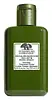 Key Ingredients
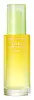
Benefits
Concerns
Ingredients Side-by-side
Water
Skin ConditioningButylene Glycol
Humectant

PEG-4
HumectantCitrus Aurantium Dulcis Oil
Masking
Lavandula Angustifolia Oil
Masking



Pogostemon Cablin Leaf Oil
Masking
Citrus Nobilis Peel Oil
Masking
Pelargonium Graveolens Flower Oil
Masking
Boswellia Carterii Oil
Masking
Limonene
Perfuming

Linalool
Perfuming
Citronellol
Perfuming
Geraniol
Perfuming
Ganoderma Lucidum Extract
Skin Protecting
Fuscoporia Obliqua Sclerotium Extract
Skin ConditioningCordyceps Sinensis Extract
Antioxidant
Ergothioneine
Antioxidant

Camelina Sativa Seed Oil
Skin Conditioning
Lactobacillus Ferment
Skin Conditioning
Hippophae Rhamnoides Extract
MaskingZingiber Officinale Root Extract
Masking
Curcuma Longa Root Extract
Masking
Ocimum Sanctum Leaf Extract
Skin ConditioningHelianthus Annuus Seed Oil
Emollient
Silybum Marianum Fruit Extract
Skin Conditioning
Saccharomyces Lysate Extract
Humectant
Centella Asiatica Extract
Cleansing

Hypnea Musciformis Extract
Skin ProtectingCaffeine
Skin Conditioning
Sucrose
Humectant
Salvia Sclarea Extract
AntiseborrhoeicSaccharomyces Ferment Filtrate
Humectant
PEG-40 Hydrogenated Castor Oil
Emulsifying
Gelidiella Acerosa Extract
Skin ProtectingTrideceth-9
EmulsifyingGlycerin
Humectant
Glycereth-26
Humectant
Polysorbate 20
Emulsifying
Sodium Hyaluronate
Humectant
Tocopheryl Acetate
Antioxidant

Maltodextrin
Absorbent
Pentylene Glycol
Skin Conditioning
Sodium Hydroxide
BufferingCitric Acid
Buffering
Potassium Sorbate
Preservative
Phenoxyethanol
Preservative
Water, Butylene Glycol, PEG-4, Citrus Aurantium Dulcis Oil, Lavandula Angustifolia Oil, Pogostemon Cablin Leaf Oil, Citrus Nobilis Peel Oil, Pelargonium Graveolens Flower Oil, Boswellia Carterii Oil, Limonene, Linalool, Citronellol, Geraniol, Ganoderma Lucidum Extract, Fuscoporia Obliqua Sclerotium Extract, Cordyceps Sinensis Extract, Ergothioneine, Camelina Sativa Seed Oil, Lactobacillus Ferment, Hippophae Rhamnoides Extract, Zingiber Officinale Root Extract, Curcuma Longa Root Extract, Ocimum Sanctum Leaf Extract, Helianthus Annuus Seed Oil, Silybum Marianum Fruit Extract, Saccharomyces Lysate Extract, Centella Asiatica Extract, Hypnea Musciformis Extract, Caffeine, Sucrose, Salvia Sclarea Extract, Saccharomyces Ferment Filtrate, PEG-40 Hydrogenated Castor Oil, Gelidiella Acerosa Extract, Trideceth-9, Glycerin, Glycereth-26, Polysorbate 20, Sodium Hyaluronate, Tocopheryl Acetate, Maltodextrin, Pentylene Glycol, Sodium Hydroxide, Citric Acid, Potassium Sorbate, Phenoxyethanol
Citrus Tangerina Extract
TonicButylene Glycol
Humectant
Niacinamide
Smoothing



Dipropylene Glycol
HumectantMethyl Gluceth-20
Humectant
Water
Skin Conditioning1,2-Hexanediol
Skin Conditioning
Glycereth-26
Humectant
Arbutin
Antioxidant
Chondrus Crispus Extract
Skin Conditioning
Saccharum Officinarum Extract
MoisturisingHydrolyzed Jojoba Esters
Skin Conditioning
Sodium Hyaluronate
Humectant
Citrus Aurantium Bergamia Fruit Oil
Masking
Melia Azadirachta Flower Extract
Skin ConditioningOcimum Sanctum Leaf Extract
Skin ConditioningMelia Azadirachta Leaf Extract
Skin ConditioningCurcuma Longa Root Extract
Masking
Corallina Officinalis Extract
Skin Conditioning
Lavandula Angustifolia Oil
Masking
Citrus Limon Peel Oil
Masking
Cananga Odorata Flower Oil
Masking
Citrus Aurantium Dulcis Peel Oil
Masking
Eucalyptus Globulus Leaf Extract
Perfuming
Glycyrrhiza Uralensis Root Extract
Skin Conditioning
Anthemis Nobilis Flower Extract
Masking
Camellia Sinensis Leaf Extract
Antimicrobial
Centella Asiatica Extract
Cleansing
Rosmarinus Officinalis Leaf Extract
AntimicrobialPolygonum Cuspidatum Root Extract
Antioxidant
Centella Asiatica Leaf Extract
Skin Conditioning
Ammonium Acryloyldimethyltaurate/Vp Copolymer
Panthenol
Skin Conditioning
Choleth-24
EmulsifyingTromethamine
BufferingEthylhexylglycerin
Skin ConditioningAllantoin
Skin Conditioning
Tocopheryl Acetate
Antioxidant
Adenosine
Skin Conditioning
Sodium Phytate
Ascorbyl Glucoside
Antioxidant
Dipotassium Glycyrrhizate
Humectant
Glycerin
Humectant
Madecassoside
Antioxidant
Maltodextrin
Absorbent
Saccharide Hydrolysate
HumectantTocopherol
Antioxidant
Asiaticoside
Antioxidant
Carbomer
Emulsion StabilisingXanthan Gum
EmulsifyingLimonene
Perfuming
Linalool
Perfuming
Citrus Tangerina Extract, Butylene Glycol, Niacinamide, Dipropylene Glycol, Methyl Gluceth-20, Water, 1,2-Hexanediol, Glycereth-26, Arbutin, Chondrus Crispus Extract, Saccharum Officinarum Extract, Hydrolyzed Jojoba Esters, Sodium Hyaluronate, Citrus Aurantium Bergamia Fruit Oil, Melia Azadirachta Flower Extract, Ocimum Sanctum Leaf Extract, Melia Azadirachta Leaf Extract, Curcuma Longa Root Extract, Corallina Officinalis Extract, Lavandula Angustifolia Oil, Citrus Limon Peel Oil, Cananga Odorata Flower Oil, Citrus Aurantium Dulcis Peel Oil, Eucalyptus Globulus Leaf Extract, Glycyrrhiza Uralensis Root Extract, Anthemis Nobilis Flower Extract, Camellia Sinensis Leaf Extract, Centella Asiatica Extract, Rosmarinus Officinalis Leaf Extract, Polygonum Cuspidatum Root Extract, Centella Asiatica Leaf Extract, Ammonium Acryloyldimethyltaurate/Vp Copolymer, Panthenol, Choleth-24, Tromethamine, Ethylhexylglycerin, Allantoin, Tocopheryl Acetate, Adenosine, Sodium Phytate, Ascorbyl Glucoside, Dipotassium Glycyrrhizate, Glycerin, Madecassoside, Maltodextrin, Saccharide Hydrolysate, Tocopherol, Asiaticoside, Carbomer, Xanthan Gum, Limonene, Linalool
Reviews
Ingredients Explained
These ingredients are found in both products.
Ingredients higher up in an ingredient list are typically present in a larger amount.
Butylene Glycol (or BG) is used within cosmetic products for a few different reasons:
Overall, Butylene Glycol is a safe and well-rounded ingredient that works well with other ingredients.
Though this ingredient works well with most skin types, some people with sensitive skin may experience a reaction such as allergic rashes, closed comedones, or itchiness.
Learn more about Butylene GlycolCentella Asiatica Extract (Centella) is one of the most researched botanical extracts in skincare with decades of studies backing its effects on inflammation, collagen, and the skin barrier.
That research keeps pointing back to the same four triterpenoid saponins: Asiaticoside, Madecassoside, Asiatic Acid, and Madecassic Acid.
These compounds allow centella to dial back inflammation, encourage the skin to build and hold onto collagen, support the barrier and hydration, and bring solid antioxidant activity to protect against signs of aging.
Centella also carries a nice supporting cast of Vitamin A, vitamin C, several B vitamins, and amino acids. Put it all together and you get an ingredient that soothes, hydrates, and protects, all at once.
Most of centella's magic comes from the four big compounds (Asiaticoside, Madecassoside, Asiatic Acid, and Madecassic Acid). These are the actives doing the heavy lifting in almost every centella study.
Here is the short version of what they do in the skin:
So it is not just soothing for the sake of soothing. Centella calms the skin AND helps it rebuild.
Just FYI, not all centella on an ingredient list is the same. What you are getting actually depends on the extract:
Fun fact on the ratios: the leaves tend to be richest in Madecassoside and Asiaticoside, and lower in the two acids. The exact amounts shift with where the plant is grown and how it is processed. This means purity really does vary brand to brand.
Centella is one of the most easygoing actives out there.
It layers well with basically everything: niacinamide, hyaluronic acid, peptides, and vitamin C, and also pairs nicely with stronger actives like retinoids and exfoliating acids where it can help take the edge off irritation.
On the safety side, centella and its triterpenes are classified as weak sensitizers, meaning allergic reactions are possible but uncommon.
Patch tests at 1% and 5% came back negative in test panels, and creams at typical use levels did not cause allergic reactions across large groups of people.
But as with any new active, a patch test is still a smart move for very reactive skin.
Centella is widely used because it is effective at low percentages. For context, human safety testing found no meaningful irritation from creams containing centella extract at everyday use levels (the tested amounts were well under 1%).
The irritancy threshold in animal testing was also above 30% (so real-world formulas sit far below anything concerning).
In collagen lab studies, higher concentrations drove more collagen synthesis, so serums built around centella tend to feature it more prominently.
Bottom line: you will find centella working nicely anywhere from a fraction of a percent up to hero-ingredient levels depending on whether it is a supporting soother or the main event.
Fun fact: Centella has been used as a medicine and in food for many centuries. As a medicine, it is used to treat burns, scratches, and wounds.
Learn more about Centella Asiatica ExtractCurcuma Longa Root Extract is from the spice, turmeric. Besides being a healthy and delicious spice, turmeric also has plenty of skincare benefits. It has anti-inflammatory, antioxidant, and anti-microbial properties.
Turmeric contains curcumin, an antioxidant. Antioxidants help neutralize unstable free-radical molecules. Free-radical molecules may damage your skin's cells and DNA. Curcumin may help with anti-aging.
Curcumin also has anti-inflammatory properties and can help soothe skin and reduce irritation. On top of that, curcumin has been shown to help prevent hyperpigmentation from sun damage.
The anti-microbial property of turmeric can make it effective in treating acne. This property has also been shown to help regulate the production of sebum.
Learn more about Curcuma Longa Root ExtractGlycereth-26 is a synthetic ingredient and polyethylene glycol ether of Glycerin. Glycerin is already naturally found in your skin and helps keep your skin moisturized.
It is a humectant and helps add texture to products. It can make your product thicker.
As a humectant, it helps draw moisture from the air to your skin. This helps your skin stay hydrated.
Learn more about Glycereth-26Glycerin (or glycerol) is a compound naturally found in your skin. It's a powerhouse humectant that pulls water into the stratum corneum.
Topically, glycerin does several things at once:
Your skin makes glycerin on its own (mostly from sebaceous oil breakdown) and shuttles it to your outermost layer of skin, or your epidermis, via aquaporin-3.
Aquaporin-3 is a transporter that is essential for normal skin hydration, elasticity, and repair. Interestingly, mice lacking in AQP3 have dry and less elastic skin that can be fully corrected with glycerin.
This ingredient is non-irritating, plays well with almost every ingredient, and works across all skin types. Typical use is anywhere between 3-10% but can go up to 79% in some leave-on products.
Just know very high concentrations (>40%) can feel tacky in low humidity.
Glycerin is the name for this ingredient in American English. British English uses Glycerol/Glycerine.
Learn more about GlycerinLavandula Angustifolia Oil is more commonly known as lavender essential oil. It is considered a fragrancing ingredient.
Lavender imparts a famous scent. While the smell is lovely, this ingredient and may sensitize skin in topical products. This is because about 85% of the oil is made up of linalool and linalyl acetate.
When exposed to air, these two compounds become strong allergens. This ingredient exhibits cytotoxicity at low concentrations; amounts of 0.25% have been shown to damage skin cells.
A study from Japan found this ingredient caused lavender sensitivity after widespread exposure.
Lavender essential oil has some antimicrobial, antibacterial, and anti-inflammatory properties. However, the cons of this ingredient may outweight the pros.
More research is needed to confirm lavender essential oil's effects when used in aromatherapy.
Lavandula Angustifolia is known as the English Lavender and famous for creating purple fields in Provence, France.
Learn more about Lavandula Angustifolia OilLimonene is a fragrance that adds scent and taste to a formulation.
It's found in the peel oil of citrus fruits and other plants such as lavender and eucalyptus. The scent of limonene is generally described as "sweet citrus".
Limonene acts as an antioxidant, meaning it helps neutralize free radicals.
When exposed to air, oxidized limonene may sensitize the skin. Because of this, limonene is often avoided by people with sensitive skin.
The term 'fragrance' is not regulated in many countries. In many cases, it is up to the brand to define this term. For instance, many brands choose to label themselves as "fragrance-free" because they are not using synthetic fragrances. However, their products may still contain ingredients such as essential oils that are considered a fragrance.
Learn more about LimoneneLinalool is a fragrance and helps add scent to products. It's derived from common plants such as cinnamon, mint, citrus, and lavender.
Like Limonene, this ingredient oxidizes when exposed to air. Oxidized linalool can cause allergies and skin sensitivity.
This ingredient has a scent that is floral, spicy tropical, and citrus-like.
Learn more about LinaloolMaltodextrin is a plant-derived carbohydrate made by breaking down starch (usually from corn, potato, or rice). In cosmetic formulas, it's a multitasking absorbent, emulsion stabilizer, and skin conditioner.
This ingredient is mostly used to stabilize emulsions and improve the powdery, non-greasy feel of products (like dry shampoos).
Safety-wise, this ingredient is pretty solid; it's even recognized as a food additive. Both animal and clinical studies found no adverse effects at the levels used in cosmetics.
Industry data shows this ingredient is used up to 45.7% in spray products and up to 33% in powder products.
Learn more about MaltodextrinOcimum Sanctum Leaf Extract comes from the Holy Basil plant. Holy Basil is native to India.
Holy Basil is rich in antioxidants due to its high romarinic acid, ferulic acid, and rutin content. This gives it skin brightening and soothing properties.
While Holy Basil has many claims to help fight acne, more research is needed.
One thing to note is the presence of tannins; tannins are naturally found in nature. However, this compound may be skin-sensitizing.
Learn more about Ocimum Sanctum Leaf ExtractSodium Hyaluronate is the salt form of hyaluronic acid. It is a long sugar chain that is naturally found in your skin, joints, and connective tissue that maintains hydration and elasticity.
In skincare, it works as a humectant. It pulls water from the environment and deeper layers of skin and binds it to the surface.
Interestingly, the size of the molecule affects its behavior:
Some clinical evidence links low molecular weight versions to improved wrinkle depth, elasticity, anti-inflammatory effects, and barrier repair.
Many serums use a blend of both weights so you can get surface hydration plus longer-lasting and deeper effects.
You'll typically see concentrations between 0.1-2% for this ingredient.
Learn more about Sodium HyaluronateTocopheryl Acetate is a stable, shelf-friendly form of vitamin E.
Formulators love it because plain vitamin E oxidizes quickly once it hits air. This acetate version stays stable and resists going off, helping to extend a product's shelf life.
It's actually inactive on its own and works like a slow-release "storage" form; the enzymes in your skin called esterases gradually convert it into active vitamin E over time.
One in vivo study showed 5% of the acetate in the living layer of the epidermis converted to vitamin E after 5 days of application. This study also found the skin gained protection against UV damage even though the conversion was slow and small.
Once converted, vitamin E acts as a skin's main fat-soluble antioxidant that fights free radicals to protect skin from damage.
Topical vitamin E generally boosts the skin's photoprotection, and it reduced UV-damage in animal models.
This ingredient has some brightening potential but it's more of a prevention ingredient than spot-fader. Cell studies show it can slow down melanin production but it's worth noting that it's not the most powerful brightener out there.
Overall, it has a pretty solid safety profile and has been found to be non-irritating and non-comedogenic. Allergic reactions may happen but stay rare due to how widely the ingredient gets used.
The concentration will vary depending on the formula; industry data shows 0.1% in baby lotions, 3% in lipsticks, and 5% in foot powders. You can also find this ingredient at 100% in a pure vitamin E oil.
Most leave-on skincare keeps it at the lower end, often between 0.5-1%.
Learn more about Tocopheryl AcetateWater. It's the most common cosmetic ingredient of all. You'll usually see it at the top of ingredient lists, meaning that it makes up the largest part of the product.
So why is it so popular? Water most often acts as a solvent - this means that it helps dissolve other ingredients into the formulation.
You'll also recognize water as that liquid we all need to stay alive. If you see this, drink a glass of water. Remember to stay hydrated!
Learn more about Water

