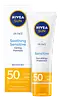
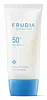
Nivea Sun Soothing Sensitive Sun Lotion SPF50+ Versus Frudia Ultra UV Shield Sun Essence SPF50+ PA++++
This chemical sunscreen covers the full UV range and blocks ~98% of UVB at SPF 50.
This hybrid sunscreen covers the full UV range and blocks ~98% of UVB at SPF 50.


What's inside
What's inside
 Key Ingredients
Benefits
Concerns
Ingredients Side-by-side
Water
Skin ConditioningHomosalate
Skin Conditioning

Alcohol Denat.
Antimicrobial




Butyl Methoxydibenzoylmethane
UV Absorber
Bis-Ethylhexyloxyphenol Methoxyphenyl Triazine
UV Absorber
Hexyl Salicylate
Masking

Dibutyl Adipate
EmollientEthylhexyl Triazone
UV Absorber
Copernicia Cerifera Wax

Panthenol
Skin Conditioning




Glycerin
Humectant
Silica
Abrasive


Vp/Hexadecene Copolymer
Microcrystalline Cellulose
AbsorbentSucrose Polystearate
EmollientTetrasodium Iminodisuccinate
Cellulose Gum
Emulsion StabilisingButylene Glycol Dicaprylate/Dicaprate
EmollientDistarch Phosphate
AbsorbentPhenylbenzimidazole Sulfonic Acid
UV Absorber
Polyglyceryl-4 Isostearate
Emulsifying
Acrylates/C10-30 Alkyl Acrylate Crosspolymer
Emulsion StabilisingSodium Stearoyl Glutamate
CleansingEthylhexylglycerin
Skin ConditioningCaprylyl Glycol
Emollient
Hydrogenated Polyisobutene
EmollientTrisodium EDTA
Xanthan Gum
EmulsifyingSodium Hydroxide
BufferingSimmondsia Chinensis Seed Oil
Emollient
Tocopheryl Acetate
Antioxidant


Aloe Barbadensis Leaf Juice Powder
Skin Conditioning
Sodium Chloride
MaskingWater, Homosalate, Alcohol Denat., Butyl Methoxydibenzoylmethane, Bis-Ethylhexyloxyphenol Methoxyphenyl Triazine, Hexyl Salicylate, Dibutyl Adipate, Ethylhexyl Triazone, Copernicia Cerifera Wax, Panthenol, Glycerin, Silica, Vp/Hexadecene Copolymer, Microcrystalline Cellulose, Sucrose Polystearate, Tetrasodium Iminodisuccinate, Cellulose Gum, Butylene Glycol Dicaprylate/Dicaprate, Distarch Phosphate, Phenylbenzimidazole Sulfonic Acid, Polyglyceryl-4 Isostearate, Acrylates/C10-30 Alkyl Acrylate Crosspolymer, Sodium Stearoyl Glutamate, Ethylhexylglycerin, Caprylyl Glycol, Hydrogenated Polyisobutene, Trisodium EDTA, Xanthan Gum, Sodium Hydroxide, Simmondsia Chinensis Seed Oil, Tocopheryl Acetate, Aloe Barbadensis Leaf Juice Powder, Sodium Chloride
Water
Skin ConditioningPropanediol
Solvent
Ethylhexyl Methoxycinnamate
UV Absorber
Dibutyl Adipate
EmollientDiethylamino Hydroxybenzoyl Hexyl Benzoate
UV Filter
C12-15 Alkyl Benzoate
AntimicrobialNiacinamide
Smoothing




Titanium Dioxide
Cosmetic Colorant
Polyglyceryl-2 Stearate
Emulsifying
Cetyl Alcohol
Emollient
Ethylhexyl Triazone
UV Absorber
Cyclopentasiloxane
Emollient
Stearyl Alcohol
Emollient
Silica
Abrasive
Glyceryl Stearate
Emollient
Cetearyl Olivate
Polysorbate 60
Emulsifying
Glyceryl Caprylate
EmollientAluminum Hydroxide
EmollientHydroxyethyl Acrylate/Sodium Acryloyldimethyl Taurate Copolymer
Emulsion StabilisingSorbitan Olivate
Emulsifying
Polyhydroxystearic Acid
Emulsifying
Methicone
Emollient
Myristyl Alcohol
Emollient

Adenosine
Skin Conditioning
Sorbitan Isostearate
Emulsifying
Lauryl Alcohol
Emollient
Sodium Hyaluronate
Humectant
Vaccinium Angustifolium Fruit Extract
Skin Protecting
Butylene Glycol
Humectant
Malpighia Emarginata Fruit Extract
Skin ConditioningCoco-Caprylate/Caprate
Emollient
Vitis Vinifera Seed Oil
Emollient
Prunus Armeniaca Kernel Oil
Masking
Propylene Glycol
Humectant
Biosaccharide Gum-4
Skin Conditioning
Salix Alba Bark Extract
Astringent
Origanum Vulgare Leaf Extract
Skin ConditioningMangifera Indica Fruit Extract
Skin ConditioningHyaluronic Acid
Humectant
Garcinia Mangostana Peel Extract
Skin ConditioningChamaecyparis Obtusa Leaf Extract
Skin ConditioningSolanum Lycopersicum Seed Oil
Emollient
Scutellaria Baicalensis Root Extract
Astringent
Punica Granatum Seed Oil
Emollient
Portulaca Oleracea Extract
Skin Conditioning
Mangifera Indica Seed Oil
Emollient
Lactobacillus/Soybean Ferment Extract
Skin ConditioningCitrus Paradisi Seed Oil
Perfuming
Cinnamomum Cassia Bark Extract
Masking
Tocopherol
Antioxidant
Tocopheryl Acetate
Antioxidant
Disodium EDTA
Ethylhexylglycerin
Skin Conditioning1,2-Hexanediol
Skin Conditioning
Phenoxyethanol
Preservative
Chlorphenesin
Antimicrobial
Parfum
Masking
Water, Propanediol, Ethylhexyl Methoxycinnamate, Dibutyl Adipate, Diethylamino Hydroxybenzoyl Hexyl Benzoate, C12-15 Alkyl Benzoate, Niacinamide, Titanium Dioxide, Polyglyceryl-2 Stearate, Cetyl Alcohol, Ethylhexyl Triazone, Cyclopentasiloxane, Stearyl Alcohol, Silica, Glyceryl Stearate, Cetearyl Olivate, Polysorbate 60, Glyceryl Caprylate, Aluminum Hydroxide, Hydroxyethyl Acrylate/Sodium Acryloyldimethyl Taurate Copolymer, Sorbitan Olivate, Polyhydroxystearic Acid, Methicone, Myristyl Alcohol, Adenosine, Sorbitan Isostearate, Lauryl Alcohol, Sodium Hyaluronate, Vaccinium Angustifolium Fruit Extract, Butylene Glycol, Malpighia Emarginata Fruit Extract, Coco-Caprylate/Caprate, Vitis Vinifera Seed Oil, Prunus Armeniaca Kernel Oil, Propylene Glycol, Biosaccharide Gum-4, Salix Alba Bark Extract, Origanum Vulgare Leaf Extract, Mangifera Indica Fruit Extract, Hyaluronic Acid, Garcinia Mangostana Peel Extract, Chamaecyparis Obtusa Leaf Extract, Solanum Lycopersicum Seed Oil, Scutellaria Baicalensis Root Extract, Punica Granatum Seed Oil, Portulaca Oleracea Extract, Mangifera Indica Seed Oil, Lactobacillus/Soybean Ferment Extract, Citrus Paradisi Seed Oil, Cinnamomum Cassia Bark Extract, Tocopherol, Tocopheryl Acetate, Disodium EDTA, Ethylhexylglycerin, 1,2-Hexanediol, Phenoxyethanol, Chlorphenesin, Parfum
Reviews
Ingredients Explained
These ingredients are found in both products.
Ingredients higher up in an ingredient list are typically present in a larger amount.
Dibutyl Adipate is a lightweight, oil-soluble ester that acts as an emollient and solvent. It helps products spread more easily and leaves a soft, silky, dry-touch finish without being greasy.
You'll likely see this ingredient in sunscreens because it does a nice job dissolving UV filters and keeping them evenly distributed.
This ingredient has been found to be safe as used in cosmetics, wasn't a skin or eye irritant in clinical patch testing, and wasn't phototoxic.
In a clinical comedogenicity test, this ingredient tested negative so it isn't likely to clog pores.
Typical use levels are about 5-8% for sunscreens + nail products, but can range from 0.005%-8% depending on the product.
Learn more about Dibutyl AdipateEthylhexyl Triazone (aka Octyl Triazone) is an oil-soluble organic UVB filter. It has peak absorption around 314 nm, right in the middle of the UVB range.
This ingredient is described as one of the most effective UVB filters available and small concentrations are enough to deliver a high SPF thanks to its strong UV absorbing power.
Formulators love it for its stability; its ability to filter UV stays practically unchanged even under intense radiation and it can also help boost the photostability of less stable filters like avobenzone.
It's also a great pick for water resistant products because it's insoluble in water and has a good affinity for keratin.
Because it's a big, heavy molecule, the European Scientific Committee has found to to have very low dermal penetration and negative results for allergenicity.
In vitro testing also showed a low absorption rate and clean results on irritation.
Typical use levels are 1-5% with 5% being the maximum in the EU, Japan, and other markets that allow it. However, this ingredient is not approved yet in the US or Canada.
Learn more about Ethylhexyl TriazoneEthylhexylglycerin is created from glycerin. It is a multitasker ingredient that:
The CIR Expert Panel found minimal skin absorption or sensitization of any kind in a safety assessment. Though this ingredient is considered well-tolerated, a small number of cases of allergic dermatitis have been published since 2002. Just be sure to patch test if you are unsure.
Industry-reported use ranges from 8% in rinse-off products and 2% in leave-on formulations.
Learn more about EthylhexylglycerinSilica, also known as silicon dioxide, is a naturally occurring mineral. It is used as a fine, spherical, and porous powder in cosmetics.
Though it has exfoliant properties, the function of silica varies depending on the product.
The unique structure of silica enhances the spreadability and adds smoothness, making it a great texture enhancer.
It is also used as an active carrier, emulsifier, and mattifier due to its ability to absorb excess oil.
In some products, tiny microneedles called spicules are made from silica or hydrolyzed sponge. When you rub them in, they lightly polish away dead skin layers and enhance the penetration of active ingredients.
Learn more about SilicaTocopheryl Acetate is a stable, shelf-friendly form of vitamin E.
Formulators love it because plain vitamin E oxidizes quickly once it hits air. This acetate version stays stable and resists going off, helping to extend a product's shelf life.
It's actually inactive on its own and works like a slow-release "storage" form; the enzymes in your skin called esterases gradually convert it into active vitamin E over time.
One in vivo study showed 5% of the acetate in the living layer of the epidermis converted to vitamin E after 5 days of application. This study also found the skin gained protection against UV damage even though the conversion was slow and small.
Once converted, vitamin E acts as a skin's main fat-soluble antioxidant that fights free radicals to protect skin from damage.
Topical vitamin E generally boosts the skin's photoprotection, and it reduced UV-damage in animal models.
This ingredient has some brightening potential but it's more of a prevention ingredient than spot-fader. Cell studies show it can slow down melanin production but it's worth noting that it's not the most powerful brightener out there.
Overall, it has a pretty solid safety profile and has been found to be non-irritating and non-comedogenic. Allergic reactions may happen but stay rare due to how widely the ingredient gets used.
The concentration will vary depending on the formula; industry data shows 0.1% in baby lotions, 3% in lipsticks, and 5% in foot powders. You can also find this ingredient at 100% in a pure vitamin E oil.
Most leave-on skincare keeps it at the lower end, often between 0.5-1%.
Learn more about Tocopheryl AcetateWater. It's the most common cosmetic ingredient of all. You'll usually see it at the top of ingredient lists, meaning that it makes up the largest part of the product.
So why is it so popular? Water most often acts as a solvent - this means that it helps dissolve other ingredients into the formulation.
You'll also recognize water as that liquid we all need to stay alive. If you see this, drink a glass of water. Remember to stay hydrated!
Learn more about Water

