
What's inside
What's inside
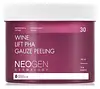 Key Ingredients
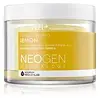
Benefits
Concerns
Ingredients Side-by-side
Water
Skin ConditioningDipropylene Glycol
HumectantGlycerin
Humectant


Diglycerin
Humectant
1,2-Hexanediol
Skin Conditioning
Polyglyceryl-10 Laurate
Skin Conditioning
Polyglycerin-3
Humectant
Gluconolactone
Skin Conditioning






Glyceryl Caprylate
EmollientTromethamine
BufferingVitis Vinifera Fruit Extract
Skin ConditioningEthylhexylglycerin
Skin ConditioningCarbomer
Emulsion StabilisingAdenosine
Skin Conditioning
Citrus Aurantium Bergamia Fruit Oil
Masking


Salicylic Acid
Masking




Wine Extract
Antioxidant
Lavandula Angustifolia Oil
Masking

Gardenia Florida Fruit Extract
Skin ConditioningAnthemis Nobilis Flower Oil
Masking
Dextrin
AbsorbentButylene Glycol
Humectant
Pelargonium Graveolens Flower Oil
Masking
Moringa Oleifera Seed Oil
Emollient
Xylitol
Humectant
Tartaric Acid
Buffering
Capryloyl Salicylic Acid
Exfoliating

Vitis Vinifera Fruit Water
Skin ConditioningLactic Acid
Buffering
Lactobacillus Ferment Lysate
Skin Conditioning
Glycolic Acid
Buffering
Mentha Viridis Leaf Oil
Astringent
Perilla Frutescens Leaf Extract
MaskingRose Flower Oil
Masking
Caprylic/Capric Triglyceride
Masking
Isopentyldiol
Humectant
Vaccinium Macrocarpon Fruit Extract
AstringentPanax Ginseng Berry Extract
Skin Conditioning
Fragaria Chiloensis Fruit Extract
Skin Conditioning
Rubus Idaeus Fruit Extract
AstringentVaccinium Angustifolium Fruit Extract
Skin Protecting
Cornus Officinalis Fruit Extract
Skin ConditioningEuterpe Oleracea Fruit Extract
Sambucus Nigra Fruit Extract
AstringentSchisandra Chinensis Fruit Extract
Skin Conditioning
Vaccinium Myrtillus Fruit Extract
Skin ConditioningAdansonia Digitata Seed Oil
Emollient
Hibiscus Sabdariffa Flower Extract
Skin ConditioningCeramide NP
Skin Conditioning
Hydrogenated Lecithin
Emulsifying
Phospholipids
Skin Conditioning
Maltodextrin
Absorbent
Xanthan Gum
EmulsifyingCaprylyl Glycol
Emollient
Collagen
Moisturising
Soluble Proteoglycan
Skin ConditioningPalmitoyl Tripeptide-5
Skin Conditioning
Resveratrol
Antioxidant
Cholesterol
Emollient
Tocopheryl Acetate
Antioxidant
Vitis Vinifera Seed Extract
Antimicrobial
Ceramide Ns
Skin Conditioning
Ceramide As
Skin Conditioning
Propanediol
Solvent
Acetyl Hexapeptide-8
Humectant
Ceramide EOP
Skin Conditioning
Ceramide AP
Skin Conditioning
Glucose
Humectant
Sodium Hyaluronate
Humectant
Arginine
Masking
Hyaluronic Acid
Humectant
Chondrus Crispus Extract
Skin Conditioning
Oligopeptide-1
Skin Conditioning
Phytosterols
Skin Conditioning
Bifida Ferment Lysate
Skin Conditioning
Hydroxypropyltrimonium Hyaluronate
Streptococcus Thermophilus Ferment
Humectant
Crocus Sativus Flower Extract
MaskingHydrolyzed Hyaluronic Acid
Humectant
Sodium Acetylated Hyaluronate
Humectant
Sodium Hyaluronate Crosspolymer
Humectant
Hydrolyzed Sodium Hyaluronate
Skin Conditioning
Potassium Hyaluronate
Skin ConditioningLimonene
Perfuming
Linalool
Perfuming
Water, Dipropylene Glycol, Glycerin, Diglycerin, 1,2-Hexanediol, Polyglyceryl-10 Laurate, Polyglycerin-3, Gluconolactone, Glyceryl Caprylate, Tromethamine, Vitis Vinifera Fruit Extract, Ethylhexylglycerin, Carbomer, Adenosine, Citrus Aurantium Bergamia Fruit Oil, Salicylic Acid, Wine Extract, Lavandula Angustifolia Oil, Gardenia Florida Fruit Extract, Anthemis Nobilis Flower Oil, Dextrin, Butylene Glycol, Pelargonium Graveolens Flower Oil, Moringa Oleifera Seed Oil, Xylitol, Tartaric Acid, Capryloyl Salicylic Acid, Vitis Vinifera Fruit Water, Lactic Acid, Lactobacillus Ferment Lysate, Glycolic Acid, Mentha Viridis Leaf Oil, Perilla Frutescens Leaf Extract, Rose Flower Oil, Caprylic/Capric Triglyceride, Isopentyldiol, Vaccinium Macrocarpon Fruit Extract, Panax Ginseng Berry Extract, Fragaria Chiloensis Fruit Extract, Rubus Idaeus Fruit Extract, Vaccinium Angustifolium Fruit Extract, Cornus Officinalis Fruit Extract, Euterpe Oleracea Fruit Extract, Sambucus Nigra Fruit Extract, Schisandra Chinensis Fruit Extract, Vaccinium Myrtillus Fruit Extract, Adansonia Digitata Seed Oil, Hibiscus Sabdariffa Flower Extract, Ceramide NP, Hydrogenated Lecithin, Phospholipids, Maltodextrin, Xanthan Gum, Caprylyl Glycol, Collagen, Soluble Proteoglycan, Palmitoyl Tripeptide-5, Resveratrol, Cholesterol, Tocopheryl Acetate, Vitis Vinifera Seed Extract, Ceramide Ns, Ceramide As, Propanediol, Acetyl Hexapeptide-8, Ceramide EOP, Ceramide AP, Glucose, Sodium Hyaluronate, Arginine, Hyaluronic Acid, Chondrus Crispus Extract, Oligopeptide-1, Phytosterols, Bifida Ferment Lysate, Hydroxypropyltrimonium Hyaluronate, Streptococcus Thermophilus Ferment, Crocus Sativus Flower Extract, Hydrolyzed Hyaluronic Acid, Sodium Acetylated Hyaluronate, Sodium Hyaluronate Crosspolymer, Hydrolyzed Sodium Hyaluronate, Potassium Hyaluronate, Limonene, Linalool
Water
Skin ConditioningButylene Glycol
Humectant
Glycerin
Humectant
Citrus Limon Fruit Extract
Masking
Phenoxyethanol
Preservative
Ethylhexylglycerin
Skin ConditioningAlcohol Denat.
Antimicrobial
PEG/PPG-17/6 Copolymer
SolventSodium Hyaluronate
Humectant
Melissa Officinalis Leaf Extract
Skin ConditioningCymbopogon Citratus Extract
Skin ConditioningCitrus Unshiu Peel Extract
Masking
Citrus Aurantium Dulcis Fruit Extract
MaskingCarica Papaya Fruit Extract
Skin ConditioningTricholoma Matsutake Extract
Skin ConditioningCordyceps Sinensis Extract
Antioxidant
Citrus Paradisi Fruit Extract
Skin ConditioningPisum Sativum Extract
Skin ConditioningGlycine Soja Seed Extract
Skin Conditioning
Vitis Vinifera Fruit Extract
Skin ConditioningSaururus Chinensis Leaf/Root Extract
Antimicrobial
Arnica Montana Flower Extract
Masking
Artemisia Absinthium Extract
Skin ConditioningBroussonetia Kazinoki Bark Extract
Skin ConditioningCoptis Chinensis Root Extract
Antioxidant
PEG-60 Hydrogenated Castor Oil
Emulsifying
Carbomer
Emulsion StabilisingTartaric Acid
Buffering
Glycolic Acid
Buffering
Lactic Acid
Buffering
Tromethamine
BufferingDisodium EDTA
Benzophenone-5
UV Absorber
CI 19140
Cosmetic ColorantCI 17200
Cosmetic ColorantParfum
Masking
Water, Butylene Glycol, Glycerin, Citrus Limon Fruit Extract, Phenoxyethanol, Ethylhexylglycerin, Alcohol Denat., PEG/PPG-17/6 Copolymer, Sodium Hyaluronate, Melissa Officinalis Leaf Extract, Cymbopogon Citratus Extract, Citrus Unshiu Peel Extract, Citrus Aurantium Dulcis Fruit Extract, Carica Papaya Fruit Extract, Tricholoma Matsutake Extract, Cordyceps Sinensis Extract, Citrus Paradisi Fruit Extract, Pisum Sativum Extract, Glycine Soja Seed Extract, Vitis Vinifera Fruit Extract, Saururus Chinensis Leaf/Root Extract, Arnica Montana Flower Extract, Artemisia Absinthium Extract, Broussonetia Kazinoki Bark Extract, Coptis Chinensis Root Extract, PEG-60 Hydrogenated Castor Oil, Carbomer, Tartaric Acid, Glycolic Acid, Lactic Acid, Tromethamine, Disodium EDTA, Benzophenone-5, CI 19140, CI 17200, Parfum
Reviews
Ingredients Explained
These ingredients are found in both products.
Ingredients higher up in an ingredient list are typically present in a larger amount.
Butylene Glycol (or BG) is used within cosmetic products for a few different reasons:
Overall, Butylene Glycol is a safe and well-rounded ingredient that works well with other ingredients.
Though this ingredient works well with most skin types, some people with sensitive skin may experience a reaction such as allergic rashes, closed comedones, or itchiness.
Learn more about Butylene GlycolCarbomer is a high-molecular weight polymer of acrylic acid. It is used to form gels and thicken formulas.
Due to its large molecular size, carbomer has minimal skin penetration and is considered an inert ingredient.
A high amount of carbomer can cause pilling or balling up of products. Don't worry, most products contain 1% or less of carbomer.
Learn more about CarbomerEthylhexylglycerin is created from glycerin. It is a multitasker ingredient that:
The CIR Expert Panel found minimal skin absorption or sensitization of any kind in a safety assessment. Though this ingredient is considered well-tolerated, a small number of cases of allergic dermatitis have been published since 2002. Just be sure to patch test if you are unsure.
Industry-reported use ranges from 8% in rinse-off products and 2% in leave-on formulations.
Learn more about EthylhexylglycerinGlycerin (or glycerol) is a compound naturally found in your skin. It's a powerhouse humectant that pulls water into the stratum corneum.
Topically, glycerin does several things at once:
Your skin makes glycerin on its own (mostly from sebaceous oil breakdown) and shuttles it to your outermost layer of skin, or your epidermis, via aquaporin-3.
Aquaporin-3 is a transporter that is essential for normal skin hydration, elasticity, and repair. Interestingly, mice lacking in AQP3 have dry and less elastic skin that can be fully corrected with glycerin.
This ingredient is non-irritating, plays well with almost every ingredient, and works across all skin types. Typical use is anywhere between 3-10% but can go up to 79% in some leave-on products.
Just know very high concentrations (>40%) can feel tacky in low humidity.
Glycerin is the name for this ingredient in American English. British English uses Glycerol/Glycerine.
Learn more about GlycerinGlycolic Acid is arguably the most famous alpha hydroxy acid (AHA) with tons of research backing its benefits.
It is found naturally in sugar cane but the form used in skincare is usually synthetic for purity and stability.
Glycolic acid removes the top layer of dead skin cells to allow newer and fresher ones to emerge.
AHAs work by breaking down the structural “glue” that holds old skin cells in place. When that buildup is gone, your skin can renew itself more efficiently.
Research also shows glycolic acid stimulates collagen production, helping to firm and thicken the skin over time. This is one of its biggest advantages over other AHAs.
Overall, glycolic acid helps with:
Fun fact: Glycolic acid boosts skin hydration by helping it produce molecules that increase hyaluronic acid naturally.
To work best, glycolic acid products should have a pH between 3-4 (that’s where exfoliation is most effective but still gentle on skin).
The pH and concentration of a product are key to its effectiveness:
It is normal to feel a slight stinging sensation when using glycolic acid. This usually fades as your skin adjusts.
Because glycolic acid has the smallest molecular size in the AHA family, it can penetrate deeper, which enhances its effectiveness but also makes it more likely to irritate sensitive skin.
If your skin is very sensitive or prone to rosacea, glycolic acid may be too strong; in that case, try milder options like lactic acid or a PHA instead.
Recent studies suggest glycolic acid might even help protect against UV damage. But don’t skip sunscreen! Freshly exfoliated skin is more sensitive to the sun.
Glycolic acid is a skincare superstar. It smooths, brightens, hydrates, and firms the skin. Unless you’re highly sensitive, it’s well worth adding to your routine.
Read more about some other popular AHA's here:
Learn more about Glycolic AcidLactic Acid is another well-loved alpha hydroxy acid (AHA). It is gentler than glycolic acid but still highly effective.
Its main role is to exfoliate the surface of the skin by loosening the “glue” that holds dead skin cells together. Shedding those old cells leads to smoother, softer, and more even-toned skin.
Because lactic acid molecules are larger than glycolic acid, they don’t penetrate as deeply. This means they’re less likely to sting or irritate, making it a great choice for beginners or those with sensitive skin.
Like glycolic acid, it can:
Lactic acid also acts as a humectant (like hyaluronic acid). It can draw water into the skin to improve hydration and also plays a role in the skin's natural moisturizing factor (NMF) in the form of sodium lactate.
Studies show it can boost ceramide production to strengthen the skin barrier and even help balance the skin’s microbiome.
To get results, choose products with a pH between 3-4.
Lower strengths (5-12%) focus on surface exfoliation; higher strengths (12% and up) can reach deeper in the dermis (deeper, supportive layer) to improve skin texture and firmness over time.
Though it was originally derived from milk, most modern lactic acid used in skincare is vegan. It is made through non-dairy fermentation to create a bio-identical and stable form suitable for all formulations.
When lactic acid shows up near the end of an ingredient list, it usually means the brand added just a tiny amount to adjust the product’s pH.
Legend has it that Cleopatra used to bathe in sour milk to help reduce wrinkles.
Lactic acid is truly a gentle multitasker: it exfoliates, hydrates, strengthens, and brightens. It's a great ingredient for giving your skin a smooth, glowing, and healthy look without the harshness of stronger acids.
Read more about some other popular AHA's here:
Learn more about Lactic AcidSodium Hyaluronate is the salt form of hyaluronic acid. It is a long sugar chain that is naturally found in your skin, joints, and connective tissue that maintains hydration and elasticity.
In skincare, it works as a humectant. It pulls water from the environment and deeper layers of skin and binds it to the surface.
Interestingly, the size of the molecule affects its behavior:
Some clinical evidence links low molecular weight versions to improved wrinkle depth, elasticity, anti-inflammatory effects, and barrier repair.
Many serums use a blend of both weights so you can get surface hydration plus longer-lasting and deeper effects.
You'll typically see concentrations between 0.1-2% for this ingredient.
Learn more about Sodium HyaluronateTartaric acid is an AHA with exfoliating and antioxidant properties. It is found in many fruits, such as tamarind, grapes, bananas, and avocados.
AHAs provide chemical exfoliation, helping to improve skin tone and texture.
Tartaric acid is not as well studied as other AHAs, such as glycolic acid.
Learn more about Tartaric AcidTromethamine helps balance the pH and improve the texture of a product. It is synthetically created.
As an emulsifier, Tromethamine prevents oil and water ingredients from separating. This helps stabilize the product and elongate a product's shelf life. Tromethamine also makes a product thicker.
Tromethamine helps balance the pH level of a product. Normal pH level of skin is slightly acidic (~4.75-5.5). The acidity of our skin is maintained by our glands and skin biome. Being slightly acidic allows our skin to create an "acid mantle". This acid mantle is a thin barrier that protects our skin from bacteria and contaminants.
Oral Tromethanmine is an anti-inflammatory drug but plays the role of masking, adding fragrance, and/or balancing pH in skincare.
1,3-Propanediol, 2-amino-2-(hydroxymethyl)-
Learn more about TromethamineVitis Vinifera Fruit Extract comes from grapes.
Grape extract has many skin benefits. It also contains many potent antioxidants such as Vitamin E , Vitamin C, proanthocyanidins, polyphenols, flavonoids, and anthocyanins. Antioxidants help protect skin. Proanthocyanidin have also been shown to help even out skin tone.
Grape extract also helps soothe and hydrate your skin.
Learn more about Vitis Vinifera Fruit ExtractWater. It's the most common cosmetic ingredient of all. You'll usually see it at the top of ingredient lists, meaning that it makes up the largest part of the product.
So why is it so popular? Water most often acts as a solvent - this means that it helps dissolve other ingredients into the formulation.
You'll also recognize water as that liquid we all need to stay alive. If you see this, drink a glass of water. Remember to stay hydrated!
Learn more about Water
