Naturium Multi-Peptide Moisturizer Versus Isomers Skincare Laboratories Ceramide Barrier Relief Protective Skin Cream
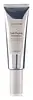
This anti-aging moisturizer is formulated around Palmitoyl Tripeptide-5 and Palmitoyl Tripeptide-1 to soften the look of wrinkles.
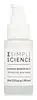
This barrier-repair moisturizer is formulated around Calophyllum Inophyllum Seed Oil and Urea to strengthen the skin barrier and hydrate skin.


What's inside
What's inside
 Key Ingredients
Benefits
Concerns
Ingredients Side-by-side
Water
Skin ConditioningGlycerin
Humectant


Dimethicone
Emollient
Simmondsia Chinensis Seed Oil
Emollient


Squalane
Emollient
Glyceryl Stearate
Emollient
Cetyl Alcohol
Emollient

Niacinamide
Smoothing








Stearyl Alcohol
Emollient
Palmitoyl Tripeptide-5
Skin Conditioning
Pantolactone
Humectant
Palmitoyl Tripeptide-1
Skin Conditioning
Palmitoyl Tetrapeptide-7
Skin Conditioning
Hydrolyzed Plukenetia Volubilis Seed Extract
Emulsion StabilisingDunaliella Salina Extract
Skin ConditioningSodium Hyaluronate
Humectant
3-O-Ethyl Ascorbic Acid
Skin Conditioning
Panthenol
Skin Conditioning
Caryodendron Orinocense Seed Oil
Emollient
Honokiol
Antioxidant
Magnolol
Antioxidant
Palmitic Acid
Emollient


Sorbitan Oleate
Emulsifying
Aluminum Starch Octenylsuccinate
Absorbent
Hydroxyacetophenone
Antioxidant
Stearic Acid
Cleansing
Acrylamide/Sodium Acryloyldimethyltaurate Copolymer
Emulsion StabilisingPolyglyceryl-6 Laurate
Emulsifying
1,2-Hexanediol
Skin Conditioning
Boron Nitride
Absorbent
Caprylyl Glycol
Emollient
Polyglyceryl-10 Oleate
Skin Conditioning
Isohexadecane
EmollientButylene Glycol
Humectant
Chlorphenesin
Antimicrobial
Acrylates/C10-30 Alkyl Acrylate Crosspolymer
Emulsion StabilisingTocopheryl Acetate
Antioxidant
Polysorbate 80
Emulsifying
Sorbitan Palmitate
Emulsifying
Sodium Hydroxide
BufferingSodium Benzoate
Masking
Carbomer
Emulsion StabilisingSodium Lactate
Buffering
Phenoxyethanol
Preservative
Polysorbate 20
Emulsifying
Citric Acid
Buffering
Ethylhexylglycerin
Skin ConditioningPotassium Sorbate
Preservative
Water, Glycerin, Dimethicone, Simmondsia Chinensis Seed Oil, Squalane, Glyceryl Stearate, Cetyl Alcohol, Niacinamide, Stearyl Alcohol, Palmitoyl Tripeptide-5, Pantolactone, Palmitoyl Tripeptide-1, Palmitoyl Tetrapeptide-7, Hydrolyzed Plukenetia Volubilis Seed Extract, Dunaliella Salina Extract, Sodium Hyaluronate, 3-O-Ethyl Ascorbic Acid, Panthenol, Caryodendron Orinocense Seed Oil, Honokiol, Magnolol, Palmitic Acid, Sorbitan Oleate, Aluminum Starch Octenylsuccinate, Hydroxyacetophenone, Stearic Acid, Acrylamide/Sodium Acryloyldimethyltaurate Copolymer, Polyglyceryl-6 Laurate, 1,2-Hexanediol, Boron Nitride, Caprylyl Glycol, Polyglyceryl-10 Oleate, Isohexadecane, Butylene Glycol, Chlorphenesin, Acrylates/C10-30 Alkyl Acrylate Crosspolymer, Tocopheryl Acetate, Polysorbate 80, Sorbitan Palmitate, Sodium Hydroxide, Sodium Benzoate, Carbomer, Sodium Lactate, Phenoxyethanol, Polysorbate 20, Citric Acid, Ethylhexylglycerin, Potassium Sorbate
Water
Skin ConditioningCalophyllum Inophyllum Seed Oil
Antimicrobial
Caprylic/Capric Triglyceride
Masking
C12-15 Alkyl Benzoate
AntimicrobialGlyceryl Stearate
Emollient
Cetearyl Alcohol
Emollient
Methyl Glucose Sesquistearate
Emollient
Urea
Buffering
Propanediol
Solvent
Glycerin
Humectant
Sodium Hyaluronate
Humectant
Dimethicone
Emollient
Saccharide Isomerate
Humectant
Sodium Phosphate
BufferingGlyceryl Caprylate
EmollientSodium PCA
Humectant
Oleyl Alcohol
Emollient

Glycine Soja Sterols
Emollient
Tocopherol
Antioxidant
Lactic Acid
Buffering
Betaine
Humectant
Sorbitol
Humectant
Serine
Masking
Glycine
Buffering
Glutamic Acid
Humectant
Alanine
Masking
Arginine
Masking
Threonine
Manganese PCA
HumectantProline
Skin Conditioning
Ceteareth-25
CleansingCetyl Alcohol
Emollient
Magnesium PCA
Humectant
Disodium Phosphate
BufferingCeramide EOP
Skin Conditioning
Zinc PCA
Humectant
Ceramide Eos
Skin Conditioning
Potassium Lactate
BufferingCeramide NP
Skin Conditioning
Lysine
Skin ConditioningCeramide Ns
Skin Conditioning
Dioscorea Villosa Root Extract
Skin Conditioning
Ceramide AP
Skin Conditioning
Caprooyl Phytosphingosine
Skin Conditioning
Caprooyl Sphingosine
Skin ConditioningHydroxyacetophenone
Antioxidant
Behenic Acid
Cleansing
Cholesterol
Emollient
Xanthan Gum
EmulsifyingWater, Calophyllum Inophyllum Seed Oil, Caprylic/Capric Triglyceride, C12-15 Alkyl Benzoate, Glyceryl Stearate, Cetearyl Alcohol, Methyl Glucose Sesquistearate, Urea, Propanediol, Glycerin, Sodium Hyaluronate, Dimethicone, Saccharide Isomerate, Sodium Phosphate, Glyceryl Caprylate, Sodium PCA, Oleyl Alcohol, Glycine Soja Sterols, Tocopherol, Lactic Acid, Betaine, Sorbitol, Serine, Glycine, Glutamic Acid, Alanine, Arginine, Threonine, Manganese PCA, Proline, Ceteareth-25, Cetyl Alcohol, Magnesium PCA, Disodium Phosphate, Ceramide EOP, Zinc PCA, Ceramide Eos, Potassium Lactate, Ceramide NP, Lysine, Ceramide Ns, Dioscorea Villosa Root Extract, Ceramide AP, Caprooyl Phytosphingosine, Caprooyl Sphingosine, Hydroxyacetophenone, Behenic Acid, Cholesterol, Xanthan Gum
Reviews
Ingredients Explained
These ingredients are found in both products.
Ingredients higher up in an ingredient list are typically present in a larger amount.
Cetyl Alcohol is a fatty alcohol. Fatty Alcohols are most often used as an emollient or to thicken a product.
Its main roles are:
Though it has "alcohol" in the name, it is not related to denatured alcohol or ethyl alcohol.
The FDA allows products labeled "alcohol-free" to have fatty alcohols.
This ingredient may not be fungal acne safe. It is a primary fatty alcohol with a chain length above 12 carbons. A study from 2019 show Malassezia can feed on fatty alcohols in this range, so it may trigger fungal acne in those prone to it.
Learn more about Cetyl AlcoholDimethicone is a type of synthetic silicone created from natural materials such as quartz. It is also known as polydimethylsiloxane.
What it does:
Dimethicone comes in different viscosities:
Depending on the viscosity, dimethicone has different properties.
Ingredients lists don't always show which type is used, so we recommend reaching out to the brand if you have questions about the viscosity.
This ingredient is unlikely to cause irritation because it does not get absorbed into skin. However, people with silicone allergies should be careful about using this ingredient.
Note: Dimethicone may contribute to pilling. This is because it is not oil or water soluble, so pilling may occur when layered with products. When mixed with heavy oils in a formula, the outcome is also quite greasy.
Learn more about DimethiconeGlycerin (or glycerol) is a compound naturally found in your skin. It's a powerhouse humectant that pulls water into the stratum corneum.
Topically, glycerin does several things at once:
Your skin makes glycerin on its own (mostly from sebaceous oil breakdown) and shuttles it to your outermost layer of skin, or your epidermis, via aquaporin-3.
Aquaporin-3 is a transporter that is essential for normal skin hydration, elasticity, and repair. Interestingly, mice lacking in AQP3 have dry and less elastic skin that can be fully corrected with glycerin.
This ingredient is non-irritating, plays well with almost every ingredient, and works across all skin types. Typical use is anywhere between 3-10% but can go up to 79% in some leave-on products.
Just know very high concentrations (>40%) can feel tacky in low humidity.
Glycerin is the name for this ingredient in American English. British English uses Glycerol/Glycerine.
Learn more about GlycerinGlyceryl Stearate is made by reacting glycerin with stearic acid (typically sourced from plant oils like palm or coconut). It's an emulsifier, emollient, and mild occlusive.
Emulsifiers help ingredients like oil and water stay mixed so your formula stays nicely blended and uniform in texture.
This ingredient is typically used in concentrations between 1-10%. Studies have found it to be non-sensitizing, non-phototoxic, and non-photoallergenic.
A close cousin of this ingredient is Glyceryl Stearate SE ("self-emulsifying"). This just has a small amount of sodium or potassium stearate added so it can emulsify without a co-emulsifier.
Since this ingredient is an ester of a C18 fatty acid, it may not be fungal acne safe. The Malassezia yeast can potentially metabolize within the C11-C24 range.
Fun fact: The human body also creates Glyceryl Stearate naturally.
Learn more about Glyceryl StearateHydroxyacetophenone is a small phenolic molecule that earns its place in a formulas as an antioxidant and preservative booster.
As a phenol, it is able to neutralize free radicals to protect both the product and the skin from oxidative stress.
Though it can't kill microbes on its own, it works as a good supporting agent when combined with other preservatives like Phenoxyethanol or 1,2-Hexanediol.
This ingredient naturally occurs as piceol in Norwegian spruce needles (~0.4-1.1% dry weight and in cloudberries). Though the cosmetic-grade material is synthesized for purity and consistency.
You'll usually see it used at low levels and suppliers recommend up to 1% added to a water phase.
Safety testing was done at concentrations like 0.05% in SPF products and 0.5% in a Human Repeated Insult Patch Test. The safety evidence is assuring; this ingredient is safe for cosmetics in current use and also holds safety status as a food flavoring as well.
An honest caveat: the "soothing" and "anti-inflammatory" claims come mostly from supplier marketing rather than published clinical trials. The Cosmetic Ingredient Review's own literature search found no useful efficacy studies on this ingredient.
So the antioxidant and preservative-boosting roles are the well supported ones while the calming benefit is plausible but thinly evidenced.
Overall, this is a well-tolerated, low-irritation multitasker that quietly helps a formula stay fresh and stable.
Learn more about HydroxyacetophenoneSodium Hyaluronate is the salt form of hyaluronic acid. It is a long sugar chain that is naturally found in your skin, joints, and connective tissue that maintains hydration and elasticity.
In skincare, it works as a humectant. It pulls water from the environment and deeper layers of skin and binds it to the surface.
Interestingly, the size of the molecule affects its behavior:
Some clinical evidence links low molecular weight versions to improved wrinkle depth, elasticity, anti-inflammatory effects, and barrier repair.
Many serums use a blend of both weights so you can get surface hydration plus longer-lasting and deeper effects.
You'll typically see concentrations between 0.1-2% for this ingredient.
Learn more about Sodium HyaluronateWater. It's the most common cosmetic ingredient of all. You'll usually see it at the top of ingredient lists, meaning that it makes up the largest part of the product.
So why is it so popular? Water most often acts as a solvent - this means that it helps dissolve other ingredients into the formulation.
You'll also recognize water as that liquid we all need to stay alive. If you see this, drink a glass of water. Remember to stay hydrated!
Learn more about Water

