

What's inside
What's inside
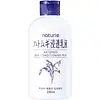 Key Ingredients

No key ingredients
Benefits
Concerns
Ingredients Side-by-side
Water
Skin ConditioningGlycerin
Humectant



Paraffinum Liquidum
Emollient


Butylene Glycol
Humectant
Coix Lacryma-Jobi Ma-Yuen Seed Extract
Skin ConditioningBetaine
Humectant

Cholesteryl/Octyldodecyl Lauroyl Glutamate
Skin ConditioningHydroxyethyl Acrylate/Sodium Acryloyldimethyl Taurate Copolymer
Emulsion StabilisingAcrylates/C10-30 Alkyl Acrylate Crosspolymer
Emulsion StabilisingPolyglyceryl-10 Eicosanedioate/Tetradecanedioate
Skin ConditioningPEG-150
HumectantSodium Hydroxide
BufferingSorbitan Isostearate
Emulsifying
Isohexadecane
EmollientStearic Acid
Cleansing
Sucrose Stearate
EmollientSorbitan Sesquioleate
Emulsifying
Sodium Palmoyl Glutamate
CleansingBehenyl Alcohol
Emollient
Polysorbate 60
Emulsifying
Methyl Gluceth-10
EmulsifyingMethylparaben
Preservative



Water, Glycerin, Paraffinum Liquidum, Butylene Glycol, Coix Lacryma-Jobi Ma-Yuen Seed Extract, Betaine, Cholesteryl/Octyldodecyl Lauroyl Glutamate, Hydroxyethyl Acrylate/Sodium Acryloyldimethyl Taurate Copolymer, Acrylates/C10-30 Alkyl Acrylate Crosspolymer, Polyglyceryl-10 Eicosanedioate/Tetradecanedioate, PEG-150, Sodium Hydroxide, Sorbitan Isostearate, Isohexadecane, Stearic Acid, Sucrose Stearate, Sorbitan Sesquioleate, Sodium Palmoyl Glutamate, Behenyl Alcohol, Polysorbate 60, Methyl Gluceth-10, Methylparaben
Water
Skin ConditioningGlycerin
Humectant
Caprylic/Capric Triglyceride
Masking
Cyclopentasiloxane
Emollient
Cetyl Alcohol
Emollient
Glyceryl Stearate
Emollient
Cetyl Ethylhexanoate
EmollientButyrospermum Parkii Butter
Skin Conditioning
Simmondsia Chinensis Seed Oil
Emollient
Stearic Acid
Cleansing
Butylene Glycol
Humectant
Sorbitan Sesquioleate
Emulsifying
Microcrystalline Wax
Emulsion Stabilising
Betaine
Humectant
Sorbitan Stearate
Emulsifying
PEG-100 Stearate
Dimethicone
Emollient
Arginine
Masking
Carbomer
Emulsion StabilisingChlorphenesin
Antimicrobial
Tocopheryl Acetate
Antioxidant

Paeonia Suffruticosa Root Extract
Skin ProtectingIllicium Verum Fruit Extract
Perfuming
Nelumbium Speciosum Flower Extract
Skin ConditioningCitrus Paradisi Fruit Extract
Skin ConditioningScutellaria Baicalensis Root Extract
AstringentCitric Acid
Buffering




Beta-Glucan
Skin Conditioning

Hydrogenated Lecithin
Emulsifying
Portulaca Oleracea Extract
Skin Conditioning
1,2-Hexanediol
Skin Conditioning
Centella Asiatica Extract
Cleansing
Aloe Barbadensis Leaf Extract
Emollient
Althaea Rosea Flower Extract
Skin ConditioningSodium Hyaluronate
Humectant
Ceramide NP
Skin Conditioning
Disodium EDTA
Polyquaternium-51
Skin Conditioning
Apium Graveolens Extract
Skin ConditioningBrassica Rapa Leaf Extract
Skin ConditioningOryza Sativa Bran Extract
Skin Conditioning
Brassica Oleracea Capitata Leaf Extract
Skin ConditioningDisodium Adenosine Triphosphate
Skin ConditioningDaucus Carota Sativa Root Extract
Skin Conditioning
Brassica Oleracea Italica Extract
AstringentSolanum Lycopersicum Fruit/Leaf/Stem Extract
AstringentLysine Hcl
Skin Conditioning
Sodium Ascorbyl Phosphate
Antioxidant
Acetyl Methionine
Skin Conditioning
Theanine
Emollient
Proline
Skin ConditioningPalmitic Acid
Emollient
Arachidic Acid
Cleansing
Oleic Acid
Emollient
Sodium Hydroxide
BufferingAlgin
Masking
Carica Papaya Fruit Extract
Skin ConditioningNatto Gum
Citrus Limon Peel Oil
Masking

Lavandula Angustifolia Oil
Masking
Citrus Aurantium Dulcis Peel Oil
Masking
Pelargonium Graveolens Flower Oil
Masking
Cananga Odorata Flower Oil
Masking
Eucalyptus Globulus Leaf Oil
Perfuming
Water, Glycerin, Caprylic/Capric Triglyceride, Cyclopentasiloxane, Cetyl Alcohol, Glyceryl Stearate, Cetyl Ethylhexanoate, Butyrospermum Parkii Butter, Simmondsia Chinensis Seed Oil, Stearic Acid, Butylene Glycol, Sorbitan Sesquioleate, Microcrystalline Wax, Betaine, Sorbitan Stearate, PEG-100 Stearate, Dimethicone, Arginine, Carbomer, Chlorphenesin, Tocopheryl Acetate, Paeonia Suffruticosa Root Extract, Illicium Verum Fruit Extract, Nelumbium Speciosum Flower Extract, Citrus Paradisi Fruit Extract, Scutellaria Baicalensis Root Extract, Citric Acid, Beta-Glucan, Hydrogenated Lecithin, Portulaca Oleracea Extract, 1,2-Hexanediol, Centella Asiatica Extract, Aloe Barbadensis Leaf Extract, Althaea Rosea Flower Extract, Sodium Hyaluronate, Ceramide NP, Disodium EDTA, Polyquaternium-51, Apium Graveolens Extract, Brassica Rapa Leaf Extract, Oryza Sativa Bran Extract, Brassica Oleracea Capitata Leaf Extract, Disodium Adenosine Triphosphate, Daucus Carota Sativa Root Extract, Brassica Oleracea Italica Extract, Solanum Lycopersicum Fruit/Leaf/Stem Extract, Lysine Hcl, Sodium Ascorbyl Phosphate, Acetyl Methionine, Theanine, Proline, Palmitic Acid, Arachidic Acid, Oleic Acid, Sodium Hydroxide, Algin, Carica Papaya Fruit Extract, Natto Gum, Citrus Limon Peel Oil, Lavandula Angustifolia Oil, Citrus Aurantium Dulcis Peel Oil, Pelargonium Graveolens Flower Oil, Cananga Odorata Flower Oil, Eucalyptus Globulus Leaf Oil
Reviews
Ingredients Explained
These ingredients are found in both products.
Ingredients higher up in an ingredient list are typically present in a larger amount.
Betaine is a common humectant (a substance that promotes retention of moisture). It's known to be gentle on the skin and can help balance hydration.
This ingredient is best for improving hydration and soothing irritated skin. Studies also show it helps even out skin tone.
Fun fact: Betaine is naturally created in the skin and body. The kind found within cosmetic products can be either plant-derived or synthetic.
Another name for betaine is trimethylglycine.
Learn more about BetaineButylene Glycol (or BG) is used within cosmetic products for a few different reasons:
Overall, Butylene Glycol is a safe and well-rounded ingredient that works well with other ingredients.
Though this ingredient works well with most skin types, some people with sensitive skin may experience a reaction such as allergic rashes, closed comedones, or itchiness.
Learn more about Butylene GlycolGlycerin is already naturally found in your skin. It helps moisturize and protect your skin.
A study from 2016 found glycerin to be more effective as a humectant than AHAs and hyaluronic acid.
As a humectant, it helps the skin stay hydrated by pulling moisture to your skin. The low molecular weight of glycerin allows it to pull moisture into the deeper layers of your skin.
Hydrated skin improves your skin barrier; Your skin barrier helps protect against irritants and bacteria.
Glycerin has also been found to have antimicrobial and antiviral properties. Due to these properties, glycerin is often used in wound and burn treatments.
In cosmetics, glycerin is usually derived from plants such as soybean or palm. However, it can also be sourced from animals, such as tallow or animal fat.
This ingredient is organic, colorless, odorless, and non-toxic.
Glycerin is the name for this ingredient in American English. British English uses Glycerol/Glycerine.
Learn more about GlycerinSodium Hydroxide is also known as lye or caustic soda. It is used to adjust the pH of products; many ingredients require a specific pH to be effective.
In small amounts, sodium hydroxide is considered safe to use. However, large amounts may cause chemical burns due to its high alkaline.
Your skin has a natural pH and acid mantle. This acid mantle helps prevent harmful bacteria from breaking through. The acid mantle also helps keep your skin hydrated.
"Alkaline" refers to a high pH level. A low pH level would be considered acidic.
Learn more about Sodium HydroxideSorbitan Sesquioleate is derived from sorbitol and oleic acid. It is an emulsifier and prevents ingredients from separating.
Specifically, this ingredient is a water-in-oil emulsifier, meaning it helps water dissolve into oil.
Some studies suggest this ingredient may cause irritation in some people. If you are unsure, it is best to patch test.
This ingredient may not be Malassezia folliculitis, or fungal-acne safe.
Learn more about Sorbitan SesquioleateStearic Acid is a fatty acid. It is an emollient, emulsifier, and texture enhancer.
As an emollient, stearic acid helps soften skin. It aids the skin's protective barrier by preventing water loss. It also provides a gentle cleansing effect without stripping away natural oils.
Stearic acid may also be used to enhance the texture of products. It can add volume and stabilize ingredients such as water and oil. This can help water and oil ingredients from separating.
Sources of stearic acid include animal or vegetable fats/oils such as coconut or shea. It can be naturally found in butter, cocoa butter, shea butter, vegetable fats, and animal tallow.
This ingredient may not be Malassezia folliculitis, or fungal-acne safe.
Learn more about Stearic AcidWater. It's the most common cosmetic ingredient of all. You'll usually see it at the top of ingredient lists, meaning that it makes up the largest part of the product.
So why is it so popular? Water most often acts as a solvent - this means that it helps dissolve other ingredients into the formulation.
You'll also recognize water as that liquid we all need to stay alive. If you see this, drink a glass of water. Stay hydrated!
Learn more about Water
