Missha Vita C Plus Clear Complexion Foaming Cleanser Versus Allies of Skin Molecular Silk Amino Hydrating Cleanser
This lactic acid gel cleanser is formulated around Lactic Acid to exfoliate and smooth skin.


What's inside
What's inside
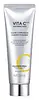 Key Ingredients
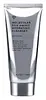
Benefits
Concerns
Ingredients Side-by-side
Water
Skin ConditioningGlycerin
Humectant


Myristic Acid
Cleansing



Stearic Acid
Cleansing
Kaolin
Abrasive



Potassium Hydroxide
BufferingBentonite
Absorbent
Palmitic Acid
Emollient
Lauric Acid
Cleansing
Glyceryl Stearate
Emollient
Coco-Glucoside
Cleansing
CI 77492
Cosmetic ColorantPolyquaternium-7
Lactose
HumectantCitrus Aurantium Dulcis Peel Oil
Masking

Cellulose
Absorbent
Arachidic Acid
Cleansing
Sodium Cocoyl Isethionate
Cleansing
Citrus Grandis Peel Oil
Masking



Disodium EDTA
ChelatingEucalyptus Globulus Leaf Oil
Perfuming
Lavandula Angustifolia Oil
Masking
Oleic Acid
Emollient
1,2-Hexanediol
Skin Conditioning
Sodium Benzoate
Masking
Quillaja Saponaria Bark Extract
CleansingHydroxypropyl Methylcellulose
Emulsion StabilisingTocopheryl Acetate
Antioxidant


Citric Acid
Buffering
Hippophae Rhamnoides Water
Masking
Ethylhexylglycerin
Skin ConditioningAscorbic Acid
Antioxidant



3-O-Ethyl Ascorbic Acid
Skin Conditioning
Allantoin
Skin Conditioning
Glyceryl Glucoside
Humectant
Caprylic/Capric Triglyceride
Masking
Butylene Glycol
Humectant
Hydrogenated Lecithin
Emulsifying
Ceramide NP
Skin Conditioning
Palmitoyl Tripeptide-5
Skin Conditioning
Caprylyl Glycol
Emollient
Hyaluronic Acid
Humectant
Acetyl Hexapeptide-8
Humectant
Tocopherol
Antioxidant
Hydrolyzed Hyaluronic Acid
Humectant
Sodium Hyaluronate
Humectant
Arbutin
Antioxidant
Niacinamide
Smoothing
Tranexamic Acid
Astringent
Dipropylene Glycol
HumectantHydrolyzed Collagen
Emollient
Pentylene Glycol
Skin Conditioning
Laurdimonium Hydroxypropyl Hydrolyzed Wheat Protein
Phytosterols
Skin Conditioning
Ascorbyl Glucoside
Antioxidant
Water, Glycerin, Myristic Acid, Stearic Acid, Kaolin, Potassium Hydroxide, Bentonite, Palmitic Acid, Lauric Acid, Glyceryl Stearate, Coco-Glucoside, CI 77492, Polyquaternium-7, Lactose, Citrus Aurantium Dulcis Peel Oil, Cellulose, Arachidic Acid, Sodium Cocoyl Isethionate, Citrus Grandis Peel Oil, Disodium EDTA, Eucalyptus Globulus Leaf Oil, Lavandula Angustifolia Oil, Oleic Acid, 1,2-Hexanediol, Sodium Benzoate, Quillaja Saponaria Bark Extract, Hydroxypropyl Methylcellulose, Tocopheryl Acetate, Citric Acid, Hippophae Rhamnoides Water, Ethylhexylglycerin, Ascorbic Acid, 3-O-Ethyl Ascorbic Acid, Allantoin, Glyceryl Glucoside, Caprylic/Capric Triglyceride, Butylene Glycol, Hydrogenated Lecithin, Ceramide NP, Palmitoyl Tripeptide-5, Caprylyl Glycol, Hyaluronic Acid, Acetyl Hexapeptide-8, Tocopherol, Hydrolyzed Hyaluronic Acid, Sodium Hyaluronate, Arbutin, Niacinamide, Tranexamic Acid, Dipropylene Glycol, Hydrolyzed Collagen, Pentylene Glycol, Laurdimonium Hydroxypropyl Hydrolyzed Wheat Protein, Phytosterols, Ascorbyl Glucoside
Water
Skin ConditioningPolyacrylate-1 Crosspolymer
Sodium C14-16 Olefin Sulfonate
Cleansing
Glycerin
Humectant
Cocamidopropyl Hydroxysultaine
Cleansing
Sodium Cocoamphoacetate
CleansingCarthamus Tinctorius Seed Oil
Masking
Propanediol
Solvent
Helianthus Annuus Seed Oil
Emollient
Leuconostoc/Radish Root Ferment Filtrate
Antimicrobial
Lactic Acid
Buffering
Hydrolyzed Jojoba Esters
Skin Conditioning
Moringa Oleifera Seed Oil
Emollient
3-O-Ethyl Ascorbic Acid
Skin Conditioning
Cocodimonium Hydroxypropyl Silk Amino Acids
Skin ConditioningHydrolyzed Silk
Humectant
Camellia Sinensis Leaf Extract
Antimicrobial
Camellia Oleifera Leaf Extract
AstringentSodium Hyaluronate
Humectant
Lecithin
Emollient
Astaxanthin
Skin Conditioning
Xanthan Gum
EmulsifyingCitric Acid
Buffering
Lauryl Glucoside
CleansingSodium Cocoyl Glutamate
Cleansing
Sodium Lauryl Glucose Carboxylate
CleansingCaprylyl Glycol
Emollient
O-Cymen-5-Ol
Antimicrobial
Polysorbate 20
Emulsifying
Tetrasodium EDTA
ChelatingPhenethyl Alcohol
MaskingPotassium Sorbate
Preservative
Water, Polyacrylate-1 Crosspolymer, Sodium C14-16 Olefin Sulfonate, Glycerin, Cocamidopropyl Hydroxysultaine, Sodium Cocoamphoacetate, Carthamus Tinctorius Seed Oil, Propanediol, Helianthus Annuus Seed Oil, Leuconostoc/Radish Root Ferment Filtrate, Lactic Acid, Hydrolyzed Jojoba Esters, Moringa Oleifera Seed Oil, 3-O-Ethyl Ascorbic Acid, Cocodimonium Hydroxypropyl Silk Amino Acids, Hydrolyzed Silk, Camellia Sinensis Leaf Extract, Camellia Oleifera Leaf Extract, Sodium Hyaluronate, Lecithin, Astaxanthin, Xanthan Gum, Citric Acid, Lauryl Glucoside, Sodium Cocoyl Glutamate, Sodium Lauryl Glucose Carboxylate, Caprylyl Glycol, O-Cymen-5-Ol, Polysorbate 20, Tetrasodium EDTA, Phenethyl Alcohol, Potassium Sorbate
Reviews
Ingredients Explained
These ingredients are found in both products.
Ingredients higher up in an ingredient list are typically present in a larger amount.
3-O-Ethyl Ascorbic Acid is one of the most popular "stable" vitamin C derivatives in skincare.
Plain ascorbic acid is fantastic but notoriously fragile; it browns, oxidizes, and loses potency fast. So attaching an ethyl group to the third carbon of the molecule gives it some cool perks:
In a formula, it does the 3 classic vitamin C jobs: it acts as an antioxidant, helps brighten skin tone by inhibiting tyrosinase, and supports collagen.
The evidence is reasonably solid for a cosmetic ingredient; Liao and colleagues (2018) showed it's significantly more stable than ascorbic acid while still being effective.
A 2021 study by Zerbinati and colleagues tested a serum with 30% 3-O-ethyl-l-ascorbic acid and 1% lactic acid significantly increased collagen production, reduced UVB-induced DNA damage, and decreased melanin on a reconstructed pigmented skin model.
Typical real world usage sits around 0.5-5% (and 1-2% is common for daily serums).
Amounts up to 30% have been shown to be non-irritating on human skin samples, but two isolated cases reported allergic contact dermatitis so a patch test is sensible if you have reactive skin.
Learn more about 3-O-Ethyl Ascorbic AcidCaprylyl Glycol is a humectant, skin conditioner, emollient, and preservative booster derived from either caprylic acid or synthetically created.
Typical use levels vary from 0.3-1% as a preservative booster and go up to 2% to condition skin.
Because it is not a free-fatty acid, this ingredient is fungal acne safe (there's nothing for Malassezia to feed on).
Learn more about Caprylyl GlycolCitric Acid is an alpha hydroxy acid (AHA) naturally found in citrus fruits like oranges, lemons, and limes.
Like other AHAs, citric acid can exfoliate skin by breaking down the bonds that hold dead skin cells together. This helps reveal smoother and brighter skin underneath.
However, this exfoliating effect only happens at high concentrations (20%) which can be hard to find in cosmetic products.
Due to this, citric acid is usually included in small amounts as a pH adjuster. This helps keep products slightly more acidic and compatible with skin's natural pH.
In skincare formulas, citric acid can:
While it can provide some skin benefits, research shows lactic acid and glycolic acid are generally more effective and less irritating exfoliants.
Most citric acid used in skincare today is made by fermenting sugars (usually from molasses). This synthetic version is identical to the natural citrus form but easier to stabilize and use in formulations.
Rosacea skin has a lower threshold for acids generally, with 62.5% of rosacea subjects in one study reacting to lactic acid in a sting test. This is why we mark citric acid as a potential rosacea trigger.
However, this ingredient shows up as a pH adjuster or chelator at roughly 0.1-1% in many products. These low levels are unlikely to be an issue for rosacea skin and becomes a potential trigger at exfoliating concentrations (20%). Because everybody's skin is unique, we recommend a patch test if you are unsure.
Learn more about Citric AcidGlycerin (or glycerol) is a compound naturally found in your skin. It's a powerhouse humectant that pulls water into the stratum corneum.
Topically, glycerin does several things at once:
Your skin makes glycerin on its own (mostly from sebaceous oil breakdown) and shuttles it to your outermost layer of skin, or your epidermis, via aquaporin-3.
Aquaporin-3 is a transporter that is essential for normal skin hydration, elasticity, and repair. Interestingly, mice lacking in AQP3 have dry and less elastic skin that can be fully corrected with glycerin.
This ingredient is non-irritating, plays well with almost every ingredient, and works across all skin types. Typical use is anywhere between 3-10% but can go up to 79% in some leave-on products.
Just know very high concentrations (>40%) can feel tacky in low humidity.
Glycerin is the name for this ingredient in American English. British English uses Glycerol/Glycerine.
Learn more about GlycerinSodium Hyaluronate is the salt form of hyaluronic acid. It is a long sugar chain that is naturally found in your skin, joints, and connective tissue that maintains hydration and elasticity.
In skincare, it works as a humectant. It pulls water from the environment and deeper layers of skin and binds it to the surface.
Interestingly, the size of the molecule affects its behavior:
Some clinical evidence links low molecular weight versions to improved wrinkle depth, elasticity, anti-inflammatory effects, and barrier repair.
Many serums use a blend of both weights so you can get surface hydration plus longer-lasting and deeper effects.
You'll typically see concentrations between 0.1-2% for this ingredient.
Learn more about Sodium HyaluronateWater. It's the most common cosmetic ingredient of all. You'll usually see it at the top of ingredient lists, meaning that it makes up the largest part of the product.
So why is it so popular? Water most often acts as a solvent - this means that it helps dissolve other ingredients into the formulation.
You'll also recognize water as that liquid we all need to stay alive. If you see this, drink a glass of water. Remember to stay hydrated!
Learn more about Water

