Missha Time Revolution Night Repair Ampoule 5x Versus Missha Time Revolution Red Algae Revitalizing Lotion
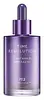
This barrier-repair ampoule is formulated around Bifida Ferment Lysate and Niacinamide to strengthen the skin barrier and soften the look of wrinkles.
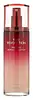
This anti-aging moisturizer is formulated around Chondrus Crispus Extract and Niacinamide to soften the look of wrinkles and hydrate skin.

What's inside
What's inside
 Key Ingredients
Benefits
Concerns
Ingredients Side-by-side
Bifida Ferment Lysate
Skin Conditioning



Butylene Glycol
Humectant
1,2-Hexanediol
Skin Conditioning
Glycerin
Humectant
Betaine
Humectant
Propanediol
Solvent
Water
Skin ConditioningChondrus Crispus Extract
Skin Conditioning

Saccharum Officinarum Extract
MoisturisingPentylene Glycol
Skin Conditioning
Niacinamide
Smoothing







Polyquaternium-51
Skin Conditioning
Diethoxyethyl Succinate
SolventSqualane
Emollient
Panthenol
Skin Conditioning
Polyglyceryl-10 Laurate
Skin Conditioning

Hydrogenated Lecithin
Emulsifying
Carbomer
Emulsion StabilisingLactobacillus Ferment
Skin Conditioning
Lactobacillus Ferment Lysate
Skin Conditioning
Leuconostoc/Radish Root Ferment Filtrate
Antimicrobial
Lactococcus Ferment
Skin ConditioningLactobacillus/Acerola Cherry Ferment
Skin ProtectingLactobacillus/Soybean Ferment Extract
Skin ConditioningLactobacillus/Punica Granatum Fruit Ferment Extract
Antioxidant
Lactococcus Ferment Lysate
Skin Conditioning
Bifida Ferment Filtrate
Skin Conditioning
Tromethamine
BufferingSolanum Melongena Fruit Extract
Skin ConditioningDaucus Carota Sativa Root Extract
Skin Conditioning
Brassica Oleracea Capitata Leaf Extract
Skin ConditioningBeta Vulgaris Root Extract
Skin ConditioningVaccinium Angustifolium Fruit Extract
Skin Protecting
Ethylhexylglycerin
Skin ConditioningXanthan Gum
EmulsifyingAspergillus Ferment
Skin ConditioningSwiftlet Nest Extract
Skin ConditioningDextrin
AbsorbentTheobroma Cacao Extract
Skin ConditioningAdenosine
Skin Conditioning
Citrus Aurantium Bergamia Fruit Oil
Masking



Pelargonium Graveolens Flower Oil
Masking
Citrus Aurantium Dulcis Peel Oil
Masking
Lavandula Angustifolia Oil
Masking
Anthemis Nobilis Flower Oil
Masking
Santalum Album Oil
Masking
Limonene
Perfuming
Disodium EDTA
ChelatingSodium Hyaluronate
Humectant
Helianthus Annuus Seed Oil
Emollient
Lupinus Albus Seed Extract
Skin ConditioningTocopherol
Antioxidant
Ceramide NP
Skin Conditioning
Cholesterol
Emollient
Bifida Ferment Lysate, Butylene Glycol, 1,2-Hexanediol, Glycerin, Betaine, Propanediol, Water, Chondrus Crispus Extract, Saccharum Officinarum Extract, Pentylene Glycol, Niacinamide, Polyquaternium-51, Diethoxyethyl Succinate, Squalane, Panthenol, Polyglyceryl-10 Laurate, Hydrogenated Lecithin, Carbomer, Lactobacillus Ferment, Lactobacillus Ferment Lysate, Leuconostoc/Radish Root Ferment Filtrate, Lactococcus Ferment, Lactobacillus/Acerola Cherry Ferment, Lactobacillus/Soybean Ferment Extract, Lactobacillus/Punica Granatum Fruit Ferment Extract, Lactococcus Ferment Lysate, Bifida Ferment Filtrate, Tromethamine, Solanum Melongena Fruit Extract, Daucus Carota Sativa Root Extract, Brassica Oleracea Capitata Leaf Extract, Beta Vulgaris Root Extract, Vaccinium Angustifolium Fruit Extract, Ethylhexylglycerin, Xanthan Gum, Aspergillus Ferment, Swiftlet Nest Extract, Dextrin, Theobroma Cacao Extract, Adenosine, Citrus Aurantium Bergamia Fruit Oil, Pelargonium Graveolens Flower Oil, Citrus Aurantium Dulcis Peel Oil, Lavandula Angustifolia Oil, Anthemis Nobilis Flower Oil, Santalum Album Oil, Limonene, Disodium EDTA, Sodium Hyaluronate, Helianthus Annuus Seed Oil, Lupinus Albus Seed Extract, Tocopherol, Ceramide NP, Cholesterol
Water
Skin ConditioningGlycerin
Humectant
Dimethicone
Emollient
Hydrogenated Polydecene
EmollientCyclopentasiloxane
Emollient
Methylpropanediol
SolventNiacinamide
Smoothing
Butylene Glycol
Humectant
1,2-Hexanediol
Skin Conditioning
Chondrus Crispus Extract
Skin Conditioning
Hydroxyacetophenone
Antioxidant
Trehalose
Humectant
Ammonium Acryloyldimethyltaurate/Vp Copolymer
Sodium Stearoyl Glutamate
CleansingCentella Asiatica Extract
Cleansing
Ficus Carica Fruit Extract
Humectant
Sodium Hyaluronate
Humectant
Polysorbate 20
Emulsifying
Squalane
Emollient
Parfum
Masking
Adenosine
Skin Conditioning
Cetyl Ethylhexanoate
EmollientNeopentyl Glycol Diheptanoate
EmollientArctium Lappa Root Extract
Skin Conditioning
Hydrogenated Lecithin
Emulsifying
Hydrogenated Phosphatidylcholine
Emulsifying
Aspergillus Ferment
Skin ConditioningCarnosine
Skin Conditioning
Polyglyceryl-10 Myristate
Skin Conditioning
Lactococcus Ferment Lysate
Skin Conditioning
Cetearyl Alcohol
Emollient


Perilla Ocymoides Seed Extract
Antioxidant
Polyglyceryl-2 Stearate
Emulsifying
Stearic Acid
Cleansing
Carthamus Tinctorius Seed Oil
Masking
Oenothera Biennis Oil
Emollient
Ceramide NP
Skin Conditioning
Polyquaternium-51
Skin Conditioning
Beta-Glucan
Skin Conditioning
Hydrolyzed Hyaluronic Acid
Humectant
Polyglutamic Acid
Skin Conditioning
Lysolecithin
EmulsifyingHyaluronic Acid
Humectant
Hydrolyzed Sodium Hyaluronate
Skin Conditioning
Acetyl Glutamine
Skin ConditioningPotassium Hyaluronate
Skin ConditioningHydroxypropyltrimonium Hyaluronate
Sodium Hyaluronate Crosspolymer
Humectant
Coral Powder
Abrasive
Hydrolyzed Collagen
Emollient
Sodium Acetylated Hyaluronate
Humectant
Sodium Chloride
MaskingPhenylpropanol
Masking
Levulinic Acid
Perfuming
Sodium Levulinate
Skin ConditioningWater, Glycerin, Dimethicone, Hydrogenated Polydecene, Cyclopentasiloxane, Methylpropanediol, Niacinamide, Butylene Glycol, 1,2-Hexanediol, Chondrus Crispus Extract, Hydroxyacetophenone, Trehalose, Ammonium Acryloyldimethyltaurate/Vp Copolymer, Sodium Stearoyl Glutamate, Centella Asiatica Extract, Ficus Carica Fruit Extract, Sodium Hyaluronate, Polysorbate 20, Squalane, Parfum, Adenosine, Cetyl Ethylhexanoate, Neopentyl Glycol Diheptanoate, Arctium Lappa Root Extract, Hydrogenated Lecithin, Hydrogenated Phosphatidylcholine, Aspergillus Ferment, Carnosine, Polyglyceryl-10 Myristate, Lactococcus Ferment Lysate, Cetearyl Alcohol, Perilla Ocymoides Seed Extract, Polyglyceryl-2 Stearate, Stearic Acid, Carthamus Tinctorius Seed Oil, Oenothera Biennis Oil, Ceramide NP, Polyquaternium-51, Beta-Glucan, Hydrolyzed Hyaluronic Acid, Polyglutamic Acid, Lysolecithin, Hyaluronic Acid, Hydrolyzed Sodium Hyaluronate, Acetyl Glutamine, Potassium Hyaluronate, Hydroxypropyltrimonium Hyaluronate, Sodium Hyaluronate Crosspolymer, Coral Powder, Hydrolyzed Collagen, Sodium Acetylated Hyaluronate, Sodium Chloride, Phenylpropanol, Levulinic Acid, Sodium Levulinate
Reviews
Ingredients Explained
These ingredients are found in both products.
Ingredients higher up in an ingredient list are typically present in a larger amount.
1,2-Hexanediol is a synthetic liquid and another multi-functional powerhouse.
It is a:
- Humectant, drawing moisture into the skin
- Emollient, helping to soften skin
- Solvent, dispersing and stabilizing formulas
- Preservative booster, enhancing the antimicrobial activity of other preservatives
Adenosine is a purine nucleoside that your body already makes in every cell. In skincare, it acts mainly as a skin conditioning and anti-aging agent.
The way it works is fairly well mapped out:
Your skin has cells called fibroblasts that build collagen (the stuff that keeps skin firm and smooth). Adenosine basically flips a switch on these cells that tells them to get to work making more collagen and other proteins. These cells slow down on their own as skin ages, so Adenosine helps give them a little nudge to keep going.
The clinical backing is pretty solid too.
A blind, randomized, placebo-controlled trial of 126 women aged 45-65 tested a 0.1% cream twice daily and found real improvements in crow's feet and frown lines using a precise 3D skin-mapping technique; these changes showed up by week 3 and held at 2 months.
A later study using Adenosine-loaded dissolving microneedle patches reported gains in wrinkle depth, dermal density, elasticity, and hydration.
On concentrations, South Korea's Ministry of Food and Drug Safety has set 0.04% as the approved functional anti-wrinkle level. You'll typically see this ingredient used somewhere in the 0.04-0.1% range since it works at low doses.
This ingredient has been found safe for cosmetics with the data showing no irritation or sensitization.
Overall, this is a great ingredient for any anti-aging routine and has no photosensitizing effect, so it suits both AM and PM use.
Learn more about AdenosineAspergillus Ferment is created when Aspergillus fungi is fermented under controlled conditions. This is the same fungi used to make sake, miso, and soy sauce.
The fungi breaks down to produce a mix of enzymes, amino acids, vitamins, and bioactive compounds during fermentation.
One such compound is kojic acid; kojic acid is widely considered a gentler alternative to hydroquinone. You should know: the amount of kojic acid in Aspergillus Ferment will vary depending on species used and how the fermentation was done.
There's an in-vitro study from 2019 found that ceramide-like compounds from Aspergillus luchuensis helped skin cells turn on the genes related to barrier repair and moisture retention. Just keep in mind this was tested on cells in a lab and not on actual people's faces.
If you're someone who deals with fungal acne (malassezia folliculitis), you might want to instinctively want to skip this ingredient.
That's understandable since it is derived from a fungus. It's worth knowing that Aspergillus and Malassezia are completely different organisms and there's no research suggesting that Aspergillus Ferment feeds or worsens malassezia overgrowth on the skin.
However, if you're actively managing fungal acne, being cautious with any new ingredient is reasonable.
Learn more about Aspergillus FermentButylene Glycol (or BG) is used within cosmetic products for a few different reasons:
Overall, Butylene Glycol is a safe and well-rounded ingredient that works well with other ingredients.
Though this ingredient works well with most skin types, some people with sensitive skin may experience a reaction such as allergic rashes, closed comedones, or itchiness.
Learn more about Butylene GlycolCeramide NP (formerly known as Ceramide 3) is one of the skin's naturally occurring lipids.
Since ceramides are the major lipid components of the skin, they are crucial for maintaining skin barrier and hydration. Ceramide NP most closely mirrors the dominant kind in human skin amongst ceramide subtypes.
This ceramide works by slotting into gaps within the stratum corneum's lipid matrix to limit trans-epidermal water loss (TEWL) and shield the skin against external irritants.
A study with 312 patients found that using a ceramide-containing routine for 4 weeks reduced the severity of atopic dermatitis by over 61%.
Another clinical study in subjects aged 60 and older found that a ceramide body wash and moisturizer improved skin dryness and itchy skin in 15 days.
Overall, ceramides are considered non-irritating and safety tests have found little to no observable adverse effects from using this ingredient.
Ceramide NP is usually sourced from plants (like soybean or rice bran), or produced synthetically.
Learn more about Ceramide NPThis ingredient comes from the red seaweed that grows along the North Atlantic. It's the same alga that gives us carrageenan, the thickener in your oat milk.
The extract is mostly big sulfated sugar molecules (polysaccharides) plus some minerals and protein.
What those sugars do is simple and useful: they hold onto water and form a light film on the skin. That means they boost hydration, add a bit of slip, and leave a soft, cushiony feel.
It also helps with texture and thickness.
You'll see claims about anti-aging and "second skin" effects but those come mostly from supplier marketing.
The real research is cell-culture stuff and there's no human trial on this ingredient specifically (yet). So for now, treat it as a nice hydrator and texture helper, not an active.
Safety-wise, it's pretty solid. The Cosmetic Ingredient Review panel rated it safe as used, human sensitization tests came back negative, and it wasn't irritating in skin or eye tests.
Typical use levels are 0.5% or lower.
You'll see algae listed as a 5/5 on a lot of pore-clogging charts and that number doesn't come from anywhere; it's not in the original rabbit-ear studies that most comedogenic ratings trace back to.
The reasoning behind the reputation is that seaweed is high in iodine and iodine can trigger acne-like breakouts when eaten. This traces back to a 1976 letter in Archives of Dermatology describing two women whose breakouts cleared after they stopped taking high-dose kelp supplements orally.
And the reaction of these two women wasn't clogged pores at all: it was an iodine-triggered pustular rash. Later research found normal dietary iodine doesn't meaningfully affect acne either and nobody has shown topical algae delivers enough iodine to matter.
What we do have is dozens of brown and red algae ingredients found to be non-irritating and non-sensitizing, and a handful of studies that found algae compounds may actually help acne.
However, plenty of people do report breaking out from algae-containing products. Skin is individual and it's worth avoiding if yours has reacted to algae before.
Learn more about Chondrus Crispus ExtractGlycerin (or glycerol) is a compound naturally found in your skin. It's a powerhouse humectant that pulls water into the stratum corneum.
Topically, glycerin does several things at once:
Your skin makes glycerin on its own (mostly from sebaceous oil breakdown) and shuttles it to your outermost layer of skin, or your epidermis, via aquaporin-3.
Aquaporin-3 is a transporter that is essential for normal skin hydration, elasticity, and repair. Interestingly, mice lacking in AQP3 have dry and less elastic skin that can be fully corrected with glycerin.
This ingredient is non-irritating, plays well with almost every ingredient, and works across all skin types. Typical use is anywhere between 3-10% but can go up to 79% in some leave-on products.
Just know very high concentrations (>40%) can feel tacky in low humidity.
Glycerin is the name for this ingredient in American English. British English uses Glycerol/Glycerine.
Learn more about GlycerinHydrogenated Lecithin is a more stable version of lecithin.
It's made by taking lecithin (a phospholipid commonly found in soybeans and egg yolks) and hydrogenating it. This just means the unsaturated fatty acids are turned into saturated ones so they don't go bad as easily.
This ingredient is an emollient, emulsifier, and penetration enhancer. As an emollient, it helps soften and hydrate skin by trapping moisture within. As an emulsifier, it prevents oil and water ingredients from separating.
Hydrogenated Lecithin can form tiny spherical structures made of phospholipid bilayers called liposomes. These liposomes are able to capture compounds inside their structure and deliver them through the skin barrier.
Because phospholipids are a natural component of our cell membranes, this ingredient is inherently compatible with skin.
A 2021 study found lecithin-based surfactants were less harsh and more tolerable comared to Sodium Lauryl Sulfate (SLS).
Learn more about Hydrogenated LecithinLactococcus Ferment Lysate is a postbiotic created by fermenting Lactoccus lactis, a type of bacteria more commonly used to create Lactic acid.
Postbiotics are inactive molecules produced by probiotic bacteria that provide skin benefits.
This ingredient offers promising benefits, but it is relatively new and more evidence is needed to prove its efficacy. The manufacturer claims this ingredient:
A study from 2022 found this ingredient helped protect skin against damaged from UV exposure (though this should not replace your sunscreen!).
The lysate in the ingredient name refers to a fluid that forms from breaking down the cell membrane.
Learn more about Lactococcus Ferment LysateNiacinamide is a multitasking form of vitamin B3 that strengthens the skin barrier, reduces pores and dark spots, regulates oil, and improves signs of aging.
And the best part? It's gentle and well-tolerated by most skin types, including sensitive and reactive skin.
You might have heard of "niacin flush", or the reddening of skin that causes itchiness. Niacinamide has not been found to cause this.
In very rare cases, some individuals may not be able to tolerate niacinamide at all or experience an allergic reaction to it.
If you are experiencing flaking, irritation, and dryness with this ingredient, be sure to double check all your products as this ingredient can be found in all categories of skincare.
When incorporating niacinamide into your routine, look out for concentration amounts. Typically, 5% niacinamide provides benefits such as fading dark spots. However, if you have sensitive skin, it is better to begin with a smaller concentration.
When you apply niacinamide to your skin, your body converts it into nicotinamide adenine dinucleotide (NAD). NAD is an essential coenzyme that is already found in your cells as "fuel" and powers countless biological processes.
In your skin, NAD helps repair cell damage, produce new healthy cells, support collagen production, strengthen the skin barrier, and fight environmental stressors (like UV and pollution).
Our natural NAD levels start to decline with age, leading to slower skin repair, visible aging, and a weaker skin barrier. By providing your skin niacinamide, you're recharging your skin's NAD levels. This leads to stronger, healthier, and younger looking skin.
Another name for vitamin B3 is nicotinamide. This vitamin is water-soluble and our bodies don't store it. We obtain Vitamin B3 from either food or skincare. Meat, fish, wheat, yeast, and leafy greens contain vitamin B3.
The type of niacinamide used in skincare is synthetically created.
Learn more about NiacinamidePolyquaternium-51 is a polymer salt. It helps hydrate the skin by creating a film on top. This film traps moisture in, keeping your skin soft and hydrated.
Sodium Hyaluronate is the salt form of hyaluronic acid. It is a long sugar chain that is naturally found in your skin, joints, and connective tissue that maintains hydration and elasticity.
In skincare, it works as a humectant. It pulls water from the environment and deeper layers of skin and binds it to the surface.
Interestingly, the size of the molecule affects its behavior:
Some clinical evidence links low molecular weight versions to improved wrinkle depth, elasticity, anti-inflammatory effects, and barrier repair.
Many serums use a blend of both weights so you can get surface hydration plus longer-lasting and deeper effects.
You'll typically see concentrations between 0.1-2% for this ingredient.
Learn more about Sodium HyaluronateSqualane is the hydrogenated and shelf-stable form of squalene (a lipid that naturally occurs in human sebum).
It is an emollient and skin conditioning agent that is able to integrate seamlessly into the skin's lipid barrier without clogging pores.
This is due to how structurally similar it is to what your skin already produces.
Though it is mostly an emollient that helps soften and hydrate skin, it also has some humectant and occlusive action. Humectants help the skin retain moisture while occlusives seal it in, making squalane a triple-threat moisturizer.
Research shows it has antioxidant capabilities that help protect against stressors like UV exposure, specifically UVA induced oxidative stress. This study also found that it supports collagen biosynthesis in human dermal fibroblasts.
No clinical study has reported significant adverse effects and irritation reactions are very rare from this ingredient (even at 100% concentration).
Overall, it's a fantastic ingredient for hydration and is suitable for all skin types.
This depends on the source. Squalane can be derived from both plants and animals. Most squalane used in skincare comes from plants.
Please note: the source of squalane is only known if disclosed by the brand. We recommend reaching out to the brand if you have any questions about their squalane.
Read more about squalene with an "e".
Though squalane is often called an oil, it’s technically not one. It is a hydrocarbon, meaning it is only made of carbon and hydrogen. True oils are triglycerides and made of fatty acids and glycerol.
The term “oil-free” isn’t regulated so companies can define it however they want. Some exclude all oils, while others just avoid mineral oil or comedogenic oils.
Squalane has a comedogenic rating of 1 from the original 1972 study that tested raw ingredients under occlusion on rabbit ears. This system is not standardized or peer-reviewed, and using the raw ingredients is very different from how diluted cosmetic formulations are used on human skin.
A comedogenic rating of 1 means it is "unlikely to clog pores" according to the original rating system.
The overall formula of a product matters more than the individual ingredients on whether or not it will cause clogged pores.
Learn more about SqualaneWater. It's the most common cosmetic ingredient of all. You'll usually see it at the top of ingredient lists, meaning that it makes up the largest part of the product.
So why is it so popular? Water most often acts as a solvent - this means that it helps dissolve other ingredients into the formulation.
You'll also recognize water as that liquid we all need to stay alive. If you see this, drink a glass of water. Remember to stay hydrated!
Learn more about Water


