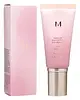
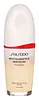
Missha M Signature Real Complete BB Cream Ex Versus Shiseido Revitalessence Skin Glow Foundation SPF30


What's inside
What's inside
 Key Ingredients
Benefits
Concerns
Ingredients Side-by-side
Water
Skin ConditioningTitanium Dioxide
Cosmetic Colorant

Cyclopentasiloxane
Emollient
Glycerin
Humectant


Butylene Glycol
Humectant
Phenyl Trimethicone
Skin Conditioning
Butyloctyl Salicylate
Skin Conditioning
Hydrogenated Polydecene
EmollientCetyl PEG/PPG-10/1 Dimethicone
Emulsifying
Orbignya Oleifera Seed Oil
Emollient


C12-15 Alkyl Benzoate
AntimicrobialNiacinamide
Smoothing









CI 77492
Cosmetic ColorantSodium Chloride
MaskingMica
Cosmetic ColorantCyclohexasiloxane
Emollient
Caprylyl Methicone
Skin Conditioning
Hydrogenated Polyisobutene
EmollientSilica
Abrasive
Sorbitan Isostearate
Emulsifying
Polyglyceryl-4 Isostearate
Emulsifying
Hydrogenated Castor Oil Isostearate
Skin Conditioning
Sorbitan Olivate
Emulsifying
Hexyl Laurate
Emollient
Microcrystalline Wax
Emulsion StabilisingDisteardimonium Hectorite
StabilisingCetyl Dimethicone
Emollient
Methyl Methacrylate Crosspolymer
Synthetic Beeswax
Emulsion Stabilising
CI 77491
Cosmetic ColorantDimethicone/Vinyl Dimethicone Crosspolymer
Skin Conditioning
Aluminum Hydroxide
EmollientAlumina
Abrasive
CI 77499
Cosmetic ColorantTriethoxycaprylylsilane
Stearic Acid
Cleansing
Sodium Benzoate
Masking
Caprylyl Glycol
Emollient
Propylene Carbonate
SolventPotassium Sorbate
Preservative
Tocopheryl Acetate
Antioxidant

Ethylhexylglycerin
Skin ConditioningPolyhydroxystearic Acid
Emulsifying
Parfum
Masking



Disodium EDTA
ChelatingXanthan Gum
EmulsifyingEthylhexyl Palmitate
Emollient
Isopropyl Myristate
Emollient
Isostearic Acid
Cleansing
Lecithin
Emollient
Adenosine
Skin Conditioning
Polyglyceryl-3 Polyricinoleate
Emulsifying
Camellia Japonica Flower Extract
EmollientSodium Hyaluronate
Humectant
Ceramide AP
Skin Conditioning
1,2-Hexanediol
Skin Conditioning
Hyaluronic Acid
Humectant
Tocopherol
Antioxidant
Water, Titanium Dioxide, Cyclopentasiloxane, Glycerin, Butylene Glycol, Phenyl Trimethicone, Butyloctyl Salicylate, Hydrogenated Polydecene, Cetyl PEG/PPG-10/1 Dimethicone, Orbignya Oleifera Seed Oil, C12-15 Alkyl Benzoate, Niacinamide, CI 77492, Sodium Chloride, Mica, Cyclohexasiloxane, Caprylyl Methicone, Hydrogenated Polyisobutene, Silica, Sorbitan Isostearate, Polyglyceryl-4 Isostearate, Hydrogenated Castor Oil Isostearate, Sorbitan Olivate, Hexyl Laurate, Microcrystalline Wax, Disteardimonium Hectorite, Cetyl Dimethicone, Methyl Methacrylate Crosspolymer, Synthetic Beeswax, CI 77491, Dimethicone/Vinyl Dimethicone Crosspolymer, Aluminum Hydroxide, Alumina, CI 77499, Triethoxycaprylylsilane, Stearic Acid, Sodium Benzoate, Caprylyl Glycol, Propylene Carbonate, Potassium Sorbate, Tocopheryl Acetate, Ethylhexylglycerin, Polyhydroxystearic Acid, Parfum, Disodium EDTA, Xanthan Gum, Ethylhexyl Palmitate, Isopropyl Myristate, Isostearic Acid, Lecithin, Adenosine, Polyglyceryl-3 Polyricinoleate, Camellia Japonica Flower Extract, Sodium Hyaluronate, Ceramide AP, 1,2-Hexanediol, Hyaluronic Acid, Tocopherol
Water
Skin ConditioningDiphenylsiloxy Phenyl Trimethicone
Skin Conditioning
Dipropylene Glycol
HumectantGlycerin
Humectant
Ethylhexyl Methoxycinnamate
UV Absorber
Alcohol Denat.
Antimicrobial

PEG-8
HumectantNiacinamide
Smoothing
PEG-60 Hydrogenated Castor Oil
Emulsifying
Isostearic Acid
Cleansing
Polyglyceryl-6 Polyricinoleate
Emulsifying
Lactobacillus/Rice Ferment
Skin Conditioning
Ammonium Acryloyldimethyltaurate/Beheneth-25 Methacrylate Crosspolymer
Emulsion StabilisingTocopheryl Acetate
Antioxidant
Sodium Dilauramidoglutamide Lysine
HumectantMagnesium Chloride
Polyquaternium-51
Skin Conditioning
Lavandula Angustifolia Oil
Masking

Sanguisorba Officinalis Root Extract
CleansingCamellia Sinensis Leaf Extract
Antimicrobial
Hydrogenated Polyisobutene
EmollientPEG-12 Dimethicone
Skin Conditioning
PEG-100 Hydrogenated Castor Oil
Emulsifying
Butylene Glycol
Humectant
Aluminum Hydroxide
EmollientTrisodium EDTA
ChelatingAcrylates/C10-30 Alkyl Acrylate Crosspolymer
Emulsion StabilisingDimethylacrylamide/Sodium Acryloyldimethyltaurate Crosspolymer
BHT
Antioxidant
Tocopherol
Antioxidant
Potassium Hydroxide
BufferingAlcohol
Antimicrobial
Sodium Metabisulfite
Antioxidant
Linalool
Perfuming
PEG/PPG-19/19 Dimethicone
Emulsifying
Stearic Acid
Cleansing
Phenoxyethanol
Preservative
CI 77891
Cosmetic ColorantCI 77492
Cosmetic ColorantCI 77499
Cosmetic ColorantCI 77491
Cosmetic ColorantWater, Diphenylsiloxy Phenyl Trimethicone, Dipropylene Glycol, Glycerin, Ethylhexyl Methoxycinnamate, Alcohol Denat., PEG-8, Niacinamide, PEG-60 Hydrogenated Castor Oil, Isostearic Acid, Polyglyceryl-6 Polyricinoleate, Lactobacillus/Rice Ferment, Ammonium Acryloyldimethyltaurate/Beheneth-25 Methacrylate Crosspolymer, Tocopheryl Acetate, Sodium Dilauramidoglutamide Lysine, Magnesium Chloride, Polyquaternium-51, Lavandula Angustifolia Oil, Sanguisorba Officinalis Root Extract, Camellia Sinensis Leaf Extract, Hydrogenated Polyisobutene, PEG-12 Dimethicone, PEG-100 Hydrogenated Castor Oil, Butylene Glycol, Aluminum Hydroxide, Trisodium EDTA, Acrylates/C10-30 Alkyl Acrylate Crosspolymer, Dimethylacrylamide/Sodium Acryloyldimethyltaurate Crosspolymer, BHT, Tocopherol, Potassium Hydroxide, Alcohol, Sodium Metabisulfite, Linalool, PEG/PPG-19/19 Dimethicone, Stearic Acid, Phenoxyethanol, CI 77891, CI 77492, CI 77499, CI 77491
Ingredients Explained
These ingredients are found in both products.
Ingredients higher up in an ingredient list are typically present in a larger amount.
Aluminum Hydroxide is a form of aluminum. It can be naturally found in nature as the mineral gibbsite. In cosmetics, Aluminum Hydroxide is used as a colorant, pH adjuster, and absorbent.
As a colorant, Aluminum Hydroxide may add opacity, or reduce the transparency. Aluminum hydroxide is contains both basic and acidic properties.
According to manufacturers, this ingredient is an emollient and humectant. This means it helps hydrate the skin.
In medicine, this ingredient is used to help relieve heartburn and help heal ulcers.
There is currently no credible scientific evidence linking aluminum hydroxide in cosmetics to increased cancer risk.
Major health organizations allow the use of aluminum hydroxide in personal care products and have not flagged it as a carcinogenic risk at typical usage levels.
Learn more about Aluminum HydroxideButylene Glycol (or BG) is used within cosmetic products for a few different reasons:
Overall, Butylene Glycol is a safe and well-rounded ingredient that works well with other ingredients.
Though this ingredient works well with most skin types, some people with sensitive skin may experience a reaction such as allergic rashes, closed comedones, or itchiness.
Learn more about Butylene GlycolCi 77491 is also hydrated iron III oxide. It's sole purpose is to give a red/pink hue to products.
Iron III oxides are classified as inorganic chemicals for coloring.
Synthetically created Ci 77491 is considered safer than those naturally found. This is because the synthetically created version may contain less impurities. Iron oxides are generally non-toxic and non-allergenic.
Learn more about CI 77491CI 77492 is also hydrated iron III oxide. It's sole purpose is to give a yellow hue to products.
Iron III oxides are classified as inorganic chemicals for coloring.
Synthetically created CI 77492 is considered safer than those naturally found. This is because the synthetically created version may contain less impurities. Iron oxides are generally non-toxic and non-allergenic.
Learn more about CI 77492Ci 77499 is also hydrated iron III oxide. It is created from mixing red and black iron oxides. This helps give shades of darkness to a product.
Iron III oxides are classified as inorganic chemicals for coloring.
Glycerin (or glycerol) is a compound naturally found in your skin. It's a powerhouse humectant that pulls water into the stratum corneum.
Topically, glycerin does several things at once:
Your skin makes glycerin on its own (mostly from sebaceous oil breakdown) and shuttles it to your outermost layer of skin, or your epidermis, via aquaporin-3.
Aquaporin-3 is a transporter that is essential for normal skin hydration, elasticity, and repair. Interestingly, mice lacking in AQP3 have dry and less elastic skin that can be fully corrected with glycerin.
This ingredient is non-irritating, plays well with almost every ingredient, and works across all skin types. Typical use is anywhere between 3-10% but can go up to 79% in some leave-on products.
Just know very high concentrations (>40%) can feel tacky in low humidity.
Glycerin is the name for this ingredient in American English. British English uses Glycerol/Glycerine.
Learn more about GlycerinHydrogenated Polyisobutene is a synthetic polymer. Polymers are compounds with high molecular weight. Hydrogenated Polyisobutene is an emollient and texture enhancer.
In one study, Hydrogenated Polyisobutene showed better skin hydration levels than Caprylic/Capric Triglyceride. As an emollient, it helps keep your skin soft and hydrated by trapping moisture in.
Hydrogenated Polyisobutene is often used as a mineral oil replacement.
Learn more about Hydrogenated PolyisobuteneIsostearic Acid is a fatty acid and a structural cousin of stearic acid. It is an emulsifier.
The branched structure of this ingredient enhances fluidity and gives it a lighter, less greasy feel compared to other fatty acids. It helps improve texture and consistency because it prevents oil and water phases from separating.
This ingredient is sourced from plant-based oils like soybean or rapeseed.
Clinical studies found no signs of irritation from this ingredient.
Since Isostearic Acid is an 18-carbon fatty acid, it is in the range that Malassezia can feed on. This ingredient may not be fungal acne safe.
You might have seen sources that this ingredient is comedogenic. The original comedogenic testing on rabbit ear actually tested the ester, Isopropyl Isostearate and not Isostearic acid itself.
Any finished product with this ingredient won't automatically make you break out; it really comes down to concentration, formula, and your skin.
Because isostearic acid is a C18 fatty acid, this ingredient may not be fungal acne safe. The Malassezia yeast metabolizes fatty acids in the C11-24 range.
Learn more about Isostearic AcidNiacinamide is a multitasking form of vitamin B3 that strengthens the skin barrier, reduces pores and dark spots, regulates oil, and improves signs of aging.
And the best part? It's gentle and well-tolerated by most skin types, including sensitive and reactive skin.
You might have heard of "niacin flush", or the reddening of skin that causes itchiness. Niacinamide has not been found to cause this.
In very rare cases, some individuals may not be able to tolerate niacinamide at all or experience an allergic reaction to it.
If you are experiencing flaking, irritation, and dryness with this ingredient, be sure to double check all your products as this ingredient can be found in all categories of skincare.
When incorporating niacinamide into your routine, look out for concentration amounts. Typically, 5% niacinamide provides benefits such as fading dark spots. However, if you have sensitive skin, it is better to begin with a smaller concentration.
When you apply niacinamide to your skin, your body converts it into nicotinamide adenine dinucleotide (NAD). NAD is an essential coenzyme that is already found in your cells as "fuel" and powers countless biological processes.
In your skin, NAD helps repair cell damage, produce new healthy cells, support collagen production, strengthen the skin barrier, and fight environmental stressors (like UV and pollution).
Our natural NAD levels start to decline with age, leading to slower skin repair, visible aging, and a weaker skin barrier. By providing your skin niacinamide, you're recharging your skin's NAD levels. This leads to stronger, healthier, and younger looking skin.
Another name for vitamin B3 is nicotinamide. This vitamin is water-soluble and our bodies don't store it. We obtain Vitamin B3 from either food or skincare. Meat, fish, wheat, yeast, and leafy greens contain vitamin B3.
The type of niacinamide used in skincare is synthetically created.
Learn more about NiacinamideStearic Acid is a fatty acid that is already found in your skin. It's one of the free fatty acids that works alongside ceramides and cholesterols to maintain your barrier.
In cosmetics, it is a multitasker:
Safety-wise, the CIR Expert Panel has concluded it to be safe in cosmetics when formulated to be non-irritating and non-sensitizing.
Free stearic acid is a C18 fatty acid that the Malassezia yeast can substrate, so this ingredient may not be fungal acne safe.
This ingredient does have a comedogenic rating of 2-3, but this doesn't mean a formula with this ingredient will clog pores.
Human testing has proved that any finished product with this ingredient won't automatically make you break out; it really comes down to concentration, formula, and your skin.
Learn more about Stearic AcidTocopherol is a fat-soluble antioxidant known as Vitamin E.
You'll find this ingredient in the vast majority of skincare (for good reason). It works to neutralize free radicals, or unstable molecules generated by UV exposure, pollution, and other environmental stressors, before they can cause oxidative damage to your skin cells.
Topically applied tocopherol has been shown to protect against UV damage by ramping up the skin's own natural defense enzymes.
It also acts as a skin conditioning agent; some studies show that regular topical use can improve the skin's water-binding capacity over 2-4 weeks.
This ingredient is especially loved for being a team player. When combined with Vitamin C, the photoprotective effect of both ingredients roughly doubles and the combo also helps reduce UV-induced DNA damage.
This ingredient has some brightening potential but it's more of a prevention ingredient than spot-fader. Cell studies show it can slow down melanin production but it's worth noting that it's not the most powerful brightener out there.
In formulations, it also serves as a stabilizer that helps protect other oxidation-prone ingredients from degrading.
Concentrations usually range from 0.1-1% in most leave-on products.
Learn more about TocopherolTocopheryl Acetate is a stable, shelf-friendly form of vitamin E.
Formulators love it because plain vitamin E oxidizes quickly once it hits air. This acetate version stays stable and resists going off, helping to extend a product's shelf life.
It's actually inactive on its own and works like a slow-release "storage" form; the enzymes in your skin called esterases gradually convert it into active vitamin E over time.
One in vivo study showed 5% of the acetate in the living layer of the epidermis converted to vitamin E after 5 days of application. This study also found the skin gained protection against UV damage even though the conversion was slow and small.
Once converted, vitamin E acts as a skin's main fat-soluble antioxidant that fights free radicals to protect skin from damage.
Topical vitamin E generally boosts the skin's photoprotection, and it reduced UV-damage in animal models.
This ingredient has some brightening potential but it's more of a prevention ingredient than spot-fader. Cell studies show it can slow down melanin production but it's worth noting that it's not the most powerful brightener out there.
Overall, it has a pretty solid safety profile and has been found to be non-irritating and non-comedogenic. Allergic reactions may happen but stay rare due to how widely the ingredient gets used.
The concentration will vary depending on the formula; industry data shows 0.1% in baby lotions, 3% in lipsticks, and 5% in foot powders. You can also find this ingredient at 100% in a pure vitamin E oil.
Most leave-on skincare keeps it at the lower end, often between 0.5-1%.
Learn more about Tocopheryl AcetateWater. It's the most common cosmetic ingredient of all. You'll usually see it at the top of ingredient lists, meaning that it makes up the largest part of the product.
So why is it so popular? Water most often acts as a solvent - this means that it helps dissolve other ingredients into the formulation.
You'll also recognize water as that liquid we all need to stay alive. If you see this, drink a glass of water. Remember to stay hydrated!
Learn more about Water

