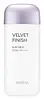
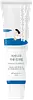
Missha All Around Safe Block Velvet Finish Sun Milk SPF50+/PA++++ Versus Round Lab Birch Moisturizing Sunscreen SPF 50+ PA++++
This hybrid sunscreen covers the full UV range and blocks ~98% of UVB at SPF 50.
This chemical sunscreen covers the full UV range and blocks ~98% of UVB at SPF 50.

What's inside
What's inside
 Key Ingredients
Benefits
Concerns
Ingredients Side-by-side
Helichrysum Italicum Extract
AntiseborrhoeicCyclopentasiloxane
Emollient
Homosalate
Skin Conditioning

Silica
Abrasive


Titanium Dioxide
Cosmetic Colorant
Ethylhexyl Salicylate
UV Absorber
Alcohol
Antimicrobial




Dipropylene Glycol
HumectantLauryl PEG-10 Tris(Trimethylsiloxy)Silylethyl Dimethicone
Emulsifying
Isopropyl Palmitate
Emollient


Caprylyl Methicone
Skin Conditioning
Diethylamino Hydroxybenzoyl Hexyl Benzoate
UV Filter
C12-15 Alkyl Benzoate
AntimicrobialBis-Ethylhexyloxyphenol Methoxyphenyl Triazine
UV Absorber
Abronia Villosa Leaf Extract
Skin ConditioningPsidium Guajava Leaf Extract
AstringentAloe Barbadensis Leaf Extract
Emollient


Cinchona Succirubra Bark Extract
Skin ConditioningRhodiola Rosea Root Extract
EmollientRosa Damascena Flower Water
Masking
Leontopodium Alpinum Flower/Leaf Extract
Skin ConditioningWater
Skin ConditioningButylene Glycol
Humectant
Aluminum Hydroxide
EmollientMagnesium Sulfate
Stearic Acid
Cleansing
Quaternium-18 Bentonite
Dimethicone/Vinyl Dimethicone Crosspolymer
Skin Conditioning
Dimethicone
Emollient
Silica Dimethyl Silylate
EmollientSodium Benzoate
Masking
Tocopheryl Acetate
Antioxidant


Potassium Sorbate
Preservative
Polyhydroxystearic Acid
Emulsifying
Ethylhexyl Palmitate
Emollient
Isostearic Acid
Cleansing
Lecithin
Emollient
Polyglyceryl-3 Polyricinoleate
Emulsifying
Vp/Hexadecene Copolymer
Acrylates/Dimethicone Copolymer
Skin Conditioning
Disodium EDTA
ChelatingPhenoxyethanol
Preservative
Caprylyl Glycol
Emollient
Ethylhexylglycerin
Skin ConditioningCI 77491
Cosmetic ColorantCI 77492
Cosmetic ColorantCI 77499
Cosmetic ColorantParfum
Masking

Helichrysum Italicum Extract, Cyclopentasiloxane, Homosalate, Silica, Titanium Dioxide, Ethylhexyl Salicylate, Alcohol, Dipropylene Glycol, Lauryl PEG-10 Tris(Trimethylsiloxy)Silylethyl Dimethicone, Isopropyl Palmitate, Caprylyl Methicone, Diethylamino Hydroxybenzoyl Hexyl Benzoate, C12-15 Alkyl Benzoate, Bis-Ethylhexyloxyphenol Methoxyphenyl Triazine, Abronia Villosa Leaf Extract, Psidium Guajava Leaf Extract, Aloe Barbadensis Leaf Extract, Cinchona Succirubra Bark Extract, Rhodiola Rosea Root Extract, Rosa Damascena Flower Water, Leontopodium Alpinum Flower/Leaf Extract, Water, Butylene Glycol, Aluminum Hydroxide, Magnesium Sulfate, Stearic Acid, Quaternium-18 Bentonite, Dimethicone/Vinyl Dimethicone Crosspolymer, Dimethicone, Silica Dimethyl Silylate, Sodium Benzoate, Tocopheryl Acetate, Potassium Sorbate, Polyhydroxystearic Acid, Ethylhexyl Palmitate, Isostearic Acid, Lecithin, Polyglyceryl-3 Polyricinoleate, Vp/Hexadecene Copolymer, Acrylates/Dimethicone Copolymer, Disodium EDTA, Phenoxyethanol, Caprylyl Glycol, Ethylhexylglycerin, CI 77491, CI 77492, CI 77499, Parfum
Water
Skin ConditioningDibutyl Adipate
EmollientPropanediol
Solvent
Diethylamino Hydroxybenzoyl Hexyl Benzoate
UV Filter
Polymethylsilsesquioxane
Ethylhexyl Triazone
UV Absorber
Niacinamide
Smoothing




Methylene Bis-Benzotriazolyl Tetramethylbutylphenol
UV Filter
Coco-Caprylate/Caprate
Emollient
Caprylyl Methicone
Skin Conditioning
Diethylhexyl Butamido Triazone
UV Absorber
Glycerin
Humectant
1,2-Hexanediol
Skin Conditioning
Butylene Glycol
Humectant
Betula Platyphylla Japonica Juice
Skin Conditioning
Sodium Hyaluronate
Humectant
Hyaluronic Acid
Humectant
Glyceryl Glucoside
Humectant
Dipotassium Glycyrrhizate
Humectant
Allantoin
Skin Conditioning
Portulaca Oleracea Extract
Skin Conditioning
Artemisia Annua Extract
Masking
Pinus Sylvestris Leaf Oil
Masking
Anthemis Nobilis Flower Oil
Masking
Acrylates/C10-30 Alkyl Acrylate Crosspolymer
Emulsion StabilisingSodium Stearoyl Glutamate
CleansingPolyacrylate Crosspolymer-6
Emulsion StabilisingEthylhexylglycerin
Skin ConditioningAscorbic Acid
Antioxidant
Adenosine
Skin Conditioning
Pentylene Glycol
Skin Conditioning
Behenyl Alcohol
Emollient
Poly C10-30 Alkyl Acrylate
Emulsion StabilisingPolyglyceryl-3 Methylglucose Distearate
Emulsifying
Decyl Glucoside
Cleansing
Tromethamine
BufferingXanthan Gum
EmulsifyingT-Butyl Alcohol
Perfuming
Tocopherol
Antioxidant
Carbomer
Emulsion StabilisingWater, Dibutyl Adipate, Propanediol, Diethylamino Hydroxybenzoyl Hexyl Benzoate, Polymethylsilsesquioxane, Ethylhexyl Triazone, Niacinamide, Methylene Bis-Benzotriazolyl Tetramethylbutylphenol, Coco-Caprylate/Caprate, Caprylyl Methicone, Diethylhexyl Butamido Triazone, Glycerin, 1,2-Hexanediol, Butylene Glycol, Betula Platyphylla Japonica Juice, Sodium Hyaluronate, Hyaluronic Acid, Glyceryl Glucoside, Dipotassium Glycyrrhizate, Allantoin, Portulaca Oleracea Extract, Artemisia Annua Extract, Pinus Sylvestris Leaf Oil, Anthemis Nobilis Flower Oil, Acrylates/C10-30 Alkyl Acrylate Crosspolymer, Sodium Stearoyl Glutamate, Polyacrylate Crosspolymer-6, Ethylhexylglycerin, Ascorbic Acid, Adenosine, Pentylene Glycol, Behenyl Alcohol, Poly C10-30 Alkyl Acrylate, Polyglyceryl-3 Methylglucose Distearate, Decyl Glucoside, Tromethamine, Xanthan Gum, T-Butyl Alcohol, Tocopherol, Carbomer
Reviews
Ingredients Explained
These ingredients are found in both products.
Ingredients higher up in an ingredient list are typically present in a larger amount.
Butylene Glycol (or BG) is used within cosmetic products for a few different reasons:
Overall, Butylene Glycol is a safe and well-rounded ingredient that works well with other ingredients.
Though this ingredient works well with most skin types, some people with sensitive skin may experience a reaction such as allergic rashes, closed comedones, or itchiness.
Learn more about Butylene GlycolCaprylyl Methicone is a synthetic and lightweight silicone fluid. It gives products a silky, dry-touch finish without the heaviness of pure oils.
Though the EU CosIng Database lists this ingredient as a skin conditioner, it is also used for sensory reasons. It spreads easily, cuts greasiness, and reduces tackiness.
This ingredient is volatile which means it will mostly evaporate (but it evaporates slower than older cyclomethicones, like Cyclotetrasiloxane).
Typical concentration ranges from 1-30% depending on if it's being used to tweak the feel of a product or acting as the main emollient.
Learn more about Caprylyl MethiconeDiethylamino Hydroxybenzoyl Hexyl Benzoate (DHHB) is a chemical UV-A absorber. It is formulated for high UVA protection (320-400 nm).
DHHB is well-liked for:
DHHB has been approved by the EU, Japan, Taiwan, and South America for use up to 10%. Unfortunately, it has not been approved for use in the US or Canada due to slow regulatory processes.
This ingredient is soluble in oils, fats, and lipids.
Learn more about Diethylamino Hydroxybenzoyl Hexyl BenzoateEthylhexylglycerin is created from glycerin. It is a multitasker ingredient that:
The CIR Expert Panel found minimal skin absorption or sensitization of any kind in a safety assessment. Though this ingredient is considered well-tolerated, a small number of cases of allergic dermatitis have been published since 2002. Just be sure to patch test if you are unsure.
Industry-reported use ranges from 8% in rinse-off products and 2% in leave-on formulations.
Learn more about EthylhexylglycerinWater. It's the most common cosmetic ingredient of all. You'll usually see it at the top of ingredient lists, meaning that it makes up the largest part of the product.
So why is it so popular? Water most often acts as a solvent - this means that it helps dissolve other ingredients into the formulation.
You'll also recognize water as that liquid we all need to stay alive. If you see this, drink a glass of water. Remember to stay hydrated!
Learn more about Water

