

What's inside
What's inside
 Key Ingredients
Benefits
Concerns
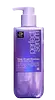
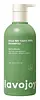
Ingredients Side-by-side
Water
Skin ConditioningSodium Laureth Sulfate
Cleansing



Cocamidopropyl Hydroxysultaine
Cleansing
Disodium Laureth Sulfosuccinate
CleansingIsopentyldiol
Humectant
Laureth-6 Carboxylic Acid
CleansingCaprylyl/Capryl Glucoside
CleansingParfum
Masking


Polyquaternium-10
PEG-60 Hydrogenated Castor Oil
Emulsifying

Caprylic/Capric Triglyceride
Masking
Succinic Acid
BufferingSodium Lauroyl Sarcosinate
CleansingLaureth-2
CleansingSodium Benzoate
Masking
Sodium Citrate
BufferingPPG-3 Caprylyl Ether
SolventPhenoxyethanol
Preservative
Sodium Metaphosphate
BufferingCitric Acid
Buffering

Chamomilla Recutita Flower Water
MaskingLinalool
Perfuming
Benzyl Salicylate
Perfuming
Hydroxycitronellal
Perfuming
Limonene
Perfuming
Caprylyl Glycol
Emollient
Disodium EDTA
Hexyl Cinnamal
Perfuming
Citronellol
Perfuming
CI 77891
Cosmetic ColorantPropanediol
Solvent
Tetrasodium EDTA
Dextrin
Absorbent1,2-Hexanediol
Skin Conditioning
Argania Spinosa Kernel Oil
Emollient


Silica
Abrasive

Panax Ginseng Root Extract
Emollient

Cocos Nucifera Oil
Masking

Simmondsia Chinensis Seed Oil
Emollient
Tin Oxide
Abrasive
Laminaria Japonica Extract
Skin Protecting
Prunus Armeniaca Kernel Oil
Masking
Olea Europaea Fruit Oil
Masking
Camellia Japonica Seed Oil
Emollient
Ethylhexylglycerin
Skin ConditioningSclerocarya Birrea Seed Oil
Humectant
Avena Sativa Peptide
Skin Conditioning
Arginine
Masking
Serine
Masking
Glutamic Acid
Humectant
Threonine
Leucine
Skin ConditioningProline
Skin Conditioning
Aspartic Acid
Masking
Isoleucine
Skin ConditioningGlycine
Buffering
Phenylalanine
Masking
Alanine
Masking
Tyrosine
MaskingLysine
Skin ConditioningHistidine
Humectant
Sodium Chloride
MaskingCopernicia Cerifera Wax
Maltitol
HumectantPEG-150 Pentaerythrityl Tetrastearate
Emulsifying
Valine
MaskingPPG-2 Hydroxyethyl Cocamide
Emulsifying
Methionine
Skin ConditioningGlycolipids
Skin ConditioningCystine
MaskingTryptophan
MaskingWater, Sodium Laureth Sulfate, Cocamidopropyl Hydroxysultaine, Disodium Laureth Sulfosuccinate, Isopentyldiol, Laureth-6 Carboxylic Acid, Caprylyl/Capryl Glucoside, Parfum, Polyquaternium-10, PEG-60 Hydrogenated Castor Oil, Caprylic/Capric Triglyceride, Succinic Acid, Sodium Lauroyl Sarcosinate, Laureth-2, Sodium Benzoate, Sodium Citrate, PPG-3 Caprylyl Ether, Phenoxyethanol, Sodium Metaphosphate, Citric Acid, Chamomilla Recutita Flower Water, Linalool, Benzyl Salicylate, Hydroxycitronellal, Limonene, Caprylyl Glycol, Disodium EDTA, Hexyl Cinnamal, Citronellol, CI 77891, Propanediol, Tetrasodium EDTA, Dextrin, 1,2-Hexanediol, Argania Spinosa Kernel Oil, Silica, Panax Ginseng Root Extract, Cocos Nucifera Oil, Simmondsia Chinensis Seed Oil, Tin Oxide, Laminaria Japonica Extract, Prunus Armeniaca Kernel Oil, Olea Europaea Fruit Oil, Camellia Japonica Seed Oil, Ethylhexylglycerin, Sclerocarya Birrea Seed Oil, Avena Sativa Peptide, Arginine, Serine, Glutamic Acid, Threonine, Leucine, Proline, Aspartic Acid, Isoleucine, Glycine, Phenylalanine, Alanine, Tyrosine, Lysine, Histidine, Sodium Chloride, Copernicia Cerifera Wax, Maltitol, PEG-150 Pentaerythrityl Tetrastearate, Valine, PPG-2 Hydroxyethyl Cocamide, Methionine, Glycolipids, Cystine, Tryptophan
Water
Skin ConditioningCocamidopropyl Hydroxysultaine
Cleansing
Sodium C14-16 Olefin Sulfonate
Cleansing
Sodium Lauroyl Sarcosinate
CleansingSodium Lauroamphoacetate
CleansingSodium Taurine Cocoyl Methyltaurate
Cleansing
Sodium Chloride
MaskingPEG-40 Hydrogenated Castor Oil
Emulsifying
Parfum
Masking
Cocamide Mea
Emulsifying
Cocamidopropyl Betaine
Cleansing
Hydroxyacetophenone
Antioxidant
Betaine
Humectant
PEG-6 Caprylic/Capric Glycerides
EmulsifyingPiroctone Olamine
Preservative
Sodium Isostearoyl Lactylate
EmulsifyingPolyquaternium-10
Citric Acid
Buffering
Sodium Cocoyl Isethionate
Cleansing
Trimethylolpropane Tricaprylate/Tricaprate
EmollientEtidronic Acid
Panthenol
Skin Conditioning
Butylene Glycol
Humectant
Phytosteryl Oleate
Skin ConditioningGlyceryl Behenate
Emollient
Sodium Benzoate
Masking
PPG-26-Buteth-26
Skin ConditioningZingiber Officinale Root Extract
Masking
Anemarrhena Asphodeloides Root Extract
Skin Conditioning
Panax Ginseng Root Extract
Emollient
Propylene Glycol
Humectant
Caffeine
Skin Conditioning
Angelica Polymorpha Sinensis Root Extract
Skin ConditioningBiota Orientalis Leaf Extract
HumectantPolygonum Multiflorum Root Extract
Skin Conditioning1,2-Hexanediol
Skin Conditioning
Caprylyl Glycol
Emollient
Cyclodextrin
AbsorbentChlorphenesin
Antimicrobial
Adenosine
Skin Conditioning
Glycerin
Humectant
Ethylhexylglycerin
Skin ConditioningDiaminopyrimidine Oxide
Skin ConditioningNiacinamide
Smoothing


Yeast Extract
Skin ConditioningAesculus Hippocastanum Seed Extract
Skin ConditioningAmmonium Glycyrrhizate
MaskingZinc Gluconate
Skin Conditioning
Sodium Citrate
BufferingChrysin
Skin ConditioningArginine
Masking
Oleanolic Acid
Skin ConditioningPalmitoyl Tripeptide-1
Skin Conditioning
Myristoyl Pentapeptide-4
Skin Conditioning
Acetyl Tetrapeptide-3
Skin Protecting
Hexapeptide-3
Skin Conditioning
Biotin
AntiseborrhoeicWater, Cocamidopropyl Hydroxysultaine, Sodium C14-16 Olefin Sulfonate, Sodium Lauroyl Sarcosinate, Sodium Lauroamphoacetate, Sodium Taurine Cocoyl Methyltaurate, Sodium Chloride, PEG-40 Hydrogenated Castor Oil, Parfum, Cocamide Mea, Cocamidopropyl Betaine, Hydroxyacetophenone, Betaine, PEG-6 Caprylic/Capric Glycerides, Piroctone Olamine, Sodium Isostearoyl Lactylate, Polyquaternium-10, Citric Acid, Sodium Cocoyl Isethionate, Trimethylolpropane Tricaprylate/Tricaprate, Etidronic Acid, Panthenol, Butylene Glycol, Phytosteryl Oleate, Glyceryl Behenate, Sodium Benzoate, PPG-26-Buteth-26, Zingiber Officinale Root Extract, Anemarrhena Asphodeloides Root Extract, Panax Ginseng Root Extract, Propylene Glycol, Caffeine, Angelica Polymorpha Sinensis Root Extract, Biota Orientalis Leaf Extract, Polygonum Multiflorum Root Extract, 1,2-Hexanediol, Caprylyl Glycol, Cyclodextrin, Chlorphenesin, Adenosine, Glycerin, Ethylhexylglycerin, Diaminopyrimidine Oxide, Niacinamide, Yeast Extract, Aesculus Hippocastanum Seed Extract, Ammonium Glycyrrhizate, Zinc Gluconate, Sodium Citrate, Chrysin, Arginine, Oleanolic Acid, Palmitoyl Tripeptide-1, Myristoyl Pentapeptide-4, Acetyl Tetrapeptide-3, Hexapeptide-3, Biotin
Reviews
Ingredients Explained
These ingredients are found in both products.
Ingredients higher up in an ingredient list are typically present in a larger amount.
1,2-Hexanediol is a synthetic liquid and another multi-functional powerhouse.
It is a:
- Humectant, drawing moisture into the skin
- Emollient, helping to soften skin
- Solvent, dispersing and stabilizing formulas
- Preservative booster, enhancing the antimicrobial activity of other preservatives
Arginine is a semi-essential amino acid. This just means our bodies can product a bit on its own, but sometimes needs a little boost from food sources.
It is a part of your skin's natural moisturizing factor (NMF), or the water-loving molecules in your outermost layer of skin (stratum corneum) that keeps everything hydrated and happy.
Here's an interesting thing about Arginine: your skin converts it into urea through the Krebs-Henseleit urea cycle. Urea is one of the most effective humectants your skin naturally produces.
A clinical study showed applying 2.5% arginine hydrochloride to atopic dermatitis skin showed significant urea levels in the stratum corneum and improved moisture in just four weeks.
Arginine is also a precursor to nitric oxide; nitric oxide improves microcirculation and supports wound healing and collagen synthesis.
One study found that an amino acid complex containing Arginine reduced skin irritation, improved hydration, and accelerated skin repair in clinical / in-vivo studies.
Arginine itself is an amino acid and not a fatty acid, oil, or ester. On its own, it's not a direct food source for Malassezia, or the yeast that causes fungal acne.
Learn more about ArginineCaprylyl Glycol is a humectant, skin conditioner, emollient, and preservative booster derived from either caprylic acid or synthetically created.
Typical use levels vary from 0.3-1% as a preservative booster and go up to 2% to condition skin.
Because it is not a free-fatty acid, this ingredient is fungal acne safe (there's nothing for Malassezia to feed on).
Learn more about Caprylyl GlycolCitric Acid is an alpha hydroxy acid (AHA) naturally found in citrus fruits like oranges, lemons, and limes.
Like other AHAs, citric acid can exfoliate skin by breaking down the bonds that hold dead skin cells together. This helps reveal smoother and brighter skin underneath.
However, this exfoliating effect only happens at high concentrations (20%) which can be hard to find in cosmetic products.
Due to this, citric acid is usually included in small amounts as a pH adjuster. This helps keep products slightly more acidic and compatible with skin's natural pH.
In skincare formulas, citric acid can:
While it can provide some skin benefits, research shows lactic acid and glycolic acid are generally more effective and less irritating exfoliants.
Most citric acid used in skincare today is made by fermenting sugars (usually from molasses). This synthetic version is identical to the natural citrus form but easier to stabilize and use in formulations.
Rosacea skin has a lower threshold for acids generally, with 62.5% of rosacea subjects in one study reacting to lactic acid in a sting test. This is why we mark citric acid as a potential rosacea trigger.
However, this ingredient shows up as a pH adjuster or chelator at roughly 0.1-1% in many products. These low levels are unlikely to be an issue for rosacea skin and becomes a potential trigger at exfoliating concentrations (20%). Because everybody's skin is unique, we recommend a patch test if you are unsure.
Learn more about Citric AcidCocamidopropyl Hydroxysultaine is a synthetic cleansing agent, though it is derived from coconut oil.
It is used to enhance the texture of products by boosting lather and thickening the texture. As a cleanser, Cocamidopropyl Hydroxysultaine is mild.
Ethylhexylglycerin is created from glycerin. It is a multitasker ingredient that:
The CIR Expert Panel found minimal skin absorption or sensitization of any kind in a safety assessment. Though this ingredient is considered well-tolerated, a small number of cases of allergic dermatitis have been published since 2002. Just be sure to patch test if you are unsure.
Industry-reported use ranges from 8% in rinse-off products and 2% in leave-on formulations.
Learn more about EthylhexylglycerinGinseng root is a well-loved ingredient in Asian skincare for good reason. It hydrates the skin, soothes irritation, and helps even out skin tone.
In traditional East Asian medicine, ginseng has been used for centuries both as food and as a healing remedy, and modern research continues to confirm its skin benefits.
One of the standout features of ginseng is its ability to improve blood circulation and oxygen delivery to the skin, bringing a fresh supply of nutrients to support overall skin health. It also has antioxidant and anti-inflammatory properties. This helps to protect your skin against damage from UV exposure, pollution, and daily stress.
Additionally, studies suggest that ginseng may help reduce hyperpigmentation by inhibiting tyrosinase, the enzyme involved in melanin production.
There are different types of ginseng used in skincare, and while they all share core benefits, their potency can vary.
Most products use fresh or white ginseng because it’s more affordable. However, red ginseng, produced by steaming the root, contains higher levels of ginsenosides, which are compounds with proven anti-aging effects. These ginsenosides help reduce the appearance of wrinkles and improve skin elasticity.
Note: All forms of ginseng are listed simply as “Panax ginseng” in ingredient lists. We recommend reaching out to the brand if you have questions about which type of ginseng is used in their ingredients.
For general antioxidant benefits, any ginseng extract will do, but for wrinkle care or firmer skin, red or fermented ginseng is often more effective.
In short, ginseng is a powerhouse ingredient that supports hydration, radiance, and resilience.
Learn more about Panax Ginseng Root ExtractParfum is a catch-all term for an ingredient or more that is used to give a scent to products.
Also called "fragrance", this ingredient can be a blend of hundreds of chemicals or plant oils. This means every product with "fragrance" or "parfum" in the ingredients list is a different mixture.
For instance, Habanolide is a proprietary trade name for a specific aroma chemical. When used as a fragrance ingredient in cosmetics, most aroma chemicals fall under the broad labeling category of “FRAGRANCE” or “PARFUM” according to EU and US regulations.
The term 'parfum' or 'fragrance' is not regulated in many countries. In many cases, it is up to the brand to define this term.
For instance, many brands choose to label themselves as "fragrance-free" because they are not using synthetic fragrances. However, their products may still contain ingredients such as essential oils that are considered a fragrance by INCI standards.
One example is Calendula flower extract. Calendula is an essential oil that still imparts a scent or 'fragrance'.
Depending on the blend, the ingredients in the mixture can cause allergies and sensitivities on the skin. Some ingredients that are known EU allergens include linalool and citronellol.
Parfum can also be used to mask or cover an unpleasant scent.
The bottom line is: not all fragrances/parfum/ingredients are created equally. If you are worried about fragrances, we recommend taking a closer look at an ingredient. And of course, we always recommend speaking with a professional.
Learn more about ParfumPolyquaternium-10 is an ammonium salt of hydroxyethylcellulose. It is a white and granular powder used as a film-former and anti-static agent.
This ingredient is commonly found in hair conditioning products. According to a manufacturer, its positive charge makes it great for absorbing hair proteins. The manufacturer also states this ingredient helps with curl retention.
For haircare friends: this ingredient is not a silicone.
Learn more about Polyquaternium-10Sodium Benzoate is a preservative. It's used in both cosmetic and food products to inhibit the growth of mold and bacteria. It is typically produced synthetically.
Both the US FDA and EU Health Committee have approved the use of sodium benzoate. In the US, levels of 0.1% (of the total product) are allowed.
Sodium benzoate works as a preservative by inhibiting the growth of bacteria inside of cells. It prevents the cell from fermenting a type of sugar using an enzyme called phosphofructokinase.
It is the salt of benzoic acid. Foods containing sodium benzoate include soda, salad dressings, condiments, fruit juices, wines, and snack foods.
Studies for using ascorbic acid and sodium benzoate in cosmetics are lacking, especially in skincare routines with multiple steps.
We always recommend speaking with a professional, such as a dermatologist, if you have any concerns.
Learn more about Sodium BenzoateChances are, you eat sodium chloride every day. Sodium Chloride is also known as table salt. This ingredient has many purposes in skincare: thickener, emulsifier, and exfoliator.
You'll most likely find this ingredient in cleansers where it is used to create a gel-like texture. As an emulsifier, it also prevents ingredients from separating.
You might see people debate whether Sodium Chloride is comedogenic, but there actually haven't been any comedogenic tests done on it. Either way, the overall formulation of a product matters a lot more than any single ingredient.
You might see this ingredient used in scrubs as a primary exfoliating ingredient.
Learn more about Sodium ChlorideSodium Citrate is the sodium salts of citric acid. In skincare, it is used to alter pH levels and acts as a preservative.
Its main functions are to maintain the pH of a product and neutralize metal ions.
The acidity of our skin is maintained by our glands and skin biome; normal pH level of skin is slightly acidic (~4.75-5.5).
Being slightly acidic allows our skin to create an "acid mantle". This acid mantle is a thin barrier that protects our skin from bacteria and contaminants.
Learn more about Sodium CitrateSodium Lauroyl Sarcosinate is a cleansing agent and emulsifier. It is a surfactant derived from sarcosine, and a common source is coconut oil.
As a surfactant, Sodium Lauroyl Sarcosinate helps lift dirts, oil, and other molecules to be washed away. In leave-on products, this ingredient is used as an emulsifier. Emulsifier help prevent ingredients such as oils and waters from separating.
Sodium Lauroyl Sarcosinate is also commonly found as a foaming agent in shampoo, toothpaste, and shaving foam. It is amphiphilic, meaning it loves both water and fats.
Learn more about Sodium Lauroyl SarcosinateWater. It's the most common cosmetic ingredient of all. You'll usually see it at the top of ingredient lists, meaning that it makes up the largest part of the product.
So why is it so popular? Water most often acts as a solvent - this means that it helps dissolve other ingredients into the formulation.
You'll also recognize water as that liquid we all need to stay alive. If you see this, drink a glass of water. Remember to stay hydrated!
Learn more about Water

