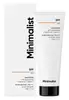
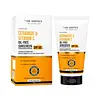
Minimalist SPF 50 PA++++ Sunscreen Versus Dr. Sheth's Ceramide & Vitamin C Oil-Free Sunscreen SPF 50+
This hybrid sunscreen covers the full UV range and blocks ~98% of UVB at SPF 50.
This chemical sunscreen covers the full UV range and blocks ~98% of UVB at SPF 50.

What's inside
What's inside
 Key Ingredients
Benefits
Concerns
Ingredients Side-by-side
Water
Skin ConditioningOctocrylene
UV Absorber



Butyl Methoxydibenzoylmethane
UV Absorber
Isododecane
EmollientNiacinamide
Smoothing











Caprylic/Capric Triglyceride
Masking

Arachidyl Alcohol
Emollient
Titanium Dioxide
Cosmetic Colorant
Propylene Glycol Dicaprylate/Dicaprate
EmollientDiisopropyl Sebacate
EmollientEthylhexyl Triazone
UV Absorber
Diisopropyl Adipate
EmollientC12-15 Alkyl Benzoate
AntimicrobialButylene Glycol
Humectant
Allantoin
Skin Conditioning
Panthenol
Skin Conditioning
Sodium Hyaluronate
Humectant
Linoleic Acid
Cleansing

Linolenic Acid
Cleansing

Behenyl Alcohol
Emollient
Arachidyl Glucoside
EmulsifyingPhenoxyethanol
Preservative
Glyceryl Stearate
Emollient
PEG-100 Stearate
Surfactant
Hydroxyethyl Acrylate/Sodium Acryloyldimethyl Taurate Copolymer
Emulsion StabilisingTocopheryl Acetate
Antioxidant

Acacia Senegal Gum
MaskingXanthan Gum
EmulsifyingEthylhexylglycerin
Skin ConditioningSilica
Abrasive
Trisodium Ethylenediamine Disuccinate
ChelatingWater, Octocrylene, Butyl Methoxydibenzoylmethane, Isododecane, Niacinamide, Caprylic/Capric Triglyceride, Arachidyl Alcohol, Titanium Dioxide, Propylene Glycol Dicaprylate/Dicaprate, Diisopropyl Sebacate, Ethylhexyl Triazone, Diisopropyl Adipate, C12-15 Alkyl Benzoate, Butylene Glycol, Allantoin, Panthenol, Sodium Hyaluronate, Linoleic Acid, Linolenic Acid, Behenyl Alcohol, Arachidyl Glucoside, Phenoxyethanol, Glyceryl Stearate, PEG-100 Stearate, Hydroxyethyl Acrylate/Sodium Acryloyldimethyl Taurate Copolymer, Tocopheryl Acetate, Acacia Senegal Gum, Xanthan Gum, Ethylhexylglycerin, Silica, Trisodium Ethylenediamine Disuccinate
Water
Skin ConditioningTerephthalylidene Dicamphor Sulfonic Acid
UV Absorber
Butyl Methoxydibenzoylmethane
UV Absorber
Propylene Glycol
Humectant
Ethylhexyl Methoxycinnamate
UV Absorber
Glycerin
Humectant
Methylene Bis-Benzotriazolyl Tetramethylbutylphenol
UV Filter
Decyl Glucoside
Cleansing
Xanthan Gum
EmulsifyingPhenylbenzimidazole Sulfonic Acid
UV Absorber
Ammonium Acryloyldimethyltaurate/Vp Copolymer
Triethanolamine
BufferingCaprylic/Capric Triglyceride
Masking
Tapioca Starch
Polymethylsilsesquioxane

Laminaria Digitata Extract
Skin Protecting
Hydrogenated Lecithin
Emulsifying
Cetyl-Pg Hydroxyethyl Palmitamide
Skin ConditioningCeramide EOP
Skin Conditioning
Ceramide Ng
Skin Conditioning
Ceramide NP
Skin Conditioning
Ceramide As
Skin Conditioning
Ceramide AP
Skin Conditioning
Cholesterol
Emollient
1,2-Hexanediol
Skin Conditioning
3-O-Ethyl Ascorbic Acid
Skin Conditioning
Ethylhexyl Salicylate
UV Absorber
Dimethicone
Emollient
Polyester-7
Skin ConditioningNeopentyl Glycol Diheptanoate
EmollientHyaluronic Acid
Humectant
Isododecane
EmollientCetearyl Olivate
Sorbitan Olivate
Emulsifying
Cetearyl Alcohol
Emollient
Ceteareth-20
Cleansing
Xylitylglucoside
Humectant
Anhydroxylitol
Humectant
Xylitol
Humectant
Phenoxyethanol
Preservative
Ethylhexylglycerin
Skin ConditioningCyclopentasiloxane
Emollient
Dicaprylyl Carbonate
EmollientGlyceryl Stearate
Emollient
Sodium Polyacrylate
Absorbent
Chamomilla Recutita Flower Extract
Masking
Aloe Barbadensis Leaf Extract
Emollient
Panthenol
Skin Conditioning
Niacinamide
Smoothing
Allantoin
Skin Conditioning
Sodium Gluconate
ChelatingCapsicum Annuum Fruit Extract
Antimicrobial
BHT
Antioxidant
Tocopheryl Acetate
Antioxidant
Water, Terephthalylidene Dicamphor Sulfonic Acid, Butyl Methoxydibenzoylmethane, Propylene Glycol, Ethylhexyl Methoxycinnamate, Glycerin, Methylene Bis-Benzotriazolyl Tetramethylbutylphenol, Decyl Glucoside, Xanthan Gum, Phenylbenzimidazole Sulfonic Acid, Ammonium Acryloyldimethyltaurate/Vp Copolymer, Triethanolamine, Caprylic/Capric Triglyceride, Tapioca Starch, Polymethylsilsesquioxane, Laminaria Digitata Extract, Hydrogenated Lecithin, Cetyl-Pg Hydroxyethyl Palmitamide, Ceramide EOP, Ceramide Ng, Ceramide NP, Ceramide As, Ceramide AP, Cholesterol, 1,2-Hexanediol, 3-O-Ethyl Ascorbic Acid, Ethylhexyl Salicylate, Dimethicone, Polyester-7, Neopentyl Glycol Diheptanoate, Hyaluronic Acid, Isododecane, Cetearyl Olivate, Sorbitan Olivate, Cetearyl Alcohol, Ceteareth-20, Xylitylglucoside, Anhydroxylitol, Xylitol, Phenoxyethanol, Ethylhexylglycerin, Cyclopentasiloxane, Dicaprylyl Carbonate, Glyceryl Stearate, Sodium Polyacrylate, Chamomilla Recutita Flower Extract, Aloe Barbadensis Leaf Extract, Panthenol, Niacinamide, Allantoin, Sodium Gluconate, Capsicum Annuum Fruit Extract, BHT, Tocopheryl Acetate
Reviews
Ingredients Explained
These ingredients are found in both products.
Ingredients higher up in an ingredient list are typically present in a larger amount.
Allantoin is a soothing ingredient known for its protective and moisturizing properties; it's basically a quiet workhorse ingredient you can find in a huge range of cosmetics.
Though it can be derived from the comfrey plant, allantoin is produced synthetically for cosmetic products to ensure purity.
Research shows it can encourage your skin cells to turn over and renew by stimulating keratinocyte and fibroblast proliferation.
It also has mild keratolytic properties to help loosen and shed dead skin cells without being harsh.
Studies also suggest allantoin can help calm inflammation by dialing down some of the chemical signals your skin sends out when it is irritated.
This ingredient is typically used in the 0.1-0.5% range, and the FDA recognizes it as a skin protectant in OTC products up to 2%.
Overall, allantoin is a wonderful addition to most routines; it is stable across a wide pH range (~4-8), works well with other ingredients, and is considered non-sensitizing/non-irritating.
Fun fact: Allantoin is naturally occurring in comfrey root, beets, chamomile, and wheat sprouts. Our bodies even produce it as a byproduct of uric acid metabolism.
Learn more about AllantoinAlso known as Avobenzone, this ingredient is an oil-soluble used to absorb the full spectrum of UVA rays (peak 357 nm).
It's one of the most effective UVA filters available but has a major caveat of photostability: avobenzone is susceptible to photodegradation.
This means it can lose efficacy when exposed to sunlight without the help of a stabilizing agent.
Studies show antioxidants (like vitamin E or vitamin C) and some UV filters (like octocrylene and Tinosorb S) can meaningfully improve its stability in a formulation.
The maximum allowable concentration according to regulation is 3% in the US + Canada, and 5% in the EU, Australia, China, Korea, and ASEAN countries.
It has a well-support safety profile: a comprehensive 2025 review found minimal toxicity with no evidence of carcinogenicity.
Overall, avobenzone is a safe and regulated ingredient used in sunscreen for over 40 years.
Learn more about Butyl MethoxydibenzoylmethaneCaprylic/Capric Triglyceride (aka MCT Oil) is a lightweight emollient, solvent, and texture enhancer. It is considered a skin-softener by helping to prevent moisture loss.
Though it behaves like an oil, it is not technically one due to its chemical composition. One perk of this ingredient is that it is very stable, resistant to oxidation, and unlikely to go rancid.
In practice, that translates to a long shelf life and a consistently elegant skin feel.
While there is an assumption Caprylic Triglyceride can clog pores due to it being derived from coconut oil, there is no research supporting this. Just patch test if you have concerns.
Fractionated coconut oil and MCT Oil are both listed as Caprylic/Capric Triglyceride according to INCI. This is because INCI names are based on the ingredient’s final chemical composition and not its marketing name or source.
This ingredient is treated as the gold standard fungal acne safe oil. Even though it is coconut derived, the problematic lauric acid is stripped out.
This leaves just caprylic (C8) and capric (C10) acid. These chain lengths actually trend antifungal; a 2020 study found caprylic acid was enough to disrupt Malassezia furfur cell membrane, with a caprylic acid derivative damaging membrane structures at concentrations as low as 0.2%.
Learn more about Caprylic/Capric TriglycerideEthylhexylglycerin is created from glycerin. It is a multitasker ingredient that:
The CIR Expert Panel found minimal skin absorption or sensitization of any kind in a safety assessment. Though this ingredient is considered well-tolerated, a small number of cases of allergic dermatitis have been published since 2002. Just be sure to patch test if you are unsure.
Industry-reported use ranges from 8% in rinse-off products and 2% in leave-on formulations.
Learn more about EthylhexylglycerinGlyceryl Stearate is made by reacting glycerin with stearic acid (typically sourced from plant oils like palm or coconut). It's an emulsifier, emollient, and mild occlusive.
Emulsifiers help ingredients like oil and water stay mixed so your formula stays nicely blended and uniform in texture.
This ingredient is typically used in concentrations between 1-10%. Studies have found it to be non-sensitizing, non-phototoxic, and non-photoallergenic.
A close cousin of this ingredient is Glyceryl Stearate SE ("self-emulsifying"). This just has a small amount of sodium or potassium stearate added so it can emulsify without a co-emulsifier.
Since this ingredient is an ester of a C18 fatty acid, it may not be fungal acne safe. The Malassezia yeast can potentially metabolize within the C11-C24 range.
Fun fact: The human body also creates Glyceryl Stearate naturally.
Learn more about Glyceryl StearateIsododecane is a fragrance, emollient, and solvent.
As an emollient, it helps your skin stay soft and hydrated. Emollients help trap moisture into your skin.
Isododecane's role as a solvent makes it a great texture enhancer. It spreads smoothly on skin and does not leave a sticky feeling behind. Isododecane also helps prevent color transfer in makeup products.
Isododecane is not absorbed into skin.
The chemical name for this ingredient is 2,2,4,6,6-PENTAMETHYLHEPTANE.
Learn more about IsododecaneNiacinamide is a multitasking form of vitamin B3 that strengthens the skin barrier, reduces pores and dark spots, regulates oil, and improves signs of aging.
And the best part? It's gentle and well-tolerated by most skin types, including sensitive and reactive skin.
You might have heard of "niacin flush", or the reddening of skin that causes itchiness. Niacinamide has not been found to cause this.
In very rare cases, some individuals may not be able to tolerate niacinamide at all or experience an allergic reaction to it.
If you are experiencing flaking, irritation, and dryness with this ingredient, be sure to double check all your products as this ingredient can be found in all categories of skincare.
When incorporating niacinamide into your routine, look out for concentration amounts. Typically, 5% niacinamide provides benefits such as fading dark spots. However, if you have sensitive skin, it is better to begin with a smaller concentration.
When you apply niacinamide to your skin, your body converts it into nicotinamide adenine dinucleotide (NAD). NAD is an essential coenzyme that is already found in your cells as "fuel" and powers countless biological processes.
In your skin, NAD helps repair cell damage, produce new healthy cells, support collagen production, strengthen the skin barrier, and fight environmental stressors (like UV and pollution).
Our natural NAD levels start to decline with age, leading to slower skin repair, visible aging, and a weaker skin barrier. By providing your skin niacinamide, you're recharging your skin's NAD levels. This leads to stronger, healthier, and younger looking skin.
Another name for vitamin B3 is nicotinamide. This vitamin is water-soluble and our bodies don't store it. We obtain Vitamin B3 from either food or skincare. Meat, fish, wheat, yeast, and leafy greens contain vitamin B3.
The type of niacinamide used in skincare is synthetically created.
Learn more about NiacinamidePanthenol is a common ingredient that helps hydrate and soothe the skin. It is found naturally in our skin and hair.
There are two forms of panthenol: D and L.
D-panthenol is also known as dexpanthenol. Most cosmetics use dexpanthenol or a mixture of D and L-panthenol.
Panthenol is famous due to its ability to go deeper into the skin's layers. Using this ingredient has numerous pros (and no cons):
Like hyaluronic acid, panthenol is a humectant. Humectants are able to bind and hold large amounts of water to keep skin hydrated.
This ingredient works well for wound healing. It works by increasing tissue in the wound and helps close open wounds.
Once oxidized, panthenol converts to pantothenic acid. Panthothenic acid is found in all living cells.
This ingredient is also referred to as pro-vitamin B5.
Learn more about PanthenolPhenoxyethanol is one of the most widely used preservatives in skincare (and for good reason!).
It has a large spectrum of antimicrobial activity and especially effective bacteria, yeast, and mold while only having a weak effect on your skin's natural microbiome.
On a cellular level, it disrupts the cell membranes of microbes by poking holes that make the cell leak. This shuts down the chemical reactions the microbe needs to make energy so it can no longer survive.
Another perk of this ingredient is that it stays functional across a wide pH range (3-10).
You'll often see it paired with boosters like Ethylhexylglycerin; one study showed that a 1:9 ratio of Ethylhexylglycerin to Phenoxyethanol damages bacterial membranes as effectively as doubling the Phenoxyethanol concentration on its own.
Typical use concentrations range from 0.3-1% depending on the formula, and this ingredient is capped at 1% int the EU.
Safety-wise, the fear mongering does not hold up to the evidence. The EU's Scientific Committee on Consumer Safety and FDA consider it safe as a preservative at up to 1%, including for children of all ages.
Adverse systemic effects only showed up in animal studies at exposures roughly 200x higher than what people get from cosmetics. And despite its very widespread use, this ingredient is a rare sensitizer and allergic reactions are uncommon.
Learn more about PhenoxyethanolTocopheryl Acetate is a stable, shelf-friendly form of vitamin E.
Formulators love it because plain vitamin E oxidizes quickly once it hits air. This acetate version stays stable and resists going off, helping to extend a product's shelf life.
It's actually inactive on its own and works like a slow-release "storage" form; the enzymes in your skin called esterases gradually convert it into active vitamin E over time.
One in vivo study showed 5% of the acetate in the living layer of the epidermis converted to vitamin E after 5 days of application. This study also found the skin gained protection against UV damage even though the conversion was slow and small.
Once converted, vitamin E acts as a skin's main fat-soluble antioxidant that fights free radicals to protect skin from damage.
Topical vitamin E generally boosts the skin's photoprotection, and it reduced UV-damage in animal models.
This ingredient has some brightening potential but it's more of a prevention ingredient than spot-fader. Cell studies show it can slow down melanin production but it's worth noting that it's not the most powerful brightener out there.
Overall, it has a pretty solid safety profile and has been found to be non-irritating and non-comedogenic. Allergic reactions may happen but stay rare due to how widely the ingredient gets used.
The concentration will vary depending on the formula; industry data shows 0.1% in baby lotions, 3% in lipsticks, and 5% in foot powders. You can also find this ingredient at 100% in a pure vitamin E oil.
Most leave-on skincare keeps it at the lower end, often between 0.5-1%.
Learn more about Tocopheryl AcetateWater. It's the most common cosmetic ingredient of all. You'll usually see it at the top of ingredient lists, meaning that it makes up the largest part of the product.
So why is it so popular? Water most often acts as a solvent - this means that it helps dissolve other ingredients into the formulation.
You'll also recognize water as that liquid we all need to stay alive. If you see this, drink a glass of water. Remember to stay hydrated!
Learn more about WaterXanthan gum is used as a stabilizer and thickener within cosmetic products. It helps give products a sticky, thick feeling - preventing them from being too runny.
On the technical side of things, xanthan gum is a polysaccharide - a combination consisting of multiple sugar molecules bonded together.
Xanthan gum is a pretty common and great ingredient. It is a natural, non-toxic, non-irritating ingredient that is also commonly used in food products.
Learn more about Xanthan Gum

